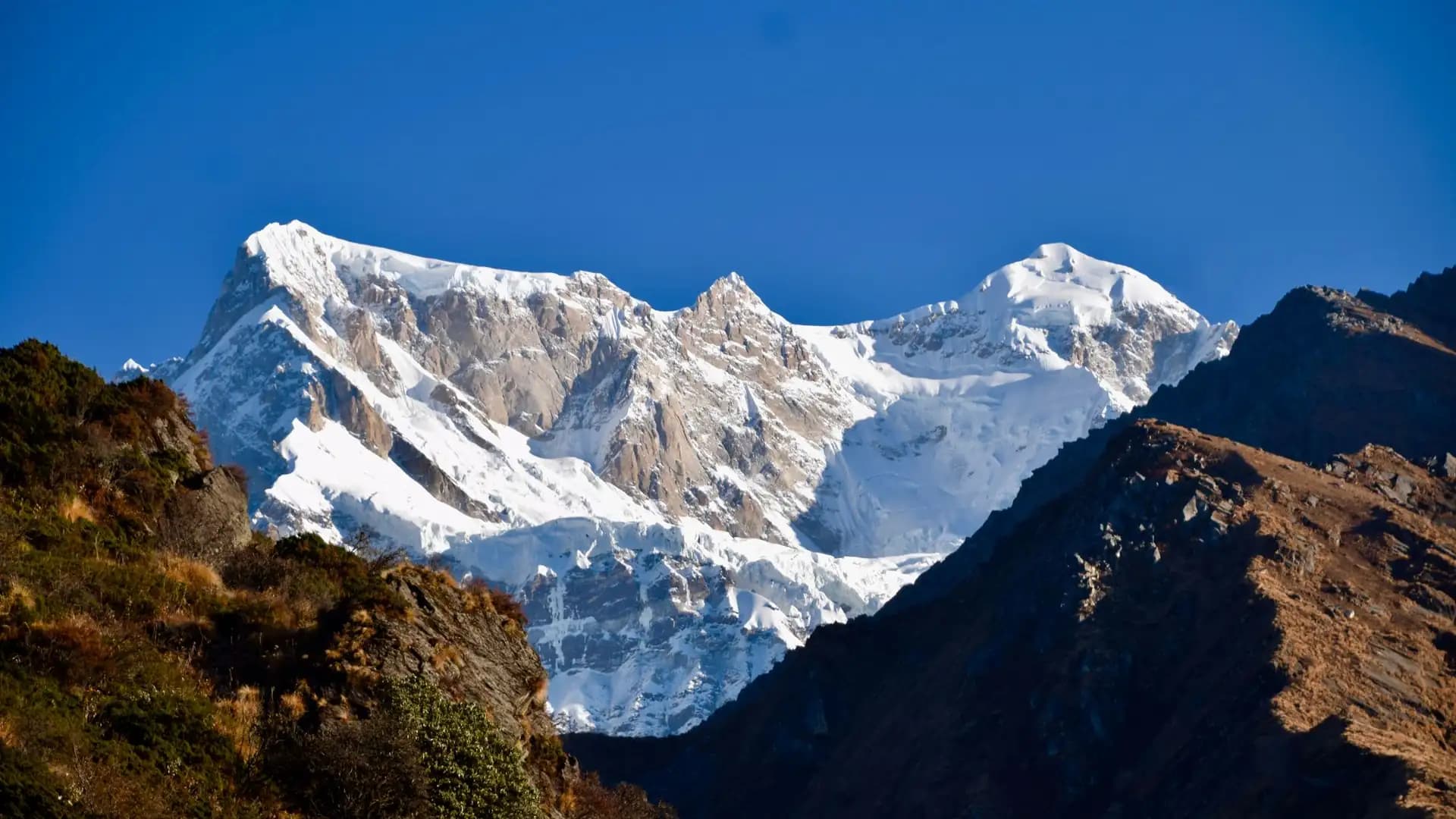
Manaslu Circuit Trek for Families 2026: Is It Safe & Suitable?
Introduction to Manaslu Circuit Trek for Families
Here's the honest answer up front: the Manaslu Circuit Trek can work as a family trip, but it's not a beginner-friendly one, and it's genuinely not the right first Himalayan trek for a family with young children. This is a 12-to-18-day, high-altitude, restricted-area trek that climbs to 5,106 meters through some of Nepal's most remote terrain, with basic teahouse infrastructure and minimal medical support once you're a few days in. Families do complete it successfully every season — but the families who do well on it tend to share specific traits: older children, prior trekking experience, realistic expectations, and an itinerary built specifically around a slower pace rather than the standard adult schedule.
This guide gives you the straight version of what a Manaslu Circuit Trek for families actually involves, what age range genuinely makes sense, and where the real risks and trade-offs sit — so you can make a properly informed decision rather than relying on marketing language alone.
Quick Answer: Is the Manaslu Circuit Trek Suitable for Families?
Question | Answer |
|---|---|
Is it possible with children? | Yes, with the right age, preparation, and itinerary |
Recommended minimum age | Most experienced operators and guides suggest 10 years and up; teenagers (13+) generally have a considerably easier time |
Is it suitable for very young children (under 6)? | Generally not recommended, given altitude risk and the difficulty young children have communicating early symptoms |
Maximum altitude reached | 5,106 m at Larkya La Pass |
Recommended itinerary length for families | 15–18 days, longer than the standard 12–14 day adult itinerary |
Guide requirement | Mandatory for all trekkers, adults and children, in this restricted region |
Overall difficulty for families | Genuinely demanding — this is not a gentle introduction to Himalayan trekking |
Is the Manaslu Circuit Trek Really Suitable for Families?
The honest answer sits somewhere between the enthusiastic "absolutely, kids as young as 6 can do it" claims some operators make and the blanket "never bring children" caution that others lean toward. Both extremes miss the real nuance. A Manaslu Circuit Trek for families is a legitimate, achievable goal — but it requires meaningfully more planning, a considerably slower pace, and a more conservative approach to altitude than a standard adult itinerary, and it's not equally suitable across all ages of children.
What tips this trek from "manageable family adventure" into "genuinely risky for young kids" is a specific combination: sustained altitude exposure above 3,500 meters for 7 to 9 days, a remote route with limited medical evacuation options, and a single very long, high-altitude crossing day at Larkya La that offers little room to simply turn back partway through if a child starts struggling.
What Age Is Genuinely Appropriate for the Manaslu Circuit?
This is where you'll find real disagreement across the trekking industry, and it's worth being upfront about that rather than presenting one number as settled fact.
Age Range | General Suitability |
|---|---|
Under 6 | Not generally recommended; some operators offer limited porter-carried sections only |
6–9 | Possible with significant support (child carriers, shortened days), but genuinely demanding and not the typical recommendation |
10–12 | The age range where most families report a genuinely manageable experience, provided the child is an active, willing hiker |
13–15 | Physically capable in most cases; the main challenge shifts from physical strength to patience over long, repetitive walking days |
16+ | Generally comparable to adult trekkers in terms of physical capability |
Different operators quote different minimum ages — some as low as 6, others requiring 13 or older — and this range reflects genuine differences in risk tolerance and itinerary design rather than one being simply wrong. Our honest view: children 10 and up, who are active, enjoy hiking, and have some prior experience walking multi-hour days, tend to do considerably better than younger children, and the safety margin improves meaningfully again once children reach their early teens.
Why Altitude Matters More for Children Specifically
This is the single most important safety consideration for a Manaslu Circuit Trek for families, and it's worth explaining rather than just stating as a rule. Younger children, particularly those under roughly 8 to 10 years old, often struggle to clearly articulate early altitude sickness symptoms — a mild headache or nausea might present as general fussiness, tiredness, or a vague complaint that's easy to misread as ordinary trail fatigue rather than an early warning sign. This makes early detection genuinely harder for parents and guides alike, at exactly the altitude range (above 3,500 meters, and especially above 4,000 meters near Dharamsala and Larkya La) where acute mountain sickness becomes a real possibility for trekkers of any age.
The CDC's travel health guidance on high-elevation travel is a useful general resource on altitude illness recognition and prevention, worth reviewing alongside any trek-specific advice from your agency — particularly relevant for parents assessing how confidently their child can self-report how they're feeling at altitude.
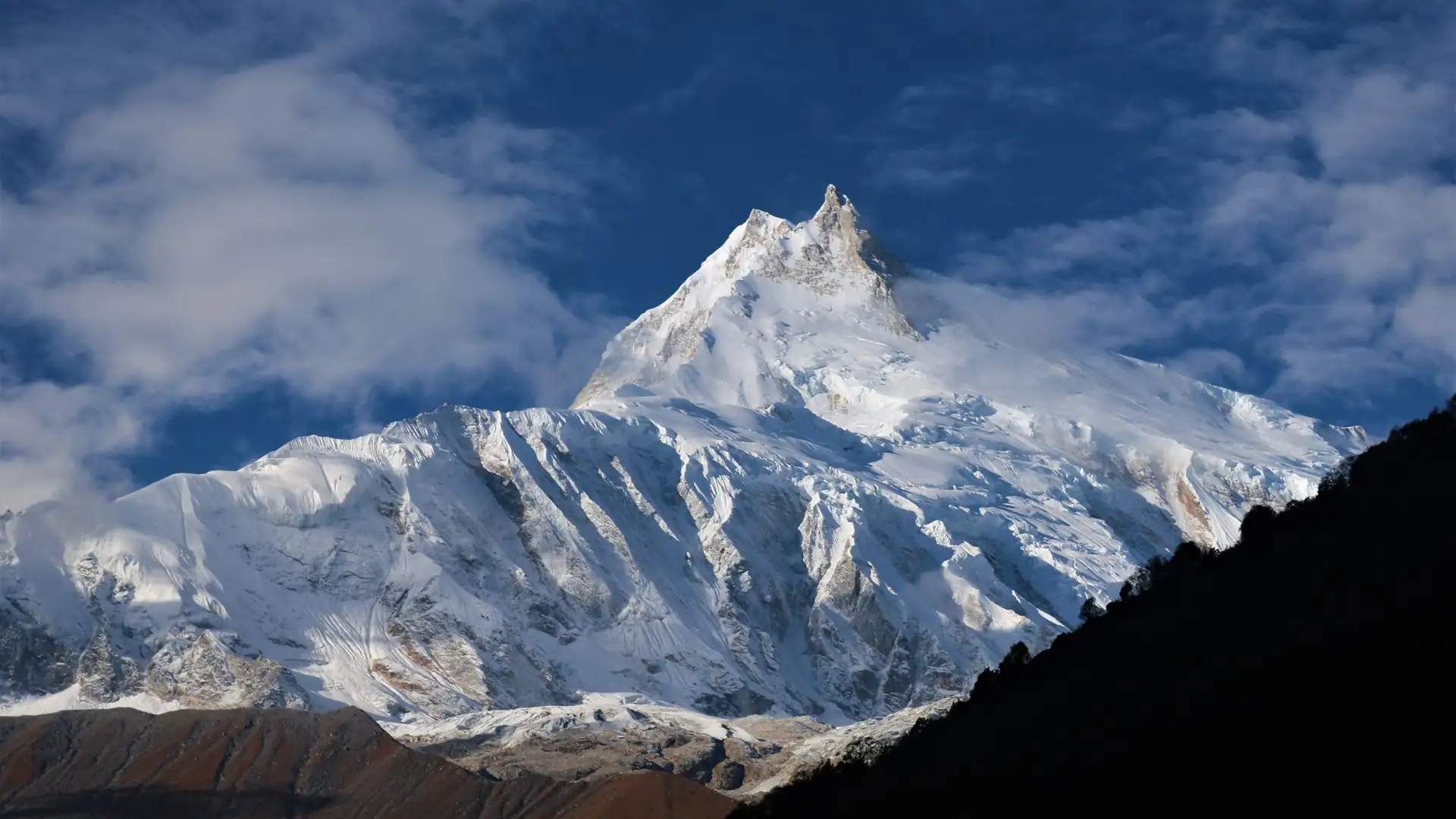
What Makes This Trek Specifically Harder for Families Than Other Options
Duration. A standard Manaslu Circuit runs 12 to 14 trekking days, and family-paced versions often extend to 15 to 18 days — a considerably longer commitment than shorter, more established family treks in Nepal.
Altitude and acclimatization demands. Reaching 5,106 meters at Larkya La, with 7 to 9 days spent above 3,500 meters, represents genuine high-altitude exposure, not the moderate elevation of gentler family-oriented routes.
Remoteness. Unlike the well-developed Everest and Annapurna trekking corridors, Manaslu has fewer teahouses, more basic facilities, and considerably less medical support along the route — a real factor if a child develops symptoms partway through a remote stretch.
The Larkya La crossing day. This single day typically runs 7 to 10 hours through high-altitude, exposed terrain, with limited opportunity to simply turn back partway through once committed — a genuinely serious consideration for a family group.
Restricted-area logistics. Every trekker, including children, requires the mandatory guide and full permit set for this region, adding a layer of planning complexity beyond what a standard, unrestricted family trek would involve.
How a Family-Paced Itinerary Should Differ from the Standard Route
If you do decide to bring your family on this trek, the itinerary itself should look meaningfully different from a standard adult schedule.
Adjustment | Why It Matters for Families |
|---|---|
Extend to 15–18 days rather than the standard 12–14 | Builds in more rest and acclimatization time, reducing daily pressure on younger trekkers |
Add a second rest day (beyond the standard Samagaon stop) | Gives children's bodies more time to adjust before the demanding push toward Dharamsala |
Shorten daily walking hours where possible | Reduces cumulative fatigue, which affects children's mood and altitude tolerance more noticeably than adults' |
Consider child carrier or extra porter support for younger children | Genuinely useful for children under 10 on longer or steeper stretches |
Build in a flexible buffer day before the Larkya La crossing | Allows a full day's pause if a child is showing any early symptoms, without derailing the whole trip |
Consider a helicopter option for part of the return route | Some families use this to shorten the total trip or avoid a second demanding high-altitude day on the way out |
For the complete standard-pace itinerary this family version builds outward from, our Manaslu Circuit Trek itinerary guide lays out the full day-by-day structure, and our Manaslu Circuit Trek preparation and training guide is worth adapting for younger trekkers specifically, focusing on shorter, more frequent hikes rather than pure endurance training.
Health and Safety Considerations Specific to Trekking with Kids
Daily health monitoring. Beyond the standard altitude symptom awareness every trekker needs, checking in specifically and directly with children each day — rather than assuming quietness means they're fine — matters considerably given how altitude symptoms can present differently or less clearly in younger trekkers.
Comprehensive travel insurance. This is non-negotiable for a Manaslu Circuit Trek for families. Insurance should specifically cover high-altitude trekking (above 4,000 meters) and helicopter evacuation, given how limited ground-based medical evacuation options are along this route.
A genuinely flexible mindset about turning back. Families need to go into this trek accepting that turning back, or not attempting the Larkya La crossing at all, is a legitimate and sometimes necessary outcome — not a failure. A guide's recommendation to descend due to a child's symptoms should never be overridden by a fixed itinerary or flight schedule.
Realistic expectations about pace. Children, especially younger ones, may need considerably more frequent rest breaks and shorter daily distances than the standard adult schedule assumes — building this into your itinerary from the start avoids the pressure of falling behind a schedule not designed with kids in mind.
Best Season for a Family Manaslu Circuit Trek
Given the added considerations already covered, season choice matters even more for families than for typical adult trekking groups.
Season | Suitability for Families |
|---|---|
Autumn (September–November) | Recommended — stable weather and the clearest views of the year reduce added weather-related stress on an already demanding trip |
Spring (March–May) | Also recommended, with similarly stable conditions and the bonus of rhododendron blooms lower on the trail |
Winter (December–February) | Not recommended for families — colder temperatures and potential snow/ice near Larkya La add genuine difficulty on top of the trek's baseline demands |
Monsoon (June–August) | Not recommended — landslide risk in the lower gorge and unpredictable weather are poor conditions for a family trip specifically |
Our best time for Manaslu Circuit Trek guide covers the full seasonal breakdown in more depth, and for families, sticking firmly to the autumn or spring windows is worth treating as close to a hard rule rather than a preference.
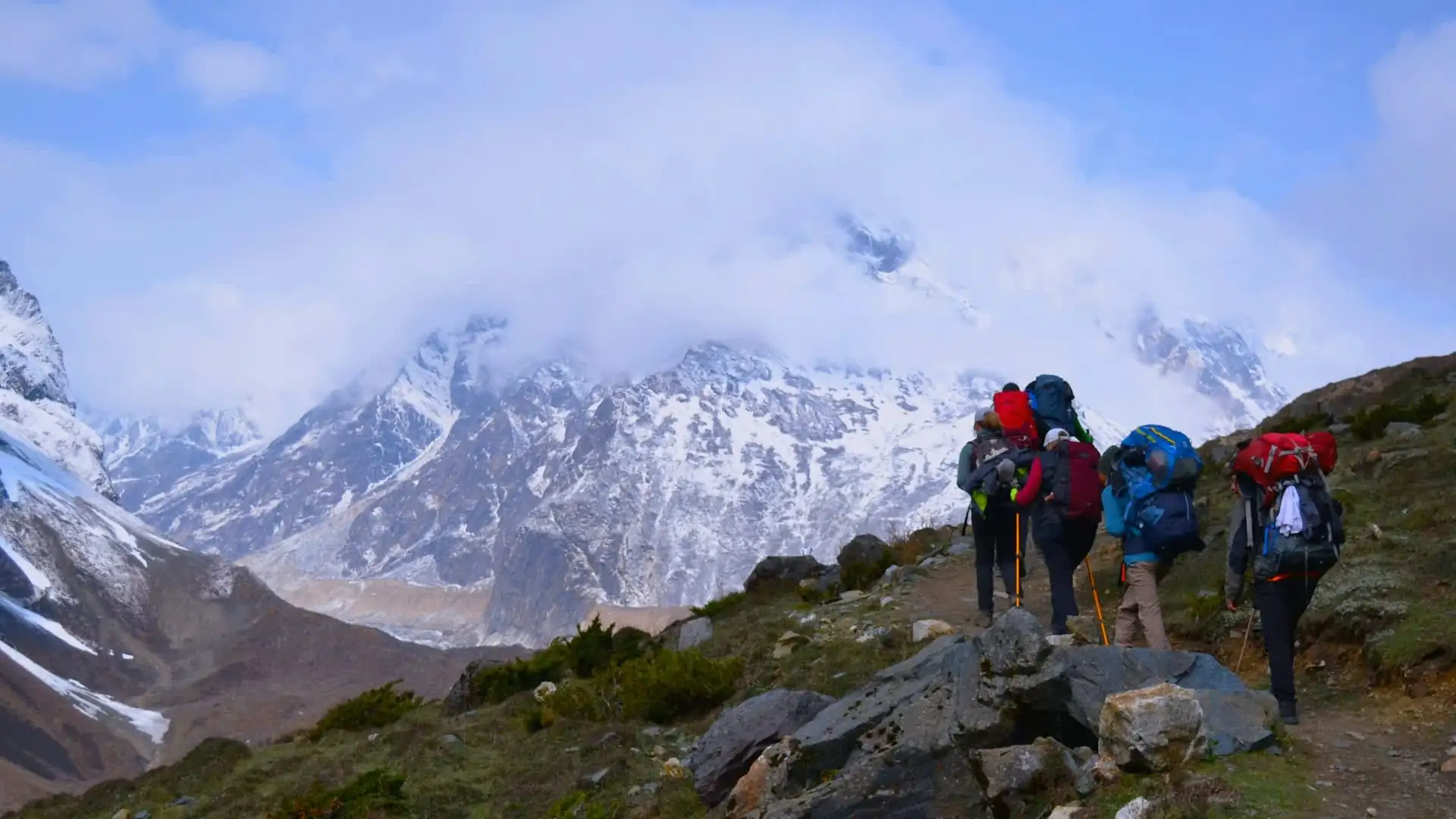
Packing Considerations for Family Trekkers
Beyond the standard packing list, a few additions are worth prioritizing specifically for children on this route.
Item | Why It Matters for Kids |
|---|---|
Extra-warm layers, sized appropriately | Children can lose body heat faster than adults in the same conditions, particularly at Dharamsala and the pass |
Comfortable, well broken-in footwear | Blisters affect morale disproportionately in younger trekkers over a trek this long |
Familiar snacks and comfort items | Helps with motivation and mood on longer, harder days |
A basic pediatric first aid kit | Beyond the standard trekking first aid kit, include any child-specific medications your doctor recommends |
Our full Manaslu Circuit Trek packing list guide covers the complete gear breakdown for the trek generally, which remains the right foundation to build a family-specific list on top of.
Cost Considerations for Family Groups
It's worth knowing that permit costs for this restricted region generally apply per trekker regardless of age, so bringing children doesn't meaningfully reduce your total permit expense the way some conservation-area-only treks offer child discounts on. Guide and porter costs, teahouse rooms, and meals also scale with the number of people in your group rather than offering blanket family discounts. Our Manaslu Circuit trekking cost guide breaks down the full cost structure, which is worth reviewing per person in your family group rather than assuming children travel at a reduced rate.
For the permit specifics tied to this restricted region, our Manaslu Circuit Trek permit guide — and Nepal's Department of Immigration, which governs restricted-area permit rules — confirm current requirements that apply to every trekker in your party.
If Your Children Are Younger: Better Family Trek Alternatives
If, after reading through the genuine demands above, the Manaslu Circuit sounds like more altitude and remoteness than makes sense for your family right now, it's worth knowing that Nepal offers considerably gentler, equally rewarding alternatives that are more established as family treks specifically.
Trek | Max Altitude | Typical Duration | Why It Suits Younger Families Better |
|---|---|---|---|
4,200–4,500 m | 5–9 days | Shorter, less remote, with well-established teahouse infrastructure throughout | |
4,130 m | 7–9 days | A well-developed trail corridor with considerably more frequent teahouses and easier evacuation options | |
Around 3,660 m | 9–11 days | Lower maximum altitude, gentler pacing, genuinely rewarding views without Manaslu's remoteness | |
Around 3,870–4,984 m depending on itinerary | 7–10 days | Closer to Kathmandu, shorter overall commitment, well-suited to first-time family trekkers |
For families with children under 10, or anyone newer to trekking generally, one of these alternatives is genuinely likely to deliver a better first Himalayan experience — with the Manaslu Circuit remaining a strong option to revisit once children are a bit older and the family has a trek or two of prior experience behind them.
An Honest Self-Assessment Before Booking
Before committing to a Manaslu Circuit Trek for your family, it's worth working through these questions honestly:
Has your child completed at least one multi-day hike or trek before, ideally reaching some altitude above 2,500–3,000 meters?
Is your child old enough to reliably communicate how they're feeling, including subtle symptoms like headache or nausea?
Is your family genuinely comfortable with the possibility of turning back before Larkya La if conditions or symptoms warrant it?
Have you built in enough total trip days (15–18, not the standard 12–14) to allow a genuinely gentle pace?
Does everyone in your family have comprehensive travel insurance covering high-altitude trekking and helicopter evacuation?
If you can answer yes to all of these, a Manaslu Circuit Trek for families is a realistic, achievable goal. If several answers are uncertain, one of the gentler alternatives above is likely the better starting point.
Planning a Family Manaslu Circuit Trek with Adventure Life Nepal
We'll give you the same honest assessment in person that we've given here: this is a genuinely demanding trek, and treating it as a standard family outing risks an unpleasant, potentially unsafe experience for younger or less-prepared children. What we can do is build a properly extended, family-paced itinerary with the right acclimatization buffer, assess whether your children's ages and prior experience make this the right trek for your family right now, and be honest if we think a shorter alternative would serve your trip better this time around.
You can view the full Manaslu Circuit Trek package details to see the standard structure we'd adapt for a family itinerary, and we're always happy to talk through your specific children's ages and experience level before finalizing any booking.
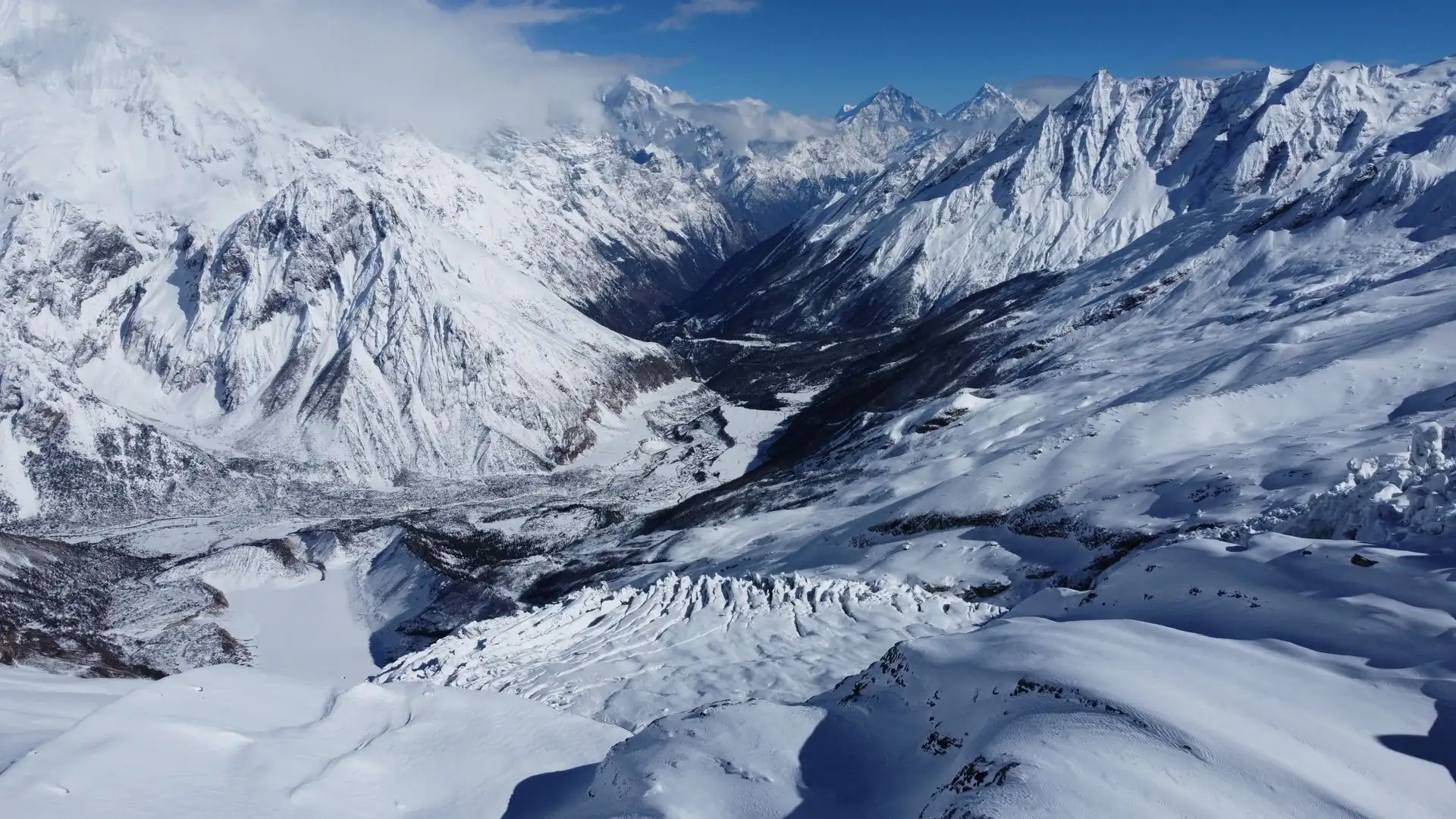
Frequently Asked Questions
1. Is the Manaslu Circuit Trek safe for families with children? It can be, for families with children roughly 10 and older who are active hikers with some prior trekking experience, using an extended, slower-paced itinerary. It's generally not recommended for very young children, particularly under 6.
2. What is the minimum age for the Manaslu Circuit Trek? There's no single official minimum, and operators vary considerably — some suggest 6 with heavy support, others require 13 or older. Most experienced guides consider 10 and up a genuinely comfortable starting point.
3. Why is altitude a bigger concern for children on this trek? Younger children often struggle to clearly communicate early altitude sickness symptoms, which can present as vague fussiness or fatigue rather than a clear complaint, making early detection genuinely harder for parents and guides.
4. How long should a family itinerary for the Manaslu Circuit be? Longer than the standard 12–14 day adult itinerary — typically 15 to 18 days, allowing extra acclimatization time and gentler daily walking hours.
5. Can very young children (under 6) do any part of the Manaslu Circuit? Some operators offer limited porter-carried sections for very young children on shorter, lower-altitude stretches, but this isn't the general recommendation, and the trek's high-altitude sections aren't appropriate for children this young.
6. Is a guide required for children on the Manaslu Circuit? Yes. Every trekker in this restricted region, regardless of age, requires a licensed guide as part of the mandatory permit and guide system.
7. What's the hardest part of the trek for a family group? The Larkya La Pass crossing day, which runs 7 to 10 hours through high-altitude, exposed terrain with limited opportunity to turn back partway through once committed.
8. Do children need different travel insurance for this trek? They need the same comprehensive coverage as adults — specifically including high-altitude trekking and helicopter evacuation — since standard travel insurance often excludes trekking above certain altitudes.
9. What season is best for a family Manaslu Circuit Trek? Autumn (September–November) or spring (March–May), both offering the most stable weather conditions, which meaningfully reduces added stress on an already demanding family trip.
10. Are there cheaper permits for children on the Manaslu Circuit? Generally no. Permit costs for this restricted region typically apply per trekker regardless of age, unlike some conservation-area-only treks that offer child discounts.
11. What are better alternatives if my children are too young for Manaslu? The Mardi Himal Trek, Short Annapurna Base Camp Trek, Khopra Danda Trek, and Langtang Trek are all shorter, less remote, and generally better suited to younger or first-time family trekkers.
12. How many rest days should a family itinerary include? At minimum two — one at Samagaon as standard, plus an additional buffer day before or around Dharamsala, more than the single rest day typical of a standard adult itinerary.
13. Can teenagers handle the Manaslu Circuit Trek as well as adults? Generally yes. Trekkers in their teens, particularly 13 and older, are usually physically capable of completing the trek comparably to adults, with patience over long walking days being the main remaining challenge rather than physical strength.
14. What should parents watch for specifically regarding altitude sickness in kids? Increased irritability, unusual quietness or withdrawal, loss of appetite, and vague complaints of feeling unwell — all of which can be early signs of altitude sickness in children who may not clearly articulate a headache or nausea the way an adult would.
15. Is child carrier or extra porter support available for younger children? Some operators offer this for children under 10 on longer or steeper stretches, though it's worth confirming directly with your agency before booking, as availability and policy vary.
16. Should our family attempt the Larkya La crossing if a child is feeling unwell? No. Any child showing altitude symptoms should not attempt the pass crossing, and the itinerary should include enough buffer time to wait, descend, or adjust plans rather than pushing through.
17. How does the Manaslu Circuit compare in difficulty to other family-friendly Nepal treks? It's considerably more demanding than shorter, lower-altitude options like Mardi Himal or Khopra Danda, given its longer duration, higher maximum altitude, and greater remoteness.
18. Do teahouses along the Manaslu Circuit accommodate families comfortably? Yes, generally — teahouses provide basic but adequate family rooms and meals throughout the route, though facilities become more basic the higher and more remote the stop.
19. What's the biggest mistake families make when planning this trek? Using a standard adult-paced itinerary rather than extending the schedule and building in extra acclimatization time specifically suited to younger trekkers' needs.
20. Should we consult a doctor before bringing children on the Manaslu Circuit? Yes, strongly recommended. A doctor familiar with pediatric high-altitude travel can assess your child's individual fitness for a trek reaching over 5,000 meters and advise on any specific precautions.