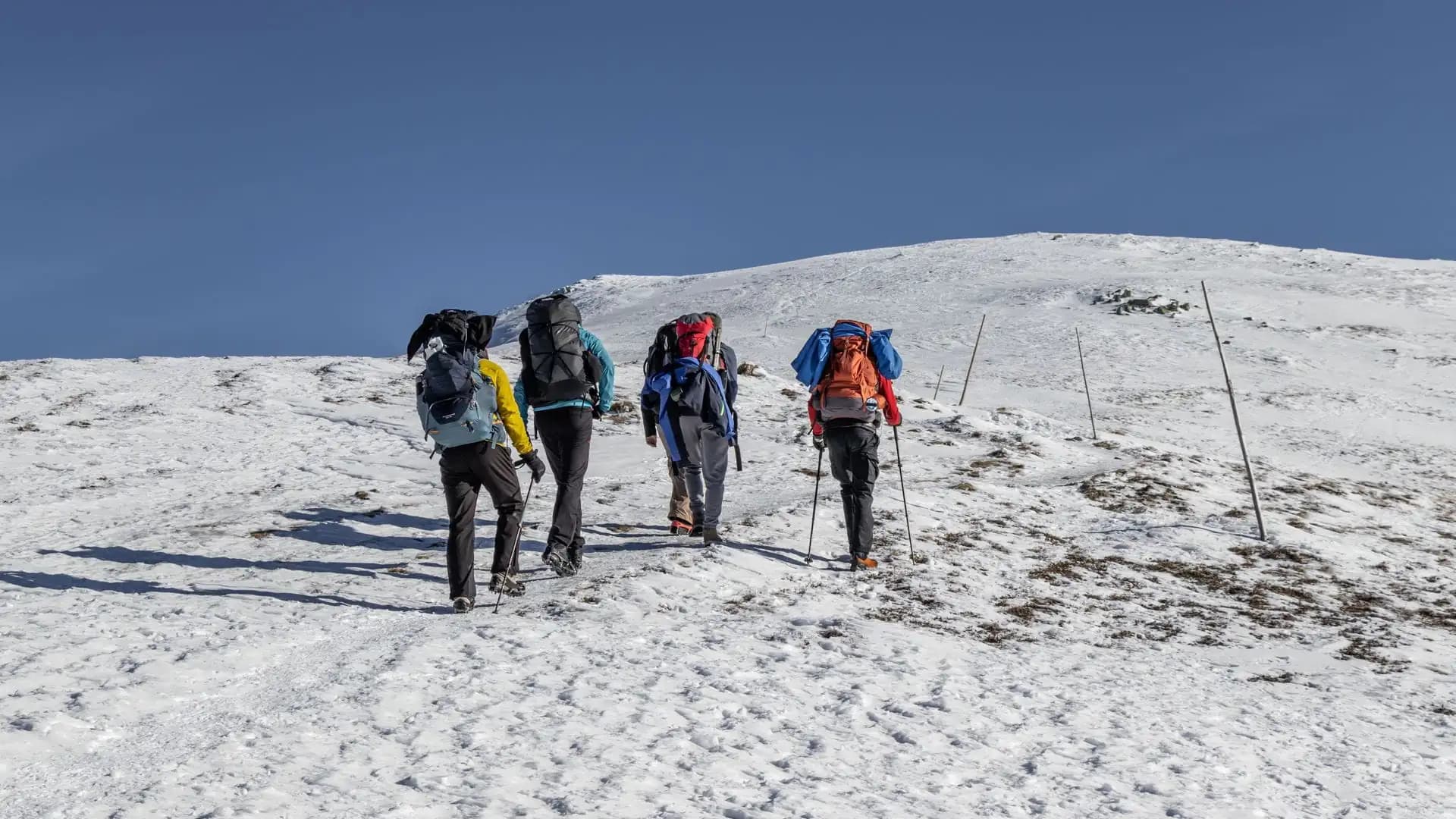
Manaslu Circuit Trek Packing List 2026: Complete Gear & Clothing Guide
Introduction to Manaslu Circuit Trek Packing List
The Manaslu Circuit isn't a weekend trek you can wing with whatever's already in your closet. You're covering roughly 177 kilometers over 12 to 18 days, climbing from a humid, subtropical 700 meters near Soti Khola to the wind-scoured 5,106-meter Larkya La Pass, through a genuinely restricted region with no road access, limited resupply options, and stretches where the nearest proper shop is days behind you. What you pack — and just as importantly, what you leave out — directly shapes how much you enjoy this trek versus how much you endure it.
This guide is built specifically around Manaslu's route, altitude range, and restricted-area logistics, not a generic Nepal trekking template. It covers exactly what to bring, how much your porter can realistically carry, and where to fill gaps with Kathmandu's rental shops rather than checked luggage from home.
Quick Answer: The Master Packing List Overview
Category | Key Items |
|---|---|
Layering (top) | Base layer, fleece/insulating mid-layer, down jacket, waterproof shell |
Layering (bottom) | Base layer, trekking trousers, waterproof/windproof outer layer |
Footwear | Broken-in waterproof trekking boots, camp shoes, wool trekking socks |
Sleeping | Sleeping bag rated to at least -15°C to -20°C |
Headwear/Hands | Warm hat, sun hat, insulated gloves, liner gloves, buff |
Bags | Duffel bag (60–80L) for your porter, daypack (25–35L) for yourself |
Trail essentials | Headlamp, trekking poles, sunglasses (UV protection), water treatment |
Documents | Passport, RAP/MCAP/ACAP permits, insurance details, spare passport photos |
Health | First aid kit, personal medication, altitude sickness awareness, sun protection |
Cash | Nepali rupees — no ATMs beyond the lower trail |
Understanding the Temperature Range You're Packing For
The Manaslu Circuit's defining packing challenge is its altitude range — you'll start in genuinely hot, humid lowland conditions and finish in near-arctic cold at the pass, often within the same week.
Location | Altitude | Typical Daytime Temp | Typical Nighttime Temp |
|---|---|---|---|
Soti Khola/Machha Khola | 700–900 m | 20–28°C | 12–18°C |
Jagat/Philim | 1,300–1,570 m | 18–24°C | 12–16°C |
Namrung/Lho | 2,600–3,180 m | 12–18°C | 4–10°C |
Samagaon | 3,520 m | 8–14°C | 0–6°C, colder in late autumn and winter |
Dharamsala/Larkya Phedi | 4,460 m | 4–8°C | -2°C to -10°C, depending on season |
Larkya La Pass | 5,106 m | 0–5°C at crossing time | -6°C to -20°C in winter conditions |
These figures reflect the two recommended trekking seasons (spring and autumn). If you're trekking in winter, shift every figure above colder by roughly 5–10°C at elevation; if in monsoon, expect warmer but persistently wet lowland conditions and still-cold, occasionally snowy conditions at Dharamsala and the pass.
The Layering System: Your Core Packing Strategy
Given how dramatically temperature swings across this route — sometimes within a single trekking day — a proper three-layer system matters more here than almost any single "best" piece of gear.
Base layer: A moisture-wicking, close-fitting layer (merino wool or synthetic, never cotton) that manages sweat during exertion and dries quickly during rest stops.
Mid layer: An insulating layer — fleece or a light synthetic/down jacket — added and removed throughout the day as your exertion level and the trail's altitude shift.
Outer layer: A waterproof, windproof shell that blocks precipitation and, just as importantly, the sharp wind that picks up above the tree line and especially on the exposed approach to Larkya La.
This system handles the full range from a warm, humid morning near Jagat through to a pre-dawn, sub-zero pass crossing, without requiring a separate wardrobe for each condition.
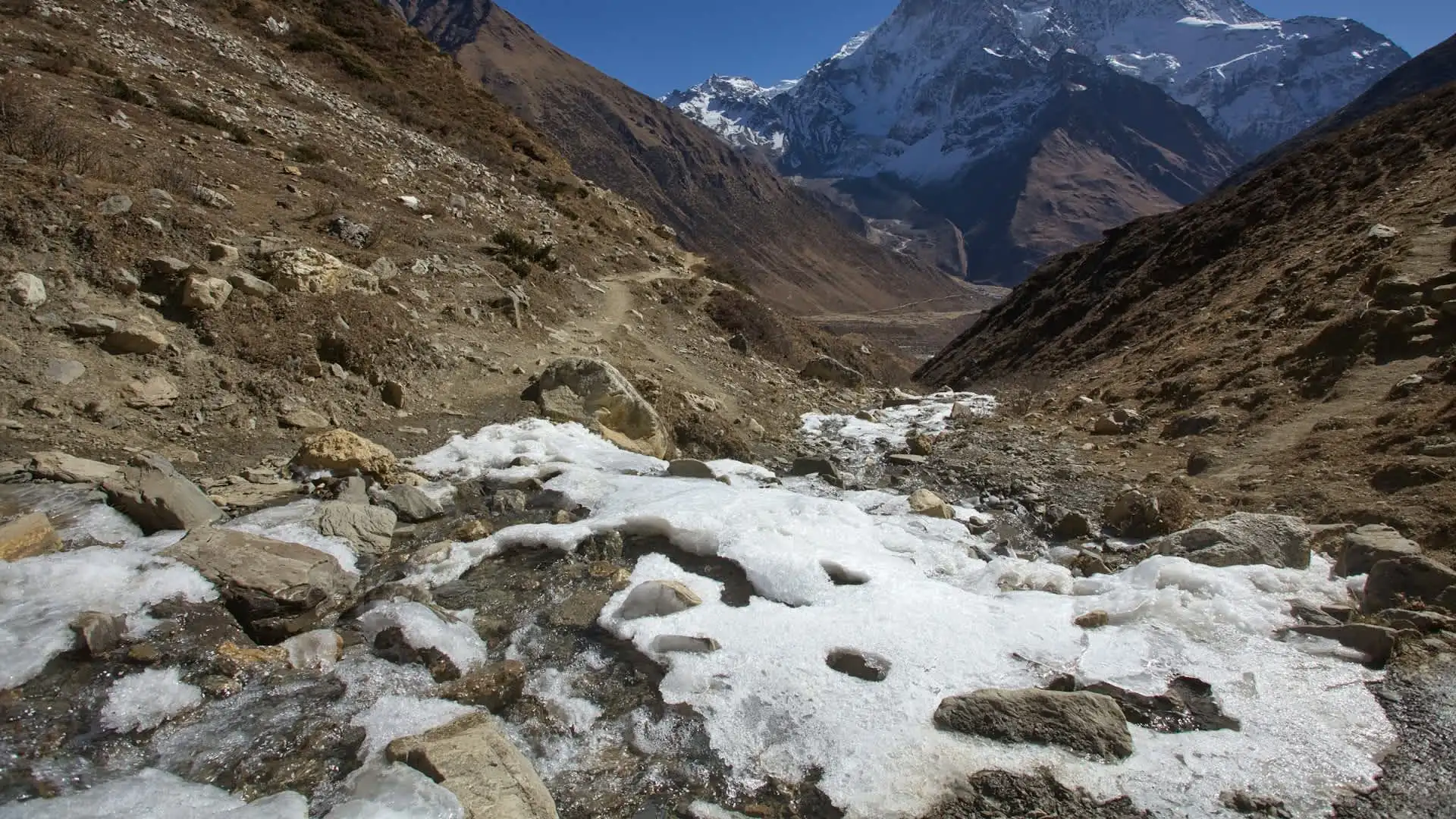
Full Clothing Packing List
Item | Quantity | Notes |
|---|---|---|
Moisture-wicking base layer (top) | 2–3 | Merino wool or synthetic; avoid cotton entirely |
Thermal base layer (bottom/leggings) | 1–2 | Essential for Samagaon, Dharamsala, and the pass crossing |
Fleece or light insulating mid-layer | 1–2 | Worn over your base layer through the mid-altitude villages |
Down jacket (rated for sub-zero temperatures) | 1 | Non-negotiable for Dharamsala and Larkya La |
Waterproof, windproof outer shell (jacket) | 1 | Also your main wind barrier on the exposed pass approach |
Waterproof, windproof outer shell (trousers) | 1 | Particularly useful in shoulder season or monsoon |
Trekking trousers (quick-dry, non-cotton) | 2 | Convertible/zip-off styles handle the trek's wide temperature range well |
Trekking shirts (moisture-wicking) | 2–3 | For the warmer lower and mid-altitude sections |
Warm hat/beanie | 1 | For Samagaon upward |
Sun hat or cap | 1 | For the hot lower valley sections |
Buff or neck gaiter | 1 | Doubles as wind and dust protection |
Insulated gloves | 1 pair | For Dharamsala and the pass |
Liner gloves | 1 pair | For dexterity without exposing bare skin to cold |
Underwear | 6–8 pairs | Moisture-wicking recommended, given limited laundry access on a trek this long |
Trekking socks (wool blend) | 5–6 pairs | Heavier weight for higher, colder stages |
Liner socks | 2–3 pairs | Reduces blister risk over a trek with this many consecutive walking days |
Footwear
Item | Notes |
|---|---|
Trekking boots | Waterproof, mid-to-high ankle support, and properly broken in — this is a genuinely long trek to discover a blister problem on |
Camp shoes/sandals | For evenings at teahouses, letting boots and feet dry out overnight |
Gaiters | Useful for muddy lower sections (particularly in shoulder season or monsoon) and for snow near the pass in colder months |
Microspikes | Strongly recommended for November through March crossings of Larkya La, when the approach above Dharamsala can be icy; generally unnecessary during peak dry-season months |
Sleeping Gear
Item | Notes |
|---|---|
Sleeping bag | Rated to at least -15°C to -20°C — noticeably warmer-rated than what's needed for shorter, lower-altitude treks, given how cold Dharamsala and the pass approach get overnight |
Sleeping bag liner | Adds warmth and hygiene value, particularly useful if renting a bag rather than bringing your own |
Inflatable travel pillow (optional) | Teahouse pillows vary considerably in quality along this route |
Teahouses provide blankets, but these supplement your own sleeping bag rather than replace it — particularly from Samagaon upward, where relying on blankets alone risks a genuinely uncomfortable, cold night.
Backpacks, Duffel Bags, and Porter Weight Limits
This is one of the most-asked and most inconsistently answered questions for this specific trek, so it's worth addressing directly rather than picking one number and hoping it's right.
Bag | Typical Capacity | Who Carries It | Typical Weight Limit |
|---|---|---|---|
Duffel bag | 60–80 liters | Your porter | Commonly 10–15 kg per trekker; some operators allow up to 18–20 kg, often shared between two trekkers per porter |
Daypack | 25–35 liters | You, every day | 5–8 kg recommended |
Why the range is wide: Different agencies set different porter weight policies, generally somewhere between 10 kg and 20 kg per duffel depending on whether porters are assigned one-to-one or shared between two trekkers. Rather than assume a specific figure, confirm your operator's exact limit before you start packing seriously, since it meaningfully affects how much you can bring in checked gear versus what you'll need to rent or leave behind.
Why the limit exists at all: Porter welfare organizations, including the International Porter Protection Group, have worked for years to establish and promote safe carrying-weight standards across Nepal's trekking regions, given how physically demanding this work is on narrow gorge trails and suspension bridges. Respecting your operator's stated limit isn't just a packing convenience — it's a genuine welfare issue for the person carrying your bag over Larkya La.
If you're not using a porter: Budget a 55–70 liter backpack and expect real weight discipline to matter, especially heading into the multi-hour Larkya La crossing day. Every kilogram you're on the fence about is one you'll personally carry over 5,106 meters, not just around your departure city.
What goes in the duffel vs. the daypack: Your duffel carries everything you won't need until reaching the next teahouse — sleeping bag, spare clothing, toiletries, non-daily gear. Your daypack carries the day's essentials: water, snacks, camera, an extra layer, sun protection, and anything irreplaceable (passport, permits, medication) that you don't want out of your own hands.
Essential Trail Gear and Accessories
Item | Why You Need It |
|---|---|
Headlamp with spare batteries | Essential for the pre-dawn Larkya La crossing, which typically starts around 3–4 a.m. on your itinerary's pass-crossing day; cold drains batteries faster than expected |
Trekking poles | Genuinely valuable on both the ascent to Larkya La and the long knee-jarring descent to Bimthang afterward |
Sunglasses with UV protection | UV exposure at altitudes above 4,000 m, especially with snow reflection near the pass, is intense even on cloudy days |
Water bottles or hydration bladder (2–3L capacity) | An insulated bottle helps prevent freezing during the pass crossing specifically |
Water purification tablets or filter | Reduces cost and plastic waste over a trek this long, where bottled water becomes progressively expensive and less available with altitude |
Dry bags or packing cubes | Protects gear from rain and organizes your duffel for quick access at each stop |
Small padlock | Useful for securing your duffel throughout the trek |
Power bank | Charging is limited, unreliable, and often paid for above Namrung |
Documents and Permits
Because Manaslu sits within a government-restricted region designated by Nepal's Department of Immigration, the documentation you carry is more involved than on non-restricted routes like Annapurna Base Camp or Poon Hill.
Document | Notes |
|---|---|
Original passport | Required at every checkpoint; photocopies alone aren't sufficient |
Restricted Area Permit (RAP) | Physical copy, arranged through your registered trekking agency |
Manaslu Conservation Area Permit (MCAP) | Physical copy |
Annapurna Conservation Area Permit (ACAP) | Required since the route exits through the Annapurna Conservation Area near Dharapani |
Travel insurance details | Should specifically cover high-altitude trekking and emergency evacuation, given the remoteness of this route |
Spare passport photos | Useful for any additional paperwork needs along the way |
For the full breakdown of permit costs, seasonal pricing, and the mandatory guide requirement specific to this restricted region, our Manaslu Circuit Trek permit guide covers everything you need before you even start packing.
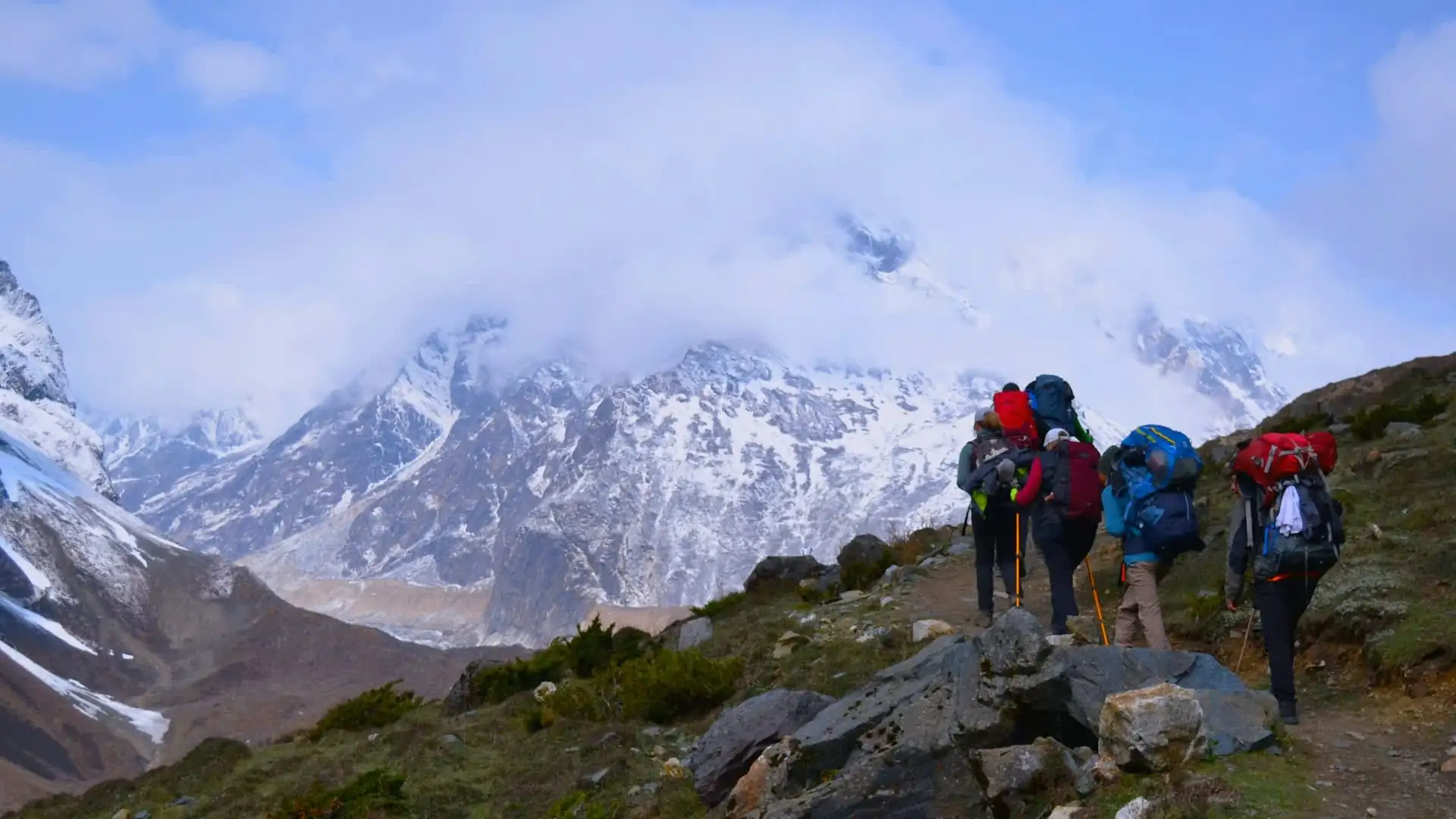
Toiletries and Personal Care
Item | Notes |
|---|---|
Sunscreen (high SPF) | Reapply frequently, particularly above Samagaon |
Lip balm with SPF | Wind and altitude dry and crack lips quickly on this route |
Biodegradable soap/hand sanitizer | Hygiene matters more on a trek this long and remote, where illness recovery is genuinely harder |
Toilet paper/wet wipes | Not reliably available at higher teahouses |
Quick-dry towel | Showers become basic and infrequent with altitude |
Basic toiletries | Travel-sized, to manage weight over a 12–18 day trip |
Menstrual products (if needed) | Bring a full trip's supply, since availability drops sharply with altitude |
Health and First Aid
Item | Notes |
|---|---|
Personal first aid kit | Blister care, adhesive bandages, antiseptic, and any personal prescription medication |
Diamox (acetazolamide) | Commonly used for altitude sickness prevention on treks reaching Larkya La's elevation; consult a doctor before your trip rather than self-prescribing on the trail |
Pain relief/anti-inflammatory | Useful for the headaches that are common, and usually mild, at altitude |
Rehydration salts | Helps manage hydration and appetite loss, both common above 3,500 m |
Hand sanitizer | Illness prevention matters considerably more this far from proper medical facilities |
Given how remote sections of this route genuinely are — multiple days from a hospital by trail, and further still if weather grounds a helicopter evacuation — a well-stocked personal kit and comprehensive travel insurance with evacuation coverage matter more here than on shorter, less remote treks.
Electronics, Connectivity, and Cash
Item | Notes |
|---|---|
Phone/camera | Keep batteries warm in an inner jacket pocket in cold conditions; cold drains charge dramatically faster |
Power bank | Charging availability thins out considerably above Namrung and is often a paid service where it exists |
Local SIM card | Purchase in Kathmandu before departure; connectivity becomes sparse or nonexistent through much of the upper valley |
Universal adapter (if traveling internationally) | Nepal uses Type C, D, and M sockets |
Cash in Nepali rupees | There are no ATMs beyond the lower trail — carry sufficient cash for the entire trek before you leave the roadhead, since teahouses, permit fees, and any extras are cash-only throughout |
This last point deserves particular emphasis: unlike shorter, more developed treks near Pokhara where ATMs remain accessible partway up the trail, Manaslu's restricted, remote nature means you need to carry all the cash you'll require for the full 12–18 days before you start walking.
Food and Snacks
Item | Notes |
|---|---|
Energy bars/trail mix | Useful supplements on the trek's longer walking days, particularly the Larkya La crossing itself |
Electrolyte powder/tablets | Helps maintain hydration and energy at altitude over a multi-week trek |
Tea bags or instant coffee (optional) | Teahouses serve both, but bringing a preferred brand is a small comfort some trekkers value on a trip this long |
Meals themselves are provided at teahouses along the entire route — dal bhat, noodles, soups, and basic breakfast options — so snacks are a genuine supplement rather than a primary food source.
Seasonal Packing Adjustments
Season | Additional Priorities | Items to De-emphasize |
|---|---|---|
Spring (March–May) | Rain shell for occasional showers, sun protection for warmer lower-valley days | Heaviest winter-rated gear generally unnecessary |
Autumn (September–November) | Warm layers for consistently cold, clear nights, especially by November | Minimal rain gear needed outside brief early-season showers |
Winter (December–February) | Heavier-rated sleeping bag, microspikes, extra insulating layers for a considerably colder Larkya La | Lightweight summer trekking clothing |
Monsoon (June–August) | Full waterproofs, leech socks or repellent for the lower forested gorge sections, quick-dry everything | Down jacket still needed at altitude, but less critical for the lower, warmer trail sections |
Season affects your packing considerably more on Manaslu than on shorter, lower-altitude treks, given how much time you'll spend both in the hot lower gorge and the genuinely cold upper valley regardless of when you go. If you're deciding when to trek in the first place, our best time for Manaslu Circuit Trek guide is worth reading alongside this packing list, since your season choice directly shapes several of the decisions above.
Common Packing Mistakes on the Manaslu Circuit
Overpacking mistakes:
Bringing multiple heavy jackets instead of a proper three-layer system.
Packing a full-size toiletry kit rather than travel-sized versions for a trip already running 12–18 days.
Exceeding your operator's porter weight limit without checking it first, then scrambling to leave gear behind at the trailhead.
Bringing entertainment items (books, tablets) that add unnecessary weight relative to how little downtime you'll realistically have.
Underpacking mistakes:
Assuming Kathmandu or the lower trail's warm temperatures represent conditions at Dharamsala and Larkya La.
Packing a headlamp with weak batteries, or none at all, for the pre-dawn pass crossing.
Not carrying enough cash, forgetting that ATMs disappear entirely once you're past the lower trail.
Skipping microspikes for a late-autumn, winter, or early-spring crossing, when icy conditions above Dharamsala genuinely warrant them.
Underestimating how much colder Larkya La feels compared to Samagaon, despite the altitude difference being over 1,500 meters — a gap easy to underestimate on paper.
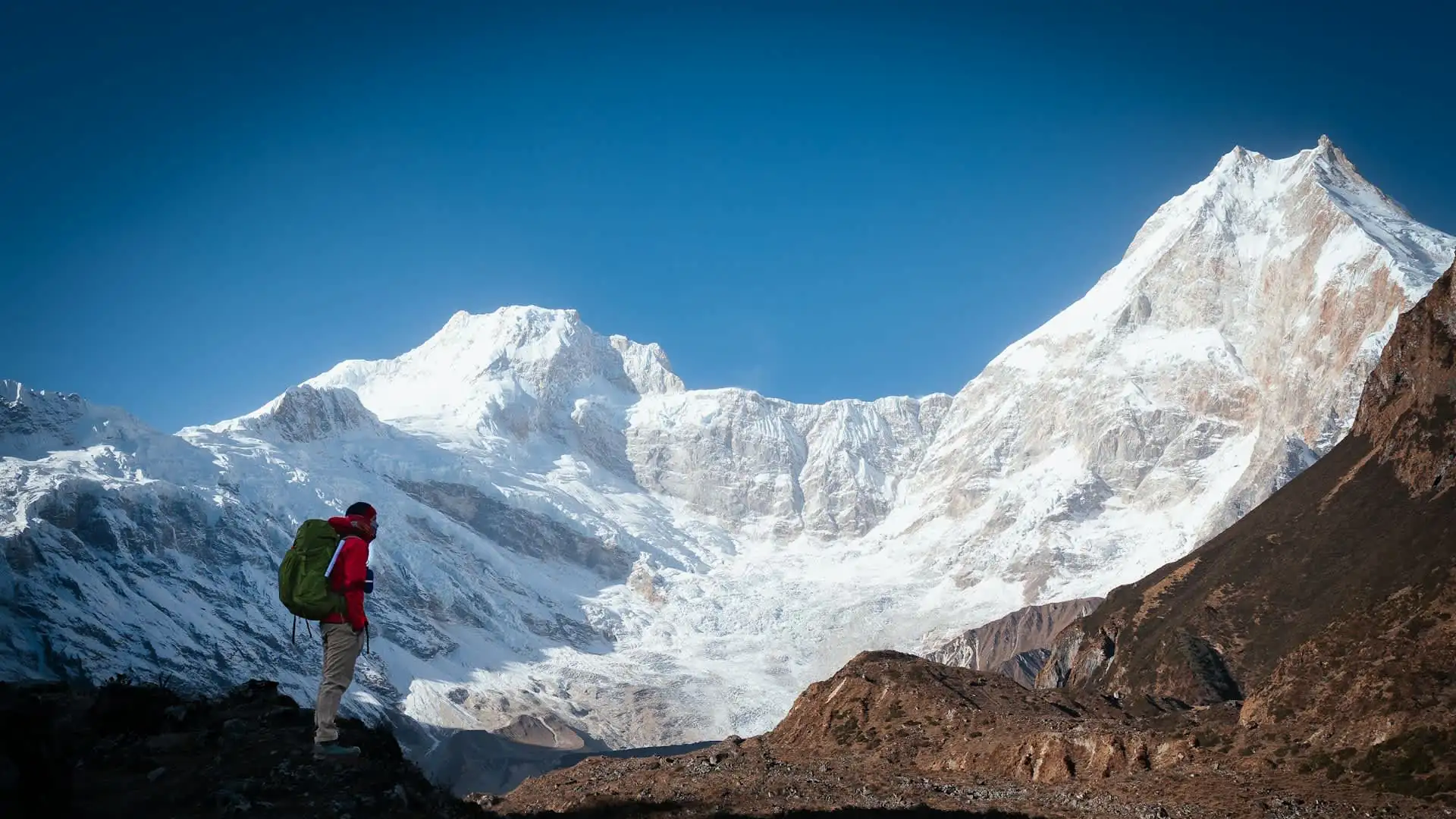
Renting vs. Buying Gear in Kathmandu
Since Manaslu treks start from the Kathmandu side rather than Pokhara, Thamel — Kathmandu's main trekking and tourist district — is where most trekkers fill any packing gaps before heading to the trailhead. For a full breakdown of the drive out to the trailhead itself, our Manaslu Circuit Trek starting point guide covers current road access and travel time from Kathmandu.
Item | Typical Rental Cost (Per Day) |
|---|---|
Down jacket | USD 1–3 |
Sleeping bag (cold-rated) | USD 1–3 |
Trekking poles (pair) | USD 0.50–1 |
Duffel bag | USD 0.50–1 |
Given that Manaslu is a considerably longer trek than most other options in Nepal, and your gear needs to perform across a wider temperature range for a longer stretch of days, it's worth inspecting rental gear carefully for cleanliness, working zippers, and genuine warmth rating before committing — a compromised sleeping bag matters far more over 12–18 days than over a shorter 5-day trek. If you're budgeting rental or purchase costs alongside the rest of your trip, our Manaslu Circuit trekking cost guide breaks down gear, permits, guide, and teahouse costs together so you can see the full picture in one place.
Planning Your Manaslu Circuit Packing with Adventure Life Nepal
We provide every Manaslu Circuit trekker who books with us with a detailed, trek-specific checklist tailored to your exact season and itinerary length, and we'll confirm our current porter weight policy with you directly during booking, since — as covered above — this genuinely varies by operator and is worth locking in before you start packing rather than discovering at the trailhead. If you're deciding what to bring versus rent in Kathmandu, particularly for the two heaviest, most weather-critical items (your down jacket and sleeping bag), that's a conversation worth having with us ahead of time. For the training and physical preparation side of getting ready for a trek this long and demanding, our Manaslu Circuit Trek preparation and training guide is worth pairing with this packing list well before your departure date.
FAQs about Packing List for Manaslu Circuit
1. What is the most important item to pack for the Manaslu Circuit? A proper three-layer clothing system — moisture-wicking base layer, insulating mid-layer, and waterproof/windproof shell — matters more than any single item, given how dramatically temperature swings across this route's full altitude range.
2. How cold does it get on the Manaslu Circuit Trek? Nighttime temperatures at Dharamsala (4,460 m) and Larkya La (5,106 m) commonly range from -2°C to -10°C in peak season, dropping considerably colder in winter, sometimes to -20°C or below.
3. What's the porter weight limit on the Manaslu Circuit? This varies by operator, typically somewhere between 10 and 20 kg per trekker's duffel. Confirm the exact figure with your agency before packing, since it directly affects how much gear you can bring versus rent or leave behind.
4. Do I need microspikes for the Manaslu Circuit? Generally not necessary during peak dry-season months (October, spring), but strongly recommended for November through March crossings, when the approach above Dharamsala can be icy.
5. Can I get cash from an ATM along the Manaslu trail? No. There are no ATMs beyond the lower roadhead — carry all the Nepali rupees cash you'll need for the entire 12–18 day trek before you begin.
6. What sleeping bag rating do I need for Manaslu? At least -15°C to -20°C, noticeably warmer-rated than what's sufficient for shorter, lower-altitude treks, given how cold Dharamsala and Larkya La get overnight.
7. Can I rent gear in Kathmandu instead of bringing my own? Yes. Thamel has an established rental market for down jackets, sleeping bags, trekking poles, and duffel bags, typically USD 0.50–3 per item per day.
8. How many days of clothing should I pack for a 12–18 day trek? You don't need a fresh outfit daily — 2–3 trekking shirts and trousers, rotated and layered, is standard, since laundry facilities are limited throughout the route, particularly above the mid-valley villages.
9. Do I need a specific kind of daypack for Manaslu? A 25–35 liter daypack with a proper hip belt is recommended, since you'll be wearing it for 5–8 hour days, including the demanding, multi-hour Larkya La crossing.
10. Is Wi-Fi or phone charging available along the trek? Both become increasingly sparse and often paid above Namrung, and largely unavailable through much of the upper valley — a local SIM card and a power bank are worth carrying, but don't expect reliable connectivity throughout.
11. What documents do I need to carry while trekking, beyond my passport? Physical copies of your Restricted Area Permit (RAP), Manaslu Conservation Area Permit (MCAP), and Annapurna Conservation Area Permit (ACAP), since all three are required and checked at various points along this restricted route.
12. Should I pack differently for spring versus autumn on Manaslu? The core gear list stays largely the same, though autumn generally runs slightly colder by November, while spring can bring more variable rain — a waterproof shell is worth prioritizing more heavily for spring departures.
13. What's the biggest packing mistake first-time Manaslu trekkers make? Underestimating how much colder Dharamsala and Larkya La are compared to the lower and mid-valley villages, leading to insufficient cold-weather layers for the trek's final, most demanding days.
14. Do I need a water filter, or is bottled water available throughout? Bottled water is available at teahouses but becomes increasingly expensive and less reliably stocked with altitude. A water purification tablet or filter is a practical, cost-effective addition over a trek this long.