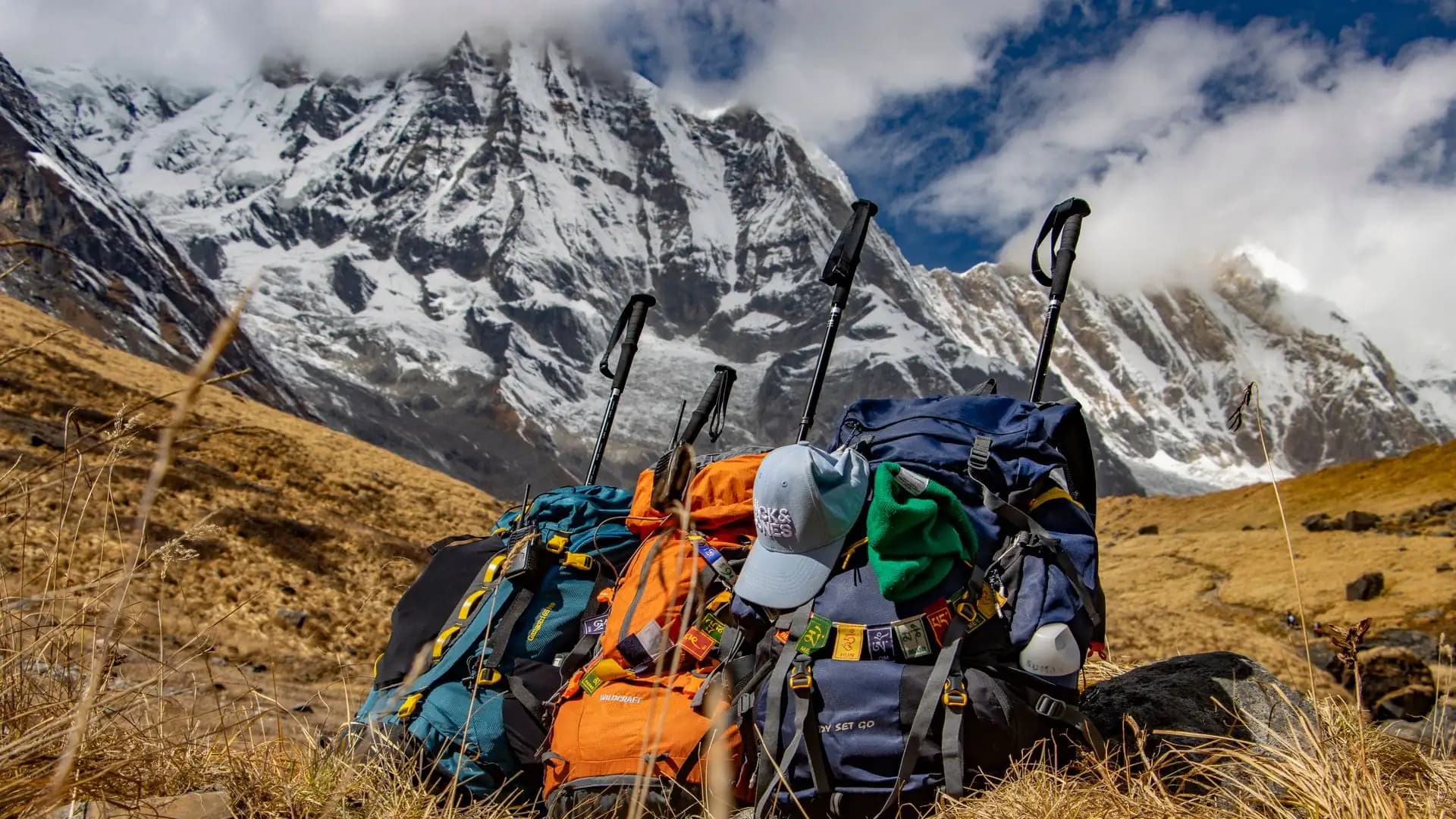
Manaslu Circuit Trek Preparation and Training 2026: Complete Guide
Introduction to Manaslu Circuit Trek Preparation and Training
Preparing for the Manaslu Circuit Trek means addressing five separate categories well before departure: physical fitness, gear, permits and documentation, health logistics, and mental readiness for a genuinely remote, high-altitude trek that reaches 5,106 meters at Larkya La Pass.
Because Manaslu is more remote than the Annapurna Circuit or Everest Base Camp — with more limited infrastructure, fewer rescue and resupply options, and a restricted-area permit system requiring advance planning — thorough preparation matters more here than on Nepal's more established routes. This guide walks through exactly how to prepare, starting three months out and narrowing down to final checks in the week before departure.
Manaslu Circuit Preparation at a Glance
Preparation area | Timeline to start | Key focus |
|---|---|---|
Physical fitness training | 10–12 weeks before | Cardio endurance, leg strength, sustained multi-day exertion |
Gear acquisition | 6–8 weeks before | Boots broken in, cold-weather layering system for extreme altitude |
Permits and documentation | 6–8 weeks before | RAP, MCAP, ACAP arranged through a registered agency |
Health preparation | 4–6 weeks before | Vaccinations, altitude medication consultation, medical/dental check |
Final logistics | 1–2 weeks before | Packing, currency, gear checks, itinerary confirmation |
Trek itself | 11–18 days | Pacing, hydration, altitude awareness, guide communication |
Why Manaslu Demands More Preparation Than Some Other Nepal Treks
It's worth being direct about this: Manaslu isn't simply a longer version of the Annapurna Base Camp trek. Three factors specifically raise the preparation bar:
Greater remoteness. The route has more limited road access, fewer teahouse options in places, and considerably less-developed emergency evacuation infrastructure than the Annapurna Circuit or Everest Base Camp, meaning issues that could be managed relatively easily elsewhere carry higher stakes here.
Higher, more serious altitude. Larkya La Pass at 5,106 meters sits well above the altitude threshold where genuine acclimatization discipline matters, and the trek's overall pacing has less built-in flexibility to compress without meaningfully increasing risk.
A restricted-area permit system. Unlike the Annapurna Circuit's single ACAP permit, Manaslu requires the Restricted Area Permit (RAP), Manaslu Conservation Area Permit (MCAP), and Annapurna Conservation Area Permit (ACAP) — all of which must be arranged through a registered trekking agency well in advance, since the RAP specifically cannot be obtained independently.
None of this means Manaslu is inaccessible to reasonably fit, well-prepared trekkers — it simply means preparation should be treated as genuinely important rather than optional, across every category covered in this guide.
Understanding What You're Preparing For
Before diving into training specifics, it helps to have an accurate picture of the trek's real physical and logistical demands.
Trek characteristic | Reality |
|---|---|
Maximum elevation | 5,106 m (16,752 ft) at Larkya La Pass |
Typical duration | 11–18 days on the trail |
Total distance | Approximately 150–177 km (93–110 miles) |
Daily walking time | 5–8 hours typical, up to 8–10 hours on crossing day |
Technical climbing required | None |
Longest single day | The Larkya La crossing (Dharamsala to Bhimtang), 16–25 km |
Remoteness | Significant — more limited rescue/resupply infrastructure than Annapurna or Everest routes |
Guide requirement | Mandatory, with no exceptions |
The trek's core physical demand is sustained, multi-week exertion across increasingly high altitude, culminating in a single very long, very high-altitude crossing day — preparation should target exactly that pattern, not a single peak-effort day.
Physical Fitness Preparation: 10 to 12 Weeks Out
Start earlier than for a shorter trek. Given Manaslu's longer duration (typically 11 to 18 days) and higher final altitude compared to routes like Annapurna Base Camp, a 10-to-12-week training buildup is a more appropriate starting point than the 8 weeks sometimes recommended for shorter treks.
Core training components
Cardiovascular endurance. The foundation of Manaslu preparation. Activities that build sustained aerobic capacity — hiking, brisk walking, running, cycling, or stair climbing — for 45 minutes to over an hour, several times per week, translate directly to the trek's long daily walking demands.
Leg and core strength. Squats, lunges, step-ups, and calf raises build the muscular endurance needed for the trek's varied terrain, from riverside trails in the lower valley to the steep, sustained climb and descent around Larkya La.
Stair and hill training. Repeated stair climbing or hill training with a weighted daypack closely mimics the elevation gain sections of the route, particularly the climb from Namrung toward Samagaon and the final push to Dharamsala.
Back-to-back training days. Given the trek's genuinely sustained nature — 11 to 18 consecutive days of walking, much of it at meaningful altitude — training that includes consecutive-day exertion (even at a modest level) better prepares the body for the trek's actual demand pattern than isolated single-day training sessions.
Long-duration training hikes. At least one or two training hikes of 5 to 7 hours in the weeks before departure, ideally with some elevation gain and a loaded daypack, to specifically prepare for the extended Larkya La crossing day.
Sample 12-week training progression
Week | Focus | Example activity |
|---|---|---|
1–2 | Base cardio building | 3–4 sessions/week, 30–45 min brisk walking or light jogging |
3–4 | Add hill/stair work | 2 cardio sessions + 2 stair/hill sessions weekly |
5–6 | Increase duration | Extend sessions to 60–90 min; introduce weighted daypack |
7–8 | Longer hikes | 1 long hike (4–6 hours) weekly with daypack |
9–10 | Peak training | Longest hikes of the plan (6–7 hours), including a back-to-back weekend |
11 | Continued peak, add altitude simulation if accessible | Stair machine sessions, longer hikes if local terrain allows |
12 (final week before departure) | Taper | Reduce volume significantly; light activity only, focus on rest |
The taper matters. Arriving at the trailhead fatigued from a heavy final week of training is a genuinely common and avoidable mistake. The last week before departure should involve noticeably less intense activity than the peak training weeks.
Who should consult a doctor before starting
Anyone with a pre-existing cardiovascular or respiratory condition
Trekkers over 50 without a recent history of regular cardio exercise
Anyone with a history of altitude-related illness on previous high-altitude trips
Trekkers managing any chronic health condition that could be affected by altitude, exertion, or remote travel away from advanced medical facilities
Given Manaslu's greater remoteness compared to more established treks, a pre-trip medical check-up is a genuinely worthwhile step for most trekkers, and this is also the right time to discuss altitude sickness medication (such as acetazolamide/Diamox) with a doctor, since starting such medication requires professional guidance rather than self-prescription based on trail advice.
Gear Preparation: 6 to 8 Weeks Out
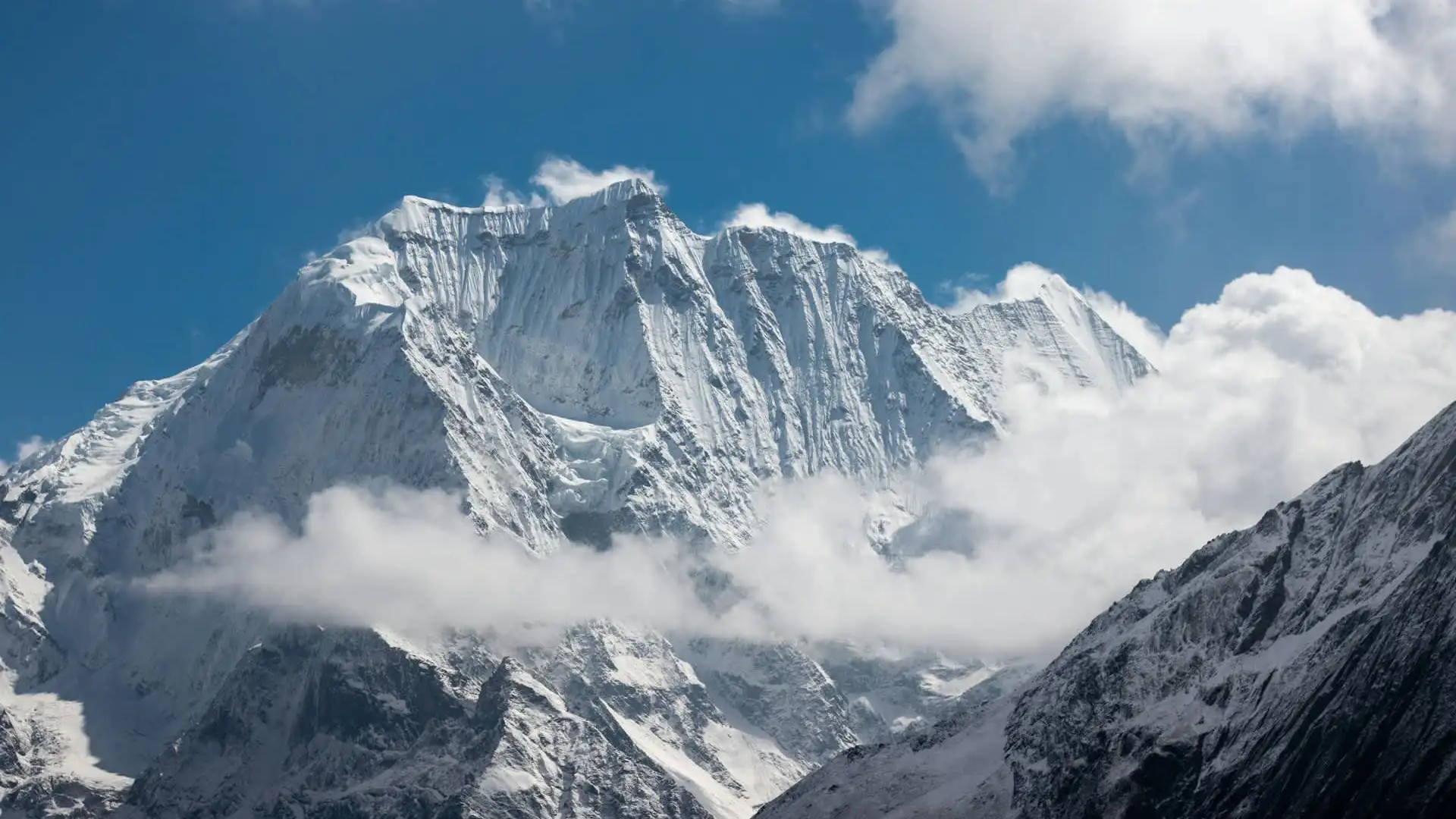
Because Manaslu spans an even wider elevation and temperature range than many other Nepal treks — from the subtropical lower Budhi Gandaki valley near Machha Khola (869–970 m) to the genuinely extreme cold of Larkya La (5,106 m) — a properly built layering system matters as much here as on any trek in Nepal.
The layering system
Layer | Purpose | Example items |
|---|---|---|
Base layer | Moisture-wicking, next to skin | Merino wool or synthetic thermal tops/bottoms |
Mid layer | Insulation | Fleece jacket, lightweight down or synthetic insulated jacket |
Outer layer | Wind and rain protection | Waterproof, breathable shell jacket and pants |
Cold-specific extras | Warmth at extreme altitude | Genuine expedition-weight down jacket, warm hat, insulated gloves, buff/neck gaiter, balaclava |
Given Larkya La's 5,106-meter elevation and the pre-dawn crossing typical of this route, cold-weather gear should be treated with the same seriousness as on the Annapurna Circuit's Thorong La crossing or higher — this is not a trek where moderate cold-weather gear is sufficient.
Footwear: the single most important gear decision
Boots deserve more preparation time than any other item on the packing list, particularly given the trek's genuinely varied terrain — riverside trails, forest sections, high alpine terrain, and a demanding descent from the pass. Boots should be broken in well before departure through multiple training hikes of increasing length and difficulty, since new, unbroken boots are one of the most common causes of trek-disrupting blisters.
Footwear item | Purpose |
|---|---|
Broken-in trekking boots (genuine ankle support) | Primary footwear for all trekking days, including the demanding pass crossing |
Wool hiking socks (multiple pairs) | Moisture management, blister prevention |
Camp shoes or sandals | Comfort at teahouses in the evening |
Gaiters | Recommended given genuine snow possibility near Larkya La, even in spring/autumn |
Full gear checklist
Category | Items |
|---|---|
Sleep | Sleeping bag rated to at least -15°C to -20°C, given Dharamsala's altitude and basic facilities |
Sun protection | Sunglasses/glacier glasses, high-SPF sunscreen, lip balm with SPF, sun hat |
Trekking gear | Trekking poles, headlamp with spare batteries, daypack (25–35L given the trek's longer duration) |
Health/hygiene | Basic first-aid kit, personal medications, water purification tablets or filter, hand sanitizer |
Electronics | Power bank (higher capacity given more limited charging infrastructure), universal adapter |
Documents | Passport, permit copies (RAP, MCAP, ACAP), travel insurance details, small denomination Nepali rupees |
Miscellaneous | Trekking towel, earplugs, snacks from home, reusable water bottle |
Trekking poles deserve specific emphasis given the trek's substantial elevation changes, particularly the long, demanding descent from Larkya La to Bhimtang, which drops significantly in a single push and is genuinely hard on the knees.
Buy, bring, or rent?
Item type | Best approach |
|---|---|
Trekking boots | Bring from home, well broken in |
Expedition-weight down jacket | Bring from home if you own quality gear; otherwise rent in Kathmandu |
Sleeping bag (rated for genuine extreme cold) | Rent in Kathmandu if you don't already own appropriately rated gear |
Trekking poles | Bring or rent |
Duffel bag for porter | Rent or borrow |
Given Manaslu's remoteness, Kathmandu is the practical place to finalize all gear purchases or rentals before departure — unlike the Annapurna Circuit or Annapurna Base Camp treks, there's no equivalent to Pokhara's extensive gear-shop network along or near the Manaslu route itself.
Permits and Documentation: 6 to 8 Weeks Out
This is where Manaslu preparation genuinely differs from most other Nepal treks, and it deserves earlier attention than on routes with simpler permit systems.
What's required
Requirement | Cost (2026, foreign nationals) | Notes |
|---|---|---|
Restricted Area Permit (RAP) | $75–$100 for first 7 days + $10–$15/extra day (season-dependent) | Can only be obtained through a registered agency |
Manaslu Conservation Area Permit (MCAP) | NPR 3,000 (~$23–30) | Flat fee |
Annapurna Conservation Area Permit (ACAP) | NPR 3,000 (~$23–30) | Flat fee, required for the trek's final stretch |
Licensed guide | Mandatory, typically bundled into packages | No exceptions, enforced at checkpoints |
Nepal tourist visa | $30 (15 days) / $50 (30 days) / $125 (90 days) | Required for all non-Indian foreign nationals |
The critical preparation point: Because the RAP can only be obtained through a registered trekking agency, and because it requires advance processing time, booking your Manaslu Circuit trek and submitting the necessary documentation (passport copies, photos) at least 6 to 8 weeks before departure is genuinely important — this isn't a permit you can arrange spontaneously upon arrival in Kathmandu the way some other trek permits can be.
Documents to gather
Valid passport (with several months of remaining validity)
Passport-sized photos (typically 2–4 copies needed for permit processing across the three permits)
Travel insurance documentation with appropriate high-altitude and evacuation coverage
Emergency contact information for your guide/agency to hold on file
Travel insurance: even more essential given Manaslu's remoteness
Given Larkya La's 5,106-meter altitude and the route's genuinely limited rescue infrastructure compared to the Annapurna Circuit or Everest Base Camp, travel insurance with confirmed high-altitude trekking and emergency helicopter evacuation coverage is essential preparation, not optional.
Insurance coverage to confirm | Why it matters |
|---|---|
High-altitude trekking coverage (to at least 5,500–6,000 m) | Larkya La reaches 5,106 m; buffer coverage accounts for itinerary changes |
Emergency helicopter evacuation | The primary rescue method from this remote route |
Confirmed coverage for restricted areas | Some policies have specific exclusions or requirements for restricted-area trekking — verify explicitly |
Trip cancellation/interruption | Covers unexpected changes to flights, itinerary, or health |
Health Preparation: 4 to 6 Weeks Out
Vaccinations and general health
While no vaccinations are specifically mandated for entry into Nepal for most travelers, a pre-trip visit to a travel health clinic or your regular doctor 4 to 6 weeks before departure is a sound preparation step, since some vaccines require time to become effective and some require multiple doses spaced weeks apart.
This conversation is best had directly with a qualified travel medicine provider based on your individual health history and specific itinerary, rather than relying on generic online lists.
Altitude sickness preparation
Given Larkya La's genuine altitude (5,106 m) and the trek's more limited acclimatization buffer compared to longer treks, understanding Acute Mountain Sickness (AMS) before departure is a core preparation priority.
Key facts to internalize before you go:
AMS risk is driven far more by ascent rate than by general fitness level — a genuinely fit trekker who moves too fast is just as vulnerable as a less athletic trekker who paces themselves properly.
Early symptoms include headache, mild nausea, dizziness, loss of appetite, and disrupted sleep.
More severe forms — High Altitude Pulmonary Edema (HAPE) and High Altitude Cerebral Edema (HACE) — are life-threatening and require immediate descent.
Given Manaslu's greater remoteness, the practical response time to a genuine medical emergency may be slower than on more established, better-resourced routes — reinforcing why early symptom reporting matters even more here.
Discuss preventive medication with a doctor in advance. Acetazolamide (Diamox) is commonly used as a preventive measure for AMS, but it requires a prescription and professional guidance on dosing and timing — this conversation should happen with a doctor weeks before departure.
AMS preparation step | When to do it |
|---|---|
Learn AMS symptoms and response protocol | Before departure — read up, don't learn on the fly |
Discuss preventive medication with a doctor | 4–6 weeks before departure |
Confirm your guide is trained in AMS recognition and current route conditions | When booking your trek |
Choose an itinerary length with a genuine Samagaon acclimatization day | At the booking stage — avoid overly compressed schedules |
Dental and general medical check
Given Manaslu's remoteness, a basic dental check-up before departure is a genuinely sensible step — dental and other minor medical issues are considerably harder to manage mid-trek on this route than on more accessible treks with established infrastructure.
Building Realistic Fitness Benchmarks
Rather than a vague goal of "getting fit," train toward specific, trek-relevant benchmarks that map directly onto Manaslu's actual demands.
Benchmark | Target before departure |
|---|---|
Comfortable walking duration | Able to walk 6–8 hours continuously with a light daypack |
Stair/hill climbing | Able to climb sustained stairs or hills for 45–60+ minutes without excessive strain |
Longest training hike completed | At least one or two hikes of 5–7 hours with elevation gain, ideally with a loaded daypack |
Consecutive-day recovery | Able to repeat moderate-to-significant exertion on consecutive days without excessive lingering fatigue |
That last benchmark deserves particular emphasis for Manaslu specifically, given the trek's length (11 to 18 consecutive days) — training that includes back-to-back exertion days more accurately prepares the body for the trek's real demand pattern than isolated single-day sessions.
Mental and Practical Preparation
Understand and accept Manaslu's genuine remoteness
Unlike the Annapurna Circuit or Everest Base Camp, where road development and decades of tourism have built out considerable infrastructure, Manaslu remains genuinely remote. Mental preparation for this reality — accepting that amenities, connectivity, and emergency response capability are all more limited than on Nepal's more established routes — is a real part of trek readiness, distinct from physical training.
Understand the teahouse system
Knowing in advance that teahouse rooms are frequently offered free or heavily discounted on the condition that trekkers eat all their meals at that same lodge prevents confusion on the trail — the same standard arrangement found across Nepal's trekking regions, managed automatically by your guide.
Understand what facilities are genuinely available (and aren't)
Facility | Availability |
|---|---|
Hot showers | Common at lower stops; increasingly limited above Samagaon |
Wi-Fi | Less consistently available than on the Annapurna Circuit or Everest Base Camp, particularly above Samagaon |
Device charging | Available at most lower stops for a fee; more limited and solar-dependent higher up |
Menu variety | Extensive lower down; noticeably limited approaching Samdo and Dharamsala |
Mobile signal | Present in lower villages, patchy to absent in the upper Nupri region |
Arriving with accurate expectations about Manaslu's more limited infrastructure — genuinely less developed than the Annapurna Circuit's — meaningfully improves the actual trekking experience.
Mental preparation for the Larkya La crossing day
The crossing day (Dharamsala to Bhimtang) is consistently the longest and most demanding single day of the trek, often taking 8 to 10 hours and covering 16 to 25 kilometers at extreme altitude. Mentally preparing for a genuinely long, cold, pre-dawn day — rather than expecting it to feel like earlier, gentler stages — is a useful frame to adopt before you're actually on that stretch of trail.
Food and Hydration Preparation
Building trail-appropriate eating habits before you go
Dal bhat remains the best value and most practical fuel throughout the trek, typically offered with unlimited refills. Given Manaslu's greater remoteness, meal prices run somewhat higher than on the Annapurna Circuit, particularly above Samagaon — mentally and financially preparing for this in advance avoids unwelcome surprises.
Hydration planning
A reasonable target is 3 to 4 liters of water daily above 3,000 meters, given increased fluid loss through breathing alone at altitude. Carrying a reusable water bottle alongside a purification method — rather than relying entirely on purchased bottled water, which becomes increasingly expensive at higher, more remote villages — is a practical, cost-effective preparation choice.
Hydration/food prep item | Why it matters |
|---|---|
Water purification method (tablets/filter) | Reduces cost of bottled water, which rises sharply with altitude and remoteness on this route |
Reusable water bottle | Practical daily-use item throughout the trek |
High-calorie snacks brought from home | Useful supplement, particularly on the longer, higher-altitude days |
Mental readiness to eat more than usual | Counters altitude-related appetite suppression |
Financial Preparation
Budgeting realistically
A guided Manaslu Circuit package typically runs $700 to $1,536+ per person, with permits alone representing $150 to $265 of that total depending on season. Beyond the package cost, trekkers should budget separately for:
Extra cost category | Typical range |
|---|---|
Hot showers, Wi-Fi, charging (daily incidentals) | $15–$25/day |
Tips for guide and porter | $100–$300+ combined, standard practice |
Nepal visa fee | $30–$125 depending on duration |
Travel insurance | $50–$150+ depending on coverage and trip length |
Personal gear purchases/rentals | Variable |
Currency preparation
Carrying sufficient Nepali rupees in small denominations before heading to Machha Khola or Soti Khola is a genuinely important preparation step, given that ATMs and card payment options are even less reliable on this route than on the Annapurna Circuit or Everest Base Camp. Withdrawing or exchanging cash in Kathmandu before departure, rather than assuming access to funds along the route, avoids a genuinely common and avoidable inconvenience.
Final Two Weeks: Logistics Checklist
Task | Timing |
|---|---|
Confirm final itinerary, permits, and guide details with your agency | 2 weeks before |
Complete final gear check — try on full layering system together | 2 weeks before |
Withdraw/exchange sufficient Nepali rupees | Upon arrival in Kathmandu |
Confirm travel insurance documentation is accessible (digital and printed copy) | 1–2 weeks before |
Pack, weighing bags against any porter weight limits your agency specifies | 3–5 days before |
Taper physical training significantly | Final week |
Confirm arrival day and buffer day in Kathmandu for final permit processing | 3–5 days before |
Get a good night's sleep before the long drive to the trailhead | Night before |
A Note on Preparing Mentally for Remoteness, Not Just Altitude
A genuinely common gap in Manaslu preparation is focusing entirely on altitude while underestimating the mental adjustment needed for the trek's overall remoteness — longer stretches without reliable connectivity, more basic facilities in the upper villages, and a genuinely longer, rougher road journey just to reach the trailhead.
mentally for this distinct experience, separate from pure physical and altitude readiness, helps trekkers approach the trek's genuinely different character with the right expectations from day one.
Mindset shift | Why it helps |
|---|---|
"This route is more remote than Everest Base Camp or the Annapurna Circuit, and that's part of the appeal" | Sets realistic expectations for infrastructure and connectivity |
"The long drive to the trailhead is part of the journey, not a hurdle to rush through" | Reduces frustration with the genuinely long approach |
"Slower pacing at altitude is normal, not a failure" | Reduces frustration when pace naturally slows above 3,500 m |
"Symptoms are information, not weakness" | Encourages honest communication with your guide about how you're feeling |
Preparing for What Comes After the Trek
A small but genuinely useful piece of preparation many trekkers overlook: planning for the long drive back to Kathmandu and the day or two immediately following. Legs are typically fatigued from the demanding descent through Bhimtang, and the return road journey itself is long — building in a rest day in Kathmandu before continuing onward, rather than immediately jumping into another demanding activity, is a small preparation decision that meaningfully improves how the trip feels in its final days.
FAQs about Manaslu Circuit Trek Preparation and Training
How fit do I need to be for the Manaslu Circuit Trek? Good general fitness is required — regular cardio exercise for 10 to 12 weeks before departure, combined with stair or hill training and at least one or two long training hikes, prepares most reasonably healthy adults adequately.
How long before the trek should I start training? Ideally 10 to 12 weeks, with a gradual buildup in duration and intensity followed by a taper in the final week before departure.
What's the single most important piece of gear to prepare in advance? Broken-in trekking boots, combined with a genuinely serious cold-weather layering system given Larkya La's extreme 5,106-meter altitude.
How far in advance do I need to arrange my permits? At least 6 to 8 weeks before departure is advisable, since the Restricted Area Permit can only be obtained through a registered agency and requires advance processing.
Do I need to worry about altitude sickness on this trek? Yes, genuinely — Larkya La's 5,106-meter altitude carries real AMS risk, and understanding symptoms and response protocol before departure is essential preparation, along with choosing an itinerary with a proper Samagaon acclimatization day.
Should I get vaccinated before traveling to Nepal for this trek? Consult a doctor or travel health clinic 4 to 6 weeks before departure — recommendations vary by individual health history and travel details.
How much cash should I bring, and in what form? Carry sufficient Nepali rupees in small denominations, withdrawn or exchanged in Kathmandu before departure, given that ATMs and card payments are even less reliable on this remote route than on more established treks.
Is travel insurance really necessary for this trek? Yes, essential — given Larkya La's altitude and the route's genuinely limited rescue infrastructure, insurance with confirmed high-altitude and emergency helicopter evacuation coverage is non-negotiable.
What should my final week of training look like before departure? Significantly reduced intensity compared to your peak training weeks — a genuine taper, so you arrive rested rather than fatigued for the long drive and trek ahead.
Do I need to buy all new gear for this trek? No. Bring well-fitted, broken-in items you already own (particularly boots and quality cold-weather layers), and rent items you don't own (expedition-weight sleeping bags, trekking poles, duffel bags) in Kathmandu before departure.
How is preparing for Manaslu different from preparing for the Annapurna Circuit? The core physical and gear preparation is similar, but Manaslu requires earlier permit planning (given the RAP's agency-only, advance-processing requirement), somewhat more serious cold-weather gear consideration, and greater mental readiness for the route's overall remoteness and more limited infrastructure.
How should I prepare mentally for the altitude-related slowdown I'll experience? Understand in advance that slower pacing at altitude, particularly from Samagaon onward, is normal and expected — this mental reframing helps trekkers respond to genuine altitude effects with patience rather than frustration.
Do I need prior high-altitude trekking experience for Manaslu? Not strictly required for the standard 12-to-14-day itinerary with proper acclimatization, but prior experience at altitude is genuinely helpful and specifically recommended for trekkers considering the more compressed itinerary options.
What's different about Manaslu's permit preparation compared to other treks? Manaslu requires three separate permits (RAP, MCAP, ACAP), and the RAP specifically can only be obtained through a registered agency with advance processing time — unlike the Annapurna Circuit's single ACAP, which can be arranged more quickly closer to departure.
How should I prepare financially for this trek's costs? Budget for the guided package ($700–$1,536+), permits ($150–$265, already often included in the package), visa ($30–$125), travel insurance ($50–$150+), tips ($100–$300+), and daily incidentals ($15–$25/day) — and confirm exactly what your specific package includes before departure.
Is a pre-trip medical check-up necessary? It's genuinely worthwhile given Manaslu's remoteness, particularly for trekkers over 50, those with any pre-existing health conditions, or anyone with a prior history of altitude sickness.
How should I train specifically for the Larkya La crossing day? Include at least one or two long training hikes of 5 to 7 hours with elevation gain and a loaded daypack in the weeks before departure, specifically to prepare for the trek's longest and most demanding single day.
What mental preparation matters beyond physical training? Genuine acceptance of the trek's remoteness — more limited connectivity, more basic facilities in the upper villages, and a longer, rougher approach journey than more established Nepal treks.
Should I discuss altitude sickness medication with a doctor before this trek? Yes, this is worth discussing 4 to 6 weeks before departure, given Larkya La's genuine altitude and the trek's comparatively limited acclimatization buffer relative to some longer, more gradually paced treks.
How does trek duration affect my preparation approach? Longer itineraries (16–18 days with Tsum Valley) benefit from slightly more sustained cardiovascular base fitness given the extended time commitment, while shorter, more compressed itineraries (10 days) demand stronger baseline fitness and prior altitude experience to safely manage the reduced acclimatization buffer.
Conclusion on Preparation and Training for Manaslu Circuit Trek
Preparing for the Manaslu Circuit Trek means building genuine readiness across five interconnected areas — fitness, gear, permits, health, and mental preparation for the route's real remoteness — starting two to three months before departure and narrowing to specific final checks in the last two weeks.
Trekkers who arrive with solid cardiovascular conditioning from consistent training, broken-in boots and a serious cold-weather layering system, permits properly arranged well in advance through a registered agency, confirmed high-altitude travel insurance, and an honest understanding of what this more remote route genuinely demands consistently have a smoother, safer experience than those who treat Manaslu as simply a longer version of a more established trek.
Adventure Life Nepal works with trekkers well before departure specifically to handle the parts of this preparation that require early action — the Restricted Area Permit above all — so that by the time you're standing at Machha Khola or Soti Khola ready to begin walking, every logistical and physical foundation is already in place for one of Nepal's most rewarding, and most genuinely remote, high-altitude circuits.