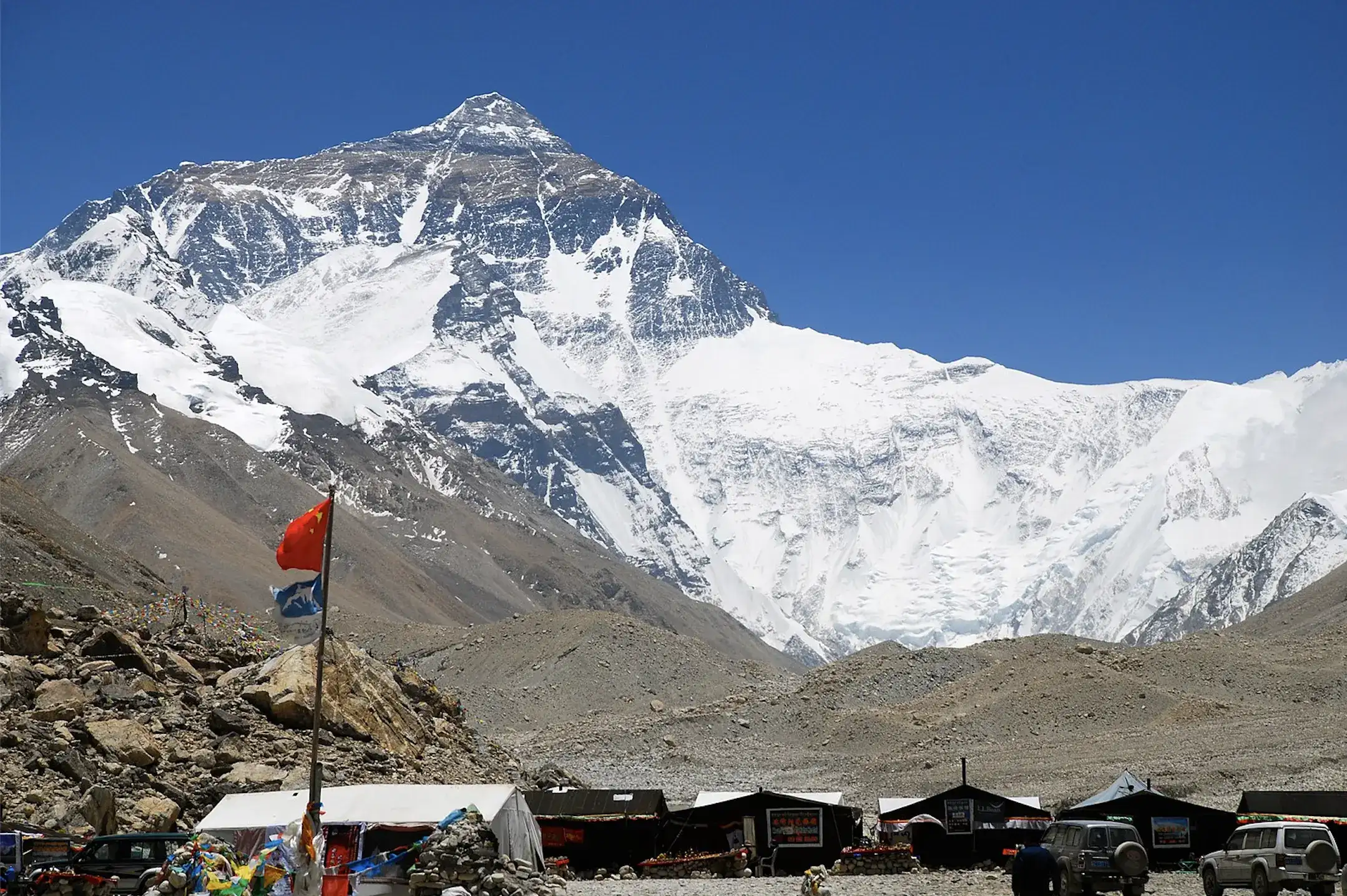
Short Annapurna Base Camp Trek: 9-Day Himalayan Expedition 2026
Trip Duration: 9 Days
Trip Grade: Moderate
Group Size: 2
Meals: Breakfast in Kathmandu & Pokhara and three meals daily during the trek with tea or coffee.
Best Season: March–May, Sept–Nov
Start Point: Kathmandu
Accomodation: 3-star hotels in Kathmandu & Pokhara (2 nights each with breakfast) and teahouse accommodation during the trek.
Ending Point: Kathmandu
Max Altitude: 4,130 m (Annapurna Base Camp)
Transportation: Tourist bus Kathmandu–Pokhara and private jeep to/from Jhinu, with all ground transport included.
Permits Required: Annapurna Conservation Area Permit (ACAP)
Overview
The Short Annapurna Base Camp Trek is a professionally designed 9-day mountain journey that brings you into the heart of the world’s most spectacular "Natural Amphitheater." Reaching a maximum altitude of 4,130 meters (13,550 feet), this trek is the perfect solution for travelers who want to see 8,000-meter peaks but don't have two weeks to spare. Unlike the classic 14-day routes, our 9-day ABC trek uses modern jeep access to skip lower dusty roads, allowing you more time to enjoy the high-altitude glaciers and quiet forests.
For 2026 travelers, this package offers an unbeatable Budget ABC Trek price of USD 495. This price covers your professional team, permits, and comfortable mountain lodging. While the trek is rated as moderately challenging due to the famous stone steps of the Annapurna region, it is very achievable for any fit hiker or motivated beginner. In line with the latest 2026 Nepal trekking rules, every guest will be accompanied by a licensed guide to ensure maximum safety and a deep connection to the local Gurung culture.
Whether you are watching the golden sunrise over Annapurna I or soaking in the natural hot springs at Jhinu Danda, this short journey provides a "powerful" Himalayan experience in a condensed timeframe. If you want to explore more of Nepal, you can also check our Everest Base Camp Trek or the Mardi Himal Trek for different mountain perspectives.
Highlights
Itinerary
Your adventure starts with a beautiful drive across the green hills of Nepal. You will follow the Trishuli River and see local farms and small towns along the way. You will spend the night in the peaceful lakeside city of Pokhara, the gateway to the mountains
We take a private jeep to Jhinu Danda to save you hours of walking on dusty roads. From Jhinu, we begin the hike with a steady climb up stone stairs to reach Chhomrong, a large village with great views of Annapurna South
Today, the trail descends to the Chhomrong Khola river and then climbs back up into thick forests. You will walk through a "jungle-like" atmosphere of bamboo and oak until you reach the settlement of Himalaya.
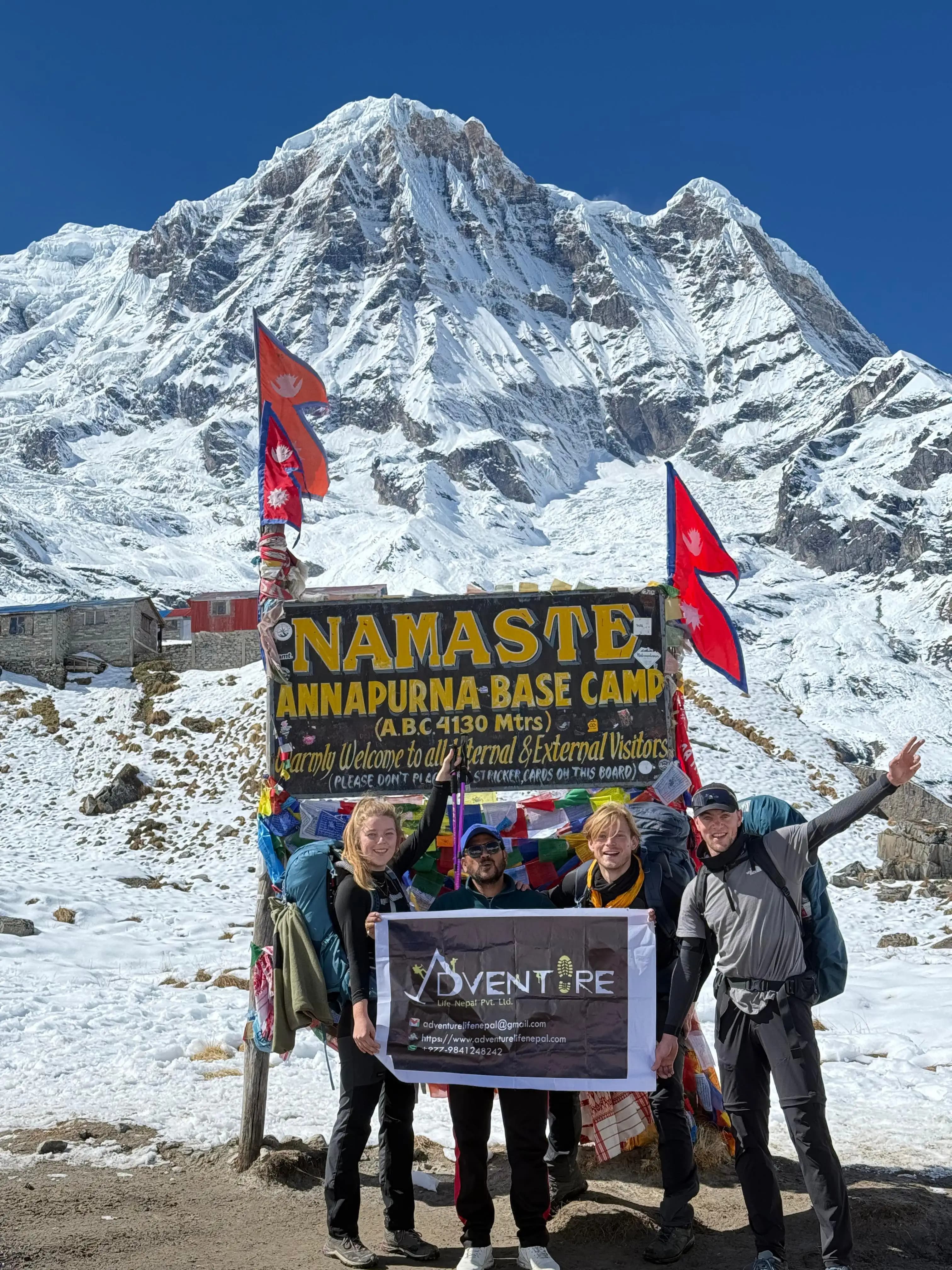
This is the big day! You will pass the "Sanctuary Gate" and reach Machhapuchhre Base Camp for lunch. The final 2-hour walk takes you into the open basin of Annapurna Base Camp, where you are surrounded by giant peaks.
Wake up early for the best sunrise of your life! After breakfast, you will begin a long descent back down the valley. Since you are losing altitude, you will find that breathing becomes much easier and the air feels warmer as you reach Bamboo.
Retrace your steps to Jhinu Danda. Here, you have the afternoon to soak in the natural hot springs by the river—the perfect treat for your legs. Afterward, a private jeep will take you back to your hotel in Pokhara for a hot shower.
A full day to relax! You can go boating on Phewa Lake, visit the World Peace Stupa, or enjoy a meal at one of the many lakeside cafes. It is a great time to buy souvenirs or try adventure sports like paragliding.
We travel back to the capital city. In the evening, you can explore the busy markets of Thamel and enjoy a final celebratory dinner
Our team will drive you to the international airport for your flight home, ending your 9-day ABC trek
Elevation Profile
Altitude Variation Chart
What's Included
Included
- 2 nights in Kathmandu and 2 nights in Pokhara (3-star hotel with breakfast)
- 4 nights in mountain guesthouses (teahouses) with comfortable twin beds
- All official fees, including the ACAP permit
- A licensed English-speaking guide and a professional porter
- 3 full meals per day (Breakfast, Lunch, Dinner) during the trek, plus tea/coffee
- Kathmandu–Pokhara bus and private jeep from Pokhara to the trailhead
Excluded
- International airfare to and from Kathmandu
- Personal items like down jackets and sleeping bags (available for rent in Thamel)
- Lunch and dinner while you are in Kathmandu and Pokhara
- Cold sodas, juice, and alcoholic beverages
- Travel and rescue insurance
- Personal expenses (phone calls, laundry, bar bills, battery recharge, extra porters, bottle or boiled water, shower, etc.)
- Tips for guides and porters
Packing List
For a successful trek in 2026, we recommend a strategic layering system to manage temperatures from 20°C down to -10°C
Clothing
• Base Layers: 2-3 moisture-wicking T-shirts (merino wool is best for odor) and thermal tops/bottoms.
• Insulation: A high-quality fleece jacket and a heavy down jacket rated for -10°C.
• Outer Shell: A waterproof and windproof jacket (Gore-Tex) and waterproof trekking pants.
• Head/Hands: Warm beanie, sun hat, and a two-system glove approach (inner liners + waterproof outer gloves).
Footwear
• Boots: Sturdy, waterproof trekking boots that must be "broken-in" before your trip.
• Camp Shoes: Lightweight sneakers or sandals for relaxing in teahouses.
• Socks: 3-4 pairs of wool hiking socks and 1 pair of thermal socks for sleeping.
Equipment & Hardware
• Backpack: 30–40 liter daypack with a rain cover (if using a porter).
• Sleeping Bag: Rated for -10°C to ensure warmth in unheated teahouse rooms.
• Trekking Poles: Highly recommended to reduce pressure on your knees during stone step descents.
• Light: A headlamp with extra batteries for early morning starts.
Hygiene & Health
• Sun Protection: SPF 50+ sunscreen, lip balm with SPF, and UV-protected sunglasses.
• Water: 2 reusable 1-liter bottles and water purification tablets (plastic bottles are banned in the sanctuary).
• First Aid: Personal medications, blister tape, and Diamox for altitude.
• Power: A high-capacity power bank (20,000mAh) as charging costs extra at high altitudes.
Frequently Asked Questions
Yes. As of recent 2026 regulations, the Nepal government requires all trekkers in the Annapurna region to have a licensed guide for safety and permit processing. Solo trekking is no longer allowed
The trek is famous for thousands of stone steps, particularly the climb to Chhomrong. These can be hard on the knees, so we strongly recommend using trekking poles to reduce the impact.
AMS can occur above 2,500m. Because this is a short itinerary with rapid ascent, it is vital to walk slowly, stay hydrated (3-4 liters of water daily), and tell your guide immediately if you have a headache or nausea
We recommend budgeting USD 15–20 per day in Nepali Rupees for personal expenses like Wi-Fi, hot showers, snacks, and device charging
Yes, most teahouses have solar power and Wi-Fi. However, connection is slower and more expensive (USD 3–5) as you go higher towards the base camp
October and November offer the clearest skies after the monsoon. March to May is also beautiful as the rhododendron forests are in full bloom.
While meat is available, we recommend vegetarian meals (like Dal Bhat) above Chhomrong for health and hygiene reasons, as meat is carried up by porters and may not stay fresh.
No. You should always use purification tablets, a filter bottle, or buy boiled water from teahouses. Plastic bottles are banned in many parts of the Annapurna Sanctuary to protect the environment
No. The last ATM is in Pokhara. You must withdraw all the cash you need in Pokhara or Kathmandu before starting the hike.
Rooms are simple and usually have two single beds with a mattress, pillow, and blanket. Toilets and showers are usually shared, and there is no heating in the sleeping rooms.
Your guide is trained in first aid. For serious emergencies, your mandatory travel insurance must cover a helicopter evacuation to Pokhara or Kathmandu
Yes, but most lodges charge a small fee (USD 2–4) per device. Carrying a power bank is much cheaper and more reliable
Yes. One porter typically carries 20–25kg for two trekkers. Please keep your personal duffel bag under 10–12kg.
Yes, the hot springs are a major highlight of Day 6 and Day 7. There is a small community maintenance fee (approx. NPR 150-200) to use the pools
Yes, it is rated as moderate. While it requires fitness for long walking days, it does not involve technical climbing, making it accessible for fit first-time hikers.
Gallery & Video
Customer Reviews
Loading reviews...