Tsum Valley Trekking 2027 | Guide, Itinerary, Cost & Permits
Introduction to Tsum Valley Trekking
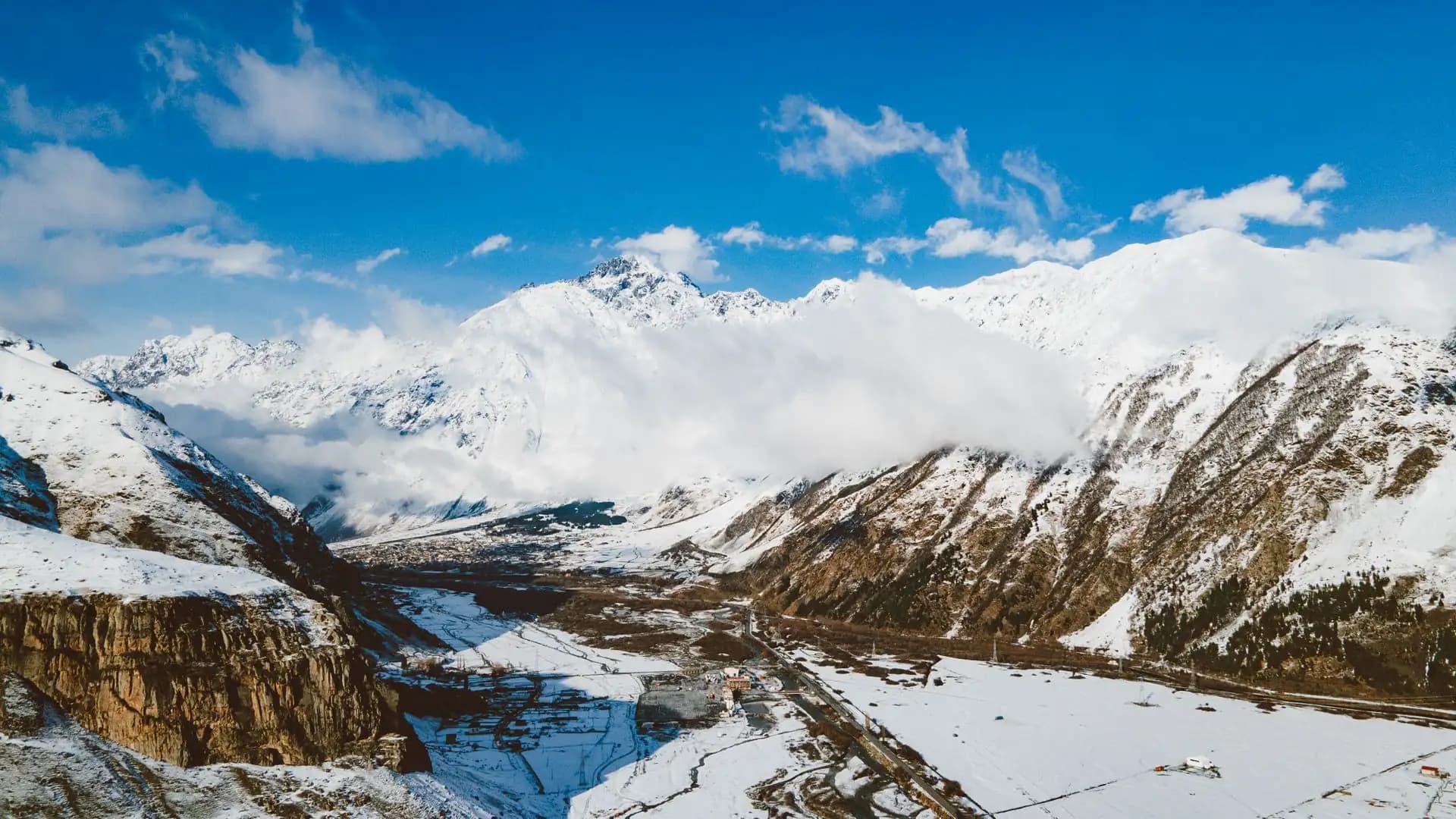
Tucked into a side valley north of the Manaslu region, close to the Tibetan border, the Tsum Valley is one of the last places in Nepal where Tibetan Buddhist culture still shapes daily life in a way you can see from the trail. Stone prayer walls line the paths, nunneries and monasteries cling to hillsides, and the villages are far quieter than the famous trekking corridors. It is a restricted area, so it feels protected, a little secretive, and genuinely uncrowded.
This guide covers everything you need to plan Tsum Valley trekking in 2027: where the valley is, what you will see, the route stage by stage, a realistic itinerary, the current permit rules (including a major change in 2026), what it costs, how hard it is, the best seasons, and how to combine it with the Manaslu Circuit. Wherever sources disagree on a number, we give a range rather than pretend to certainty.
Quick Facts: Tsum Valley Trekking at a Glance
Detail | Information |
|---|---|
Location | Gorkha district, north of the Manaslu region, near the Tibet border |
Highest point on the standard trek | Mu Gompa, about 3,700 m |
Optional higher side trips | Dhephyudonma Gompa, about 4,060 m; a high pass link to the Manaslu side at roughly 5,093 m for strong trekkers |
Typical duration | 12–14 days from Kathmandu; options range from about 10 to 18+ days |
Combined with Manaslu Circuit | Roughly 18–22 days |
Starting point | Soti Khola or Machha Khola, reached by road from Kathmandu |
Area status | Restricted area; licensed guide and special permits required |
Main permits | Tsum Valley Restricted Area Permit, Manaslu Conservation Area Permit, and a local municipality permit |
Difficulty | Moderate, with altitude and long days as the main challenges |
Best seasons | Autumn (September–November) and spring (March–May) |
Cultural focus | Tibetan Buddhist villages, monasteries, nunneries, and pilgrimage sites |
What Is the Tsum Valley?
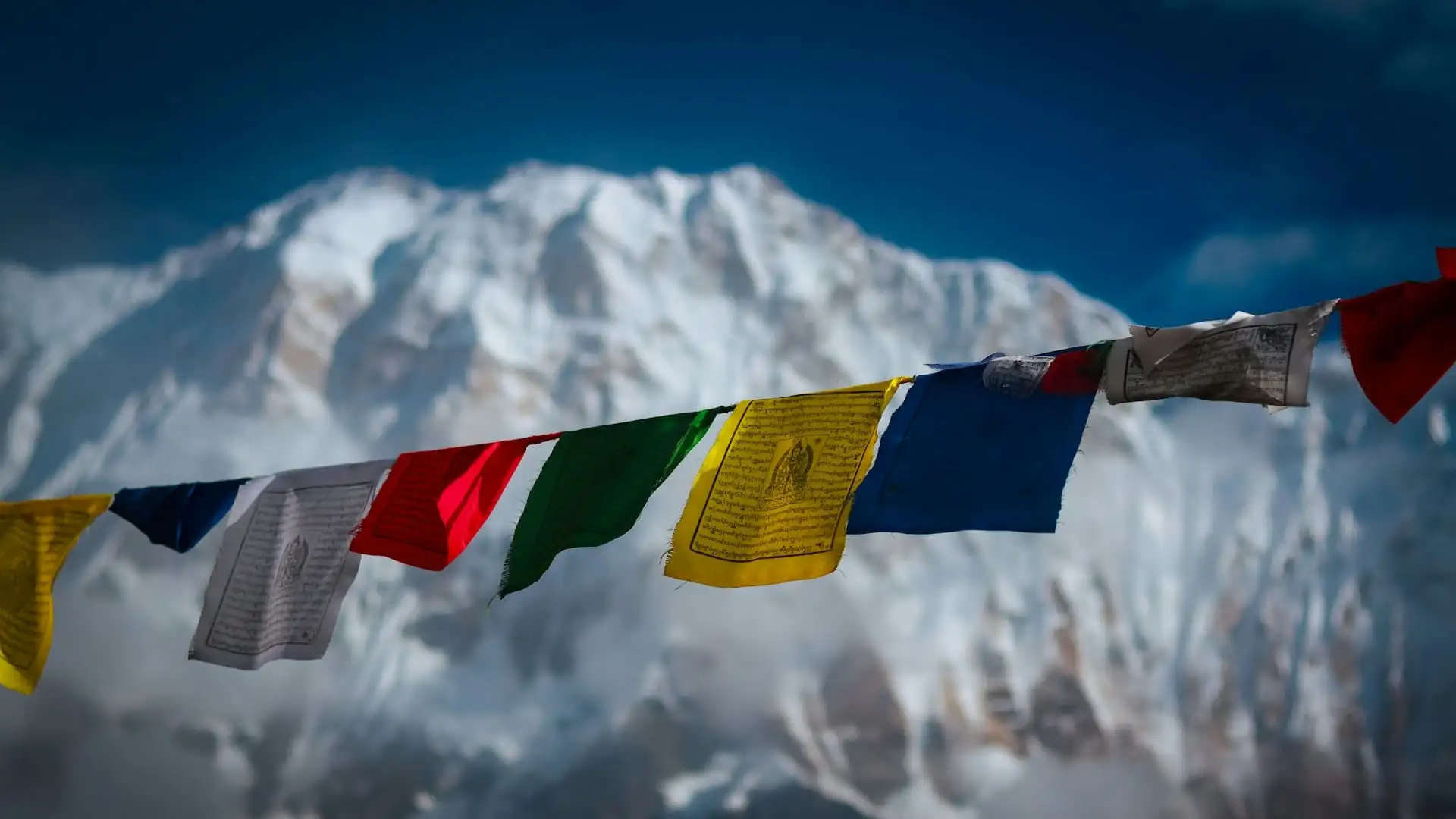
The Tsum Valley is a high river valley whose people, the Tsumba, share language, religion, and traditions with Tibet. The name is often said to come from a Tibetan word meaning "vivid," and the valley is frequently described in Tibetan Buddhist tradition as a sacred hidden valley, a place of retreat and meditation. Whatever its precise origin, the atmosphere on the trail fits: villages built of stone, flat-roofed houses, long mani walls, and prayer flags snapping in the wind.
Tsum Valley trekking has become popular only in recent decades, since the region was opened to foreign trekkers, with the date commonly cited as 2008. That relatively late opening is part of why it still feels traditional. Unlike the busiest routes in Nepal, there are no long strings of lodges, and many villages continue to live much as they have for generations.
Where Is the Tsum Valley and How Does It Relate to Manaslu?
The Tsum Valley lies in the Gorkha district, and the trek follows the Budhi Gandaki River upstream from the same roadhead used for the Manaslu Circuit before branching off near Lokpa. That shared start is why the two treks are so often combined or compared. The Manaslu Circuit continues up the main valley toward Samagaon and Larkya La, while Tsum turns into its own valley and ends at Mu Gompa.
If you want to understand the shared roadhead and how access has changed, our Manaslu Circuit Trek starting point guide explains the road journey from Kathmandu, and it applies equally to Tsum Valley trekking since both begin on the same route.
Culture and Monasteries: The Heart of the Trek
What sets Tsum apart from most Himalayan treks is that the culture is the main attraction, not just the scenery. Here are the highlights you are most likely to visit.
Site | What It Is | Approx. Altitude |
|---|---|---|
Mu Gompa | The largest and most famous monastery in the valley, and the usual turnaround point of the trek | About 3,700 m |
Rachen Gompa | A nunnery, one of the best-known religious sites of Upper Tsum | About 3,240 m |
Gumba Lungdang | A nunnery and monastery on the lower return route | About 3,200 m |
Dhephyudonma Gompa | A monastery reached on a side trip above Mu Gompa | About 4,060 m |
Milarepa Piren Phu cave | A meditation cave associated with the famed Tibetan yogi Milarepa | Along the Chhokangparo area trail |
Mu Gompa is reported to have a large prayer hall, a school, and a library of Buddhist texts, and to house several dozen monks. Visitors are usually welcome outside ceremonies, and a small donation is customary. Rachen Gompa, run by nuns, is a rare chance to see a women's Buddhist community in the Himalaya.
Mani Walls, Chortens, and Prayer Wheels
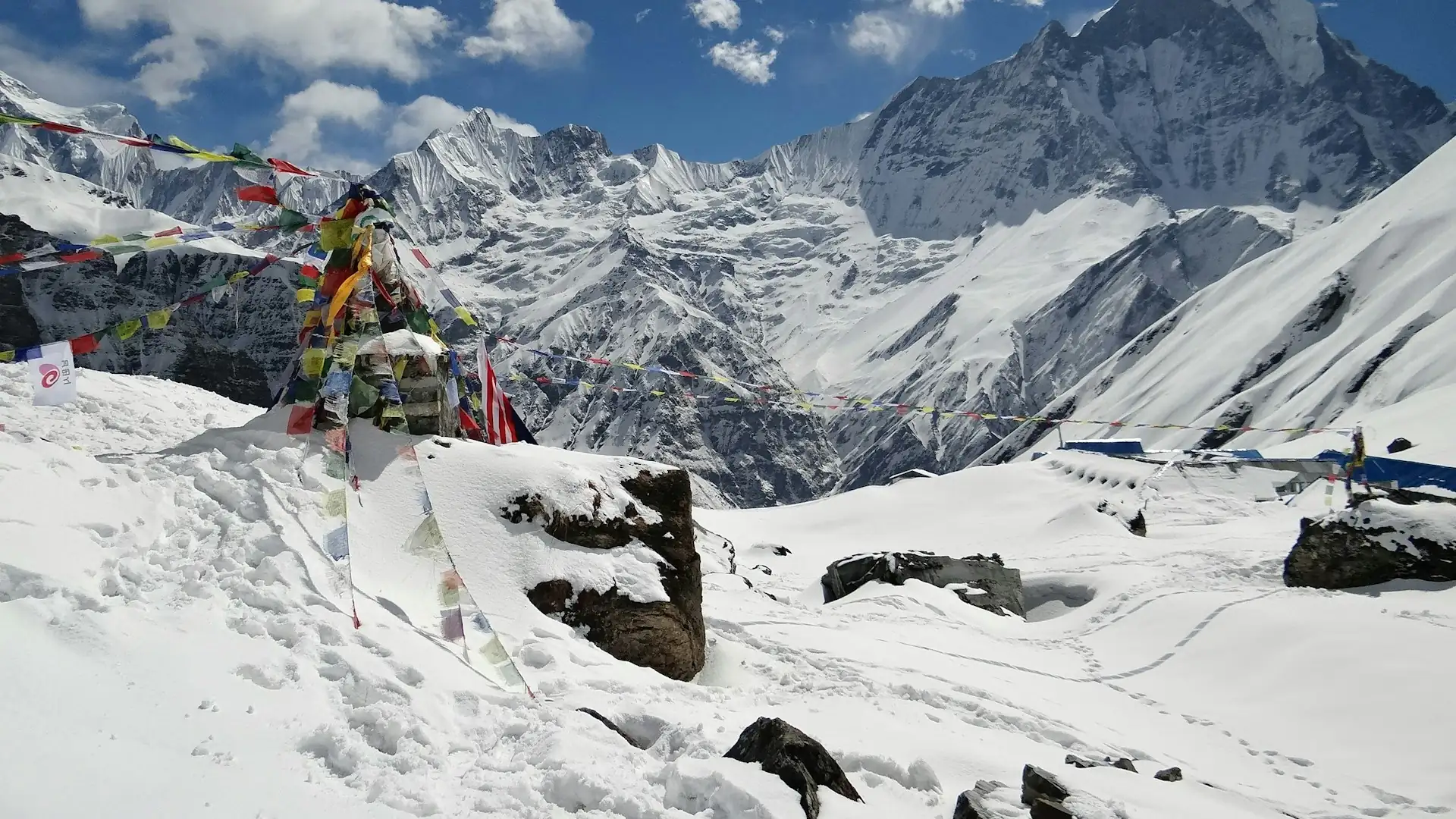
Along the trail you will pass long walls of stones carved with the mantra "Om Mani Padme Hum," small shrines called chortens, and rows of prayer wheels. The custom is to pass them with the structure on your right and to spin prayer wheels clockwise. These habits are small ways to show respect and they make the trek feel more meaningful.
The Route Stage by Stage
The standard route runs from the roadhead up the Budhi Gandaki, then into Tsum, to Mu Gompa and back. Altitudes and walking times differ slightly between operators, so treat these as typical figures.
Stage | Approx. Altitude | Typical Walking Time |
|---|---|---|
Machha Khola to Jagat | About 1,340–1,410 m | 6–8 hours |
Jagat to Lokpa | About 2,240 m | 6–7 hours |
Lokpa to Chumling | About 2,386 m | 4–6 hours |
Chumling to Chhokangparo | About 3,010–3,031 m | 3–6 hours |
Chhokangparo to Nile | About 3,361 m | 5–7 hours |
Nile to Mu Gompa | About 3,700 m | 3–4 hours |
Mu Gompa to Rachen Gompa | About 3,240 m | 6–7 hours |
Rachen Gompa to Gumba Lungdang | About 3,200 m | 4–5 hours |
The ranges reflect different routing choices, such as whether you visit Rachen Gompa on the way up or on the way down.
A Typical 13-Day Itinerary
This is a representative plan. Exact stages and rest days vary by operator, season, and group pace.
Day | Route | Notes |
|---|---|---|
1 | Drive from Kathmandu to Machha Khola or Soti Khola | A long road day |
2 | Machha Khola to Jagat | Gorge trail and suspension bridges |
3 | Jagat to Lokpa | Reaching the entrance to the Tsum Valley |
4 | Lokpa to Chumling | Entering Tsum, with forest and the first villages |
5 | Chumling to Chhokangparo | Climbing into Upper Tsum |
6 | Chhokangparo to Nile | Villages, monasteries, and mani walls |
7 | Nile to Mu Gompa | The high point of the trek, with an optional side trip |
8 | Rest and exploration at Mu Gompa, or return toward Nile | Acclimatization and monastery time |
9 | Return toward Chhokangparo or Rachen Gompa | A different view on the way down |
10 | To Chumling | Downhill walking |
11 | To Lokpa or Jagat | Rejoining the main valley |
12 | To Machha Khola or Soti Khola | Final trekking day |
13 | Drive back to Kathmandu | End of the trek |
Itinerary Variations
Version | Length | Who It Suits |
|---|---|---|
Short | About 10–11 days | Fit trekkers with limited time and prior altitude experience |
Standard | 12–14 days | Most trekkers |
Relaxed | About 16 days | Those who want to visit Rachen Gompa, Gumba Lungdang, and extra rest days |
Combined with Manaslu Circuit | About 18–22 days | Trekkers who want both cultures and Larkya La |
With the high pass | Longer | Strong, experienced trekkers using a pass to link Tsum with the Manaslu side |
If you are weighing how Tsum fits into a bigger plan, our Manaslu Circuit Trek package shows how the main circuit is structured, and a Tsum extension can be added to it with the right permits.
Permits for Tsum Valley Trekking
Because the valley is a restricted area, permits are more involved than on open routes. As of the most recent sources we checked, the requirements are as follows.
Permit | Cost for Foreign Nationals | Notes |
|---|---|---|
Tsum Valley Restricted Area Permit (RAP) | USD 40 for the first 7 days from September to November; USD 30 for the first 7 days from December to August; USD 7 per additional day | Only available through a registered trekking agency |
Manaslu Conservation Area Permit (MCAP) | NPR 3,000 | Issued under the National Trust for Nature Conservation |
Local municipality permit | A small local fee | Amount varies; confirm with your agency |
Annapurna Conservation Area Permit (ACAP) | NPR 3,000 | Only if you exit through the Annapurna side, as on a full Manaslu Circuit |
For a standard 10 to 14 day itinerary, total permit costs commonly land between roughly USD 75 and 150 per person, depending on the season and how many days you spend inside the restricted zone. For example, ten days in the valley in autumn works out to the first-week fee plus a few additional days at the daily rate. Restricted-area rules are set by Nepal's Department of Immigration, and conservation permits come through the National Trust for Nature Conservation, so it is worth confirming current figures with your agency close to your travel dates.
The March 2026 Rule Change for Solo Trekkers
Since March 22, 2026, Nepal has removed the long-standing rule that restricted-area permits required a minimum of two trekkers. Reports indicate the change applies to the Tsum Valley as well as Manaslu, which means a single traveler can now obtain a permit. What did not change is the guide requirement: a licensed guide, arranged through a registered agency, remains mandatory in restricted areas. If this affects your plans, our guide to whether you need a guide for the Manaslu Circuit explains the rule in detail, and our solo versus group comparison covers how the choice affects cost and flexibility. Because rules can shift, confirm the current position with your agency.
For the full permit process on the neighboring route, which shares much of the same paperwork, our Manaslu Circuit Trek permit guide is a helpful reference.
How Much Does Tsum Valley Trekking Cost?
Prices vary widely depending on trip length, group size, and service level. Operator listings we reviewed range from roughly USD 900 for a basic 13-day group departure to around USD 1,900 to 2,500 for fuller or more comfortable 16-day itineraries, with combined Manaslu and Tsum trips starting above USD 1,900. Treat those as a rough guide, not a quote.
To make the numbers concrete, here is an illustrative component-based estimate for one trekker on a 13-day guided trip in a small group. These are estimates built from typical daily rates, not fixed prices.
Cost Category | Illustrative Estimate (USD) |
|---|---|
Permits (RAP, MCAP, local fee) | About 95 |
Licensed guide (13 days at about USD 35/day) | About 455 |
Porter, shared between two trekkers | About 145 |
Teahouse rooms | About 60 |
Meals (about USD 30/day) | About 390 |
Transport share from and to Kathmandu | About 100–250 |
Approximate total | About 1,250–1,400 |
Extras such as travel insurance, hot showers, charging, tips, and gear rental are additional. Larger groups can bring the per-person total down, while private or premium trips cost more. For the cost structure on the neighboring route, which uses similar guide and permit arrangements, see our Manaslu Circuit trekking cost guide.
How Difficult Is Tsum Valley Trekking?
The trek is generally rated moderate. There is no technical climbing and the highest regular point, Mu Gompa, is about 3,700 meters, much lower than the passes on the Manaslu Circuit. Even so, it is not trivial.
Challenge | What to Expect |
|---|---|
Length | A long trek of 12 to 14 days, with several long walking days of 5 to 7 hours |
Altitude | Above 3,000 meters from Chhokangparo onward, so altitude symptoms are possible |
Trail | Gorge sections, stone steps, suspension bridges, and steady climbing |
Remoteness | Basic lodges and limited medical support away from the main valley |
Weather | Cold nights in the upper valley, and rain or snow depending on season |
Some itineraries reach Mu Gompa with no dedicated rest day, which can make altitude symptoms more likely, so a schedule that includes a rest or exploration day at Nile or Mu Gompa is wise. Common warning signs include headache, nausea, dizziness, and unusual fatigue. These are often manageable with rest and fluids, but confusion, loss of coordination, or breathlessness at rest require descent. The CDC's travel health guidance on high elevation is a reliable independent reference, and our Manaslu Circuit Trek preparation and training guide lays out a training timeline that works well for a trek of this length.
Best Time for Tsum Valley Trekking
Season | Conditions | Verdict |
|---|---|---|
Autumn (September–November) | Stable weather, clear skies, the busiest season | Excellent |
Spring (March–May) | Warm, good visibility, rhododendrons at lower elevations | Very good |
Winter (December–February) | Cold, snow in the upper valley, some lodges closed | Difficult, for experienced trekkers |
Monsoon (June–August) | Rain, leeches, and landslide risk in the lower gorge | Not recommended |
A small cost detail worth knowing: the Tsum Valley restricted-area permit is cheaper from December to August, at USD 30 for the first week rather than USD 40, though that is a minor saving compared with the extra difficulty of winter or monsoon conditions. Our best time for Manaslu Circuit Trek guide covers the seasonal picture for the shared roadhead and lower valley in more depth.
Accommodation and Food
Lodging in the valley is simple. Expect basic teahouses and, in some villages, family-run lodges with shared bathrooms. Rooms are small and heated spaces are limited, so a warm sleeping bag is important. Meals follow the usual trekking pattern of dal bhat, noodles, soups, and eggs, with local touches such as potatoes, barley, and butter tea in the upper villages. Facilities become more basic with altitude, and options are fewer than on the main circuits, so it helps to travel with a guide who knows which lodges are reliable.
What to Pack
Item | Why It Matters |
|---|---|
Sleeping bag rated for well below freezing | Nights in Upper Tsum are cold |
Down jacket and layers | Temperatures drop quickly with altitude |
Waterproof shell | Rain or snow depending on season |
Broken-in trekking boots | Long stone steps and uneven trail |
Trekking poles | Helpful on steep climbs and descents |
Modest clothing | Respectful at monasteries and nunneries |
Small cash in rupees | Lodges, donations, and extras; no ATMs in the valley |
Headlamp and power bank | Limited charging and early starts |
Our Manaslu Circuit Trek packing list covers a very similar gear list for this region and is a good starting point.
Landscape and Wildlife
The trek moves from steamy lower gorge forest through pine and rhododendron to open, high pastures framed by snow peaks, including ranges such as Ganesh Himal and Sringi Himal. The wider Manaslu Conservation Area shelters wildlife such as snow leopards and red pandas, though sightings are rare. Birds, langur monkeys in the lower forest, and the occasional Himalayan tahr are more realistic encounters. The scenery is quieter and more intimate than the dramatic high passes of Manaslu, which suits trekkers who prefer culture over summit views.
Tsum Valley vs. Manaslu Circuit vs. Upper Mustang
Many travelers wonder how Tsum compares with Nepal's other restricted-area treks.
Feature | Tsum Valley | Manaslu Circuit | Upper Mustang |
|---|---|---|---|
Highest regular point | About 3,700 m | About 5,106 m at Larkya La | High desert plateau, with passes above 4,000 m |
Typical duration | 12–14 days | 12–18 days | About 10–14 days |
Main appeal | Tibetan Buddhist culture, monasteries, quiet valleys | A big pass, mountain scenery, remote villages | A walled capital, cliffs, and ancient caves and monasteries |
Difficulty | Moderate | Moderate to strenuous | Moderate |
Crowds | Low | Low to moderate | Low to moderate |
If a high-desert Tibetan culture trip appeals to you, our Upper Mustang tour is another way to explore a restricted region with a distinct Buddhist heritage.
Respecting Local Culture and the Environment
Because Tsum villages are small and traditional, thoughtful behavior matters. Dress modestly, remove shoes before entering monasteries, and ask before photographing people or religious ceremonies. Walk clockwise around sacred structures, speak quietly in prayer halls, and leave a small donation if invited. Carry out your trash, avoid giving sweets or money to children, and support local lodges and shops. These small gestures help keep the valley welcoming for the people who live there and for future visitors.
Common Mistakes to Avoid
Treating it as an easy trek. The altitude and length are real, so train and acclimatize sensibly.
Skipping rest days. Pushing straight up to Mu Gompa increases the chance of altitude symptoms.
Under-packing for cold. Upper Tsum nights are cold even in good seasons.
Assuming you can organize permits yourself. Restricted-area permits go through a registered agency.
Carrying too little cash. There are no ATMs in the valley.
Rushing the culture. The monasteries and villages are the point, so leave time to enjoy them.
Planning Your Tsum Valley Trek with Adventure Life Nepal
We can arrange Tsum Valley trekking as a standalone trip or as an extension to the Manaslu Circuit, with permits, a licensed guide, and an acclimatization-friendly schedule handled for you.
Tell us how many days you have, whether you would like to include Rachen Gompa and the nunneries, and how comfortable you are with altitude, and we will recommend a plan that fits. Because rules for restricted areas can change, we also confirm current permit requirements with you before you book.
Frequently Asked Questions about Tsum Valley Trekking
1. Where is the Tsum Valley? In Gorkha district, north of the Manaslu region and close to the Tibet border. The trek starts from the same roadhead as the Manaslu Circuit.
2. How high is the Tsum Valley trek? The standard trek reaches Mu Gompa at about 3,700 meters. Side trips can go higher, such as Dhephyudonma Gompa at about 4,060 meters.
3. How many days does Tsum Valley trekking take? Most itineraries take 12 to 14 days from Kathmandu, though options range from about 10 to 18 days or more, and a combined Manaslu and Tsum trek takes roughly 18 to 22 days.
4. Do I need a permit for the Tsum Valley? Yes. You need a Tsum Valley Restricted Area Permit, a Manaslu Conservation Area Permit, and a local municipality permit, all arranged through a registered agency.
5. How much does the Tsum Valley permit cost? The restricted-area permit is USD 40 for the first week from September to November and USD 30 from December to August, plus USD 7 per additional day. The conservation permit is NPR 3,000.
6. Can I trek the Tsum Valley solo? Since March 22, 2026, the minimum-two-trekker rule has been removed and reports indicate it applies to Tsum Valley as well, so a solo traveler can obtain a permit. A licensed guide is still required, so confirm the current position with your agency.
7. Is a guide mandatory for the Tsum Valley? Yes. It is a restricted area, and a licensed guide arranged through a registered agency is required.
8. How difficult is the Tsum Valley trek? Moderate. There is no technical climbing, but the trek is long, passes 3,000 meters, and has some long walking days, so altitude symptoms are possible.
9. What is Mu Gompa? The largest and most famous monastery in the Tsum Valley, at about 3,700 meters, and the usual turnaround point of the standard trek.
10. What is Rachen Gompa? A nunnery in Upper Tsum at about 3,240 meters, and one of the best-known religious sites in the valley.
11. How much does the Tsum Valley trek cost? Operator listings range from roughly USD 900 for basic group departures to around USD 1,900 to 2,500 for fuller itineraries, with combined Manaslu and Tsum trips starting above USD 1,900.
12. What is the best time to trek the Tsum Valley? Autumn (September to November) and spring (March to May) offer the most stable weather. Winter is cold, and the monsoon brings leeches and landslide risk.
13. Is the Tsum Valley trek harder than the Manaslu Circuit? Generally easier. Its highest regular point is about 3,700 meters, compared with about 5,106 meters at Larkya La on the Manaslu Circuit, though it is still a long and remote trek.
14. Can I combine the Tsum Valley with the Manaslu Circuit? Yes. Many trekkers combine them for roughly 18 to 22 days, which requires the permits for both regions.
15. Where does the Tsum Valley trek start? At Machha Khola or Soti Khola, reached by road from Kathmandu, and the route follows the Budhi Gandaki upstream before branching into Tsum near Lokpa.
16. What is the culture of the Tsum Valley like? It is strongly Tibetan Buddhist, with monasteries, nunneries, mani walls, chortens, and prayer wheels, and the Tsumba people share language and traditions with Tibet.
17. Are there ATMs in the Tsum Valley? No. Carry enough Nepali rupees for the whole trek before leaving the roadhead.
18. What should I wear when visiting monasteries? Modest clothing, shoes that are easy to remove, and a respectful, quiet manner. Ask before taking photographs.
19. Is altitude sickness a risk in the Tsum Valley? It can be, since the trek goes above 3,000 meters and some itineraries reach Mu Gompa without a rest day. A gradual schedule and honest attention to symptoms reduce the risk.
20. How should I prepare for Tsum Valley trekking? Build endurance with several weeks of hill walking and back-to-back hiking days, break in your boots, pack for cold nights, and choose an itinerary with rest days.
Talk to an Expert
Ready to plan your Tsum Valley trek? Message us on WhatsApp at +977 9841248242 and our team will help you choose the right itinerary.
Author: Dil Bahadur Karki