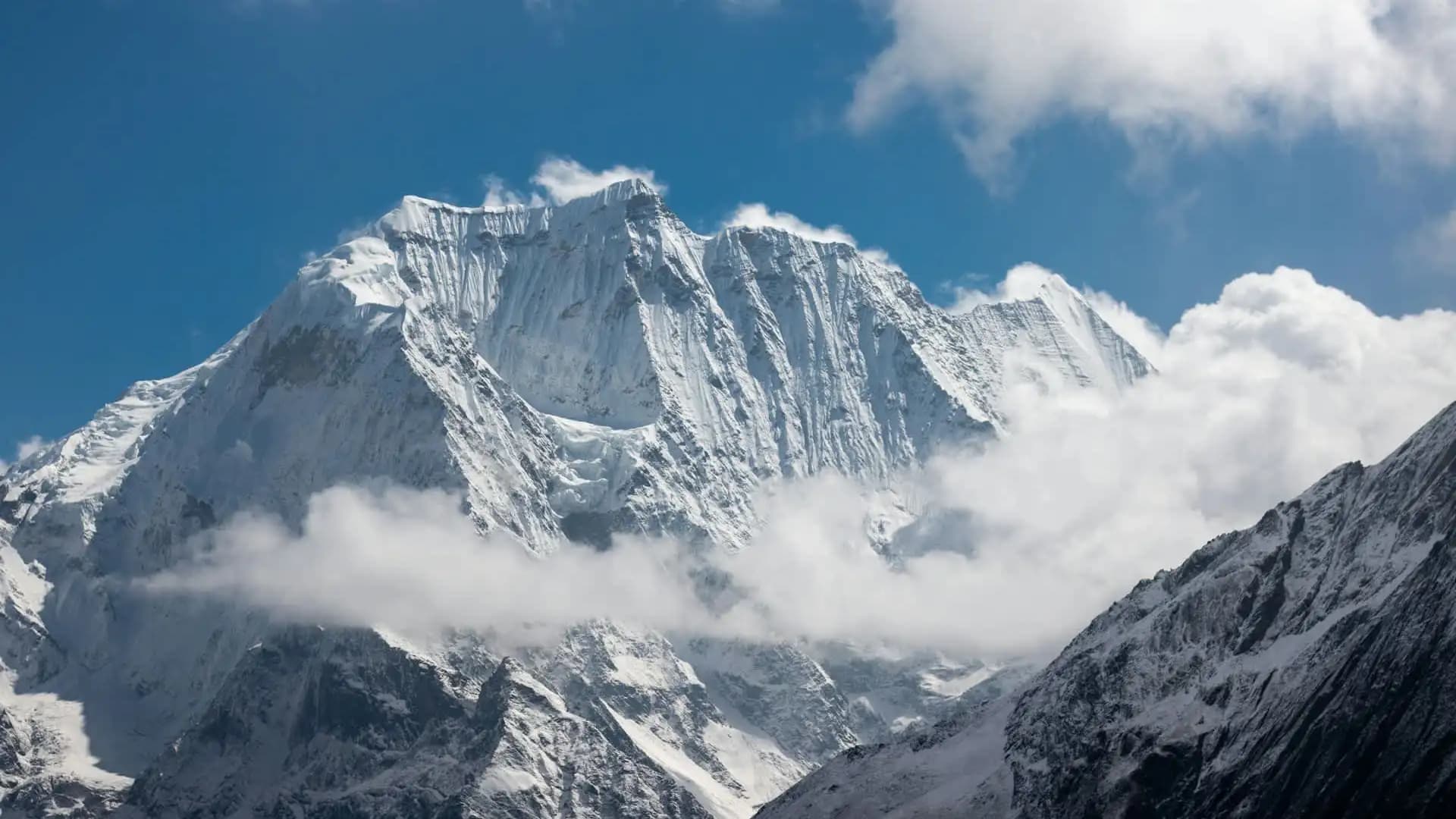
Do You Need a Guide for Manaslu Circuit? Yes, Here's Why
Yes, a licensed guide is mandatory for the Manaslu Circuit, with no exceptions and no workaround. This isn't a recent restriction or a precaution some agencies recommend; it's been a legal requirement since the region first opened to foreign trekkers in 1991, and it remains fully in place for 2026. Nepal's Department of Immigration will not issue the Restricted Area Permit (RAP) that every trekker needs to enter this region without a licensed guide attached to your application, arranged through a registered trekking agency.
If you're asking whether you need a guide for Manaslu Circuit hoping the answer might be no, it's worth understanding exactly why this rule exists and what has — and hasn't — changed recently, since there's been genuine confusion following a real policy update earlier in 2026 that some trekkers have misread as removing the guide requirement entirely. It hasn't.
Quick Answer: Guide Requirement for the Manaslu Circuit
Question | Answer |
|---|---|
Is a guide mandatory for the Manaslu Circuit? | Yes, with no exceptions |
How long has this rule existed? | Since the region opened to foreign trekkers in 1991 |
Has this changed for 2026? | No — the guide requirement remains fully in place |
What did change in March 2026? | The separate minimum-two-trekker rule was removed; solo trekkers can now apply for permits, but still require a guide |
Can I hire a freelance, non-agency guide? | No — your guide must be registered through a licensed trekking agency |
What happens if I'm caught without a guide? | Your Restricted Area Permit application will be refused, and you cannot legally enter the restricted section of the route |
Why does this rule exist? | Border security (proximity to Tibet), cultural preservation, environmental protection, and genuine safety given the route's remoteness |
Why the Manaslu Circuit Has Always Required a Guide
Unlike Everest Base Camp or the Annapurna Circuit, where a guide requirement is a comparatively recent addition, Manaslu has been different from the start. The region was only opened to foreign trekkers in 1991, and Nepal's government classified it as a restricted area from that point onward — a status it still holds today, nearly 35 years later.
Border proximity. The upper sections of the Manaslu Circuit, particularly around Samdo and the approach to Larkya La, sit close to the Tibet (China) border. Restricted area status, including the mandatory guide requirement, gives Nepal's government a way to monitor and manage who moves through this sensitive border zone.
Cultural preservation. The upper Nubri valley and neighboring Tsum Valley are home to distinct Tibetan Buddhist communities and centuries-old monasteries. Limiting unguided mass tourism has been part of the region's approach to protecting this cultural fabric since trekking first opened here.
Environmental protection. The Manaslu Conservation Area, established in 1998 and managed by Nepal's National Trust for Nature Conservation, is home to rare species including snow leopards and red pandas. Permit and guide requirements help manage visitor numbers and environmental impact.
Genuine safety. Beyond the regulatory reasoning, the practical case for needing a guide for the Manaslu Circuit is just as strong. This is a remote, high-altitude route with a genuinely serious pass crossing at 5,106 meters, minimal medical infrastructure, and trail conditions that shift meaningfully by season — factors covered in more depth below.
The March 2026 Rule Change: What Actually Changed (and What Didn't)
This is worth addressing directly, since it's caused real confusion. Effective March 22, 2026, Nepal's Department of Immigration removed the long-standing requirement that Restricted Area Permit applicants for Manaslu must be in a group of at least two foreign trekkers. Before this date, a solo traveler couldn't obtain a Manaslu permit without being paired with another trekker, even informally, through their agency.
What this change means: Solo trekkers can now apply for a Manaslu Restricted Area Permit on their own, without needing a second foreign trekker in their group.
What this change does not mean: The guide requirement itself was entirely untouched by this update. You still cannot legally trek the Manaslu Circuit without a licensed guide, and your permit application still must go through a registered trekking agency. Some trekkers have understandably conflated the two rules, since they were often discussed together — but they're genuinely separate requirements, and only one of them changed.
So to directly answer the question this article is built around: do you need a guide for the Manaslu Circuit in 2026, even as a solo traveler post-March-2026? Yes, unambiguously. What's changed is that you no longer need a second trekking companion to go alongside that guide.
What "Mandatory Guide" Actually Means in Practice
It's worth being specific about what this requirement involves, since "you need a guide" can mean different things on different Nepal treks.
Requirement | Detail |
|---|---|
Guide must be licensed | Registered and certified, not an informal or freelance arrangement |
Guide must be affiliated with a registered agency | Your trekking agency, not the guide individually, submits your Restricted Area Permit application |
Guide accompanies you for the entire restricted section | Generally recognized as the stretch from Jagat to Bhimtang, covering the core high-altitude portion of the route |
No guideless alternative exists | Unlike some open conservation areas where independent trekking with just a permit is technically possible, there is no guideless option for Manaslu's restricted section |
This differs meaningfully from how the guide requirement works on treks like Annapurna Base Camp or Everest Base Camp, where a 2023 nationwide policy introduced a guide mandate to previously open areas. Manaslu's requirement isn't a product of that newer, broader rule — it's a longer-standing, restricted-area-specific requirement that predates it by over three decades.
What Happens If You Try to Trek Manaslu Without a Guide
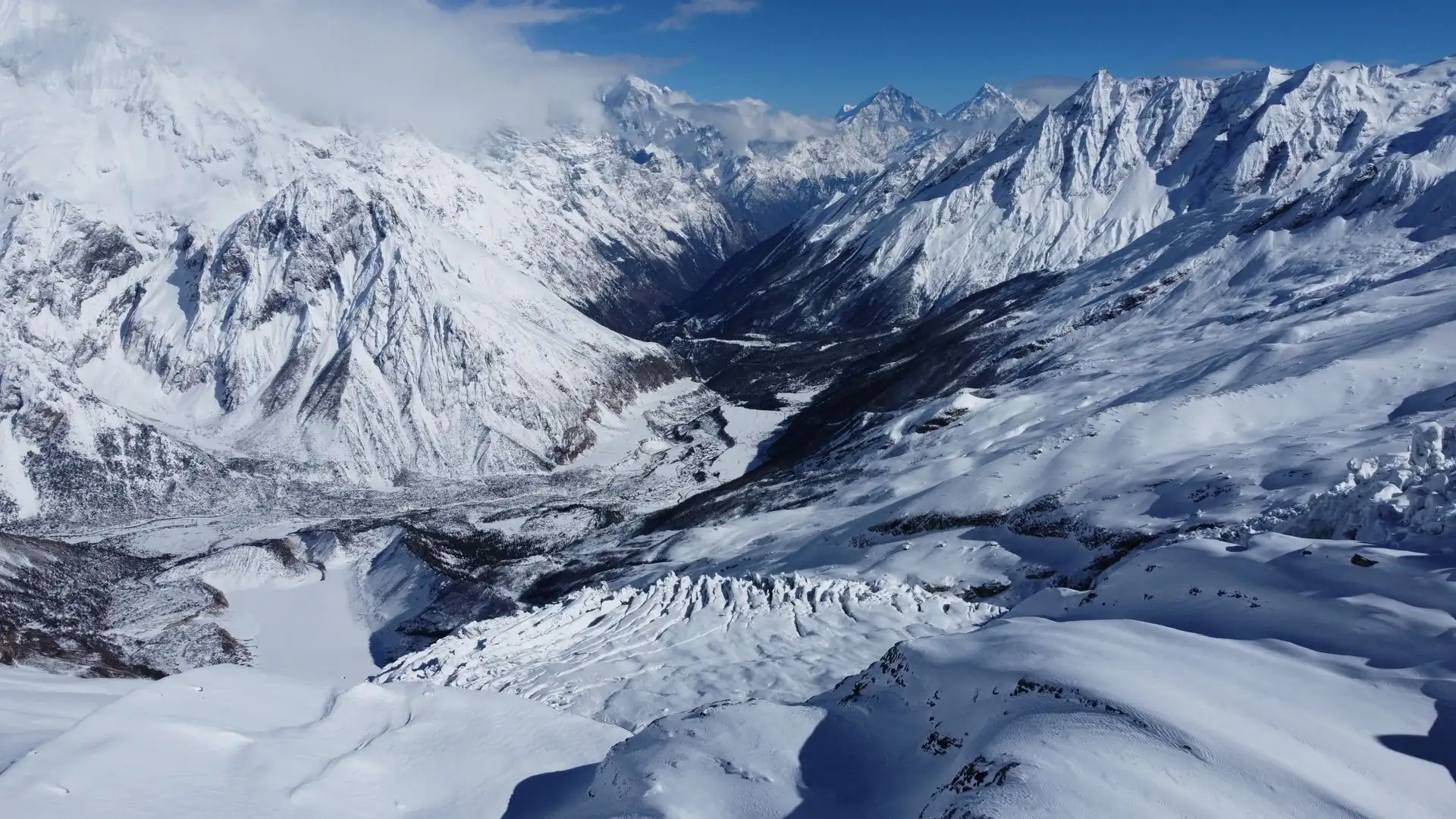
Simply put, you can't get started. Nepal's Department of Immigration will not issue the Restricted Area Permit without a licensed guide attached to your application through a registered agency — this isn't an enforcement issue that happens later on the trail, it's a gate you cannot pass through at the application stage itself. Checkpoints along the restricted section, including at Jagat, verify both your permit and your guide's credentials, meaning an attempt to enter without proper arrangement would be stopped before you could meaningfully progress into the restricted zone.
Why a Guide Matters Beyond the Legal Requirement
Even setting the legal mandate aside entirely, there's a genuinely strong practical case for why you'd want a guide for the Manaslu Circuit regardless of the rule.
Altitude and route judgment. Larkya La Pass, at 5,106 meters, is prone to sudden weather shifts, and a guide's real-time judgment on when to cross, when to wait, and how to pace acclimatization genuinely reduces risk on the trek's most demanding single day.
Trail condition knowledge. Bridge status, landslide risk in the lower gorge, and ice or snow conditions near Dharamsala all shift by season and sometimes week to week — current, local knowledge matters considerably more here than on better-documented, more heavily trafficked routes.
Remoteness and limited medical support. With evacuation from much of the route depending on helicopter access rather than any road option, a guide's experience managing altitude symptoms and knowing when to recommend descent is a genuine safety asset, not just a formality.
Cultural and logistical liaison. A guide familiar with the upper valley's Tibetan Buddhist communities helps navigate teahouse arrangements, local customs, and the practical day-to-day logistics of a route with considerably less tourist infrastructure than Everest or Annapurna.
Guide Costs for the Manaslu Circuit
Given the added permit complexity and remoteness involved, guide rates for Manaslu tend to run somewhat higher than for open conservation-area treks.
Service | Typical Daily Rate |
|---|---|
Licensed guide | Commonly USD 30–40/day, reflecting the restricted-area permit logistics and remoteness |
Porter (optional) | Commonly USD 20–25/day |
For a standard 12-to-14-day trek, guide costs alone typically add somewhere in the range of USD 400–500 to your total trip cost, usually bundled into a full package rather than paid separately. Our Manaslu Circuit trekking cost guide breaks down the complete cost picture, including how guide fees fit alongside permits, teahouse accommodation, and meals.
How Manaslu's Guide Rule Compares to Other Nepal Treks
This table helps clarify why Manaslu's situation is genuinely distinct from treks you may have researched elsewhere.
Trek | Guide Requirement | Since When | Area Classification |
|---|---|---|---|
Manaslu Circuit | Mandatory, no exceptions | 1991 (region opening) | Restricted area |
Everest Base Camp | Mandatory | 2023 (nationwide policy) | Open national park |
Annapurna Circuit/Base Camp | Mandatory | 2023 (nationwide policy) | Open conservation area |
Mardi Himal | Mandatory | 2023 (nationwide policy) | Open conservation area |
Upper Mustang, Nar Phu, Tsum Valley | Mandatory | Since each region's opening | Restricted areas |
Manaslu sits in the same longer-standing category as Upper Mustang, Nar Phu Valley, and Tsum Valley — Nepal's handful of genuinely restricted trekking regions where the guide mandate has never been optional, rather than the broader set of previously open areas where the requirement only became universal in 2023.
For a deeper look at how Manaslu's overall regulatory structure compares to its closest rival trek, our Manaslu vs. Annapurna Circuit comparison guide covers this alongside cost and difficulty differences.
What a Licensed Manaslu Guide Actually Does Day to Day
Beyond the legal and safety case already covered, it's worth knowing what a guide's role looks like practically across a 12-to-18-day trek:
Carrying and presenting your Restricted Area Permit, Manaslu Conservation Area Permit, and Annapurna Conservation Area Permit at checkpoints along the route.
Making real-time pacing and rest-day decisions based on how your group is acclimatizing, rather than following a rigid fixed schedule regardless of conditions.
Coordinating teahouse accommodation and meals, particularly important at the route's more remote, lower-density stops.
Monitoring for altitude sickness symptoms and making the call to adjust plans, including recommending descent, if needed.
Advising on the Larkya La crossing's timing based on current weather, rather than a predetermined departure time regardless of conditions.
For the full day-by-day structure a guide manages you through, our Manaslu Circuit Trek itinerary guide and permit guide cover the complete route and documentation requirements in more depth.
How to Choose a Licensed Guide for the Manaslu Circuit
Confirm agency registration. Your guide should be affiliated with a trekking agency registered with Nepal's Department of Tourism and, commonly, the Trekking Agencies' Association of Nepal (TAAN), not operating independently or informally.
Ask about Manaslu-specific experience. Given how much local, current knowledge matters on this particular route — bridge conditions, Larkya La weather judgment — a guide with genuine repeat experience on this exact trek is a real asset over general Nepal trekking experience alone.
Check language and communication comfort. Particularly relevant for families or trekkers with specific health considerations, where clear day-to-day communication about symptoms and pacing matters.
Confirm what's included in the daily rate. Clarify whether the guide's own food and accommodation are covered within the quoted rate, as is standard practice, to avoid surprise costs later.
Planning Your Manaslu Circuit Trek with Adventure Life Nepal
We arrange every Manaslu Circuit booking through our own licensed, agency-registered guides, with the full Restricted Area Permit, Manaslu Conservation Area Permit, and Annapurna Conservation Area Permit handled as part of your package before you arrive at the trailhead.
If you're trekking solo following the March 2026 rule change and want to understand exactly how that affects your specific booking, or you're simply weighing whether to trek Manaslu at all given its restricted-area requirements, that's genuinely worth a direct conversation with us. You can view the full Manaslu Circuit Trek package, including guide and permit arrangements, before finalizing your dates.
Talk to an Expert Before You Book
If you still have questions about the guide requirement, how the March 2026 solo-trekker rule change affects your specific plans, or anything else about booking a licensed guide for the Manaslu Circuit, message us directly on WhatsApp at +977 9841248242. We'll walk you through exactly what's required for your situation before you commit to anything.
FAQs about Do You Need a Guide for Manaslu Circuit?
1. Do you need a guide for the Manaslu Circuit Trek? Yes, without exception. A licensed guide, arranged through a registered trekking agency, is legally mandatory for every trekker entering the Manaslu restricted area.
2. Has the guide requirement for Manaslu changed in 2026? No. The March 2026 rule change removed the separate minimum-two-trekker requirement for permits, but the guide requirement itself remains fully mandatory and unchanged.
3. Can I trek the Manaslu Circuit solo in 2026? Yes, as a solo traveler without a second trekking companion, following the March 2026 rule change — but you must still be accompanied by a licensed guide.
4. Since when has a guide been required for the Manaslu Circuit? Since the region first opened to foreign trekkers in 1991, making it one of Nepal's longest-standing guide-mandatory trekking areas.
5. Why is the Manaslu Circuit a restricted area? Primarily due to its proximity to the Tibet (China) border, along with cultural preservation goals for the region's Tibetan Buddhist communities and environmental protection within the Manaslu Conservation Area.
6. Can I hire a freelance guide instead of going through an agency? No. Your guide must be registered through a licensed trekking agency, which handles your Restricted Area Permit application — an independent, unaffiliated guide cannot process this permit.
7. What happens if I try to enter the restricted area without a guide? You cannot obtain the Restricted Area Permit without a guide attached to your application, and checkpoints along the route verify both permit and guide credentials before allowing entry.
8. How much does a guide cost for the Manaslu Circuit? Typically USD 30–40 per day, somewhat higher than guide rates for open conservation-area treks, reflecting the added permit logistics and remoteness involved.
9. Is the Manaslu guide requirement different from Everest Base Camp's guide requirement? Yes. Manaslu's requirement has existed since 1991 as part of its restricted-area status, while Everest Base Camp's guide requirement only began in 2023 under a broader nationwide policy.
10. Do I need a guide for the entire Manaslu Circuit, or just part of it? The core restricted section, generally recognized as running from Jagat to Bhimtang, is where the guide and Restricted Area Permit requirements specifically apply, covering the trek's main high-altitude portion.
11. What permits does my guide help manage? The Restricted Area Permit (RAP), Manaslu Conservation Area Permit (MCAP), Annapurna Conservation Area Permit (ACAP), and the local municipality fee are all typically arranged and carried by your guide or agency.
12. Is a guide required for the Tsum Valley extension too? Yes. Tsum Valley is its own restricted area with the same mandatory guide and permit requirements as the main Manaslu Circuit.
13. Can experienced trekkers who've done guideless treks elsewhere skip the guide requirement for Manaslu? No. The requirement applies equally regardless of prior trekking experience — there is no experience-based exemption for this restricted region.
14. Does the guide requirement apply to Nepali citizens too? No, this requirement specifically applies to foreign trekkers; Nepali citizens are generally exempt from the restricted-area guide and permit requirements.
15. What's the practical safety benefit of a guide beyond the legal requirement? Real-time judgment on Larkya La Pass crossing conditions, current trail and bridge status, and altitude sickness monitoring are all genuine safety benefits independent of the legal mandate.
16. Can two friends travel together without hiring a guide if one has trekking experience? No. Regardless of group composition or individual experience, a licensed guide is required for every group entering the Manaslu restricted area.
17. How do I verify that a guide is properly licensed? Confirm their agency's registration with Nepal's Department of Tourism and the guide's individual licensing, which a reputable, established trekking agency will be able to provide documentation for.
18. Does hiring a guide mean I lose flexibility over my itinerary? Not meaningfully — a good guide works within your preferred pace and itinerary length while making real-time safety and acclimatization calls, rather than rigidly imposing a fixed schedule regardless of your input.
19. Is the guide requirement enforced in practice, or just on paper? It's actively enforced. Checkpoints along the restricted section, including at Jagat, verify guide credentials alongside permits before allowing trekkers to continue.
20. Where can I find official confirmation of the current Manaslu guide requirement? Nepal's Department of Immigration is the governing authority for restricted-area permit and guide rules, and current requirements can also be confirmed directly through any registered trekking agency handling your booking.
Author: Dil Bahadur Karki