Hiking in Kathmandu Valley 2027 | Nature, Forest & Wildlife
Introduction to Hiking in Kathmandu Valley
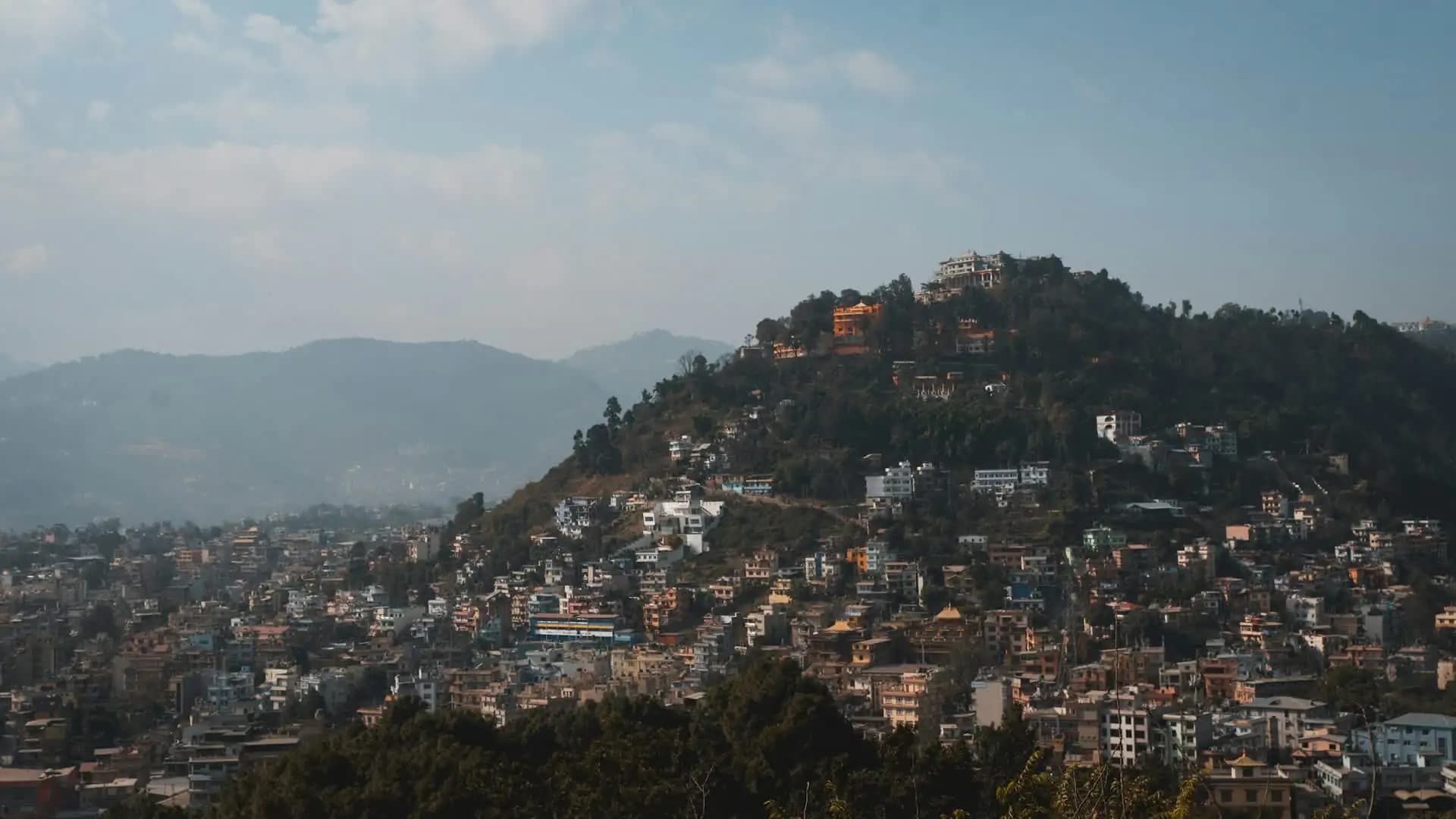
Most people picture Kathmandu as a crowded city of temples, traffic, and trekking-gear shops. Fewer know that the same valley is ringed by forested hills holding a national park, a botanical garden, and some of the best birdwatching in the country, all within an hour or two of the city center. On a good morning you can stand under oak and rhododendron forest, hear a pheasant calling from the undergrowth, and see snow peaks above the haze, without ever leaving the valley's rim.
This guide is about that side of the valley. Instead of simply listing summits, it explains the nature you will actually meet on the trails: the forest types, the wildlife you can realistically hope to see, the birds worth waking up early for, the seasons when the hills are at their best, and how to walk through it all safely and respectfully. If you are planning hiking in Kathmandu Valley with an eye for forests and wildlife rather than just views, this is the guide to start with.
Quick Answer: Best Nature and Wildlife Trails in the Valley
Area | Best For | Typical Effort | Highlights |
|---|---|---|---|
Shivapuri Nagarjun National Park | Forest, mammals, birds | Half day to full day | Oak and rhododendron forest, black bear and leopard habitat, hundreds of bird species |
Phulchoki and Godawari | Birds, orchids, rhododendron | Half day to full day | Important Bird Area, botanical garden, the highest hill on the valley rim |
Nagarjun Jamacho | A quick forest walk | 4–5 hours round trip | Monastery, monkeys, forest birds |
Champadevi and Chandragiri ridge | Forest ridge walking | Full day | Mixed forest and mountain views |
Taudaha Lake and valley wetlands | Easy birdwatching | 1–3 hours | Water birds and migrants in season |
Chisapani to Nagarkot | A short overnight forest trek | 2 days | Forest, ridge, and sunrise |
The figures that appear in this guide, such as elevations and species counts, differ a little between sources. We give ranges where that is the case, and the practical advice holds regardless.
The Valley as a Nature Destination
The Kathmandu Valley is a high bowl, with the valley floor at roughly 1,300 to 1,400 meters, surrounded by hills that rise to around 2,700 meters. That rise of well over a thousand meters packs several ecological zones into a very small area. At the bottom you find farmland, small rivers, and wetlands. Above that come subtropical broadleaf forests, then oak, laurel, and pine, and on the highest hills rhododendron forest and cooler mixed woodland.
This vertical range is why the valley punches above its weight for wildlife. Birds, in particular, respond to elevation, so a single day moving uphill can show you very different species at the bottom and the top. It also explains why the hills are so important for the city: the forested slopes act as a watershed, helping feed the streams that run into the valley.
Why the Valley's Forests Matter
The hills around Kathmandu are more than scenery. Their forests hold soil on steep slopes, slow the runoff during the monsoon, and feed the streams that flow toward the valley floor. Descriptions of Shivapuri Nagarjun National Park emphasize its role as an important watershed for the valley, and the park grew out of earlier protection of its watershed area. Sundarijal, one of the main gateways to the park, is closely associated with the valley's water supply. When you walk through these forests, you are walking through landscape that quietly supports a city of millions, which is a good reason to treat it with care.
Forest Types You Will Walk Through
Understanding what you are walking through makes a hike richer. Descriptions in park and botanical sources point to a consistent pattern.
Elevation Band (approx.) | Forest Character | What You May Notice |
|---|---|---|
Valley floor to about 1,500 m | Farmland, scrub, and subtropical broadleaf patches | Rice terraces, bulbuls, small streams |
About 1,500 to 2,000 m | Subtropical to warm temperate broadleaf forest, with Schima and Castanopsis | Dense, humid canopy, ferns, mushrooms in the wet season |
About 2,000 to 2,500 m | Oak, laurel, and chir pine mixed forest | Moss-covered trunks, more birdsong |
Above about 2,500 m | Oak and rhododendron forest, cooler and damper | Rhododendron blooms in spring, mist in the monsoon |
These are broad bands rather than hard lines. Slope, aspect, and local conditions shift them, but the general idea is useful: the higher you go, the cooler and damper the forest becomes.
Shivapuri Nagarjun National Park: The Valley's Wild Heart
Shivapuri Nagarjun National Park is the main protected area for hiking in Kathmandu Valley, and it is easy to reach from the city. It covers roughly 159 square kilometers on the northern rim of the valley and was declared a national park in 2002, making it Nepal's ninth. The Nagarjun forest, about 15 square kilometers, was added in 2008. Research papers describe it as the only protected area in Nepal's mid-hills, which helps explain why it matters so much for biodiversity.
Park Fact | Detail |
|---|---|
Area | About 159 km² |
National park status | 2002, Nepal's ninth national park |
Nagarjun addition | About 15 km², added in 2008 |
Highest point | Shivapuri Peak, 2,732 m |
Main forest types | Schima-Castanopsis, pine, oak and rhododendron |
Mammals | Around 19 to 24 species, depending on the survey |
Birds | From 177 species in older official listings to more than 300 in later surveys |
Butterflies | Roughly 100 species recorded |
Mushrooms | Roughly 120 to 129 species |
Species numbers vary because surveys differ in method and date, so the safest way to read them is as a range. The headline is the same either way: for a park so close to a capital city, it is remarkably rich.
Wildlife of the Park
The park shelters a real range of animals, though most are shy and nocturnal.
Animal | Notes for Hikers |
|---|---|
Rhesus macaque | Very common, often seen near trailheads and temples |
Common langur | Frequently seen in the trees |
Barking deer | Occasionally glimpsed at dawn or dusk |
Wild boar | Sometimes seen or heard in the forest |
Himalayan goral | A mountain goat-antelope on steep, rocky slopes |
Jungle cat and golden jackal | Present but rarely seen |
Yellow-throated marten and large Indian civet | Present, mostly nocturnal |
Leopard | Present in the park, but sightings by hikers are very rare |
Himalayan black bear | Present, but also very rarely encountered |
Park publications list some rarer protected species too, but you should not expect to see them. The realistic goal for a day hiker is monkeys, birds, butterflies, and perhaps a deer, with the occasional unseen presence suggested by tracks or droppings.
Birds, Reptiles, and Plants
Bird counts for the park range from 177 species in older official listings to more than 300 in later surveys, which is plausible given how many migrants pass through. Commonly reported species include Himalayan griffon vultures, the Eurasian eagle-owl, the spotted forktail along streams, and the spiny babbler, a bird often described as Nepal's only endemic species. Reptiles include several snakes, among them pit vipers and cobras, though encounters are rare and most snakes avoid people. The park also records more than two thousand plant species when flowers, ferns, and other groups are counted together, with medicinal herbs growing at higher elevations.
Main Hiking Zones in the Park
Starting Point | Character | Notes |
|---|---|---|
Budhanilkantha | The classic approach to Shivapuri Peak | Long, steady forest climb to the summit |
Sundarijal | Waterfall and forest, a gateway to the Helambu and Chisapani routes | A popular start for longer walks |
Fulbari Gate (Goldhunga) | Access to Nagarjun Jamacho | A shorter, steeper forest hike to a small monastery |
Chisapani | The eastern side of the park | A common stop on overnight routes toward Nagarkot |
Fees and Rules
Entry fees apply at the park gates. Recent operator listings report NPR 1,000 for foreign visitors, NPR 600 for SAARC nationals, and NPR 100 for Nepali citizens, while some older official listings show a lower figure for foreigners. Fees are updated from time to time, so confirm the current amount at the gate or with your operator. Guide requirements for day hikes inside the park have also varied, and many operators arrange a guide for foreign visitors as standard practice. You can find general park information on the Nepal Tourism Board's Shivapuri Nagarjun page and through the Department of National Parks and Wildlife Conservation.
Phulchoki and Godawari: The Birdwatcher's Hill
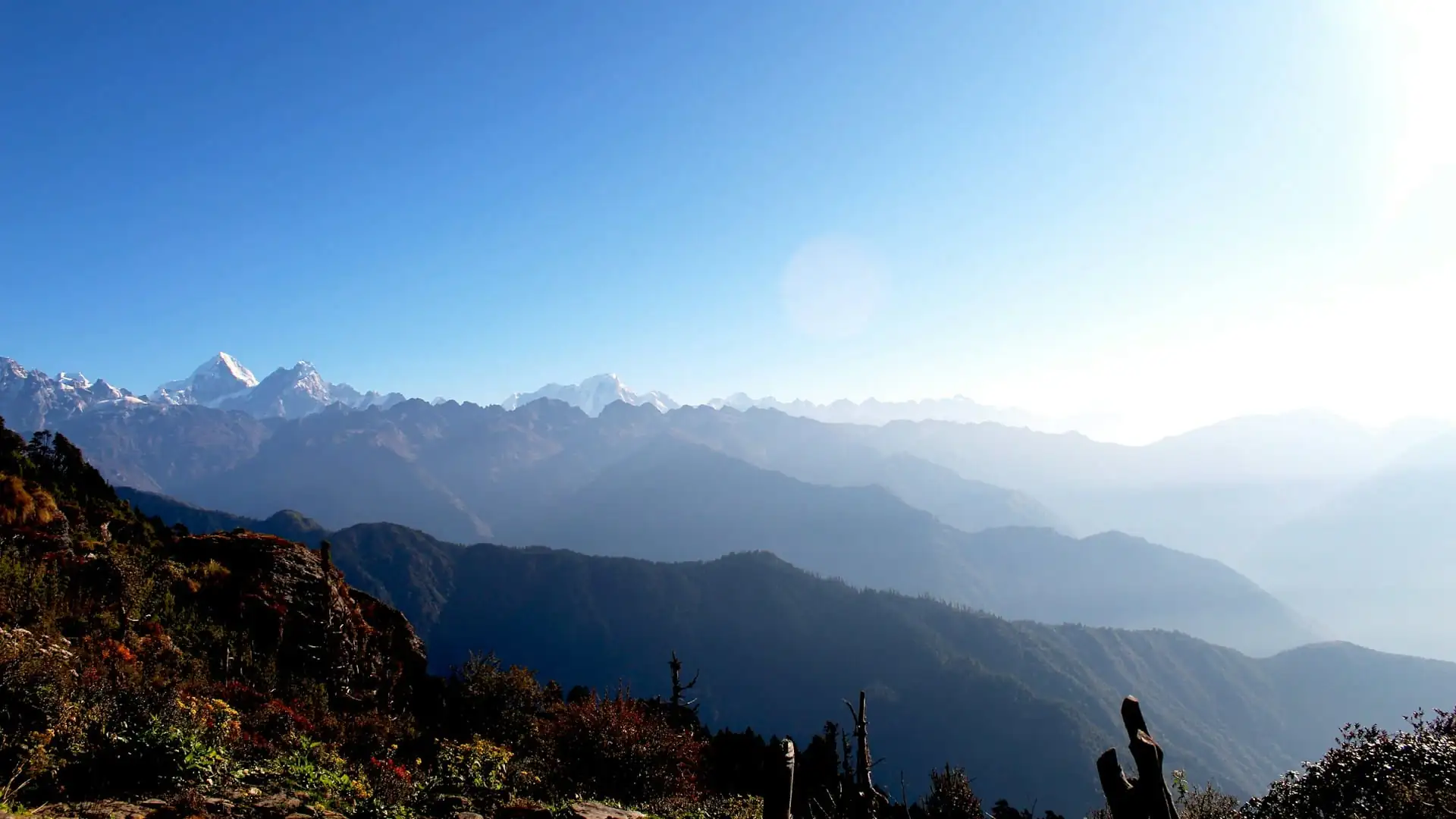
If Shivapuri is the valley's forest wilderness, Phulchoki is its botanical and birding showpiece. Phulchoki is the highest hill on the valley rim, with elevation figures commonly cited between about 2,715 and 2,790 meters, and the name is often translated as "hill of flowers." At its foot lies the Godawari National Botanical Garden, at roughly 1,500 meters.
Feature | Detail |
|---|---|
Phulchoki elevation | Roughly 2,760 to 2,790 m, with some sources giving slightly lower figures |
Godawari Botanical Garden | Established in 1962, about 82 hectares, at roughly 1,515 to 1,524 m |
Bird species on and around Phulchoki | Roughly 265 to 290 recorded |
Bird species in the garden grounds | More than 100 recorded |
Birds in the whole valley | Around 500 species recorded |
Best birding season | September to April, when migrants are present |
Rhododendron bloom | Late winter through spring, commonly peaking in March and April |
Why Phulchoki Is So Special
The slope of Phulchoki climbs from subtropical broadleaf forest at the base through oak, laurel, and chir pine mixtures, up to rhododendron at the higher elevations. That gradient creates habitat for both low-altitude and high-altitude species. Birding references list Phulchoki and Godawari as an Important Bird Area, and regularly reported species include the kalij pheasant, hill partridge, golden-throated barbet, speckled piculet, collared owlet, mountain hawk-eagle, and black eagle. Rarer species such as the satyr tragopan are reported but are not something to count on.
The Godawari Botanical Garden
The garden is a gentle introduction to the area, with themed sections, ponds, an orchid house, and a long list of plant species. Trails from the upper boundary lead into the forest on Phulchoki, so you can combine a garden stroll with a hike. The garden is a good choice for beginners, families, and anyone who prefers quieter, easier walking. Weekday visits are usually calmer than weekends. Birdwatchers often start here early, then continue up the hill.
Hiking Phulchoki
Hiking to the summit is a long, full day for most hikers and one of the more demanding forest walks around the valley. The reward is a quiet forest, excellent birdlife, and a broad view from the highest point on the rim. Because the hill is far less visited than the northern hikes, it also gives a stronger sense of solitude.
Other Good Nature Spots Around the Valley
Champadevi and the Chandragiri ridge. This is a classic forest ridge walk on the southwestern rim, passing through mixed forest with views over the valley. Champadevi is around 2,285 meters and Chandragiri about 2,551 meters. The route works well for hikers who want a long day among trees rather than a short viewpoint walk.
Taudaha Lake and the valley wetlands. Small lakes, rivers, and open farmland in the valley floor attract water birds and migrants. Birding references name Taudaha Lake, the Bagmati and Manohara rivers, and open farmland as productive areas, and one source counts a few dozen species in these wetland and farmland habitats alone. It is an easy outing for anyone who wants birds without climbing.
Nagarkot and the eastern ridge. Nagarkot is better known for sunrise views, but the surrounding forest and village trails also offer pleasant, easy nature walks. It is a good base for a quiet morning.
Kakani and the northwestern ridge. A calmer hill-station area with gentle walks and views across to the Ganesh Himal and Langtang ranges on clear days.
For a broader view of what to see in and around the valley, our guide to Nepal's tourist places and Kathmandu day tour guide are useful companions, especially if you want to pair a nature morning with an afternoon of temples.
Trail Notes: What Each Hike Feels Like
Numbers are useful, but it also helps to know the character of each walk. These notes focus on the natural experience rather than the logistics, and timings are approximate.
Nagarjun Jamacho
The trailhead at Fulbari Gate, in the Goldhunga area, sits at roughly 1,400 meters, and the walk to Jamacho Gumba, a small Buddhist monastery at around 2,100 to 2,150 meters, usually takes three to four hours up and four to five hours round trip. The trail starts with stone steps and then slips into forest, where birds and monkeys are common companions. It is the nearest forest hike to the tourist district of Thamel, so it is busiest on weekends. Go on a weekday morning if you want quiet.
Champadevi
Champadevi, about 2,285 meters, is reached from the Hattiban or Pharping side and typically takes two and a half to three hours to climb, with a round trip of five to seven hours. The path passes through mixed forest with open viewpoints, and a small shrine marks the top. Many hikers continue along the ridge toward Chandragiri, at about 2,551 meters, for a longer day with more forest and broader mountain views.
Shivapuri Peak
From Budhanilkantha, the walk to Shivapuri Peak at 2,732 meters is a full-day outing, with commonly cited figures of roughly 16 kilometers round trip. It is the most substantial forest hike on the northern rim, and the reward is long stretches of quiet forest and a high, open summit. From Sundarijal, trails lead along the Bagmati watershed toward Chisapani and Helambu, passing through some of the park's most atmospheric forest.
Phulchoki and Godawari
Time on Phulchoki depends heavily on where you start. Estimates for the walk from the garden's upper boundary to the summit and back range from about three to four hours in some sources, while longer routes starting lower or lingering for birds can fill a full day. Whichever you choose, start early, because birds are most active in the morning and afternoon mist often rolls in.
Chisapani to Nagarkot
This two-day route links Chisapani, on the eastern edge of the national park, to Nagarkot through forest and ridge, with an overnight stay in a village lodge. It is a pleasant way to experience the forest at a slower pace and to catch both a sunset and a sunrise from the ridge.
Wildlife You Can Realistically Expect to See
It helps to set honest expectations. Most of the valley's mammals avoid people, and the busiest trails are the least likely to produce a sighting. Here is a realistic ranking for a typical day hiker.
Wildlife | Likelihood on a Day Hike |
|---|---|
Rhesus macaques | Very high near trailheads and temples |
Common langurs | Moderate to high in forested sections |
Forest birds | Very high, especially early in the morning |
Butterflies | High in warm, sunny conditions |
Barking deer | Low to moderate at dawn or dusk |
Wild boar or other medium mammals | Low |
Leopard or black bear | Very low; most hikers never see one |
The most reliable wildlife experience in the valley is birds. Even a short walk with a little patience and a pair of binoculars can deliver a long list of species.
A Birdwatching Guide for the Valley
The Kathmandu Valley is one of the easiest places in Nepal to get into birdwatching, because quality habitat is close to the city and species diversity is high. Estimates put the number of species recorded in the valley at around 500, out of more than 800 recorded in Nepal as a whole.
Best Birding Sites
Site | What to Look For |
|---|---|
Phulchoki and Godawari | Forest species, barbets, woodpeckers, pheasants, warblers, and raptors |
Shivapuri Nagarjun | Himalayan bulbul, kalij pheasant, red-billed blue magpie, great barbet, and raptors |
Taudaha Lake | Water birds and migrants in season |
Bagmati and Manohara rivers | Riverside and farmland birds |
Nagarkot and forest edges | Mixed forest and edge species |
When to Go
Autumn through early spring is the prime time for birding. Migrants arrive from September and stay through winter, and many resident species are more visible in the cooler, drier months. Spring brings song and breeding activity, with rhododendrons in bloom. The monsoon is lush but wet, and birds can be harder to see in dense foliage.
How to Bird Well
Go early. Birds are most active in the first hours after dawn.
Walk slowly and stop often. Listening is as important as looking.
Bring binoculars and a field guide or app. They transform the experience.
Keep your distance. Do not use playback or approach nests.
Dress in muted colors to avoid startling birds.
Bird Conservation Nepal is a good source for checklists, local events, and conservation information at birdlifenepal.org.
Plants, Flowers, and Mushrooms
The valley's hills are also botanical treasure houses. The Godawari garden and the forests of Phulchoki are known for rhododendrons and orchids, with bloom commonly peaking in March and April, though flowering can begin in late winter and continue into late spring. Shivapuri's higher slopes shelter medicinal herbs, and the park is rich in ferns and fungi, with a hundred or more mushroom species recorded. Mushrooms appear mainly in the wet season, when the forest floor is damp, so a monsoon walk can be fascinating for fungi enthusiasts even if the views are poor. As a rule, look but do not pick, since collecting plants or mushrooms in protected areas is generally prohibited.
Butterflies and Insects
Around one hundred species of butterflies and related insects have been recorded in Shivapuri Nagarjun, and the Godawari area is known for butterflies and moths as well. Warm, sunny days in spring and autumn tend to be best, particularly along open trails and forest edges where flowers grow. A simple way to enjoy them is to walk slowly along a sunny stretch of trail and watch the edges.
Slow Walking and Mindful Time in the Forest
Not every nature hike needs to be a performance. Many visitors find that the quieter forest trails around the valley are ideal for slow, mindful walking: pausing often, listening to birds, and noticing moss, ferns, and light filtering through the canopy. There is no required technique. Simply leave the phone in your pocket for a stretch, walk without a goal, and let the forest set the pace. A short, unhurried walk in the early morning can be a calm contrast to the noise of the city.
Photographing Nature in the Valley
Forest and wildlife photography rewards patience more than gear. A few habits help.
Tip | Why It Helps |
|---|---|
Shoot in the first and last hours of light | Soft light flatters forests, flowers, and birds |
Use a telephoto lens or zoom for birds | It lets you keep a respectful distance |
Watch for backlit rhododendron petals | Spring light through petals can be striking |
Keep your movements slow | Sudden movement scares animals away |
Protect equipment from damp | Mist and rain are common in forest zones |
Always put the animal's welfare ahead of the shot. Do not bait, chase, or crowd wildlife, and never disturb nests.
How to Contribute to Conservation While You Hike
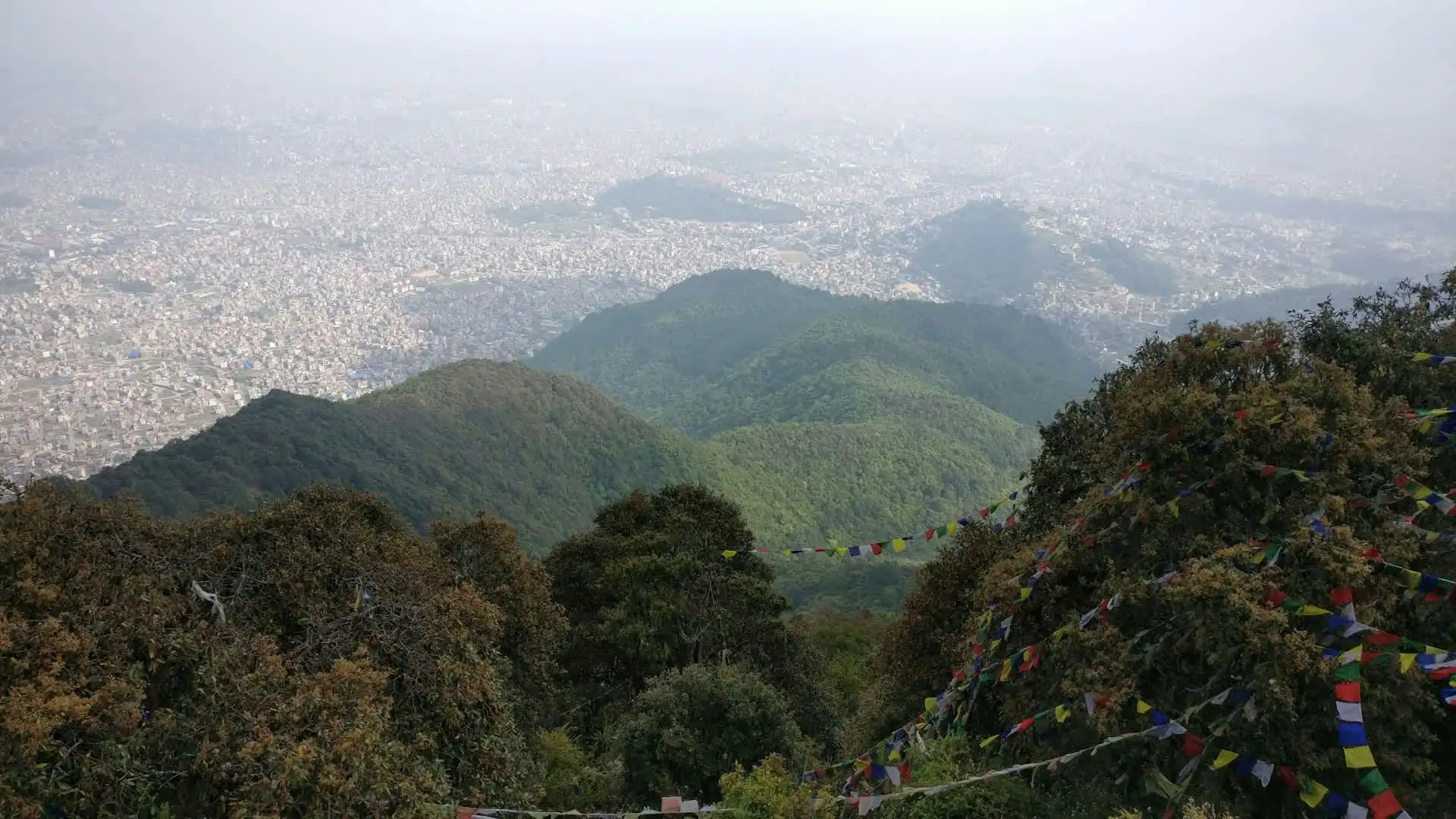
Visitors can help protect the valley's wildlife in small ways. Recording your bird sightings with a birding app or checklist adds to the shared record of what lives where, and local organizations such as Bird Conservation Nepal run events and share information for interested visitors. Staying on trails, packing out trash, and choosing guides and operators who respect park rules all reduce pressure on the forest. If you notice litter or illegal activity, report it to park staff rather than confronting anyone yourself.
A Nature Calendar for the Valley
Season | What the Hills Offer |
|---|---|
Autumn (September to November) | Clear air, migrating birds arriving, crisp mornings, the best views |
Winter (December to February) | Cold mornings, excellent birding, quieter trails, haze in the valley but clear air on the ridges |
Spring (March to May) | Rhododendron and orchid bloom, active birds, warming temperatures |
Monsoon (June to August) | Lush green forest, mushrooms, butterflies, but rain, mist, and leeches |
If you can choose, autumn and spring are the most reliable for combining good weather with active wildlife, while winter is excellent for birders who do not mind cold starts.
Month-by-Month Guide
For readers who like to plan precisely, here is a month-by-month view. Conditions vary from year to year, so treat it as a guide rather than a promise.
Month | What to Expect |
|---|---|
January | Cold mornings, clear ridge views, good birding, quiet trails |
February | Late-winter light, early rhododendron buds at higher elevations, still cool |
March | Rhododendron and orchid bloom begins to build, active birds |
April | Often peak bloom on Phulchoki, warm days, some haze |
May | Warmer and hazier, late blooms at height, growing humidity |
June | Monsoon begins; lush forest, leeches, mist, fewer views |
July | Heavy rain, mushrooms, dense green; best for fungi rather than views |
August | Rain continues; waterfalls and green slopes, slippery trails |
September | Rains ease, air clears, migrants begin to arrive |
October | Crisp, clear, and one of the best months for views and birds |
November | Dry, cool, and very clear, with good birding |
December | Cold mornings, bright days, excellent for ridge hikes |
Weather, Haze, and Air Quality
Kathmandu's dry season can bring haze in the valley, and air quality in the city is sometimes poor, particularly in late winter and spring. The hills above the valley floor are usually cleaner, so a ridge hike can be a welcome escape from city air. Check the forecast and the air-quality conditions before you go, and consider a lightweight mask or buff for the trailhead stretch if you are sensitive to dust. Clear, crisp mornings after rain, especially in autumn, often offer the best visibility of both the valley and the distant mountains.
Matching a Trail to Your Interest
If You Love | Choose |
|---|---|
Big forest and a long day | Shivapuri Peak from Budhanilkantha |
A short, quiet forest walk | Nagarjun Jamacho |
Birds and flowers | Phulchoki and Godawari |
A forest ridge with views | Champadevi to Chandragiri |
Easy wildlife without climbing | Taudaha Lake and the valley wetlands |
An overnight forest trek | Chisapani to Nagarkot |
Sample Nature Itineraries
Time Available | Plan |
|---|---|
Half day | Nagarjun Jamacho in the early morning, then lunch in Thamel |
One day, birds focus | Godawari Botanical Garden at dawn, then the forest trail on Phulchoki |
One day, forest focus | Shivapuri Peak from Budhanilkantha |
Two days | Chisapani to Nagarkot with a village overnight and a sunrise walk |
Three days | Day 1 Godawari and Phulchoki, Day 2 Jamacho, Day 3 Champadevi or Taudaha |
If you want a ready-made overnight route through the forests of the northern rim, our Chisapani Nagarkot Trek package is a straightforward introduction to the area.
Wildlife Safety and Etiquette on the Trail
The valley's forests are safe for most hikers, but sensible habits go a long way.
Macaques. Rhesus macaques are bold around trailheads and temples. Keep food sealed and out of sight, do not feed them, avoid direct eye contact, and do not carry loose plastic bags that look like food.
Large mammals. Leopards and Himalayan black bears live in the park, and encounters are very rare. Hiking in a group, making noise on forest trails, and avoiding dawn or dusk solo walks in dense forest reduce any risk further. If you ever see a bear or leopard, stay calm, give it space, and back away slowly without turning your back.
Snakes. Pit vipers and other snakes live in the forest, though most avoid people. Wear closed shoes, watch where you step, and do not put hands where you cannot see, especially in the wet season.
Leeches. In the monsoon, leeches are common on damp forest trails. Leech socks, repellent, or simply avoiding wet-season hikes keeps them at bay.
Do not disturb wildlife. Keep your distance, never feed animals, and avoid loud music or unnecessary noise. Take only photographs and leave only footprints.
A Starter Bird Checklist by Habitat
Birders often keep a simple list of target species for each habitat. The species below are regularly reported in birding references for the valley, though sightings always depend on season, luck, and patience.
Habitat | Regularly Reported Species |
|---|---|
Phulchoki forest | Kalij pheasant, hill partridge, golden-throated barbet, speckled piculet, collared owlet, mountain hawk-eagle, black eagle |
Godawari garden and streams | Lesser racket-tailed drongo, Tibetan siskin, spotted forktail |
Shivapuri Nagarjun forest | Himalayan bulbul, kalij pheasant, great barbet, red-billed blue magpie, Himalayan griffon, Eurasian eagle-owl |
Open farmland and wetlands | A mix of resident and migratory water and farmland birds |
Do not feel pressured to tick off a list. Even a short walk with binoculars usually produces plenty of memorable birds, and learning a few calls by ear can double what you notice.
A Spring Bloom Guide
Spring is the season many visitors remember best. Rhododendron flowers appear across the higher hills, orchids bloom in the Godawari area, and the forest fills with activity. To make the most of it, aim for March and April, start early to catch soft light, and choose Phulchoki or the higher Shivapuri trails for the densest flowering. Because bloom timing shifts with each year's weather, check recent reports or ask a local guide before committing to a particular week.
Sharing the Trail with Locals and Pilgrims
Many valley trails are also paths for local people, whether walking to a village, visiting a shrine, or collecting daily supplies. Greet people with a friendly "namaste," step aside on narrow sections, and slow down when passing groups. At small monasteries and shrines on the trails, dress modestly, remove shoes if asked, and ask before photographing people. Treating the trail as a shared space makes for warmer encounters and a better experience for everyone.
What to Pack for a Nature Hike
Item | Why It Matters |
|---|---|
Sturdy shoes with good grip | Forest trails can be steep and slippery |
Layers and a light rain jacket | Mornings are cool and weather changes quickly |
Binoculars | Essential for birds and distant wildlife |
Water and snacks | Few facilities on forest trails |
Insect and leech protection | Useful in warm, wet months |
Sun protection | Open ridges can be exposed |
A small notebook or birding app | Helps you remember what you see |
Small cash in rupees | Entry fees and tea stops |
Our Mardi Himal trek packing list covers a fuller kit if you are building toward a multi-day trek, and much of it applies to longer valley hikes too.
Valley Hikes as Preparation for Bigger Treks
Forest hikes around the valley are excellent training. All the main hills stay below about 2,800 meters, so altitude sickness is not a concern, but long climbs with a daypack build the legs, lungs, and confidence you need for higher treks. A back-to-back weekend of Phulchoki and Shivapuri, for example, is a realistic test of how you handle consecutive hiking days.
If you are looking ahead, hiking in Kathmandu Valley is a natural warm-up for a trek such as Mardi Himal or the Langtang Valley Trek, both of which start with forested trails similar to those in the valley. For context on how these elevations compare with higher routes, our Nepal elevation guide is a handy reference.
Hiking with Kids, Older Hikers, or Alone
Many valley hikes suit a wide range of ability. Godawari's garden paths, Nagarkot's gentle ridge walks, and Taudaha's lakeside paths are easy choices for families and older hikers. Jamacho and Champadevi are manageable for older children and fit adults with plenty of breaks. Longer routes such as Phulchoki and Shivapuri Peak are better for experienced hikers.
For solo hikers, quieter trails inside the national park can branch confusingly, and mobile coverage is not guaranteed. Tell someone your route, start early, and consider hiring a guide. Under Nepal's trekking rules, foreign trekkers in regulated areas generally need a licensed guide, and our explanation of the guide requirement covers how it applies to longer treks. For day hikes inside the valley, many operators arrange a guide as standard practice, and it is worth confirming current rules before you go.
Combining Nature Walks with Other Activities
One of the pleasures of hiking in Kathmandu Valley is how easily it combines with other things to do. A morning in the forest pairs well with an afternoon of temples, a lunch in an old town, or a visit to a monastery. For a broader sense of the activities available across the country, from rafting to wildlife safaris, our guide to tourist activities in Nepal shows how a valley hiking day can fit into a longer trip.
Responsible Hiking in a Protected Landscape
The valley's forests are under pressure from a growing city, so small choices matter. Carry out all your trash, including organic waste, stay on marked trails, and avoid picking plants or disturbing animals. Respect religious sites on the trails, such as small monasteries and shrines, by dressing modestly and keeping your voice low. Support local tea shops and guides, and choose operators who respect park rules. These habits help keep the hills healthy for the birds, animals, and people who depend on them.
What Does a Valley Hike Cost?
Hiking in Kathmandu Valley is among the most affordable outdoor activities in Nepal. The main costs are transport to the trailhead, any park entry fee, and a guide if you choose one.
Cost Item | Typical Range |
|---|---|
Park entry fee (Shivapuri Nagarjun) | Reported at about NPR 1,000 for foreigners in recent listings; confirm at the gate |
Taxi or private transport | Varies with distance and traffic |
Guided day hike | Often about USD 50 to 95 per person depending on group size and inclusions |
Food and tea | Low, mostly at small trailside shops |
Guided prices commonly include private transport, a guide, and the park fee, but always check what is covered so you can compare offers fairly.
Common Mistakes to Avoid
Starting late. Birds and wildlife are most active early, and clouds often gather by midday.
Wearing the wrong shoes. Smooth soles are risky on steep, damp forest trails.
Ignoring the season. Monsoon hikes are slippery and leech-prone, and views are often hidden.
Feeding monkeys. It encourages aggressive behavior and is harmful to the animals.
Leaving no buffer time. Traffic can add significant time to getting in and out of the valley.
Expecting big mammals. Focus on birds, butterflies, and forest atmosphere, and treat any larger sighting as a bonus.
A Quick Pre-Hike Checklist
Check | Done? |
|---|---|
Weather and air-quality forecast reviewed | |
Entry fee and guide requirements confirmed | |
Water, snacks, and layers packed | |
Binoculars or camera charged and ready | |
Someone knows your route and return time | |
Small cash in rupees in your pocket |
A few minutes of preparation makes the difference between a stressful scramble and a calm, rewarding day on the trail.
Planning Your Valley Hikes with Adventure Life Nepal
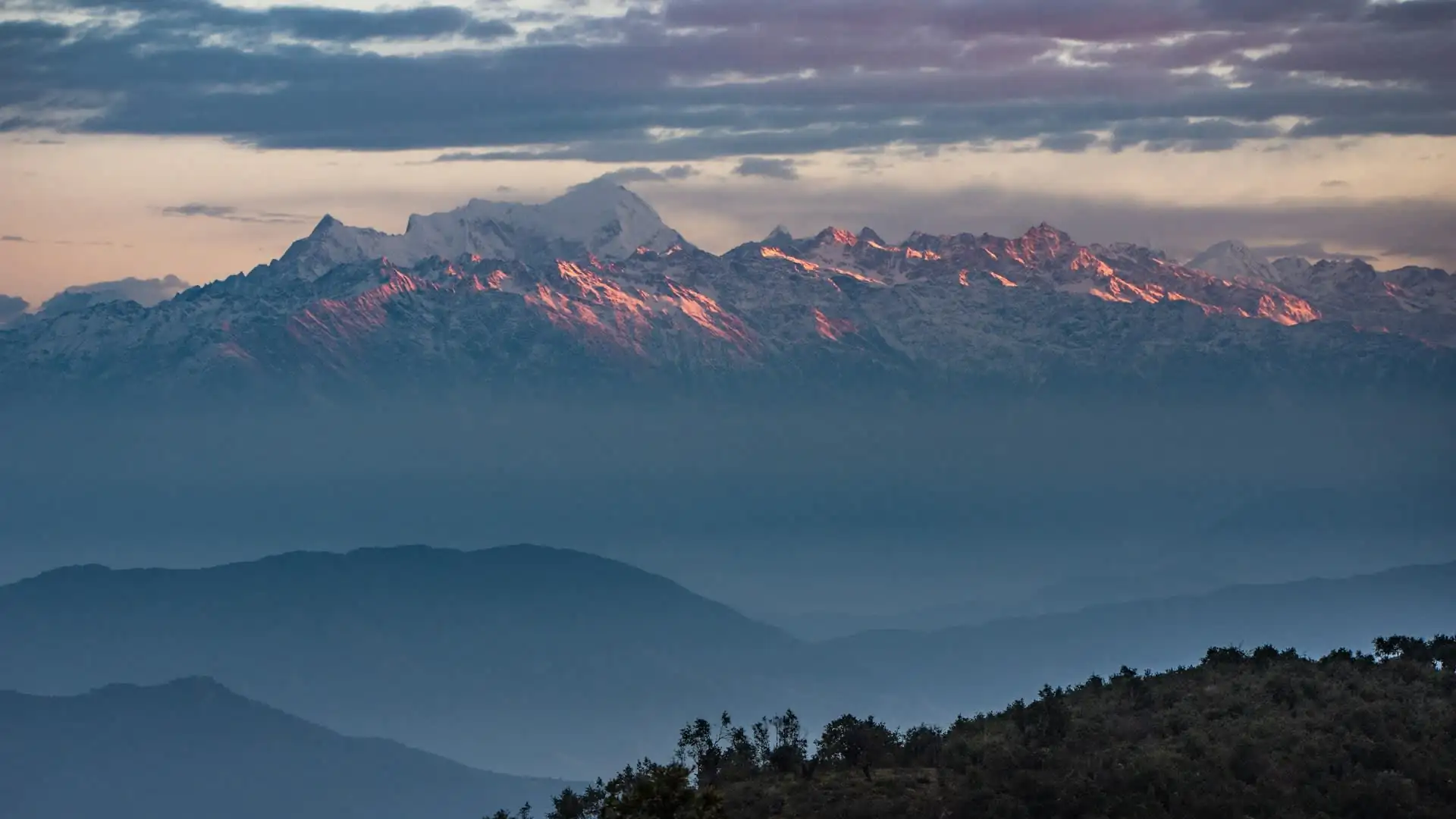
We arrange guided nature walks and day hikes in the valley, from relaxed forest strolls to long ridge days, matched to your interests, fitness, and schedule. If you care most about birds, flowers, or simply quiet forest, tell us and we will recommend the right trail and the right season. Many travelers add a valley hike before a longer trek to adjust to the country and test their gear, and we are happy to build that into your itinerary.
Frequently Asked Questions about Hiking in Kathmandu Valley
1. What is the best place for hiking in Kathmandu Valley for nature and wildlife? Shivapuri Nagarjun National Park is the main choice for forest and wildlife, while Phulchoki and the Godawari Botanical Garden are best for birds, orchids, and rhododendrons.
2. How big is Shivapuri Nagarjun National Park? About 159 square kilometers, including the Nagarjun forest of roughly 15 square kilometers that was added in 2008. It was declared a national park in 2002.
3. What animals live in Shivapuri Nagarjun National Park? Rhesus macaques, common langurs, barking deer, wild boar, jungle cats, golden jackals, Himalayan goral, leopards, and Himalayan black bears, among others, though most are shy and rarely seen.
4. Can I see leopards or bears on a day hike? It is very unlikely. Both live in the park, but sightings by day hikers are very rare. Making noise and hiking in a group further reduces the chance of a surprise encounter.
5. How many bird species are there in the Kathmandu Valley? Around 500 species have been recorded in the valley, out of more than 800 recorded across Nepal.
6. Why is Phulchoki famous for birdwatching? Its slope spans several forest types, creating habitat for many species. Roughly 265 to 290 species have been recorded on and around the hill, and it is listed as an Important Bird Area in birding references.
7. When was the Godawari Botanical Garden established? In 1962. It covers about 82 hectares and lies at roughly 1,500 meters at the foot of Phulchoki.
8. When is the best time for birdwatching around Kathmandu? From September to April, when migrants are present and many resident birds are most visible. Early mornings are best in every season.
9. When do rhododendrons bloom near Kathmandu? Flowering begins in late winter and continues into spring, with peak bloom commonly in March and April, especially on Phulchoki.
10. How high is Phulchoki? Sources give roughly 2,715 to 2,790 meters, with many citing about 2,760 meters. It is the highest hill on the Kathmandu Valley rim.
11. How much is the Shivapuri Nagarjun entry fee? Recent operator listings report NPR 1,000 for foreigners, NPR 600 for SAARC nationals, and NPR 100 for Nepali citizens, while some older official listings show a lower foreign fee. Confirm the current price at the gate.
12. Is hiking in Kathmandu Valley safe? Generally yes. The main risks are slippery trails, leeches in the monsoon, and bold macaques near trailheads. Sensible precautions make most hikes safe and enjoyable.
13. Are there snakes on the trails? Yes, including pit vipers and cobras in the park, but most snakes avoid people. Wear closed shoes and watch where you step, especially in the wet season.
14. Is altitude sickness a concern on valley hikes? No. The highest hills stay below about 2,800 meters, where altitude sickness is not a realistic concern.
15. Which valley hike is best for beginners? Nagarjun Jamacho, Godawari Botanical Garden trails, and the gentle ridge walks around Nagarkot are good starting points.
16. Can I do a nature hike near Kathmandu with children? Yes. The Godawari garden paths, Taudaha Lake, and easy ridge walks suit families, while longer routes are better for older children and experienced hikers.
17. What should I bring for birdwatching? Binoculars, a field guide or birding app, comfortable shoes, layers, water, and patience. Start early and walk slowly.
18. Do I need a guide for hiking in the valley? Rules for day hikes inside the national park have varied, and many operators arrange a guide for foreign visitors. Confirm current requirements with your operator or at the gate.
19. Are there leeches in the Kathmandu Valley hills? Yes, during the monsoon on damp forest trails. Leech socks, repellent, or avoiding wet-season hikes help.
20. Can I combine valley hikes with a longer trek? Yes. Many travelers hike in the valley for a few days to acclimatize to the country and test their gear before starting a trek such as Mardi Himal or Langtang.
Talk to an Expert
Ready to explore the valley's forests and wildlife? Message us on WhatsApp at +977 9841248242 and our team will help you choose the right trail.
Author: Dil Bahadur Karki