Manaslu Circuit Trek in Autumn 2026: Complete Guide & Tips
Introduction to Manaslu Circuit Trek in Autumn
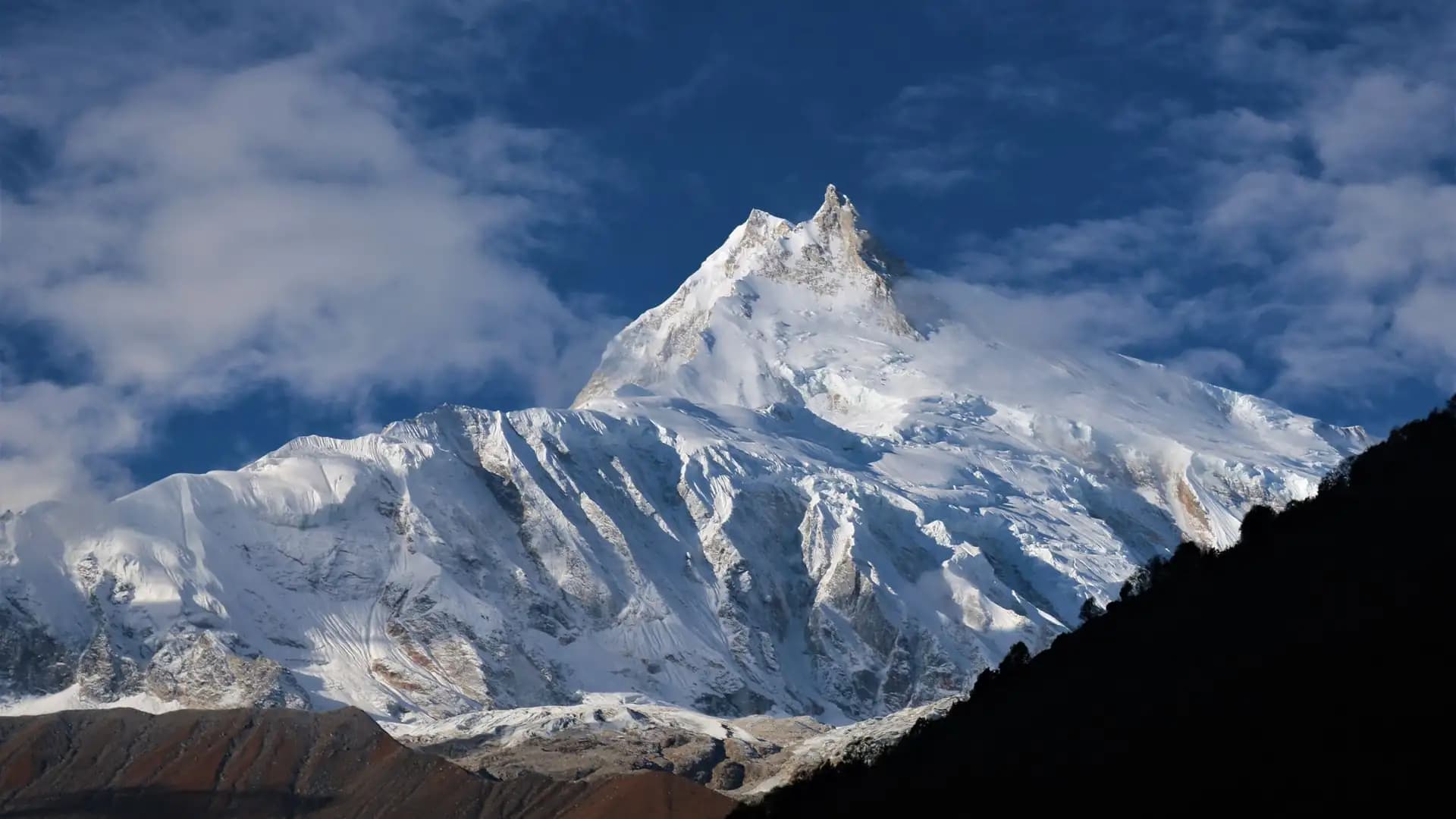
Autumn is the season the Manaslu Circuit Trek is built around. Ask any guide who's walked the trail dozens of times which window they'd pick if they could only choose one, and the vast majority land on late September through November — the stretch when the monsoon has cleared out, the trail has dried, and Mount Manaslu (8,163 m) and the surrounding peaks stand fully uncovered against a genuinely reliable blue sky. It's also, not coincidentally, the busiest and most logistically demanding season to plan around, which is exactly why a proper autumn-specific guide is more useful here than a generic "best time to trek" overview.
This guide covers what autumn actually looks and feels like on this specific route — month by month, altitude by altitude — along with the route, permits, and preparation details you need to plan around it properly.
Quick Answer: Manaslu Circuit Trek in Autumn at a Glance
Factor | Detail |
|---|---|
Recommended window | Late September through November |
Best single month for clear views | October |
Typical daytime temperature (lower trail) | 12–22°C |
Typical nighttime temperature (Larkya La area) | -6°C to -10°C, colder by late November |
Highest point | Larkya La Pass, 5,106 m |
Standard duration | 12–14 trekking days (up to 18 with side trips) |
Total trek distance | Approximately 177 km (110 miles), Machha Khola to Dharapani |
Crowd level | Moderate to high — the busiest season on this route |
Guide requirement | Mandatory, licensed guide through a registered agency |
Why Autumn Is Considered the Best Season for Manaslu
The Manaslu Circuit sits inside a restricted border region in the Gorkha and Manang districts, spanning the Manaslu Conservation Area managed by the National Trust for Nature Conservation alongside the neighboring Annapurna Conservation Area, and its weather swings dramatically by both season and altitude. Autumn works so well specifically because it arrives immediately after the monsoon has washed the dust and haze out of the air, and before winter's heavy snow closes in on Larkya La Pass.
What autumn gets right that other seasons don't:
Dry, stable trail conditions — the muddy, leech-prone lower sections common in monsoon season have fully dried out by mid-to-late September.
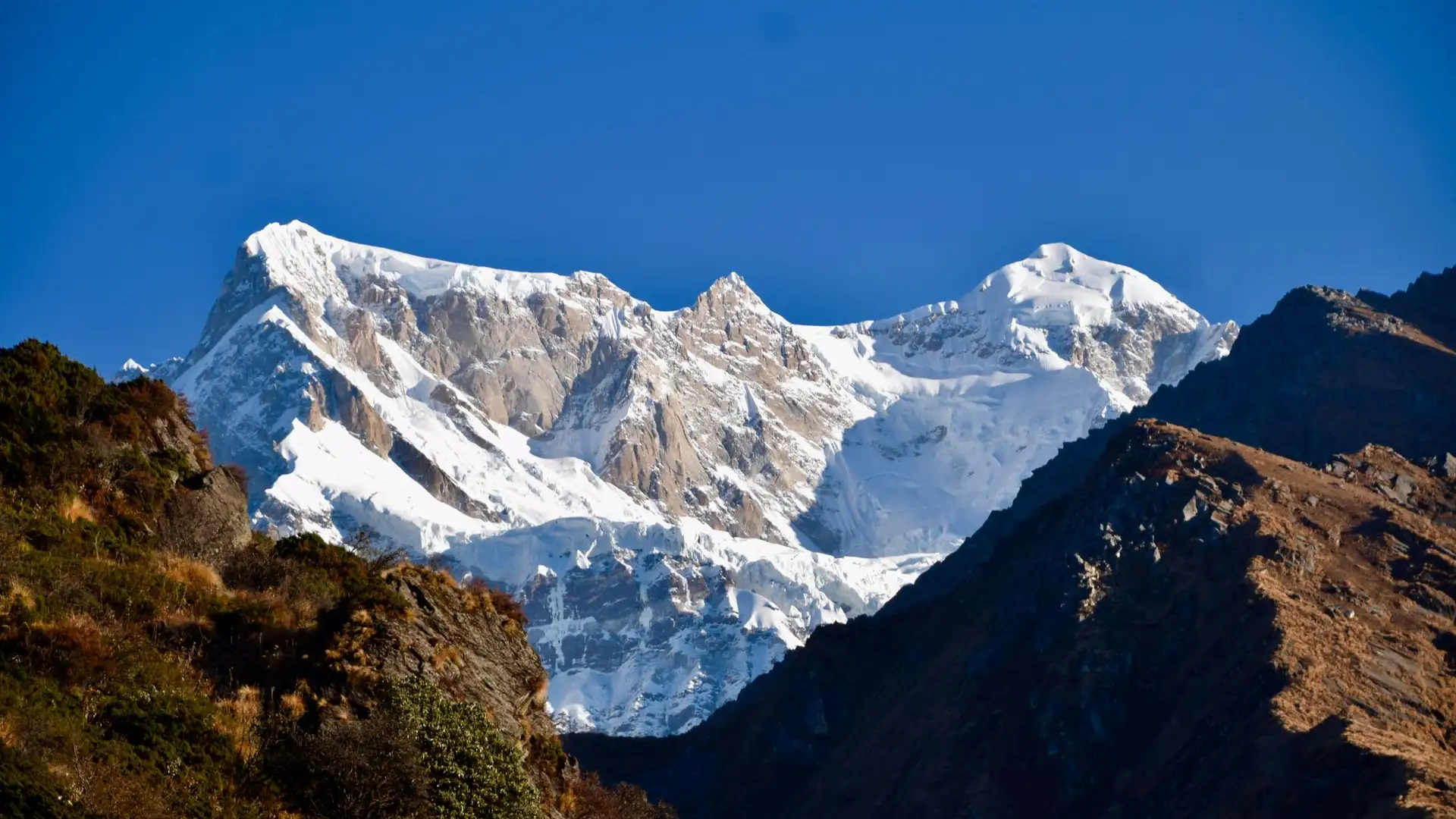
The clearest mountain visibility of the year, particularly through October, when Manaslu, Himalchuli, and the surrounding peaks are visible with minimal cloud interference on most days.
A genuinely accessible Larkya La Pass — the trail's highest and most weather-sensitive point is at its most reliably crossable during this window, compared to the snow-risk of winter or the cloud cover of monsoon season.
Fully staffed, well-stocked teahouses, since operators and lodge owners gear up specifically for the autumn trekking rush.
Month-by-Month Breakdown: September, October, November
Month | Conditions | Recommendation |
|---|---|---|
Early September | Tail end of monsoon; occasional rain, lush greenery, fewer trekkers | Good for those prioritizing solitude over guaranteed clear skies |
Late September | Skies clearing rapidly, trail drying out, conditions approaching October quality | Very good, with noticeably fewer crowds than peak October |
October | Stable, dry, and the most reliable clear skies of the year; the busiest month on the trail | Best overall month for views, though book ahead for teahouse space |
November | Crisp, dry air with excellent visibility; noticeably colder mornings and nights, especially by late month | Excellent for those prioritizing photography and don't mind colder temperatures |
Early to Mid-September
Early September still carries some tail-end monsoon moisture, with occasional afternoon showers possible, particularly in the lower Budhi Gandaki valley sections around Machha Khola and Jagat. By mid-month, skies open up considerably, and the post-monsoon greenery along the lower trail is at its most vivid. This period offers a genuine trade-off: slightly less certain weather in exchange for meaningfully fewer trekkers than the October rush.
Late September to October
This is peak Manaslu season for a reason. Rainfall drops off sharply, trails dry out completely, and October in particular delivers close to consistently clear skies, making it the single most reliable month for mountain visibility on this route. The trade-off is crowding — October is comfortably the busiest month on the Manaslu Circuit, meaning teahouse rooms at popular stops like Samagaon can fill up during the peak two or three weeks of the month.
November
November holds onto autumn's dry, stable weather pattern while temperatures drop steadily, particularly at higher elevations. Mornings and evenings around Samagaon, Dharamsala, and the Larkya La approach become noticeably colder as the month progresses, and by late November, trekkers need genuinely serious cold-weather layers for the high-altitude sections. In exchange, crowds thin out compared to October, making it a strong choice for trekkers who prioritize a slightly quieter trail over the absolute peak of autumn weather.
Temperature by Altitude During Autumn
Because the Manaslu Circuit spans such a dramatic elevation range — from around 700 meters near Soti Khola to 5,106 meters at Larkya La — temperature varies enormously along the same trek, even within a single day.
Location | Altitude | Typical Daytime Temp (Autumn) | Typical Nighttime Temp (Autumn) |
|---|---|---|---|
Soti Khola/Machha Khola | 700–900 m | 20–28°C | 12–18°C |
Jagat/Philim | 1,300–1,570 m | 18–24°C | 12–16°C |
Namrung/Lho | 2,600–3,180 m | 12–18°C | 4–10°C |
Samagaon | 3,520 m | 8–14°C | 0–6°C, colder by November |
Dharamsala/Larkya Phedi | 4,460 m | 4–8°C | -2°C to -6°C |
Larkya La Pass | 5,106 m | 0–5°C at crossing time | -6°C to -10°C, occasionally lower |
These figures reflect typical conditions through the autumn window — early September runs slightly warmer throughout, while late November pushes the colder end of each range, particularly overnight at Dharamsala and the pass itself.
Route and Distance Overview
The standard Manaslu Circuit runs from Machha Khola (or Soti Khola, depending on current road access) to Dharapani, covering approximately 177 kilometers (110 miles) of trail, before a further road journey back to Kathmandu via Besisahar. If you want the complete stage-by-stage breakdown, our dedicated Manaslu Circuit Trek distance guide covers the full route in detail.
Stage | Route | Approximate Altitude |
|---|---|---|
Lower valley | Machha Khola → Jagat → Deng | 869 m → 1,860 m |
Mid valley | Deng → Namrung → Lho → Samagaon | 1,860 m → 3,520 m |
Upper valley | Samagaon → Samdo → Dharamsala | 3,520 m → 4,460 m |
Pass crossing | Dharamsala → Larkya La (5,106 m) → Bimthang | 4,460 m → 5,106 m → 3,590 m |
Descent | Bimthang → Tal → Dharapani | 3,590 m → 1,960 m |
For the exact starting point and how road access has changed in recent years (jeeps now reach further up the valley than they once did), our Manaslu Circuit Trek starting point guide breaks this down in more depth.
Standard Itinerary Length for Autumn Trekking
Itinerary | Trekking Days | Notes |
|---|---|---|
Standard | 12–14 days | The most commonly booked structure, allowing gradual acclimatization to Larkya La |
Extended (with Tsum Valley) | 18–21 days | Adds the neighboring restricted Tsum Valley as a side trip |
Compressed | 10–11 days | Possible for very fit, experienced trekkers, though it reduces acclimatization buffer |
Autumn's stable weather makes it a reasonable season to consider the standard 12–14 day itinerary without excessive worry about weather-related delays at Larkya La, though building in at least one flexible day around the pass crossing is still worth doing, given how quickly conditions there can shift even in a generally stable season. Our full Manaslu Circuit Trek itinerary guide lays out a complete day-by-day structure if you want to see exactly how a standard trip is paced.
Permits Required for Autumn Trekking
Because the Manaslu Circuit runs through a government-restricted border region, permit requirements here are more involved than on non-restricted routes like Annapurna Base Camp or Poon Hill — and notably, autumn carries the highest permit season pricing of the year.
Permit | Autumn Cost (Foreign Nationals) | Off-Season Cost (Dec–Aug) |
|---|---|---|
Manaslu Restricted Area Permit (RAP) | USD 100 for the first 7 days, then USD 15/day after | USD 75 for the first 7 days, then USD 10/day after |
Manaslu Conservation Area Permit (MCAP) | NPR 3,000 (~USD 23–30) | Same, fixed year-round |
Annapurna Conservation Area Permit (ACAP) | NPR 3,000 (~USD 23–30) | Same, fixed year-round |
Local Chum-Nubri Municipality fee | ~NPR 1,000 (~USD 8), collected at Jagat | Same |
For a standard 14-day autumn itinerary, expect total permit costs of roughly USD 215–260 per person — noticeably higher than the off-season rate, since the RAP itself is priced higher specifically during September–November. Note that the TIMS card system doesn't apply here; the RAP replaces it for this restricted region. Permit rules for restricted areas are set and periodically updated by Nepal's Department of Immigration, so it's worth a quick check there or with your agency if you're booking close to your travel dates.
On the guide and group-size requirement: A licensed guide from a registered trekking agency has long been mandatory for Manaslu, and this remains firmly in place for autumn 2026. The previously standard minimum-group-size-of-two rule has been reported as relaxed by some sources for 2026, allowing solo trekkers to obtain a permit provided they're accompanied by a licensed guide — though other operators still list the two-person minimum as current, so this detail is worth confirming directly with your agency at the time of booking rather than assuming either way. For the full breakdown of costs, documents, and where to apply, see our dedicated Manaslu Circuit Trek permit guide, and for the broader context of Nepal's 2023 guide regulations across restricted and conservation areas, our Nepal trekking guide requirement overview covers how this applies trek by trek.
Autumn-Specific Difficulty Considerations
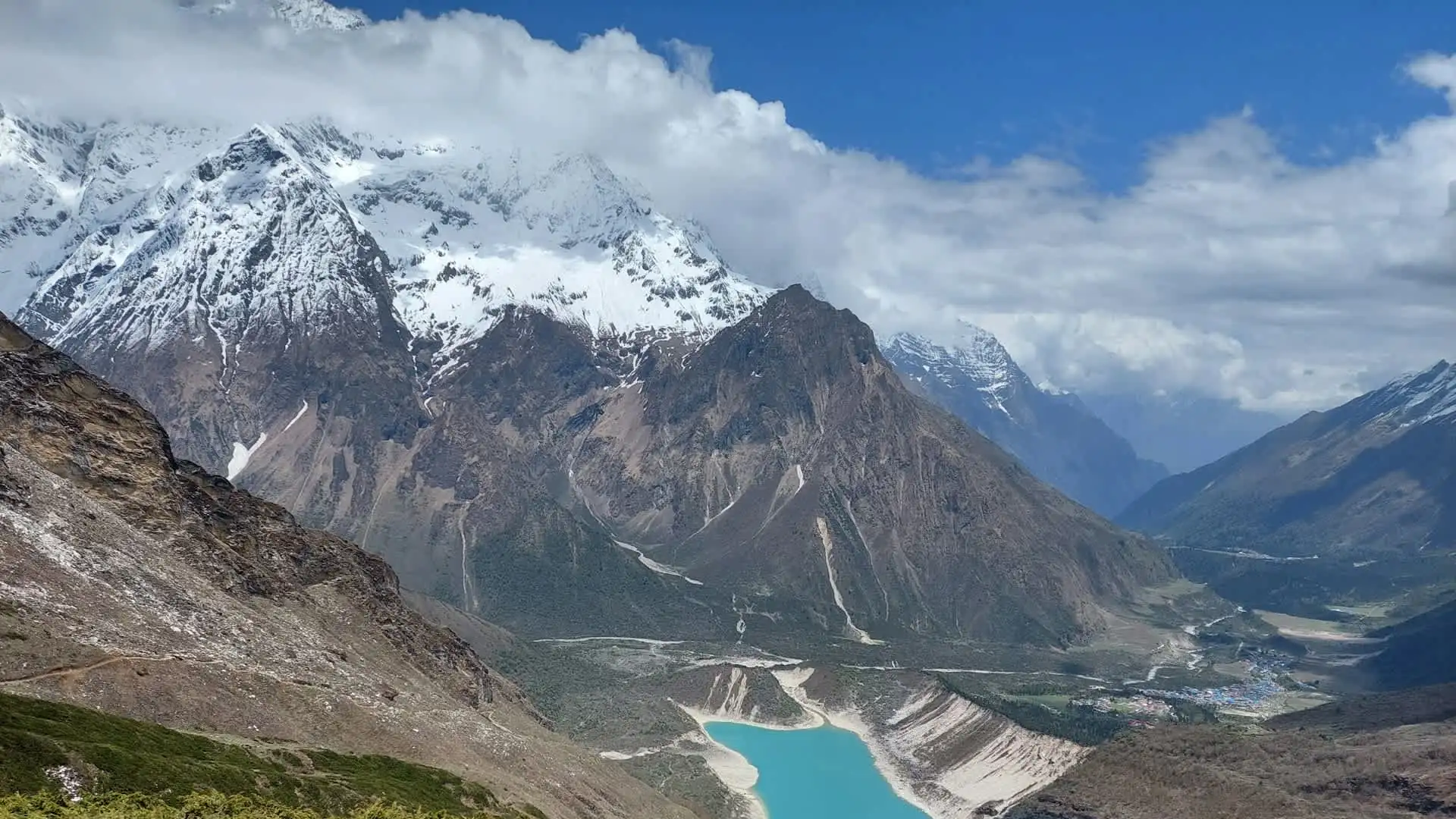
The Manaslu Circuit is rated moderate to strenuous in any season, largely due to its length, the altitude gain to Larkya La, and several long trekking days — but autumn brings its own specific set of factors worth knowing.
Working in your favor:
Dry trail conditions reduce slip risk on stone steps and suspension bridge crossings, which become notably more hazardous when wet.
Stable weather reduces (though doesn't eliminate) the chance of a weather-forced delay at the Larkya La crossing, the trek's single most weather-sensitive section.
Well-stocked, fully staffed teahouses mean less risk of running short on food or fuel at higher, more remote stops.
Working against you:
Crowding at popular stops (particularly Samagaon and Dharamsala in peak October) can mean fuller teahouses, noisier common rooms, and a less solitary trail experience than shoulder-season trekking offers.
Cold intensifies through the season — a trekker starting in early September faces a meaningfully different cold-weather challenge at Larkya La than one crossing in late November.
Altitude sickness risk remains present regardless of season; stable weather doesn't reduce the physiological effects of crossing above 5,000 meters, and proper acclimatization days still matter just as much in October as in any other month.
Packing for the Manaslu Circuit in Autumn
Because autumn spans such a wide temperature range — from Pokhara-warm lower valleys to well-below-freezing conditions at Larkya La — layering is the single most important packing principle.
Category | Autumn-Specific Recommendation |
|---|---|
Base and mid layers | Moisture-wicking base layers plus a fleece or light down mid-layer for the mid-altitude villages |
Outer layer | A proper down jacket rated for sub-zero conditions, essential for Dharamsala and the pass crossing |
Sleeping bag | Rated to at least -10°C to -15°C, given nighttime temperatures at Dharamsala and Larkya La |
Rain protection | A lightweight waterproof shell, particularly useful in early September before the monsoon has fully cleared |
Footwear | Broken-in, waterproof trekking boots; microspikes worth carrying for late-November crossings if early snow has fallen |
Sun protection | Sunglasses with strong UV protection and high-SPF sunscreen — autumn's clear skies mean intense UV exposure at altitude |
Crowds and Booking Considerations in Autumn
Because autumn is comfortably the busiest season on the Manaslu Circuit, a few practical points are worth factoring into your planning specifically for this window:
Book your guide and permits well ahead if you're set on trekking in peak October, since registered agencies handle a significant volume of autumn bookings and last-minute arrangements can be harder to secure smoothly — October and November are consistently listed among Nepal's peak trekking months by the Nepal Tourism Board for exactly this reason.
Teahouse availability tightens at popular stops, particularly Samagaon, during the busiest two to three weeks of October — guided groups typically have this handled through their operator's local relationships, which is one practical advantage of booking with an established agency rather than attempting independent arrangements in a restricted region where independent trekking isn't permitted anyway.
Late September and November offer a reasonable middle ground — both retain autumn's core weather advantages while seeing noticeably lighter trail traffic than the October peak.
Autumn vs. Spring vs. Winter: A Quick Comparison
Season | Weather | Crowds | Best For |
|---|---|---|---|
Autumn (Sep–Nov) | Stable, dry, clearest views of the year | High, especially October | Trekkers prioritizing reliable weather and mountain visibility |
Spring (Mar–May) | Also stable and clear, with blooming rhododendrons | Moderate to high | Trekkers wanting good weather with slightly fewer autumn-level crowds, plus flowering forest scenery |
Winter (Dec–Feb) | Unstable, snow-prone at altitude, Larkya La can close | Very low | Experienced trekkers prioritizing solitude over reliable pass access |
Monsoon (Jun–Aug) | Wet, landslide risk, poor visibility | Very low | Not generally recommended |
For a deeper look at how spring compares specifically, our Manaslu Circuit best time to trek guide covers the full seasonal picture beyond autumn alone, and if you're still deciding between this route and Nepal's other major circuit trek, our Manaslu vs. Annapurna Circuit comparison walks through how the two stack up.
Altitude Safety Specific to an Autumn Crossing
Larkya La's 5,106-meter elevation carries real altitude risk regardless of how favorable the season's weather is. Autumn's stable conditions make for safer footing and better visibility during the crossing, but they don't reduce the physiological demands of the altitude itself.
Standard precautions that matter just as much in autumn as any other season:
Follow a gradual ascent profile with built-in acclimatization days, particularly around Samagaon before pushing higher toward Dharamsala.
Stay well hydrated in the days leading up to the pass crossing.
Watch for persistent headache, nausea, dizziness, or confusion — and descend if these worsen rather than pushing through them.
Cross Larkya La early in the morning, as autumn afternoons can still bring building wind and occasional cloud, even in an otherwise stable season.
Preparing Physically for an Autumn Manaslu Trek
Given the trek's length (12–18 days), cumulative altitude gain, and the demanding Larkya La crossing, physical preparation matters considerably regardless of how favorable the season's weather is. Our Manaslu Circuit Trek preparation and training guide covers a structured approach to building the cardiovascular endurance and hill-based fitness this trek genuinely requires, which is worth reviewing several weeks ahead of an autumn booking given how far in advance travel plans for this season tend to be made.
What Autumn Trekkers Consistently Highlight
Beyond the weather statistics, it's worth noting what repeatedly stands out to trekkers who've done this route specifically in the autumn window: the clarity of Manaslu's summit view from Samagaon and the approach to Base Camp, the vivid, freshly-washed greenery lower in the valley if you catch the early-September transition out of monsoon, and the genuine sense of crossing into a different world entirely once you're on the Larkya La side of the range, descending toward Bimthang's wide alpine meadow. Our highlights of the Manaslu Circuit Trek guide goes into these standout moments in more depth if you want a fuller picture of what the route delivers beyond the logistics covered here.
Planning Your Autumn Manaslu Circuit Trek with Adventure Life Nepal
We run the Manaslu Circuit through the autumn season regularly, and the two things we'd genuinely encourage you to lock in early if you're set on this window are your guide/permit booking (given how permit costs and teahouse space both tighten through peak October) and a realistic buffer day around the Larkya La crossing, even though autumn is the most weather-reliable season for it.
If you're weighing October's peak clarity against the quieter, still-excellent conditions of late September or November, that's genuinely worth a conversation with us before booking, since it comes down to how much you value solitude against the statistically clearest possible mountain views.
FAQs about Trekking Manaslu in Autumn
1. Is autumn really the best time to trek the Manaslu Circuit? Yes, for most trekkers. Autumn (late September through November) offers the most stable, driest weather and the clearest mountain views of the year, with October generally considered the single best month for visibility.
2. What is the best month within autumn for the Manaslu Circuit? October is widely regarded as the best month for clear skies and stable conditions, though it's also the busiest. Late September and November offer nearly comparable weather with fewer crowds.
3. How cold does it get at Larkya La Pass in autumn? Nighttime and early-morning temperatures at the pass typically range from -6°C to -10°C during autumn, with colder conditions more likely by late November.
4. Do I need special gear for an autumn Manaslu trek? Yes. A sub-zero rated sleeping bag, a proper down jacket, and a full layering system are essential given the temperature swing from warm lower valleys to well-below-freezing conditions at Dharamsala and Larkya La.
5. Is the Manaslu Circuit crowded in autumn? Yes, particularly in October, which is the busiest month on the route. Late September and November see noticeably lighter trail traffic while retaining most of autumn's weather advantages.
6. What permits do I need for the Manaslu Circuit in autumn? Three permits are required: the Manaslu Restricted Area Permit (RAP), the Manaslu Conservation Area Permit (MCAP), and the Annapurna Conservation Area Permit (ACAP), plus a small local municipality fee.
7. Why is the autumn RAP more expensive than other seasons? The Restricted Area Permit is priced seasonally, with September–November set at USD 100 for the first week (versus USD 75 in the off-season), reflecting the higher demand and peak conditions of autumn.
8. Can I trek the Manaslu Circuit alone in autumn? A licensed guide is mandatory year-round. The previous minimum-group-size-of-two requirement has reportedly been relaxed for 2026 in some sources, allowing solo trekkers with a guide, though this is worth confirming directly with your agency, as other sources still list the two-person minimum as current.
9. How many days does the Manaslu Circuit take in autumn? Most trekkers complete it in 12 to 14 trekking days, with extended itineraries running 18 days or more if combined with the Tsum Valley side trip.
10. Is the Larkya La Pass safe to cross in autumn? Autumn offers the most reliable crossing conditions of the year, with dry trails and generally stable weather, though altitude-related risk remains present regardless of season and shouldn't be underestimated.
11. How does autumn compare to spring for the Manaslu Circuit? Both offer stable, clear weather and are considered the two best seasons for this trek. Spring adds blooming rhododendrons at lower elevations, while autumn is generally considered to offer slightly more reliably clear mountain views, particularly in October.
12. What's the coldest part of an autumn Manaslu trek? Dharamsala (4,460 m) and the Larkya La Pass crossing itself (5,106 m) are consistently the coldest points, with temperatures well below freezing overnight even during the stable autumn window.
13. Should I book my autumn Manaslu trek in advance? Yes, particularly for October dates. Guide and permit arrangements, as well as teahouse space at popular stops like Samagaon, are worth securing well ahead of peak season.
14. Does rain affect the Manaslu Circuit in autumn? Early September can still carry occasional tail-end monsoon showers, but from mid-September onward, rainfall drops off significantly, and October–November are generally dry throughout the trek.