Best Time for Kailash Parikrama 2027: Season & Weather Guide
Introduction to Best Time for Kailash Parikrama
If you want a straight answer, the best time for Kailash Parikrama is May to June and September, with early October as a workable but riskier extension. In those windows the pilgrimage season is fully open, the three-day kora is usually free of heavy snow, skies are at their clearest, and the weather is as gentle as it ever gets at 4,600 to 5,630 meters. For 2027 there is one more date to mark: the main Saga Dawa celebration is expected on 18 June 2027, which makes mid-June the most spiritually charged and also the most crowded week of the year.
That short answer hides real trade-offs, though. May is quiet and fresh but can still leave snow on Dolma La. June brings the festival and the biggest crowds. July and August are warmer, but the Nepal side of the journey is battered by monsoon rain. September offers the clearest views of the mountain and a calmer trail. This guide walks through each of those choices month by month, so you can match your dates to what you actually want from the pilgrimage.
Quick Answer: Best Months at a Glance
Window | Months | What to expect | Verdict |
|---|---|---|---|
Early season | Late April to May | Cold but dry, fewer pilgrims, possible snow near Dolma La | Very good, with flexibility |
Festival season | June | Dry, bright, biggest crowds, Saga Dawa on 18 June 2027 | Excellent, book early |
Monsoon months | July to August | Warmest period, but cloud, showers, and disrupted roads on the Nepal side | Workable, with buffer days |
Post-monsoon | September | Clearest skies, best visibility, moderate crowds | Excellent, often the favourite |
Late season | Early October | Colder nights, season winding down, snow risk grows | Fair, only with a flexible plan |
Winter | November to March | Severe cold, closed or unreliable access | Not recommended |
Kailash Parikrama Basics Before You Plan Dates
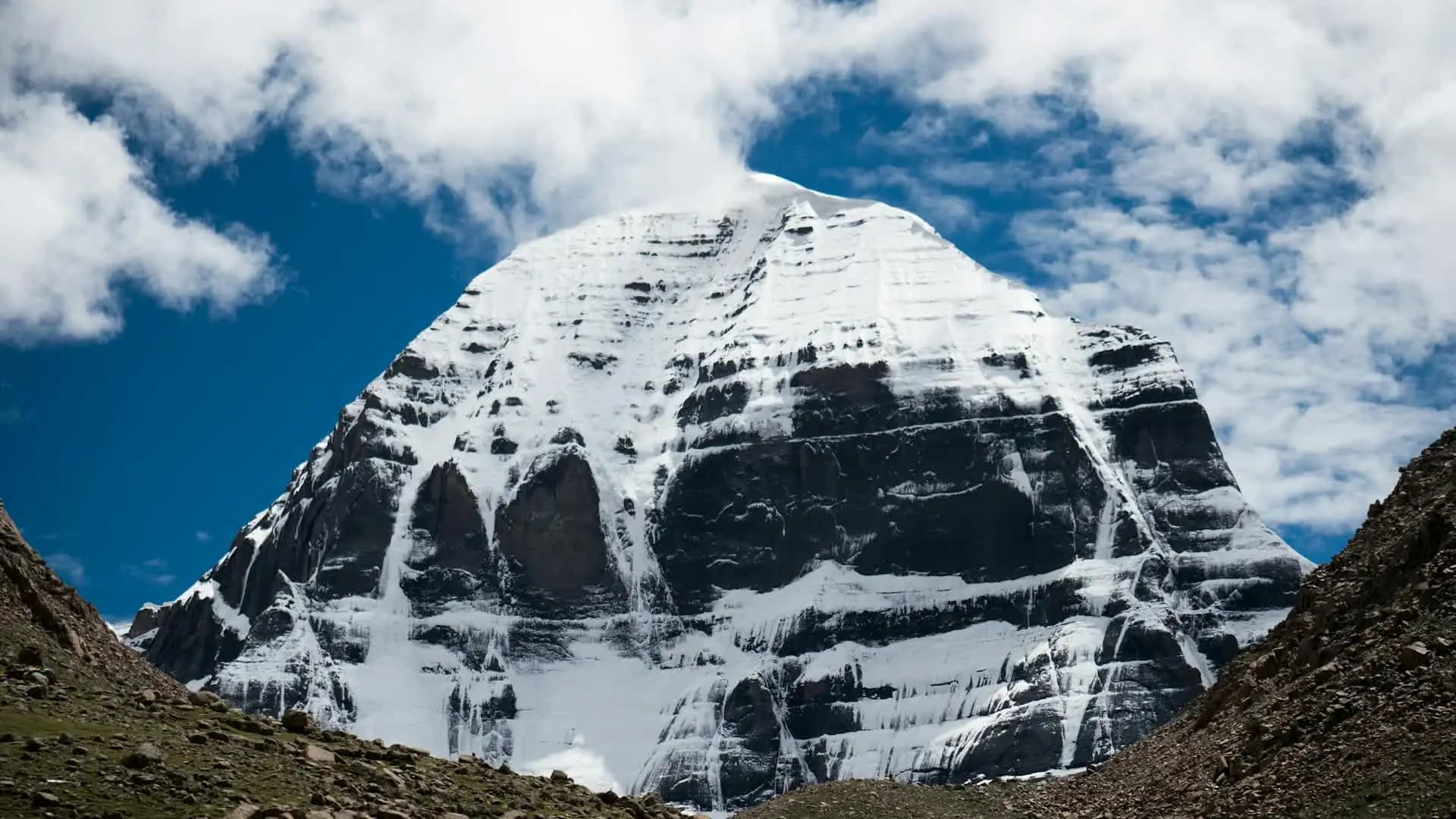
Mount Kailash rises to 6,638 meters (21,778 feet) in Ngari Prefecture of the Tibet Autonomous Region, part of the Gangdise range. No one has stood on its summit, and climbing it is prohibited because the mountain is sacred to Hindus, Buddhists, Jains, and followers of Bon. Pilgrims instead walk around it.
According to Wikipedia's entry on Mount Kailash, the circuit is clockwise for Hindus, Buddhists, and Jains, while Bon practitioners walk counterclockwise.
Fact | Detail |
|---|---|
Mountain height | 6,638 m (21,778 ft) |
Circuit length | About 52 km (roughly 32 miles); some sources round to 53 km |
Usual duration | 3 days |
Start and finish | Darchen, at roughly 4,600 to 4,670 m depending on the source |
Overnight stops | Dirapuk (about 4,900 m) and Zutulpuk (about 4,790 m) |
Highest point | Dolma La Pass, about 5,630 m (some sources say up to 5,650 m) |
Hardest day | Day 2, Dirapuk to Zutulpuk over Dolma La, about 18 to 19 km in 8 to 10 hours |
Because the whole route sits above 4,500 meters and crosses a pass higher than most trekking passes in Nepal, the calendar matters more here than on lower pilgrimages. A cold snap or an early storm on Dolma La changes the entire day.
How the Seasons Work Around Mount Kailash
Kailash lies on the dry Trans-Himalayan side of the mountains, so it behaves very differently from the green hills of Nepal. Here is how the year breaks down.
Spring (April to June). This is the start of the pilgrimage season. According to Wikipedia, the weather around Kailash is fairly dry from April to June, with typical daytime temperatures of about 5 to 17°C and nights of roughly 0 to 6°C in the wider region. At the high camps, and especially near Dolma La, nights fall well below that. Spring is also when the tour season opens and guesthouses begin to reopen.
Summer (July to August). The warmest months of the year, but also the period when monsoon rain reaches the Himalaya. Kailash itself sits in the rain shadow, so it stays far drier than Nepal, yet cloud, showers, and cold wind are still possible, and the journey to reach the mountain can be disrupted.
Autumn (September to early October). The air clears, rainfall drops, and visibility peaks. Temperatures start falling by October, and snowfall after mid-October can make travel difficult.
Winter (November to March). Wikipedia records winter daytime temperatures of about minus 4 to 0°C, with nights dropping as low as minus 20°C and January the coldest month. The kora is not realistic for pilgrims in this period.
Month-by-Month Guide to Kailash Kora Conditions
Month | Conditions | Kora status | Crowds |
|---|---|---|---|
January to March | Deep winter, extreme cold | Not recommended | Very low |
April | Season starts; roads and guesthouses reopening; snow can linger | Possible but risky | Low |
May | Dry, clearer days, warming slowly | Opens properly; one of the best months | Moderate |
June | Dry, bright, long days; Saga Dawa period | Excellent | Very high around the festival |
July | Warmest month; monsoon begins in the Himalaya | Still doable, expect cloud and showers | Moderate to high |
August | Warm, unsettled; Nepal-side roads vulnerable | Doable with buffer days | Moderate |
September | Clear skies, lower rain, sharp mountain views | Excellent | Moderate |
October | Colder, season closing, snow risk rises after mid-month | Fair, only early in the month | Low to moderate |
November to December | Winter returns | Not recommended | Very low |
April: Early Window, Higher Risk
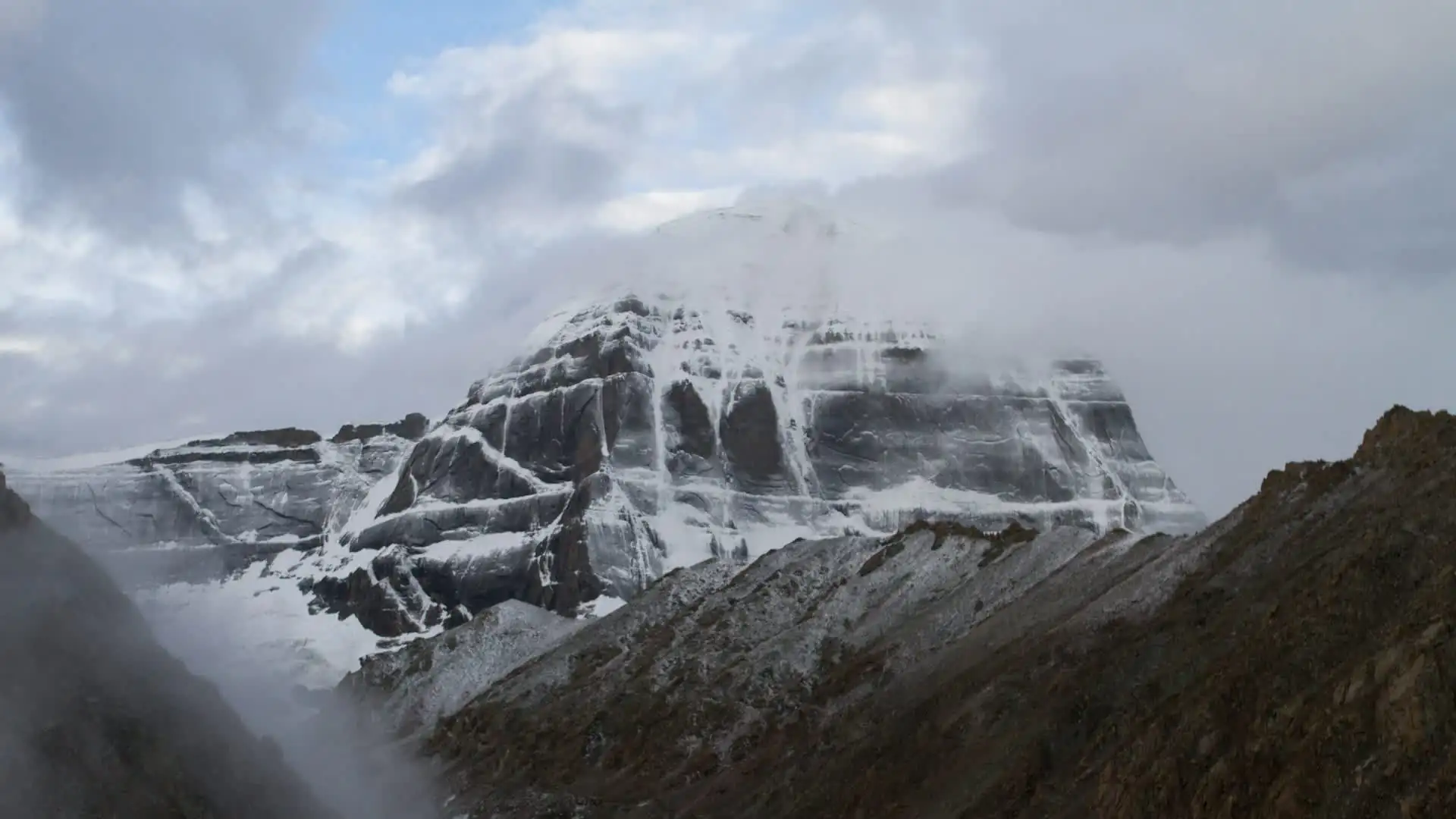
Late April is when the pilgrimage season stirs. The kora is possible, but snow can still cover the climb to Dolma La, and facilities along the route may not be fully running. Treat April as a gamble that rewards quiet trails and punishes rigid schedules.
May: The Sweet Spot Begins
By May the winds ease, the days warm, and rain is rare. Many operators call May one of the best months for the kora because conditions are stable while the trail is still relatively calm. The caveat is snow: one pilgrimage guide cautions that the kora can occasionally be paused in May if April snowfall or melting glaciers affect the route. Build a spare day into any May plan.
June: Peak Season and the Festival Month
June combines the best dry weather with the highest spiritual energy of the year. It is also the busiest month. Accommodation at Darchen, Dirapuk, and Zutulpuk fills quickly, and group quotas and permits tighten. If you want the festival, plan far ahead.
July and August: Warm but Unpredictable
These are the warmest months, and some travelers prefer the gentler daytime temperatures. The catch is cloud and showers around the mountain, and heavier monsoon rain on the Nepal side, where roads and domestic flights can be delayed. If you travel in these months, add buffer days at both ends of the trip.
September: The Quiet Favourite
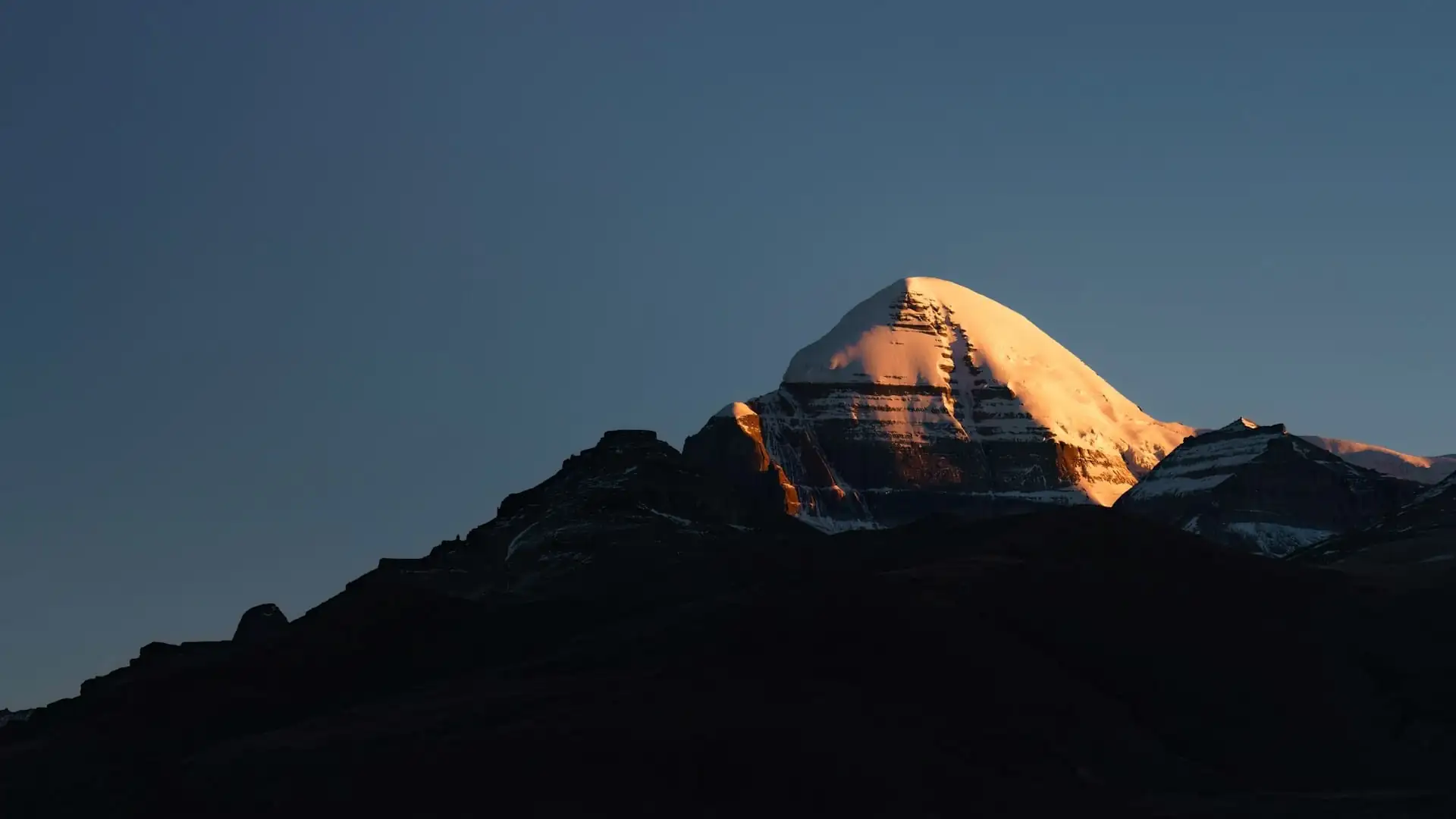
September is the month many experienced pilgrims quietly recommend. Skies are clearer, rainfall is lower than in August, temperatures are still tolerable, and crowds are smaller than in June. For photographers and for anyone who wants the north face of Kailash sharp and uncluttered by cloud, this is usually the best choice.
October: A Narrowing Window
The first week or two of October can still be pleasant, but days shorten, nights get sharper, and the first snowfalls arrive. Treat October as the tail end of the season, not its heart.
Saga Dawa Kailash 2027: Should You Go During the Festival?
Saga Dawa is the holiest month in the Tibetan Buddhist calendar, falling in the fourth lunar month. It commemorates the birth, enlightenment, and parinirvana of the Buddha, and merit gained through prayer, charity, and pilgrimage is believed to be multiplied. The main day falls on the full moon, and in 2027 the principal ceremony is expected at Tarboche, near Darchen, on 18 June 2027. Tibetan lunar dates shift each year, so confirm the exact day with your operator before booking. For comparison, the 2026 festival fell on 31 May.
Why go during Saga Dawa
You walk alongside thousands of Tibetan and Himalayan pilgrims, many of them prostrating for kilometers.
The atmosphere around Darchen, with prayer flags, offerings, and the flagpole ceremony, is unlike any other week of the year.
The weather in June is generally dry and stable.
Why you might skip it
Accommodation and permit quotas are tightest, and prices tend to rise.
Trails and guesthouses are crowded, so the quiet, contemplative side of the kora is harder to find.
You must commit months in advance. Many operators advise booking three to four months before the festival.
If your priority is devotion and shared pilgrimage energy, Saga Dawa is unmatched. If your priority is solitude, clear views, and comfort, a week in September will serve you better.
Why September Is the Underrated Choice
September deserves its own mention because it quietly wins on several fronts at once. After the summer rains, the air is clean, so the profile of Kailash and the surrounding Gurla Mandhata range stands out clearly. Temperatures at lower elevations are still comfortable, trail traffic is lighter than in June, and guesthouses are easier to secure. The one downside is that the days are shorter and nights are cold, so you should pack for freezing temperatures at Dirapuk. Most pilgrims who have done both June and September say that September felt calmer, while June felt more festive.
Is the Monsoon a Bad Time for Kailash Parikrama?
Not necessarily, and this is one of the most misunderstood points. Because Kailash lies in the Trans-Himalayan rain shadow, the monsoon that soaks Nepal reaches Tibet only weakly. The kora itself often stays passable in July and August. The real monsoon risk is on the approach:
Landslides and road closures on the Nepal side, particularly in July and August.
Domestic flight delays when routes pass through the mountains.
Cloud that can hide Kailash for days.
If you do travel in the monsoon months, choose an operator with flexible itineraries and keep two spare days in your schedule. Indian pilgrims on the government-organized yatra travel in this window by design; the official program runs roughly June to September and is described on the Ministry of External Affairs Kailash Manasarovar Yatra site.
Auspicious Years: Horse Year 2026 and Goat Year 2027
Tibetan tradition holds that circling Kailash during the Year of the Horse, which was 2026, is especially meritorious, with one kora said to equal thirteen in an ordinary year. Some pilgrims and tour operators also describe the Year of the Goat, which begins in 2027, as an auspicious time for the kora. These beliefs are traditions rather than rules, and any circumambulation is considered sacred. If auspicious timing matters to you, discuss it with your family priest or guide, and remember that demand is usually higher in such years.
Best Time for Kailash Parikrama by Traveler Type
The best time for Kailash Parikrama depends as much on who you are as on the calendar. Use this table as a starting point.
If you are... | Best window | Why |
|---|---|---|
A first-time pilgrim wanting reliable conditions | Late May to mid-June or September | Stable weather and open facilities |
Seeking spiritual atmosphere and festival | Mid-June around Saga Dawa (18 June 2027) | Largest gathering of pilgrims |
A photographer or mountain-view seeker | September | Clearest skies and best visibility |
A senior pilgrim or less experienced trekker | Late May to June, or September | Milder weather and good support |
A budget-conscious traveler | Early May or September | Fewer crowds and easier availability |
Following the Indian government yatra | June to September per official schedule | Follows the government batch system |
Wanting solitude | Early May or mid-September | Quietest trails |
Altitude and Timing: Why Dolma La Needs Respect in Any Month
At about 5,630 meters, Dolma La is higher than Everest Base Camp, which sits at 5,364 meters, and higher than Thorong La on the Annapurna Circuit at 5,416 meters. It is almost level with Kala Patthar, the famous viewpoint above Everest Base Camp at 5,644 meters. To put those numbers in context, you can read more about Everest Base Camp's elevation and the Thorong La Pass altitude and route. At this height, the air holds roughly half the oxygen found at sea level.
Timing cannot reduce altitude, but it can reduce suffering. Warm, dry days make the long second day easier to manage, and a stable weather window lets you wait a day at Dirapuk if you feel unwell. For a wider view of how elevation shapes every journey in the region, Adventure Life Nepal's Nepal elevation guide is a useful companion read.
Which Route From Kathmandu Affects Your Timing?
Most pilgrims from Nepal reach Kailash in one of three ways, and the season changes how reliable each one is.
Overland through the Rasuwa–Gyirong (Kerung) border. A popular road route from Kathmandu into Tibet, then west across the plateau toward Lake Manasarovar and Darchen. Road conditions on the Nepal side are the main monsoon risk.
Via Humla in far-western Nepal. Since 2015 this has been a common pilgrim route, but it depends on mountain flights and trails that are sensitive to rain and cloud.
Fly to Lhasa, then travel overland west. This option relies on flights and long drives across Tibet.
Whichever you choose, schedule the most weather-sensitive legs for May, June, or September. If you want a structured trip, Adventure Life Nepal offers a 9-day Kailash Mansarovar overland tour from Kathmandu that you can compare against your preferred season.
Lake Manasarovar, one of the highest freshwater lakes in the world, sits beside Kailash and is usually visited before the kora. You can read more about it on Wikipedia's Lake Manasarovar page. Visiting the lake before the kora also gives you more time at altitude to adapt.
Planning Kailash Parikrama 2027: Permits and Booking Timeline
Kailash lies in Tibet, which means entry rules are set by Chinese authorities. In practice, foreign travelers must hold a Chinese visa and Tibet travel permits, and these are arranged through a registered agency rather than independently. Requirements, quotas, and processing times can change from year to year, so confirm everything with your operator at the time of booking. If you want to understand how Adventure Life Nepal handles cross-border trips, see its China destination page.
A sensible booking timeline for 2027:
When to act | What to do |
|---|---|
Now to early 2027 | Decide between Saga Dawa, May, or September; confirm passport validity |
3 to 4 months before travel | Book your tour, especially for June and the festival |
2 to 3 months before | Submit documents for the Chinese visa and Tibet permits through your agency |
1 to 2 months before | Start training, arrange insurance, finalize packing |
2 weeks before | Reconfirm itinerary, pack cold-weather gear, arrange medication advice |
For the best time for Kailash Parikrama in a festival year, book earlier than you think necessary. Quotas fill fastest for mid-June departures.
Prepare Your Body: Fitness and Acclimatization
The kora is not a technical climb, but it is a serious physical effort at extreme altitude. Pilgrims routinely describe Day 2 as one of the hardest days of their lives. Prepare in three ways.
Build endurance. Walk, hike, or climb stairs regularly for two to three months, with a loaded daypack on at least some sessions. Adventure Life Nepal's guide on how to prepare for the Annapurna Circuit outlines a high-altitude training plan that applies equally well here.
Respect acclimatization. Altitude sickness depends on how fast you ascend, not on how fit you are. Spend nights at moderate altitude before Darchen, keep water intake high, and never skip rest days. The principles in the Annapurna Circuit acclimatization guide apply directly.
See a doctor. Anyone with heart, lung, or blood-pressure conditions should consult a physician before booking. Ask about altitude medication well before departure.
What to Pack by Season
Season | Priority items |
|---|---|
May and September | Down jacket, thermal layers, windproof shell, warm hat and gloves, sun protection |
June to August | Waterproof layers for rain, lighter insulation for the day, still a warm layer for nights |
Late April and October | Extra insulation, insulated boots, gaiters, hand warmers |
All seasons | Sunglasses, high-SPF sunscreen, lip balm, trekking poles, headlamp, water bottles |
Pack for freezing nights at Dirapuk in every season. Sun and wind at altitude are intense, so cover your skin even on clear days.
Common Timing Mistakes to Avoid
Booking only for Saga Dawa without checking the date. Tibetan lunar dates change each year, so confirm the festival day with your operator.
Choosing April to save money. Lower prices can cost you a cancelled kora if snow blocks Dolma La.
Packing tightly in July and August. Monsoon delays on the Nepal side can eat an entire schedule.
Skipping buffer days. A single spare day can save an entire pilgrimage.
Underestimating October. The weather turns quickly, and snow can arrive before you expect it.
Assuming a monsoon-free sky means no cold. Even in summer, nights at Dirapuk and Zutulpuk drop to freezing temperatures.
Frequently Asked Questions
1. Which month is best for the Kailash kora? May, June, and September are the most reliable months. May opens the season, June adds the Saga Dawa festival, and September usually gives the clearest skies and calmer trails.
2. Can I do Kailash Parikrama in winter? Not realistically. Winter temperatures can fall to around minus 20°C at night, access is unreliable, and the season is effectively closed for pilgrims from roughly November to March.
3. Is September better than May for Kailash Parikrama? Many pilgrims prefer September for visibility, lower crowds, and stable weather. May is a good alternative, though snow can occasionally linger near Dolma La early in the season.
4. When is Saga Dawa in 2027? The main Saga Dawa celebration is expected on 18 June 2027, with the principal ceremony at Tarboche near Darchen. Tibetan lunar dates can shift, so confirm with your operator before booking.
5. Should I travel during Saga Dawa? Go if you want the spiritual atmosphere and large pilgrim gatherings. Avoid it if you prefer quiet trails, since accommodation, permits, and crowds are all at their tightest.
6. Is it safe to do the kora in July and August? The kora itself is usually passable because Kailash is in the rain shadow. The main risk is monsoon disruption on the Nepal side, so plan buffer days and choose an experienced operator.
7. How cold does it get at Dolma La? Expect freezing temperatures, strong wind, and thin air at about 5,630 meters, even in summer. Nights at the high camps drop below freezing.
8. Will there be snow on the route? In the main season snow is usually limited to the stretch around Dolma La. Early spring and late autumn bring more snow, and the pass can be snow-covered in those periods.
9. How long does Kailash Parikrama take? Most pilgrims complete the circuit in three days, sleeping at Dirapuk and Zutulpuk. Some travelers add a rest day for acclimatization or weather.
10. How long is the Kailash kora? The circuit is about 52 kilometers, roughly 32 miles, though some sources round to 53 kilometers.
11. How high is Dolma La Pass? About 5,630 meters, or 18,471 feet. A few sources list it as high as 5,650 meters because measurements differ slightly.
12. Is the kora harder in a particular month? Difficulty depends mostly on weather. Early season and late season are harder because of snow and cold, while late May to June and September are generally easier.
13. Is 2027 an auspicious year for Kailash Parikrama? Some traditions and operators describe the Year of the Goat, which begins in 2027, as auspicious, though 2026, the Year of the Horse, is the more widely cited one. Any kora is considered sacred.
14. When does the Kailash tour season start and end? Most tours run from about May to September, with some early departures in late April and a few in early October, depending on conditions and quotas.
15. How early should I book for 2027? For Saga Dawa and peak June dates, many operators advise booking three to four months ahead. For May or September, two to three months is often enough, but earlier is safer.
16. Do I need permits for Kailash Parikrama? Yes. Foreign travelers need a Chinese visa and Tibet travel permits, arranged through a registered agency. Rules and quotas can change, so confirm at booking.
17. Which direction do pilgrims walk around Kailash? Hindus, Buddhists, and Jains walk clockwise. Followers of Bon traditionally walk counterclockwise.
18. Can seniors do the Parikrama, and when is best? Many do, with proper preparation and support. Late May to June or September offers the mildest weather. A doctor's clearance and extra acclimatization time are essential.
19. Can I hire a porter or yak for the kora? Pilgrims commonly use ponies or yaks for support on the trail, and porters can be arranged through your tour operator. Availability is best in the main season.
20. What is the best time for Kailash Mansarovar Yatra overall? May to September is the general pilgrimage season, with May, June, and September offering the most dependable weather for both the lake and the kora.
Plan Your Kailash Parikrama With Adventure Life Nepal
Choosing between a quiet May, a festival June, or a clear September is easier with someone who has seen all three. Adventure Life Nepal helps pilgrims match their dates to their goals, handle Tibet permits and the Chinese visa, build in acclimatization and buffer days, and plan transport from Kathmandu to Darchen.
Whether this is a once-in-a-lifetime pilgrimage or a long-planned dream, a short conversation can save you months of guesswork. Message an expert on WhatsApp at +977 9841248242, or reach the team through the Adventure Life Nepal contact page. Tell us your preferred month, group size, and fitness level, and we will suggest the best departure for your Kailash Parikrama in 2027.