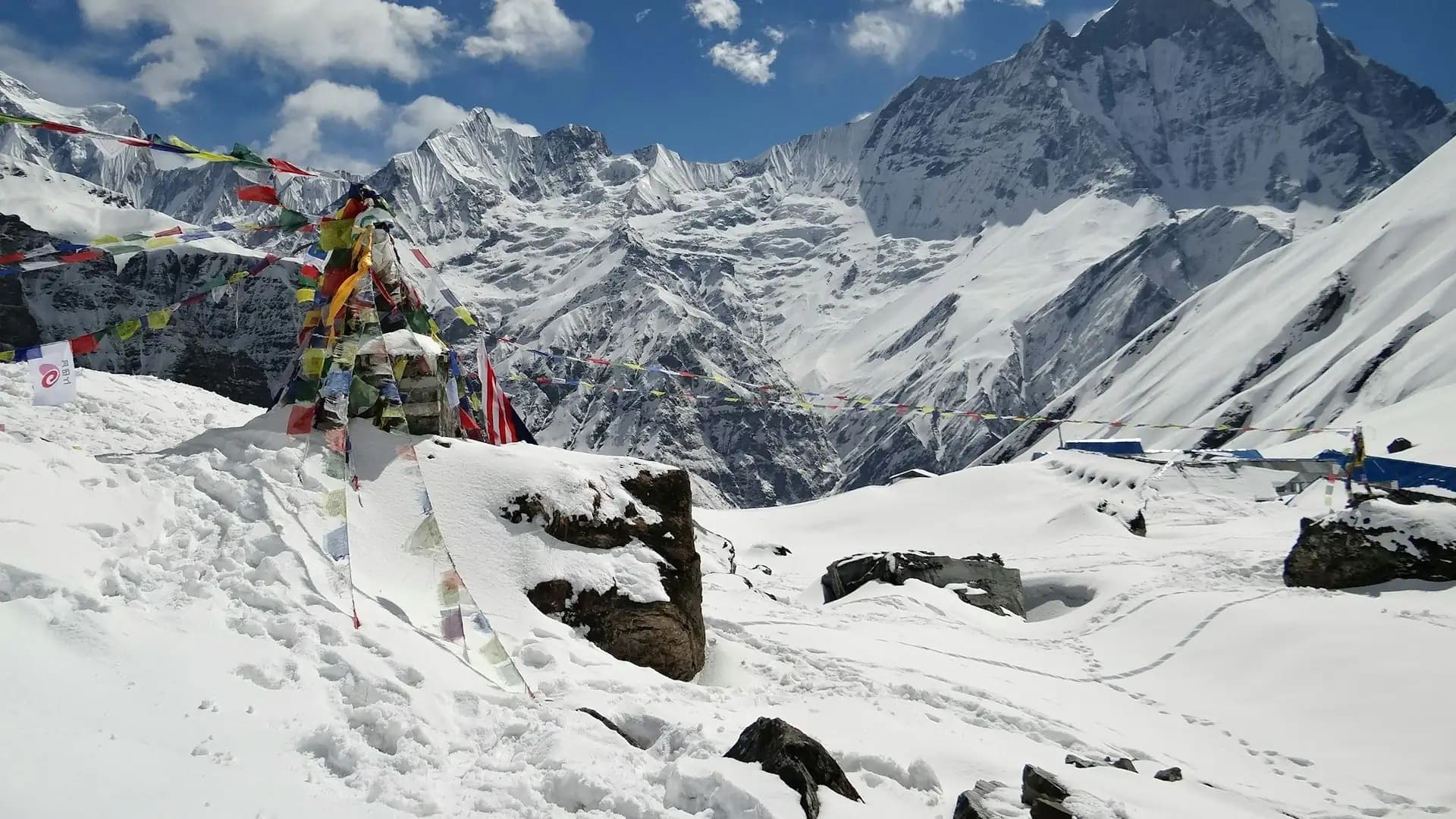
Nepal Trek Challenge 2027: Toughest Treks, Training & Preparation
Introduction to Nepal Trek Challenge
Some trekkers go to Nepal for a beautiful week of walking. Others go looking for a challenge: three high passes above 5,300 meters in a single journey, three weeks in a remote valley with almost no infrastructure, or a long circuit where the altitude never quite lets up. If you are the second kind of traveler, this guide is for you. It explains what actually makes a Nepal trek challenge hard, ranks the toughest routes with the most reliable figures available, and lays out the training and acclimatization plan that gives you a realistic chance of finishing well.
A quick framing note before we begin. "Hard" in the Himalaya rarely means technical climbing. Most of the demanding treks in Nepal need no ropes or ice axes in normal conditions. They are hard because of altitude, length, weather, and remoteness stacking on top of each other day after day. That is good news for ambitious trekkers, because those are exactly the factors preparation can improve.
Quick Answer: The Toughest Treks in Nepal at a Glance
Trek | Highest Point | Typical Duration | Why It's Tough |
|---|---|---|---|
Everest Three Passes | Kongma La, about 5,535 m | 18–21 days | Three passes above 5,300 m, many nights above 4,500 m |
Kanchenjunga Base Camp | Pangpema, about 5,143 m | 19–25 days | Extreme remoteness, long duration, basic facilities |
Dhaulagiri Circuit | French Pass, about 5,360 m | Around three weeks | Glacier terrain, camping, high passes |
Upper Dolpo | Several passes above 5,000 m | Expedition-length | Restricted area, camping-based, very remote |
Rolwaling to Tashi Lapcha | Pass near 5,750 m | Expedition-length | Glacier travel and technical terrain |
Annapurna Circuit | Thorong La, 5,416 m | 12–18 days | A long circuit with a big high-altitude pass |
Manaslu Circuit | Larkya La, about 5,106 m | 12–18 days | Remote, rugged, long days |
Everest Base Camp | 5,364 m (Kala Patthar higher) | 12–16 days | Sustained altitude and long days |
Pass and peak heights vary slightly between sources, so treat them as approximate. The ranking logic is more important than any single number.
What Makes a Nepal Trek Challenge Truly Hard?
Experienced guides tend to point to the same set of factors when they describe a trek as demanding.
Altitude and time spent high. A single high pass is one kind of difficulty. Spending many consecutive days above 4,500 meters is another, and it is usually the tougher one because recovery is slower and sleep suffers.
Duration. Long treks wear the body down gradually. Even when each day looks short on paper, cumulative fatigue builds over two or three weeks.
Remoteness. The farther you are from roads, clinics, and teahouses, the more self-reliant you must be. Evacuation options narrow, and small problems become larger ones.
Terrain. Loose moraine, glacier crossings, steep scree, and exposed ridges demand more attention and energy than smooth trail.
Weather exposure. Wind, snow, and rapidly changing conditions on passes can delay or reroute plans.
Basic infrastructure. Camping, simple lodges, and limited food variety make recovery harder than on the well-served classic routes.
A Simple Difficulty Ladder
It helps to place treks on a ladder so you can plan a progression rather than jump straight to the top.
Tier | Example Treks | Typical Maximum Altitude | Best For |
|---|---|---|---|
Moderate | Mardi Himal, Annapurna Base Camp | About 4,130–4,500 m | Fit walkers with little altitude experience |
Strenuous | Everest Base Camp, Gokyo, Annapurna Circuit, Manaslu Circuit | About 5,100–5,550 m | Trekkers who are fit and well acclimatized |
Most challenging | Three Passes, Kanchenjunga, Upper Dolpo, Dhaulagiri | About 5,100–5,550 m or more | Seasoned trekkers with strong high-altitude experience |
The altitude numbers in neighboring tiers overlap, which is a useful reminder that duration, remoteness, and terrain separate the tiers as much as raw elevation does.
Everest Three Passes: The Toughest Mainstream Challenge
The Everest Three Passes trek, also called the Three High Passes trek, is widely regarded as the hardest of the established teahouse routes in Nepal. It is a large loop through the Khumbu region that crosses three passes above 5,300 meters, usually while also visiting Everest Base Camp, Kala Patthar, and the Gokyo Lakes. Most itineraries run 18 to 21 days.
Pass | Approx. Elevation | Notes |
|---|---|---|
Kongma La | About 5,535 m (some sources cite 5,545 m) | The highest and most demanding, with a very long day from Dingboche over the pass to Lobuche |
Cho La | About 5,420 m | A rocky climb and a glacier crossing, where microspikes are often recommended in shoulder seasons |
Renjo La | About 5,360 m | A steep ascent with excellent views over the Gokyo valley |
In normal conditions the passes do not require ropes or crampons, which is why the trek is considered strenuous rather than technical. What makes it brutal is the combination of many nights above 4,500 meters, long days, and several sustained climbs. Our Everest Three High Passes Trek is built around a gradual schedule to give your body the best chance to adapt.
Kanchenjunga Base Camp: Remote and Long
Kanchenjunga, at 8,586 meters, is the third-highest mountain in the world, and the trek to its base camps in far eastern Nepal is among the most remote major routes in the country. The complete trek can visit both the north base camp at Pangpema, at about 5,143 meters, and the south base camp at Oktang, at about 4,850 meters. Typical itineraries run roughly 19 to 25 days.
The difficulty here is less about a single dramatic pass and more about the scale of the journey: long approaches through forest and steep valleys, fewer lodges, and a far greater feeling of isolation than on the popular trails. Because the region is remote and special permits may apply, it is wise to plan well ahead and confirm requirements with an experienced operator.
Dhaulagiri Circuit: Glaciers and Camping
The Dhaulagiri Circuit is often named as the most challenging trek in the Annapurna and Dhaulagiri side of Nepal. It circles the Dhaulagiri massif and crosses high passes including the French Pass, at roughly 5,360 meters, and the Dhampus Pass, passing through the stark landscape of Hidden Valley. The route involves glacier terrain and, for most of its length, camping rather than teahouse stays, and it demands more self-sufficiency than the circuits with lodges. Expect it to take roughly three weeks.
Upper Dolpo: True Expedition Trekking
Upper Dolpo is a restricted region in the far northwest, with several passes above 5,000 meters and very limited infrastructure. Treks here are expedition-style, with camping, a support crew, and long distances between settlements. It rewards trekkers with a remote Tibetan-influenced landscape, but it is not a place for a first high-altitude trek.
Rolwaling to Tashi Lapcha: Technical Terrain
The route linking the Rolwaling valley with the Khumbu via the Tashi Lapcha pass, at roughly 5,750 meters, is among the most technical treks in Nepal. It involves glacier travel and typically requires ropes and mountaineering equipment, so it sits closer to mountaineering than to standard trekking. It is suited to experienced, well-equipped parties with qualified guides.
Annapurna Circuit: A Big Pass on a Long Loop
The Annapurna Circuit crosses Thorong La Pass at 5,416 meters, and a typical itinerary runs 12 to 18 days. Its reputation for difficulty comes from the pass day, which is long and cold, and from the cumulative effect of a multi-week loop. Teahouses are plentiful, which makes it easier logistically than the remote circuits, but the altitude is real and acclimatization matters.
Manaslu Circuit: Remote and Rugged
The Manaslu Circuit climbs to the Larkya La Pass at about 5,106 meters, and the full route covers around 177 kilometers over 12 to 18 days. It is more remote than the Annapurna Circuit, with more basic lodges and rougher trail, and it requires a restricted-area permit and a licensed guide. If this is the kind of challenge that appeals to you, our guide to how difficult the Manaslu Circuit Trek is breaks down the altitude, terrain, and daily hours in detail.
Everest Base Camp and Gokyo: Challenging but Well Supported
Everest Base Camp, at 5,364 meters, is a strenuous trek rather than an extreme one, but it still tests many trekkers because of sustained altitude and long days. Kala Patthar, the viewpoint above Base Camp, stands at roughly 5,550 to 5,650 meters depending on the source, and Gokyo Ri reaches about 5,357 meters. The route lies within Sagarmatha National Park, managed by Nepal's Department of National Parks and Wildlife Conservation, and it has excellent lodge infrastructure, which makes it a sensible stepping stone toward the harder treks above. You can explore our Everest Base Camp Trek and our Everest Base Camp with Gokyo Lakes Trek as ways to build experience and confidence at altitude.
How to Choose the Right Challenge for You
The right challenge depends on your experience, time, and appetite for risk.
Your Situation | Sensible Next Step |
|---|---|
New to altitude | Start with a moderate trek such as Mardi Himal or Annapurna Base Camp |
Some experience, up to about 4,500 m | Consider Everest Base Camp, Langtang with Gosaikunda, or the Annapurna Circuit |
Experienced above 5,000 m | Consider Manaslu, Gokyo, or the Three Passes |
Seasoned and self-reliant | Consider Kanchenjunga, Dhaulagiri, or Upper Dolpo with an expedition operator |
Limited time | Choose a shorter classic rather than compress a long trek |
A progression works best. Many trekkers complete a moderate trek, then a strenuous classic, and only then attempt a genuinely extreme route. Each step teaches you how your body responds at altitude.
Training for a Tough Himalayan Trek
Training is the part of a Nepal trek challenge you control completely, and it shows up directly in how you feel on day twelve. A sensible plan builds endurance, leg strength, and the specific ability to walk long days back to back.
Phase | Weeks | Focus |
|---|---|---|
Base | 1–4 | Regular cardio three to four times a week, with short hikes on weekends |
Build | 5–8 | Longer hikes with a loaded pack, stair and hill training, and leg strength work |
Specific | 9–12 | Back-to-back long hiking days, ideally 5 to 7 hours, in your trekking boots |
Peak | 13–15 | Your longest efforts, practice with full kit, and attention to recovery |
Taper | 16 | Reduce volume, rest, and finalize gear |
If you are already active, a shorter lead time can work, but a challenging trek rewards trekkers who start early. For a structured approach tailored to a long, demanding circuit, our Manaslu Circuit Trek preparation and training guide lays out a timeline that applies well to most tough treks.
Key Training Elements
Cardiovascular endurance. Running, cycling, swimming, or brisk uphill walking build the aerobic base that carries you through thin air.
Leg and core strength. Squats, lunges, step-ups, and planks protect your knees on the long descents.
Loaded hiking. Walking uphill with a daypack teaches your body to carry weight for hours.
Back-to-back days. Multi-day trekking is as much about recovery as effort, so practice walking long on consecutive days.
Boot and gear testing. Use your actual boots and pack so you can solve problems before you leave.
Clockwise or Counterclockwise on the Three Passes?
The Three Passes loop can be walked in either direction, and the choice changes which pass you meet first and how quickly you gain altitude early on. Some operators prefer a direction that puts the gentler pass first so the body can adapt before the toughest crossing, while others choose based on weather patterns, crowd levels, or lodge availability. There is no single correct answer, so ask your operator to explain the reasoning behind their itinerary and how it handles acclimatization, rather than assuming every version is equivalent.
A Sensible Two-Year Progression
If your goal is one of the extreme routes, a staged approach is safer and usually more enjoyable than going straight in.
Stage | Example Trek | What You Learn |
|---|---|---|
Year one, first trek | Mardi Himal or Annapurna Base Camp | How your body feels at 4,000 to 4,500 meters |
Year one or two, classic | Everest Base Camp or Gokyo | Managing longer days and higher sleeping altitudes |
Year two, big circuit | Annapurna Circuit or Manaslu Circuit | A pass above 5,000 meters and a multi-week rhythm |
Year two or three, challenge | Three Passes, Kanchenjunga, or Dhaulagiri | Self-reliance, remoteness, and sustained altitude |
Each stage gives you data about your own acclimatization, which is more valuable than any generic advice.
A Sample Weekly Training Schedule
Here is an illustrative week from the build phase of a training plan. Adjust it to your fitness and any medical advice.
Day | Session |
|---|---|
Monday | Rest or gentle mobility work |
Tuesday | Cardio, such as a 45 to 60 minute run, ride, or brisk uphill walk |
Wednesday | Leg strength, including squats, lunges, step-ups, and core work |
Thursday | Stair or hill repeats with a loaded daypack |
Friday | Rest |
Saturday | A long hike of 4 to 6 hours with a pack, in your trekking boots |
Sunday | A second, shorter hike or a long easy cardio session to practice back-to-back days |
The weekend pairing of a long hike followed by another session is the most trek-specific habit in the plan, because it teaches your body to perform when it is already tired.
What a Typical Day Looks Like on a Long Trek
Understanding the daily rhythm helps you judge whether a route suits you.
Time | Typical Activity |
|---|---|
6:00–7:00 a.m. | Wake up, pack, and have breakfast |
7:00–8:00 a.m. | Start walking, often the best weather window |
Midday | Lunch stop at a lodge or trailside |
Early to mid afternoon | Arrive at the next stop, rest, and drink tea |
Late afternoon | Short acclimatization walk if the itinerary includes it |
Evening | Dinner, a briefing from your guide, and an early night |
On pass days, starts are earlier, often well before dawn, and the day can run eight to ten hours. Build rest into the schedule around those days.
Nutrition and Hydration on a Long Trek
Appetite often drops at altitude, but your body still needs fuel and fluid. Aim to eat regular, carbohydrate-rich meals such as rice, pasta, potatoes, and porridge, and keep snacks within reach for pass days. Drink steadily through the day rather than in bursts, since dry air and effort both increase fluid loss. Electrolyte tablets can help if you are sweating heavily, and hot drinks at lodges are a good way to add fluids. If you lose your appetite for several days, tell your guide, because it can be an early sign of altitude trouble.
Medical and Practical Preparation Before You Fly
Before you commit to a demanding trek, book a check-up with a doctor, ideally one familiar with travel or altitude medicine. Discuss any existing conditions, current medication, and whether preventive altitude medication is appropriate for you. Check recommended vaccinations well ahead, take care of dental work before departure, and carry copies of your passport, insurance policy, and emergency contacts. Make sure your insurer knows the maximum altitude of your route and that evacuation coverage is confirmed in writing.
Acclimatization: The Skill That Matters Most
Altitude is the main variable you cannot fully train for, so the best protection is a sensible schedule. Commonly cited guidance for trekking above about 3,000 meters is to keep the daily increase in sleeping altitude modest, often around 300 to 500 meters, and to include a rest day every few days of ascent. Many successful itineraries also use the principle of climbing high during the day and sleeping lower.
Practice | Why It Helps |
|---|---|
Gradual ascent | Gives the body time to adapt |
Rest days | Allow recovery and adaptation |
Hydration | Dry air and effort increase fluid needs |
Avoiding alcohol | Alcohol can worsen sleep and dehydration |
Honest symptom reporting | Early signs are easier to manage than late ones |
Know the warning signs. Headache, nausea, dizziness, and unusual fatigue are common and usually manageable with rest, but confusion, loss of coordination, or breathlessness at rest are serious and require descent. For independent medical guidance, the CDC's travel health page on high elevation is a reliable reference, and any decision about preventive medication should be made with a doctor before you travel.
Gear and Preparation Checklist
Category | Key Items |
|---|---|
Clothing | Base layers, insulating mid-layer, a warm down jacket, and a waterproof shell |
Footwear | Broken-in waterproof trekking boots, camp shoes, and quality socks |
Sleep system | A sleeping bag rated for well below freezing |
Traction | Microspikes for icy sections, especially on glaciated passes |
Hand and head | Warm hat, gloves, and sun protection |
Health | A personal first aid kit, any prescribed medication, and water purification |
Navigation and light | A headlamp with spare batteries |
Rental shops in Kathmandu can supply bulky items such as down jackets and sleeping bags, which is a practical way to avoid carrying heavy gear internationally.
Permits, Guides, and Insurance
Rules for trekking in Nepal have tightened in recent years. Since 2023, foreign trekkers in most regulated areas are required to be accompanied by a licensed guide, and restricted regions such as Manaslu and Upper Dolpo have long required one. Our guide to Nepal's trekking guide requirement explains how the rule applies, and the Nepal Tourism Board is the official source for current visitor information.
Travel insurance is essential for any serious trek. Choose a policy that explicitly covers trekking to the highest altitude on your route and includes emergency helicopter evacuation. Costs for a long trek vary widely with route and group size, and our Nepal trekking cost and budget guide gives a realistic picture of what to budget.
The Mental Side of the Challenge
Long, demanding treks test the mind as much as the legs. Cold mornings, repetitive meals, disrupted sleep, and the slow grind of a long climb all wear on motivation. Successful trekkers tend to share a few habits: they break the journey into small goals, they accept discomfort as part of the process, they stay flexible when weather or health forces a change, and they treat a decision to turn back as a legitimate and sometimes wise outcome rather than a failure.
Best Season for a Challenging Trek
Season | Conditions | Verdict |
|---|---|---|
Autumn (September–November) | The most stable weather and clearest views | Best overall |
Spring (March–May) | Warmer, good visibility, rhododendrons at lower elevations | Very good |
Winter (December–February) | Cold, snow on passes, quieter trails | Only for the most experienced |
Monsoon (June–August) | Rain, cloud, and landslide risk | Not recommended for most high routes, though rain-shadow regions can differ |
Pass crossings in particular depend on weather, so build in spare days in your schedule.
Charity and Group Challenge Treks
The phrase Nepal trek challenge also describes organized group events, often run with charities, where participants raise money while trekking a route such as Everest Base Camp. These can be rewarding, with built-in camaraderie and a clear purpose, but they usually follow a fixed schedule and date. If you are considering one, check how the organizer allocates donations, how many guides and support staff accompany the group, what the acclimatization schedule looks like, and what the cancellation policy is.
Common Mistakes on Tough Treks
Skipping the progression. Jumping straight to an extreme route without prior altitude experience raises the risk considerably.
Underestimating training time. Starting a few weeks before departure rarely builds the stamina long treks demand.
Compressing the itinerary. Cutting rest days saves little time and costs a lot of safety.
Ignoring early symptoms. Pushing through headache or nausea is a common route to serious illness.
Under-packing for cold. Pass crossings and high camps are cold in every season.
Booking too late. Peak seasons fill quickly, and permits for remote regions can take time.
Quick Reference: Altitude Milestones on the Toughest Routes
Keeping the key numbers in one place makes it easier to compare routes and plan your sleeping altitudes. Heights are approximate and vary slightly by source.
Milestone | Approx. Altitude |
|---|---|
Larkya La (Manaslu Circuit) | About 5,106 m |
Kanchenjunga north base camp (Pangpema) | About 5,143 m |
Renjo La | About 5,360 m |
French Pass (Dhaulagiri Circuit) | About 5,360 m |
Gokyo Ri | About 5,357 m |
Everest Base Camp | 5,364 m |
Thorong La (Annapurna Circuit) | 5,416 m |
Cho La | About 5,420 m |
Kongma La | About 5,535 m |
For a broader comparison of elevations across Nepal's trekking regions, our Nepal elevation guide is a handy reference to keep open while you plan.
Which Challenge Fits Which Goal?
Different trekkers want different things from a demanding route, so it helps to match the trek to your priority.
Your Priority | Good Fit |
|---|---|
The most high passes in one trip | Everest Three Passes |
Remote wilderness and solitude | Kanchenjunga or Upper Dolpo |
Glacier terrain and a camping expedition feel | Dhaulagiri Circuit |
One famous pass with good lodge support | Annapurna Circuit |
Rugged culture and quiet trails | Manaslu Circuit |
A well-supported classic with iconic views | Everest Base Camp or Gokyo |
There is no universal best. The right choice is the route whose demands you are prepared for and whose rewards you actually want.
Planning for 2027: Timing and Booking
If you are aiming for a 2027 departure, start early. Autumn and spring are the busiest windows for the high routes, and good guides, lodges, and flights fill up first. Remote treks need more lead time because permits, logistics, and camping support take longer to arrange. Rules, fees, and permit procedures in Nepal change from year to year, so confirm current requirements with your operator rather than relying on older trip reports. Leave a few spare days in your schedule for weather, since pass crossings and mountain flights can be delayed.
Responsible Trekking and Porter Welfare
Tough treks depend on the people who carry loads and support the journey. Choose an operator that treats porters fairly, keeps loads within sensible limits, provides proper clothing and shelter at altitude, and insures its staff. Pack light, avoid asking porters to carry extra, and tip generously for good service. Carry out your trash, respect local customs in villages and at religious sites, and use refillable bottles and purification rather than single-use plastic wherever you can.
After the Trek: Recovery and Reflection
A long, demanding trek leaves you physically tired and often emotionally full. Plan a buffer of at least a couple of days at the end before an international flight, both to rest and to allow for weather or flight delays. Eat well, rehydrate, and listen to your body, since minor injuries and fatigue can linger. Many trekkers find the sense of accomplishment lasts long after the trip, and the experience often shapes where they want to go next.
Planning Your Nepal Trek Challenge with Adventure Life Nepal
We help trekkers match their ambition to a route and a schedule that gives them a fair chance of success. That might mean building a progression over a couple of trips, adding extra acclimatization days to a Three Passes itinerary, or combining a classic like Everest Base Camp with a more ambitious extension.
Tell us your experience, your timeline, and what kind of challenge you want, and we will give you honest advice, including when a different route would suit you better.
Talk to an Expert Before You Book
Ready to plan your Nepal trek challenge and want honest advice on route, training, and pacing? Message us on WhatsApp at +977 9841248242 and we will help you choose.
Frequently Asked Questions
1. What is the hardest trek in Nepal? Opinions differ, but the Everest Three Passes, Kanchenjunga Base Camp, the Dhaulagiri Circuit, and Upper Dolpo are most often named. The Three Passes is generally considered the toughest of the mainstream teahouse routes.
2. How high are the passes on the Everest Three Passes trek? Kongma La is about 5,535 meters (some sources cite 5,545 meters), Cho La about 5,420 meters, and Renjo La about 5,360 meters.
3. How long does the Everest Three Passes trek take? Most itineraries run 18 to 21 days, though some compress it to around 17 days.
4. Do I need technical climbing skills for the toughest treks? Not for most of them. The Three Passes, Annapurna Circuit, and Manaslu Circuit need no ropes or crampons in normal conditions, though microspikes may help on icy sections. Routes such as Rolwaling to Tashi Lapcha involve glacier travel and technical equipment.
5. How long is the Kanchenjunga Base Camp trek? Roughly 19 to 25 days, depending on whether you visit one or both base camps.
6. What is the highest point on the Annapurna Circuit? Thorong La Pass, at 5,416 meters.
7. Is the Manaslu Circuit a challenging trek? Yes. It reaches about 5,106 meters at Larkya La, covers around 177 kilometers, and is remote with basic lodges, so it is considered moderate to strenuous.
8. How should I train for a challenging Nepal trek? Build cardiovascular endurance, leg strength, and experience with long back-to-back hiking days wearing your own boots and a loaded pack, ideally starting three to four months before departure.
9. How do I avoid altitude sickness on a tough trek? Ascend gradually, include rest days, stay hydrated, avoid alcohol, and report symptoms early. Discuss any preventive medication with a doctor before you travel.
10. What is the best time of year for a Nepal trek challenge? Autumn (September to November) and spring (March to May) offer the most stable conditions for high passes.
11. Do I need a guide for challenging treks in Nepal? Yes. A licensed guide is required for foreign trekkers in most regulated areas under rules in place since 2023, and restricted regions have long required one.
12. Is Everest Base Camp a good preparation for harder treks? Yes. It builds experience with sustained altitude and long days on a well-supported route, making it a sensible step toward more demanding trips.
13. Can a beginner attempt a Nepal trek challenge? It is wiser to build up gradually. Beginners usually do better starting with a moderate trek and progressing as they gain altitude experience.
14. How much training time do I need? Many trekkers benefit from 12 to 16 weeks of structured training, though the right amount depends on your starting fitness.
15. What is the Kanchenjunga north base camp altitude? Pangpema, the north base camp, sits at about 5,143 meters, while the south base camp at Oktang is about 4,850 meters.
16. Which pass is the hardest on the Three Passes trek? Kongma La is generally considered the hardest because it is the highest and involves a very long day.
17. Are charity trek challenges in Nepal worth doing? They can be, especially for the sense of purpose and group support, but check how donations are used, the acclimatization schedule, and the support provided.
18. What insurance do I need for a high-altitude trek? A policy that covers trekking to the highest altitude on your route and includes emergency helicopter evacuation.
19. What gear matters most on a tough trek? Well-fitted, broken-in boots, a warm sleeping bag and down jacket, a reliable shell, and microspikes for icy passes.
20. Can I combine a classic trek with a harder extension? Yes. Many trekkers add Gokyo Lakes to Everest Base Camp or extend toward the Three Passes, which lets you increase the challenge while keeping a well-supported route.
Talk to an Expert
Want a trek that truly tests you? Message us on WhatsApp at +977 9841248242 and our team will help you design the right challenge.
Author: Dil Bahadur Karki