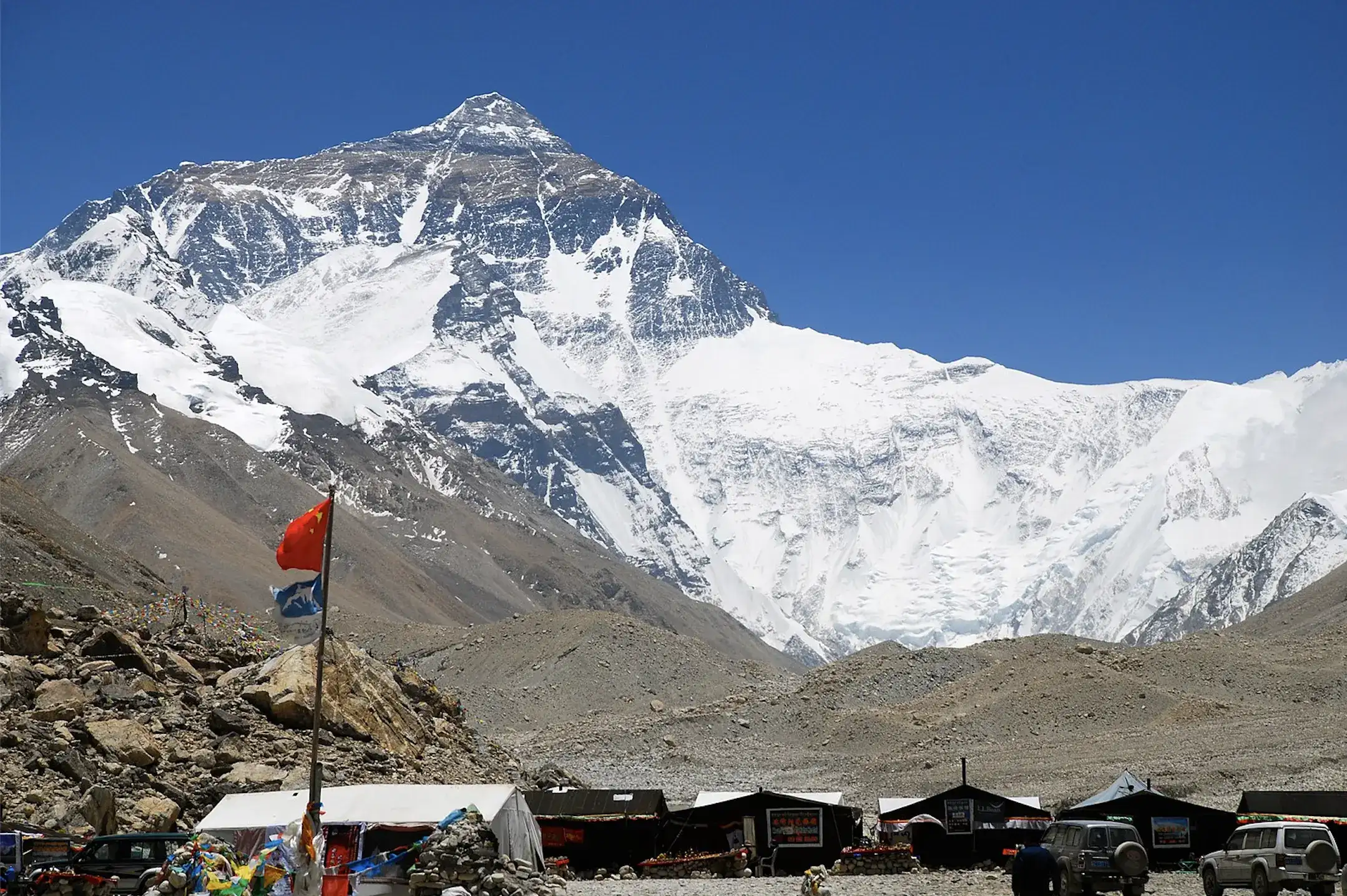
Everest Three High Pass Trek
Trip Duration: 18 Days
Trip Grade: Moderate
Group Size: 10
Overview
For those seeking high-altitude journeys to the Himalayas, the Everest Three High Pass Trek is one of the most thrilling and enjoyable choices. Three mountain passes are covered by the itinerary: Renjo La Pass (5360 m), Cho La Pass (5420 m), and Kongma La Pass (5545 m). Of the three passes, the Kongma-La Pass is the highest, rising 5,550 m above sea level.
You will undoubtedly feel the level of difficulty as you ascend to the top, which is also the hardest of the bunch. Cho La Pass, which links the Gokyo valley to the standard Everest Base Camp itinerary, is the second pass to be conquered on this journey. Additionally, Thagnak and Dzongla, two settlements in the Khumbu region, are connected by this mountain pass. Out of the trio, this one receives the most steps because it serves as a midpoint for numerous important points.
Lastly, the Renjo La Pass, the simplest of the three passes, is the final one we have to cover. It is also the only one of the three that does not have any glaciers. You will also reach Gokyo Ri (5357 m), Kala Pattar (5555 m), and Chukung Ri (5550 m) on this journey. A once-in-a-lifetime opportunity to witness the amazing scenes of the massive peaks in the Everest region awaits you on this stunning Himalayan journey.
Technological developments and the development of newer trekking routes and itineraries in the past few years have made it easier to trek these mountain passes. The Three Passes trek is one of the most often booked trekking experiences in the eastern part of Nepal, while there are many other trekking trips of this type. This is not just a relaxing adventure; it is a challenging trek. The routes are challenging since they reach altitudes of more than 5,000 meters, which adds to the overall difficulty of the trek.
Not only does high altitude make breathing harder, but it also causes sickness. Since this Himalayan journey passes through high-altitude areas and mostly via rocky, slippery slopes coated with snow and ice, there is a potential that you will experience altitude sickness. Even though the chances are low, we require everyone to follow preventive measures just to be on the safe side. You must, therefore, be mentally and physically equipped to deal with any challenges that may arise during your time in the highlands.
Highlights
Itinerary
Reaching Nepal and arriving at Kathmandu counts as the first day of the Everest Three High Pass Trek. After you get your tourist visa approved, you can leave the airport, and you will find one of our reps waiting for you at the terminal. He will be the one who takes you to your hotel room for the night. But before you call it a night, we will have you meet the guides and porters who will tag along with you on this trek, and also the other trekkers in the group. This will be a short introductory meeting, nothing else.
The following day on the Everest Three High Pass Trek, we will have you fly to Lukla in the morning hours. After breakfast, we will move towards the airport and get on a 35-minute flight to Lukla. Following that, we will start the 4-hour trek to Phakding, covering 6.2 km in total. The elevation loss of the day is 250 meters, starting from 2860 m and reaching 2610 m. Passing by Chheplung village, we will head over the Thado Koshi bridge to reach the village of Ghat. This path eventually leads us down to Phakding.
Starting the day at 2610 m, today’s Everest Three High Pass Trek to Namche Bazaar reaches a final elevation of 3440 m, which is a gain of 830 meters. The trail starts alongside the Dudh Koshi River, covering about 7.4 km of distance, with an estimated duration of 4 to 5 hours. First off, we will reach Toktok village, followed by a trek to Benkar, 2720 m. Following that, we have to pass by Champute village and reach Monjo, the gateway to the Sagarmatha National Park. We have to submit our permits at the checkpost before entering the park. After that, we will reach Jorsale village, have a hearty lunch, and climb the Namche hill to reach Namche Bazaar.
Today is the first acclimatization day on the Everest Three High Pass Trek itinerary. To acclimate well, we have to practice climbing high and sleeping low, so we will be hiking up to the Everest View Hotel, reaching 3880 m. This gains us 440 m of elevation. After enjoying an expansive, clear view of Everest, along with Ama Dablam, Lhotse, Cho Oyu, Nuptse, Pumori, and more, we will head back to Namche. On the way, we can also take a short extended trek to Khumjung village. This Sherpa village has a monastery with a Yeti scalp on display.
Day 5 of the Everest Three High Pass Trek features a 9.2 km trail, which takes about 5 to 6 hours to cover. Starting from 3440 m, we have to reach 3800 m above sea level by the end of the trek, gaining 360 m of elevation. Starting off, we will head north from Namche, entering the Bhote Koshi River valley. Passing by chortens and mani walls, the trail is mildly steep for the most part. After a lunch stop, we will begin the final part of the trek.
Featuring an 8.2 km trail, the 6th day of the Everest Three High Pass Trek gains us around 580 meters of elevation. Starting the day at 3800 m, we have to trek for 4 to 5 hours to reach 4380 m. The initial portion of the trek ascends slightly and leads us to the village of Marlung, 4210 m. From there, we have to head north over a rugged terrain and some stone steps. Climbing about 170 meters and covering around 2.3 km from Marlung, we will reach Lungde village.
Today is yet another acclimatization day on the Everest Three High Pass Trek itinerary. Our acclimatization hike of the day takes us to Nangpa Valley. This hike is going to take us 3 to 4 hours to complete and gain us about 300 meters of elevation. The route was one of the main trading routes back in the day, bringing in goods from Tibet and also exporting some. At around 4700 meters, we will have a great view of the surrounding peaks and valleys, and head back to Lungde to spend the night.
Day 8 of the Everest Three High Pass Trek takes us up to the first mountain pass of the journey. The day features a total ascent of 965 m; however, the net elevation change is an ascent of 410 meters, reaching Gokyo village. Starting off, we will gradually ascend the Renjo La Pass and soon hit a steep slope covered in snow. Using trekking poles and microspikes, we will reach the summit of the pass, witnessing a grand view of Lhotse, Makalu, Cho Oyu, and Everest peak. After some time admiring the view, we have to descend from the pass and reach Gokyo village. The trail is a series of switchbacks passing through glacial moraines. Passing by the 1st and 2nd Gokyo Lakes, we will reach the 3rd lake and the village beside it.
This is the last acclimatization day on the Everest Three High Pass Trek itinerary. Today we will hike up to Gokyo Ri, reaching 5357 m above sea level. It will take us about 2 to 3 hours to reach the viewpoint, and one of the best scenes on the entire journey. You will get to see Lhotse, Cho Oyu, Makalu, the Ngozumpa Glacier, and Everest from the top, along with the Gokyo Lakes below. After getting back down, we can alternatively head to the fourth and fifth Gokyo Lakes, reaching 4950 m and 4980 m respectively.
Day 10 of the Everest Three High Pass Trek requires you to cross the largest glacier in Nepal, the Ngozumpa Glacier. The total trek distance is just 5 km with an estimated duration of 2 to 3 hours. The net elevation change of the day is very minimal. Starting off, we have to go over an undulating trail to cross the glacier; this will take us about 1.5 hours. After that, we have to trek a ridgeline and follow it till we reach Dragnag, also known as Thangnak. Sitting at 4800 m above sea level, this village serves as the base camp for the climb to Cho La Pass.
The next day on the Everest Three High Pass Trek itinerary, we have to trek for 7 to 8 hours, making it the longest trekking day. The total distance to be covered is just 11 km; however, the elevation gain is 620 meters, which explains the long trekking hours. The net elevation change of the day is minimal. Leaving Dragnag, the trail is immediately steep, making up a challenging climb to the top. Additionally, the final part of the climb is narrow and slippery, requiring crampons and microspikes. With a dramatic cliff on both sides, the trail can be very exciting and adventurous. At the top, trekkers are rewarded with a stunning 360° scene of the surrounding peaks, including Cho Oyu, Lhotse, and Everest. After taking in the serene views and capturing many memorable scenes, we will head down to Dzongla village. The path down is steep as well, reaching 4830 m above sea level.
Day 12 of the Everest Three High Pass Trek is yet another exciting day. Covering a total distance of 15 km, we will reach the famous Everest Base Camp and spend the night in Gorakshep. The total estimated duration is 7 to 8 hours, with a total ascent of 534 meters and a net elevation change of +334 meters. Departing from Dzongla, the trail goes through a series of stone steps and some flat portions afterwards. Soon, we will ascend all the way to Gorak Shep, the last settlement on the trek, and settle our luggage there. After that, we will begin the hike to Everest Base Camp. The trail is consistently ascending, taking us to 5364 m above sea level. At the base camp, we will spend about half an hour, admiring the view and taking tons of memorable photos. After that, we will descend back to Gorak Shep (5164 m) and call it a day. This descent loses us 200 meters of elevation.
The 13th day of the Everest Three High Pass Trek starts at around 3 in the morning, since we have to climb to Kala Patthar viewpoint before sunrise. This ascent gains us 386 meters and covers about 2 km of distance to the top. We will reach the top in about 2 hours from Gorak Shep, going over a rocky terrain with loose scree all over. You should take the ascent slowly; there is absolutely no need to rush it. From this viewpoint, you can see the southern face of Everest, the Khumbu Icefall, Nuptse, Lhotse, Cho Oyu, and more. This is probably the best scene of the entire Everest Three High Pass Trek. After some time at the top, we will descend back to Gorak Shep and have our breakfast before leaving for Lobuche. The descent to Lobuche is 8 km long, which can be covered in just 3 to 4 hours with an elevation loss of 254 meters.
The following day will be one of the most tiring days of the Everest Three High Pass Trek. We have to cover about 11 km of distance and be out for about 6 to 7 hours. The total ascent of the day is 625 m, and the total descent is 835 m, while the net elevation change is a descent of 210 m. Leaving Lobuche, the trail follows an undulating path gently climbing towards the third and final pass of the trek. Ascending the Khongma La Pass, the path requires trekking poles as we have to traverse loose scree. The final couple of hundred meters of climb will be the steepest part of the day. Decorated with Buddhist prayer flags, the top of the pass features a scene including the Island Peak, Nuptse, Lhotse, Pumori, Thamserku, and more. From there, we have to descend a long way to reach Chhukung. We will lose over 800 meters of elevation in the process.
The day starts at 4700 m above sea level at Chhukung, featuring a 10 km trail that takes us to 3870 m, losing 830 m of altitude. The estimated trekking duration is 5 to 6 hours, starting with a steady descent, passing by pasture lands and tiny settlements. Along the way, we will cross a couple of suspension bridges and go up some hilly slopes. However, for the most part, we will descend gradually and eventually reach Tengboche village. We will also visit the Tengboche monastery, the largest of its kind in the region.
Day 16 of the Everest Three High Pass Trek is 12 km long with an estimated duration of 5 hours. Today’s trail loses us 1035 meters of elevation, starting from 3870 m and reaching 2835 m. Departing from Tengboche, we will gently go downhill over a forested section and cross many streams. Going over small suspension bridges, we will cross the Dudh Koshi River a couple of times to reach the village of Phunki Tenga. Sitting at 2900 m above sea level, this village is our lunch spot of the day, offering a glimpse into the life of the locals. After a re-energizing lunch, we will hit the final part of the trek and head towards Monjo village, exiting the Sagarmatha National Park.
Today is the last trekking day of the Everest Three High Pass Trek. Our day features 5 to 6 hours of trekking, covering about 12 km of total distance. The net elevation change is an ascent of 125 meters. Leaving Monjo, the trail traverses the Dudh Koshi Valley and passes by tiny settlements. Passing by villages such as Benkar, Toktok, and Phakding, we will eventually make it to Lukla village.
After an early morning breakfast, we will take a flight back to Kathmandu to end the beautiful journey we had. On the flight, you will have plenty of time to remember all the memorable experiences you had during this Himalayan trek.
What's Included
Included
- All accommodation during trek and hotels in Kathmandu
- Three meals per day during trek
- Experienced English-speaking trek guide
- Required number of porters
- All necessary permits and fees
- Domestic flights (Kathmandu-Lukla-Kathmandu)
- All ground transportation
- Airport transfers
- Welcome and farewell dinners
- First aid and medical kit
- Staff insurance and equipment
Excluded
- International flights
- Nepal visa fees
- Travel insurance
- Personal trekking gear and equipment
- Personal expenses and shopping
- Tips for guides and porters
- Emergency helicopter evacuation
- Alcoholic beverages and extra drinks
- Hot shower charges during trek
- Battery charging and internet fees
Frequently Asked Questions
Customer Reviews
Loading reviews...