Annapurna Circuit Acclimatization | Complete 2026 Guide
Introduction to Annapurna Circuit Acclimatization
Of all the numbers associated with the Annapurna Circuit, one gets repeated more than any other: 5,416 meters, the elevation of Thorong La Pass. It's the number in every brochure, every itinerary, every trekker's post-trip photo caption. But the number that actually determines whether you reach that pass safely isn't 5,416 — it's how many meters per day you gained on the way there, and whether your body had time to adjust to each stage of that gain before pushing further.
This is the guide that treats acclimatization as the genuinely central discipline it is on this specific trek, not a side note tucked into a packing list. The Annapurna Circuit covers one of the largest elevation ranges of any regularly trekked route in Nepal — from roughly 760-800 meters at Besisahar to 5,416 meters at the pass — and it does this compressed into 12-21 days, with a single, unavoidable high-altitude crossing at the end of the climb.
Understanding exactly how your body responds to that altitude gain, where the real risk concentrates, what the golden rules of ascent actually mean in practice on this specific route, and what to do if something goes wrong is the single most important preparation you can do beyond physical fitness.
Every fact below — elevation thresholds, symptom progression, medication guidance, risk statistics — has been checked against current trekking-medicine sources, because acclimatization isn't a topic where approximate information is good enough on a route that climbs this high.
Why Acclimatization Is the Central Challenge of This Specific Trek
The Annapurna Circuit's elevation profile has a distinctive shape: a long, gradual ascent over roughly ten to twelve days, followed by a single explosive day that includes both the trek's highest point and one of the steepest single-day descents found on any major Himalayan trekking route. This shape is exactly why acclimatization deserves more focused attention here than on a shorter, single-destination trek.
Unlike Annapurna Base Camp, which tops out at 4,130 meters and where the sharpest elevation gain happens over just a couple of days near the end, the Circuit sustains meaningful altitude exposure across a much longer stretch — from Manang (3,540m) through Yak Kharka, Letdar, Thorong Phedi, and High Camp, before the pass itself at 5,416 meters. That's several consecutive nights spent progressively higher, each one requiring the body to keep adapting, before the single hardest day of the entire trek even begins.
The Physiology: What's Actually Happening to Your Body
Air pressure drops as elevation increases, meaning each breath delivers fewer oxygen molecules to your lungs even though the percentage of oxygen in the air stays roughly constant at sea level and at altitude alike. At 5,416 meters, oxygen availability is roughly half of what it is at sea level — a genuinely dramatic reduction that your body has to adapt to through several physiological mechanisms:
Breathing rate increases, even at rest, as the body compensates for reduced oxygen per breath.
Heart rate rises, pumping blood faster to deliver available oxygen more efficiently.
Red blood cell production increases gradually over several days, improving the blood's oxygen-carrying capacity — this is the core biological process behind genuine acclimatization, and it happens on a timescale of days, not hours.
Fluid balance shifts, which is part of why proper hydration is so consistently emphasized in altitude guidance — dehydration compounds several of the mechanisms that contribute to Acute Mountain Sickness (AMS).
Acute Mountain Sickness happens specifically when ascent outpaces these adaptive processes — your body simply hasn't had the time it needs to build the physiological adjustments required to function normally at your current altitude.
At What Elevation Does This Start Mattering on the Circuit?
AMS risk isn't confined to the pass itself — it becomes relevant considerably earlier in the route than many first-time trekkers expect.
Elevation | Relevance to the Annapurna Circuit |
|---|---|
Below 2,500m (Besisahar through Chame) | Generally low AMS risk for most healthy trekkers |
2,500-3,000m (Chame to Pisang) | Risk begins becoming relevant, though still generally low |
3,000-4,000m (Manang, Yak Kharka) | AMS risk increases meaningfully; this is where the trek's real acclimatization discipline begins |
4,000-5,000m (Letdar, Thorong Phedi, High Camp) | The trek's highest-risk zone — several consecutive nights sleeping progressively higher, before the pass itself |
5,416m (Thorong La summit) | Extremely thin air, though exposure is limited to a single day's transit rather than an overnight stay |
This table makes clear why Manang — sitting right at the point where risk becomes genuinely relevant — is positioned exactly where it is in virtually every standard itinerary, with a dedicated acclimatization day built in before the trail pushes higher.
Where the Real Danger Actually Sits (It's Not the Pass Itself)
This is one of the most commonly misunderstood facts about acclimatization on this specific trek: the most dangerous section from an altitude-risk perspective is not Thorong La itself — it's the multi-day approach between Manang and Thorong High Camp.
This might seem counterintuitive, since the pass is the trek's highest point by a wide margin. But the pass crossing itself is a single, well-understood, heavily trafficked day, completed by virtually every trekker on the route with careful preparation, an early start, and close guide supervision.
The approach section — Manang (3,540m) through Yak Kharka (roughly 4,010-4,120m), Letdar (roughly 4,250m), and up to Thorong Phedi (roughly 4,420-4,540m) or High Camp (roughly 4,880-4,925m) — is where the genuine acclimatization test happens, because it involves several consecutive nights of progressive elevation gain into increasingly thin air, all before the pass crossing even begins.
The Golden Rules of Acclimatization on This Trek
1. Respect the Ascent Rate Guideline
The most widely cited general guideline in trekking medicine: no more than roughly 300-500 meters of net elevation gain per night once sleeping above 3,000 meters. This is directly relevant to the Manang-to-High Camp stretch specifically, where the standard itinerary's pacing is doing real acclimatization work, not just covering distance efficiently.
Night-to-night stage | Approximate elevation gain |
|---|---|
Manang (3,540m) → Yak Kharka (~4,010-4,120m) | Roughly 470-580m |
Yak Kharka → Thorong Phedi (~4,420-4,540m) or High Camp (~4,880-4,925m) | Roughly 300-800m depending on the chosen overnight stop |
This is exactly why the choice between Thorong Phedi and High Camp as your final overnight stop before the pass is a genuine acclimatization decision, not just a logistics one — covered in detail further below.
2. Climb High, Sleep Low, Where Possible
This classic mountaineering principle holds real value on the Circuit specifically at Manang: a short daytime excursion to a higher point, followed by a return to sleep at the lower elevation, helps stimulate the body's acclimatization response without the same risk as sleeping at the higher altitude outright.
The most popular option for this at Manang is a walk up toward Gangapurna Lake, at roughly 3,900 meters — a shorter, more accessible "climb high, sleep low" option than some of the more strenuous alternative side hikes available from Manang.
3. Stay Well Hydrated
Dehydration compounds several of the physiological stresses that contribute to AMS. Most guides recommend a genuinely elevated daily water intake at altitude — commonly cited guidance suggests 3-4 liters of water per day while trekking above the mid-elevation zone, considerably more than most people drink at sea level under similar activity levels.
4. Avoid Alcohol and Sedatives
Alcohol and certain medications, including sleeping pills and tranquilizers, can worsen AMS risk — alcohol specifically affects breathing patterns and hydration in ways that compound altitude-related stress. Most guides recommend avoiding alcohol entirely for the duration of the high-altitude stretch of the trek, not just at the very highest points.
5. Eat Enough, Particularly Carbohydrates
A carbohydrate-focused diet is commonly recommended at altitude, since carbohydrates require less oxygen to metabolize than fats or proteins — a genuinely useful advantage when oxygen availability is already substantially reduced.
6. Listen to Your Body, Not the Itinerary
This is the rule most commonly broken, and the one most directly tied to AMS becoming dangerous rather than merely uncomfortable. A trekker with mild symptoms who feels pressure — self-imposed or group-imposed — to keep pace with a fixed itinerary is at meaningfully higher risk than one willing to pause, rest an extra day, or descend if needed. A good guide actively supports this rather than pushing against it.
Understanding AMS: Symptoms and Stages
Mild AMS (Common, Usually Manageable)
Symptom | What it feels like |
|---|---|
Headache | Often the first and most noticeable symptom |
Fatigue | Beyond what exertion alone would explain |
Nausea | Mild stomach discomfort, sometimes reduced appetite |
Dizziness | Lightheadedness, particularly on standing or exertion |
Disturbed sleep | Difficulty sleeping, frequent waking, unusual dreams — common enough at altitude that it's sometimes dismissed too quickly as "just the altitude" rather than tracked as a symptom |
Mild shortness of breath | Beyond what the pace of walking would normally cause |
Mild AMS is common on this route and, with proper response (rest, hydration, no further ascent until symptoms improve), typically resolves within 24-48 hours without requiring descent.
Moderate AMS (Warning Signs, Requires Caution)
Symptom | What it signals |
|---|---|
Worsening headache, unresponsive to basic pain relief | Symptoms progressing rather than stabilizing |
Persistent vomiting | A more serious escalation beyond mild nausea |
Increasing fatigue affecting walking ability | The body struggling to keep pace with demand |
Coordination becoming noticeably off | An early sign worth taking seriously, particularly given the steep, exposed terrain around Thorong Phedi and High Camp |
At this stage, the standard guidance is unambiguous: stop ascending, rest at the current altitude, and monitor closely. If symptoms improve significantly within 24 hours, cautious, slow continued ascent may be appropriate. If they don't improve, or worsen, descent becomes necessary.
Severe AMS: HAPE and HACE (Medical Emergency)
If AMS is ignored and ascent continues regardless, it can progress into two life-threatening conditions:
HAPE (High Altitude Pulmonary Edema): Fluid accumulates in the lungs. Symptoms include severe breathlessness even at rest, a persistent cough (sometimes producing frothy or blood-tinged sputum), chest tightness, and extreme fatigue.
HACE (High Altitude Cerebral Edema): Fluid accumulates in the brain. Symptoms include confusion, loss of coordination (difficulty walking in a straight line), severe headache unrelieved by medication, and altered consciousness.
Both are medical emergencies requiring immediate descent — not next-morning descent, immediate. Confusion, chest tightness, extreme fatigue, or difficulty walking are never signs to push through toward the pass; they are the clearest possible signal to descend without delay, regardless of how close you are to Thorong La or how much of the trek remains.
How Common Is AMS on the Annapurna Circuit?
Given the Circuit's substantially higher maximum elevation compared to routes like Annapurna Base Camp, AMS incidence is generally higher here than on shorter, lower treks in the same region.
Trek | Maximum elevation | General AMS risk pattern |
|---|---|---|
Annapurna Base Camp | 4,130m | Moderate; roughly 30-40% of trekkers report some symptoms |
Everest Base Camp | 5,364m | Higher, given greater peak elevation and sustained time above 4,000m |
Annapurna Circuit (Thorong La) | 5,416m | Comparably high, or higher, given the combination of extreme elevation and the multi-day sustained approach above 4,000m before the pass |
These figures vary across sources and should be treated as general planning context rather than precise statistics specific to every individual trekker — but the consistent pattern is clear: the Circuit's substantial altitude exposure, sustained across several consecutive days above 4,000 meters, makes acclimatization discipline genuinely central to a safe crossing, not an optional extra.
The Manang Acclimatization Day: Why It's Positioned Where It Is
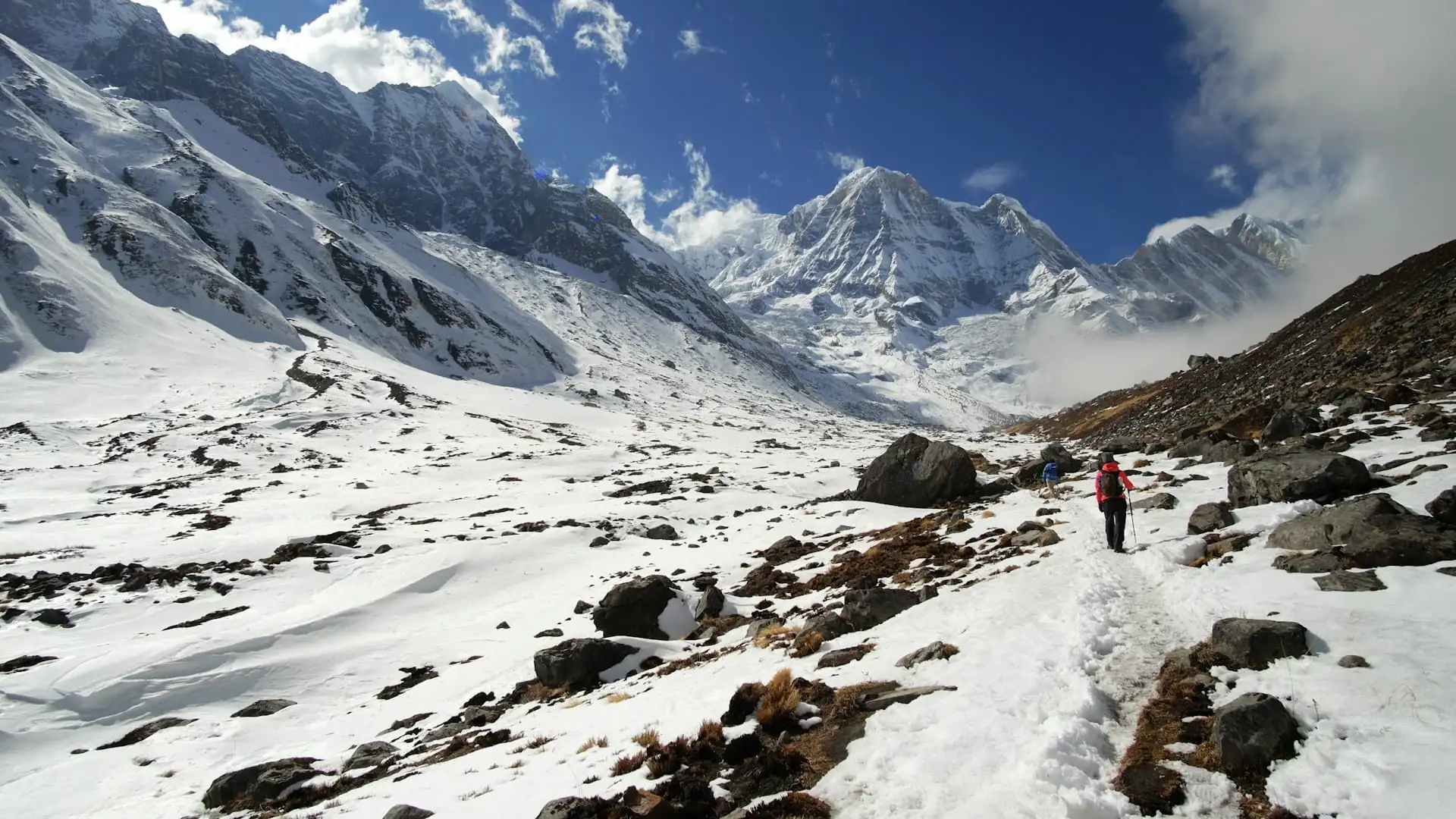
Manang, at 3,540 meters, sits close to the altitude where AMS risk begins to meaningfully increase — and its position in virtually every standard itinerary isn't arbitrary. The dedicated rest day here gives trekkers a full acclimatization stop at a genuinely relevant elevation before pushing into the higher, more demanding stretch above.
This rest day isn't necessarily meant to be spent lying still — a moderate day hike to a higher point before returning to sleep at Manang's elevation is considered better acclimatization practice than complete inactivity, since it encourages the body's red blood cell production during the rest period rather than simply pausing progress.
The walk toward Gangapurna Lake (roughly 3,900m) is the most popular option for this specific "climb high, sleep low" day, offering a shorter, more accessible alternative to some of the more strenuous side hikes available from the village.
The Himalayan Rescue Association Post
Manang is also home to a post maintained by the Himalayan Rescue Association, providing altitude sickness information and emergency guidance during the trekking season. This is worth knowing about specifically because Manang marks the last major settlement before the trail pushes into its highest, most remote, and most acclimatization-critical stretch — beyond this point, emergency response options thin out considerably until reaching Muktinath and Jomsom on the far side of the pass.
Thorong Phedi vs. High Camp: An Acclimatization Decision, Not Just a Logistics One
One of the more consequential choices on this trek is where to spend the night immediately before crossing Thorong La — at Thorong Phedi (roughly 4,420-4,540m) or at Thorong High Camp (roughly 4,880-4,925m).
Option | Elevation | Acclimatization trade-off |
|---|---|---|
Thorong Phedi | ~4,420-4,540m | A lower, theoretically gentler sleeping altitude, but leaves a longer, harder summit-day climb (roughly 966m of ascent to the pass) |
Thorong High Camp | ~4,880-4,925m | A higher sleeping altitude (meaning a somewhat harder night from a pure acclimatization standpoint), but a shorter, faster summit push the next morning (roughly 530-536m of ascent) |
Many experienced operators recommend sleeping at High Camp specifically because it shortens the following day's ascent to the pass, reducing total physical exertion required on the single most demanding day of the trek — even though it technically means sleeping at a higher elevation the night before.
This is a genuine trade-off rather than a universally "correct" choice, and it should be made in consultation with your guide based specifically on how your body has responded to the altitude gain in the days leading up to this decision point, not as a fixed default.
Diamox (Acetazolamide): What It Does and Doesn't Do on This Trek
What It Is
Acetazolamide, commonly known by the brand name Diamox, is a prescription medication frequently used preventively by high-altitude trekkers. Research published in altitude medicine literature has found that Diamox can reduce AMS incidence by up to roughly 50% in trekkers ascending above 3,500 meters — directly relevant to the Circuit, given that a substantial portion of the route (from Manang onward) sits above this threshold.
How It's Typically Used
Detail | Guidance |
|---|---|
Typical preventive dose | Roughly 125-250mg, taken twice daily |
When to start | Commonly started a day before beginning significant ascent (often timed around departure from Manang or the days before), continued through the high-altitude stretch |
Prescription requirement | Should be prescribed by a doctor familiar with your health history — not decided independently once already in Nepal |
Common side effects | Tingling sensation in fingers and toes, increased urination, occasionally mild nausea — generally manageable and temporary |
Important caution | People with sulfa allergies should not take Diamox without specific medical guidance, since it belongs to the sulfonamide drug family |
Practical tip | Take a test dose at home before departure, since some side effects (tingling, mild nausea) can be confused with early AMS symptoms on the trail itself, particularly around Manang and above |
What Diamox Is Not
This is the single most important caveat about this medication, particularly on a trek with as much sustained high-altitude exposure as the Circuit: Diamox is not a replacement for acclimatization, and it does not make you immune to AMS. It's a supplement to smart, gradual ascent — not a ticket to rush the Manang-to-High Camp stretch or ignore your body's signals.
Overreliance on Diamox is a genuinely recognized risk, because the medication can mask the gradual onset of AMS symptoms, potentially delaying recognition of a condition that's actually escalating toward HAPE or HACE at exactly the point in the trek where descent options become more limited.
The decision to use Diamox, and at what dose, should always be made in consultation with a doctor before your trip — this guide describes common practice, not personalized medical advice.
Who's at Higher Risk?
AMS risk isn't evenly distributed, and it's worth stating plainly: fitness level is a weaker predictor than most people assume, and even very fit, experienced trekkers can develop AMS on this route if they ascend too quickly.
Risk factor | Why it matters on the Circuit specifically |
|---|---|
Rate of ascent | The single largest controllable risk factor, particularly relevant to the Manang-to-High Camp stretch |
Individual physiological variation | Some people are simply more genetically susceptible to AMS, independent of fitness |
Prior history of AMS | Trekkers who've experienced AMS on previous high-altitude trips are at elevated risk of recurrence |
Alcohol or sedative use | Both worsen AMS risk through effects on breathing and hydration |
Dehydration | Compounds several of the physiological stresses that contribute to symptoms |
Pre-existing heart or lung conditions | Can increase both AMS risk and the severity of symptoms if they occur |
Compressed itinerary choice | A shorter, faster-paced schedule (8-11 days versus 16-18) reduces acclimatization buffer specifically through the Manang-to-High Camp stretch |
Pushing through fatigue or mild illness | Continuing to ascend despite feeling unwell removes the body's opportunity to adjust before further stress |
Notably absent from this list, deliberately: general cardiovascular fitness. A trekker with strong cardio conditioning and one with more moderate fitness are not meaningfully different in their fundamental susceptibility to AMS — what matters far more is how quickly they ascend and how they respond to early symptoms.
What to Do If Symptoms Appear: A Clear Protocol
Mild Symptoms (Headache, Fatigue, Mild Nausea)
Stop ascending for the day; rest at your current altitude
Increase water intake
Consider basic pain relief (such as ibuprofen or aspirin) for headache symptoms
Monitor closely over the next 12-24 hours
If symptoms improve significantly, continue ascending cautiously and slowly the following day
If symptoms don't improve, or worsen, do not ascend further, regardless of itinerary pressure
Worsening or Moderate Symptoms
Do not continue ascending under any circumstances
Rest and monitor closely, ideally with a guide or companion checking in regularly
If no improvement within 24 hours, begin descent
Seek any available medical guidance — the Himalayan Rescue Association post in Manang is the most reliable resource on the eastern side of the route, and experienced guides are trained in basic AMS response
Severe Symptoms (Confusion, Chest Tightness, Extreme Fatigue, Difficulty Walking)
This is a medical emergency, not a discomfort to manage:
Descend immediately — commonly cited guidance recommends dropping at least 500-1,000 meters without delay
Do not wait for morning, do not attempt to "push through" toward the pass or toward a scheduled stop
Seek medical help as quickly as possible
If symptoms are severe or unmanageable at the current location, helicopter evacuation may be the only safe option — this is precisely why comprehensive travel insurance with high-altitude evacuation coverage, extending to at least 5,416 meters, is essential before attempting this specific trek
The Role of a Guide in Acclimatization Safety on This Route
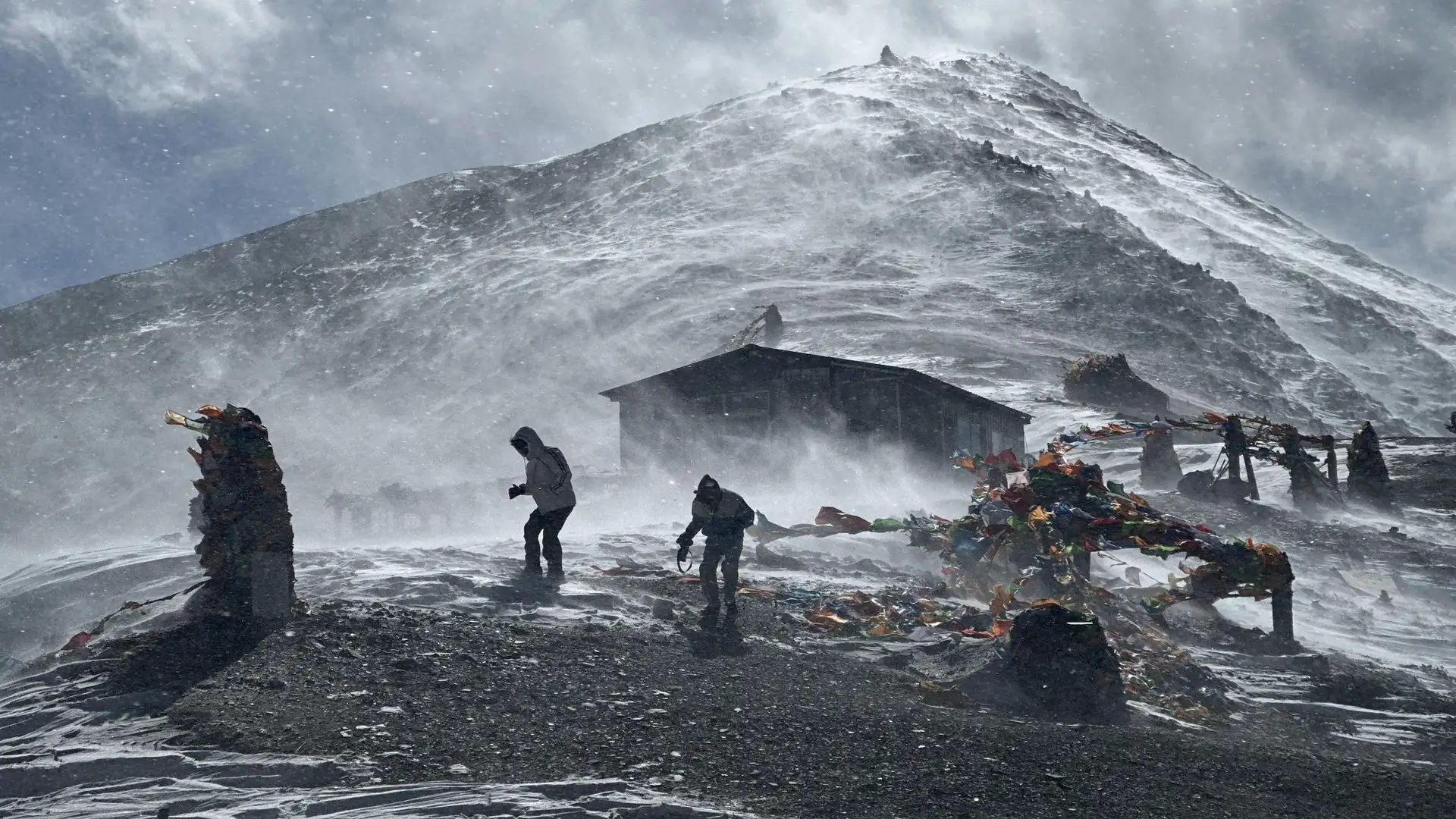
Since April 2023, hiring a licensed guide has been mandatory for foreign trekkers on the Annapurna Circuit route — a requirement with genuine safety value specifically in the context of acclimatization, beyond navigation and logistics.
An experienced guide contributes to acclimatization safety in several concrete, route-specific ways:
Real-time pass condition and pacing judgment. Guides who work this route regularly track current snow and weather conditions at Thorong La and can advise on timing, rest-day additions, or the Phedi-versus-High-Camp decision based on how your specific group is acclimatizing.
Symptom recognition through the highest-risk stretch. Trained guides recognize early AMS signs — including subtle ones like slightly off coordination or unusual quietness — during the Manang-to-High Camp section, before they progress into something more serious.
Decision-making under pressure. A guide isn't emotionally invested in "completing the pass as scheduled" the way a trekker who's spent months anticipating this specific crossing might be — this outside perspective is valuable precisely when a trekker's own judgment might be compromised by symptoms or by reluctance to add an extra rest day.
Access to emergency protocols. Guides know the location of the Manang HRA post, how to arrange evacuation if needed, and how to coordinate with trekking agencies and insurance providers during an emergency on a route where such resources thin out considerably above Manang.
This is a meaningful part of why trekking with an experienced, locally based operator like Adventure Life Nepal adds real value beyond convenience — a guide who has led the Manang-to-Thorong-La stretch repeatedly has direct, practical familiarity with exactly where and how AMS symptoms tend to emerge on this specific route, not just general altitude medicine knowledge.
Itinerary Length and Its Direct Effect on Acclimatization Safety
Itinerary length | Acclimatization implication |
|---|---|
8-11 days (heavily jeep-supported, compressed) | Fastest option through the lower valley, but generally still preserves the core Manang-to-High Camp pacing since this stretch resists further compression given its acclimatization importance |
12-16 days (standard) | Reasonable balance; the most commonly booked itinerary length |
16-18 days (extended, often specifically recommended by guided operators) | Considered by many operators as the more comfortable, lower-risk pacing specifically because it can allow extra buffer days around the highest-risk stretch if needed |
18-21 days (classic, full walking route) | The most gradual overall ascent profile, since the lower sections are walked rather than driven, extending the general conditioning period before the high-altitude stretch begins |
It's worth noting specifically that road-based shortening of the lower Besisahar-to-Chame section has minimal acclimatization impact, since AMS risk is low at those elevations — the critical acclimatization stretch from Manang upward remains largely unchanged in most itineraries regardless of how much of the lower route is driven, which is precisely why this stretch deserves focused attention regardless of your itinerary's overall length.
Adding an Extra Acclimatization Buffer
Trekkers with any history of altitude sensitivity, or anyone who wants a more conservative approach given the Circuit's substantial elevation gain, can consider adding an extra night around Yak Kharka or Thorong Phedi beyond the standard itinerary.
It is genuinely possible to extend a stay in this zone before crossing the pass, effectively adding another buffer day for the body to adjust before the trek's single most demanding day — a request worth discussing directly with your guide or operator when planning your itinerary, rather than only as a reactive measure once symptoms appear.
How Side Trips (Tilicho Lake, Nar Phu Valley) Interact With Acclimatization
Tilicho Lake
The Tilicho Lake side trip branches off near Manang and reaches 4,919-4,920 meters — a genuine additional high-altitude push beyond the standard route. Adding this side trip typically extends the overall itinerary by roughly 2 days, and the insertion point falls naturally during the Manang acclimatization stage, meaning it can actually function as a form of extended acclimatization exposure before returning to rejoin the main trail near Yak Kharka — provided it's paced sensibly rather than rushed, given its own significant elevation gain.
Nar Phu Valley
Nar Phu Valley involves its own high-altitude crossing at Kang La Pass (roughly 5,322m), branching off near Koto/Dharapani and rejoining the main Circuit route near Manang. Because this route requires its own restricted-area permit and typically a minimum group size, combined itineraries with the main Circuit commonly run 12-16 days total — a length that should be planned with the same acclimatization discipline applied to the main route, given that Kang La Pass presents comparable altitude exposure to Thorong La itself.
Seasonal Considerations for Acclimatization Planning
Weather and acclimatization interact in a few specific ways worth factoring into your planning:
Stable weather seasons (autumn especially, and spring) make it easier for guides to make clear-headed pacing decisions, since visibility and trail conditions aren't adding additional stress or uncertainty to already-demanding altitude decisions.
Cold conditions, particularly in winter, can compound the effects of mild dehydration — itself a recognized AMS risk factor — meaning winter trekking on this route requires even more deliberate attention to water intake alongside the standard cold-weather gear considerations.
Winter snow risk at the pass can occasionally require additional rest or delay days near Thorong Phedi or High Camp while conditions are assessed — a scenario where the acclimatization buffer built into a longer itinerary genuinely pays off, since it accommodates weather-related delays without compounding rushed-ascent risk.
Most guides and operators recommend the stable windows of October-November and March-April specifically in part because predictable conditions support more careful, deliberate acclimatization pacing through the Manang-to-High Camp stretch.
Acclimatization Checklist: A Quick Reference for This Trek
Understand that AMS risk on the Circuit meaningfully begins around Manang (3,540m), not just at the pass
Choose a 16-18 day itinerary if you have any uncertainty about altitude tolerance, rather than the most compressed option
Discuss Diamox with a doctor before departure, including any relevant medical history
Plan to drink 3-4 liters of water daily while trekking above the mid-elevation zone
Avoid alcohol for the duration of the high-altitude stretch
Prioritize carbohydrate-rich meals at altitude
Use the Manang rest day actively — a Gangapurna Lake day hike is generally better acclimatization practice than complete inactivity
Recognize mild AMS symptoms: headache, fatigue, nausea, dizziness, disturbed sleep
Know the moderate-symptom rule: stop ascending, rest, monitor for 24 hours
Know the severe-symptom rule: descend immediately, at least 500-1,000m, seek medical help
Discuss the Thorong Phedi vs. High Camp decision with your guide based on how you're acclimatizing, not as a fixed default
Confirm travel insurance covers high-altitude evacuation to at least 5,416m
Trek with a licensed, experienced guide who knows this specific route
Communicate honestly with your guide about how you're feeling — don't downplay symptoms to avoid "slowing down the group" or "wasting" the pass-crossing day
Why Honest Communication Matters More on This Trek Specifically
One underappreciated aspect of acclimatization safety on the Circuit is social rather than physiological: trekkers frequently downplay symptoms because they don't want to be the reason a group misses its planned pass-crossing window, or because months of planning and anticipation around this single, iconic day make turning back or delaying feel like a bigger loss than it actually is.
This instinct is understandable and genuinely dangerous — AMS symptoms that are hidden or minimized during the Manang-to-High Camp stretch can't be responded to appropriately, and the progression from mild to severe AMS is exactly the kind of situation where early, honest communication makes the difference between an extra rest day and an emergency evacuation from one of the most remote sections of the entire route.
A well-run guided trek, particularly with an operator experienced in managing this specific dynamic on this specific route, builds a group culture where reporting symptoms honestly is treated as responsible trekking, not as failure — a genuinely important part of acclimatization safety that's easy to underestimate until you're the one deciding whether to mention a headache the night before pass-crossing day.
Common Acclimatization Myths, Corrected for This Trek
Myth | Reality |
|---|---|
"I'm fit, so I won't get AMS crossing Thorong La." | Fitness level is a weak predictor of AMS susceptibility; even very fit trekkers can develop symptoms if they ascend too fast through the Manang-to-High Camp stretch |
"Diamox means I don't need to worry about pacing on the Circuit." | Diamox reduces risk but doesn't eliminate it, and overreliance on it can mask worsening symptoms rather than prevent them — particularly risky given how remote the terrain becomes above Manang |
"The pass day itself is the dangerous part." | The multi-day approach between Manang and High Camp is generally considered the higher-risk stretch, since it involves several consecutive nights of progressive elevation gain before the single pass-crossing day |
"If I made it to a similar altitude on another trek without issues, I'll be fine on the Circuit too." | Individual susceptibility can vary between trips depending on ascent rate, hydration, fatigue, and other factors — prior success elsewhere isn't a guarantee on this route |
"A compressed 10-day itinerary saves time without real risk." | Compressed itineraries reduce acclimatization buffer specifically through the highest-risk stretch of the trek, genuinely increasing AMS risk compared to a 16-18 day pacing |
"Sleeping at High Camp is always the better choice since it shortens summit day." | It's a genuine trade-off, not a universal default — the right choice depends on how your body has responded to the altitude gain leading up to that specific decision point |
"Pushing through mild symptoms on pass-crossing day shows determination." | Pushing through worsening symptoms is precisely how mild AMS progresses into HAPE or HACE — the correct response to worsening symptoms is always to stop or descend, regardless of proximity to the pass |
Frequently Asked Questions about Annapurna Circuit Acclimatization
1. At what altitude does acclimatization become a serious concern on the Annapurna Circuit?
Risk becomes meaningfully relevant around 3,000 meters and increases significantly above 4,000 meters — meaning Manang (3,540m), Yak Kharka, Letdar, Thorong Phedi, and High Camp all sit within or approaching the trek's highest-risk zone, well before the pass itself.
2. Is Thorong La pass the most dangerous part of the trek from an altitude perspective?
Not exactly — the multi-day approach between Manang and Thorong High Camp is generally considered the higher-risk stretch, since it involves several consecutive nights of progressive elevation gain, while the pass crossing itself is a single, well-supervised day.
3. Why is there a rest day specifically at Manang?
Manang sits at 3,540 meters, close to the altitude where AMS risk starts becoming genuinely relevant, making it a well-positioned spot for a full acclimatization day — ideally including a moderate day hike (such as toward Gangapurna Lake) rather than complete inactivity.
4. Should I take Diamox for the Annapurna Circuit?
This is a decision to make with a doctor, not from a packing list — but many trekkers use it preventively, given research showing it can reduce AMS incidence by up to roughly 50% above 3,500 meters, a threshold the Circuit crosses well before Manang.
5. Should I sleep at Thorong Phedi or Thorong High Camp before crossing the pass?
Both are used regularly. Thorong Phedi is lower but leaves a longer summit-day climb; High Camp is higher but shortens the following day's ascent. The right choice depends on how your acclimatization has progressed by that point — a decision best made with your guide's input rather than as a fixed default.
6. How much water should I drink at altitude on the Annapurna Circuit?
Commonly cited guidance recommends roughly 3-4 liters per day while trekking above the mid-elevation zone, more than most people drink at sea level under similar activity levels.
7. What should I do if I develop a headache at Yak Kharka or Thorong Phedi?
Stop ascending further for the day, rest, hydrate, and monitor closely. If the headache is mild and improves with rest, cautious continued ascent the next day may be appropriate. If it worsens or is accompanied by other symptoms, don't continue ascending toward the pass.
8. Can fit, experienced trekkers still get altitude sickness on this route?
Yes, absolutely — general cardiovascular fitness is a weak predictor of AMS susceptibility on the Circuit specifically. Ascent rate, hydration, and individual physiological variation matter far more than fitness level alone.
9. Should I choose a longer itinerary specifically for acclimatization reasons?
Yes, generally recommended — a 16-18 day itinerary provides more acclimatization buffer through the Manang-to-High Camp stretch compared to a compressed 10-12 day version, directly reducing AMS risk.
10. What are the warning signs that mean I need to descend immediately on this trek?
Confusion, chest tightness, extreme fatigue beyond what exertion explains, and difficulty walking or maintaining coordination are all signs of potentially severe AMS (HAPE or HACE) and require immediate descent, regardless of how close you are to completing the pass crossing.
11. Does travel insurance need to specifically cover the Circuit's elevation?
Yes, significantly — verify your policy specifically covers high-altitude trekking and emergency evacuation up to at least 5,416 meters, given the genuine possibility of needing rapid descent and helicopter evacuation from the remote terrain around Thorong La.
12. How does adding Tilicho Lake or Nar Phu Valley affect acclimatization planning?
Both side trips involve significant additional high-altitude exposure (4,919-4,920m for Tilicho Lake, 5,322m at Nar Phu's Kang La Pass) and should be paced with the same acclimatization discipline as the main route, not treated as minor add-ons.
13. Is it normal to feel some effects of altitude even without full AMS on this trek?
Yes — mild breathlessness on exertion, slightly reduced appetite, or somewhat disturbed sleep above Manang are common and don't necessarily indicate AMS on their own. The distinction matters most when several symptoms appear together or worsen over time.
14. How does trekking with a guide improve acclimatization safety specifically on the Circuit?
An experienced guide brings real-time knowledge of pass and trail conditions, trained symptom recognition through the trek's highest-risk stretch, and clear-headed decision-making about the Phedi-versus-High-Camp choice and any need for extra rest days — all particularly valuable given how remote and resource-limited the terrain becomes above Manang.
Final Thoughts on Annapurna Circuit Acclimatization
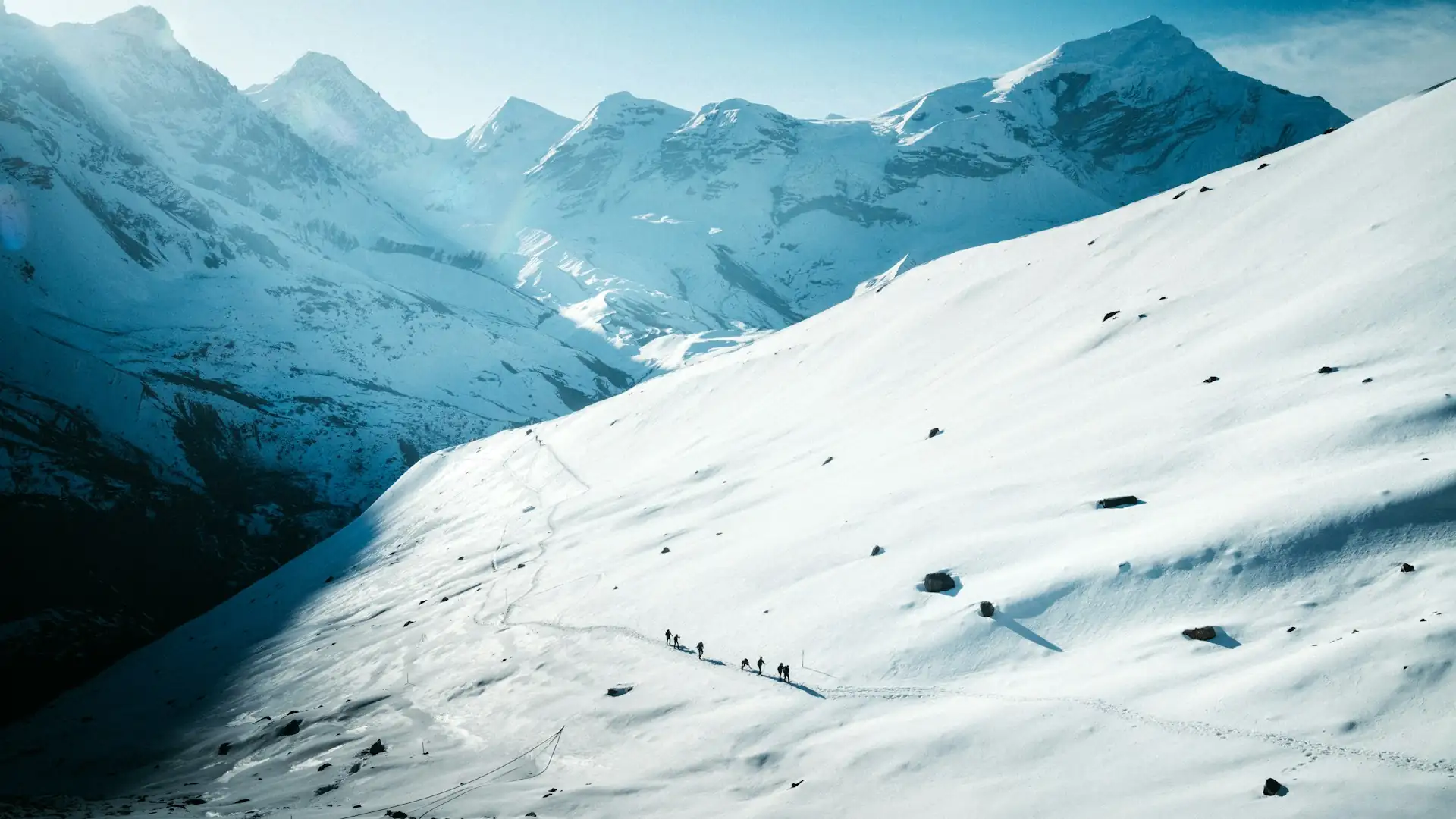
Acclimatization on the Annapurna Circuit deserves the central place in trip planning that this guide has given it, precisely because the trek's real risk doesn't concentrate at the single iconic number everyone fixates on — 5,416 meters at Thorong La — but in the days of steady, sustained elevation gain that lead up to it.
Respect the Manang rest day and use it actively, understand the general 300-500 meters-per-night guideline as it applies specifically to the Yak Kharka-through-High-Camp stretch, make the Phedi-versus-High-Camp decision based on how your body is actually responding rather than a fixed default, and commit to honest symptom communication even when the pass feels tantalizingly close.
Do that, and the altitude that makes this trek one of the genuine high-altitude achievements available to a non-technical trekker stays exactly that — an achievement, reached safely, rather than a risk that caught you by surprise on the one day you couldn't afford it to.