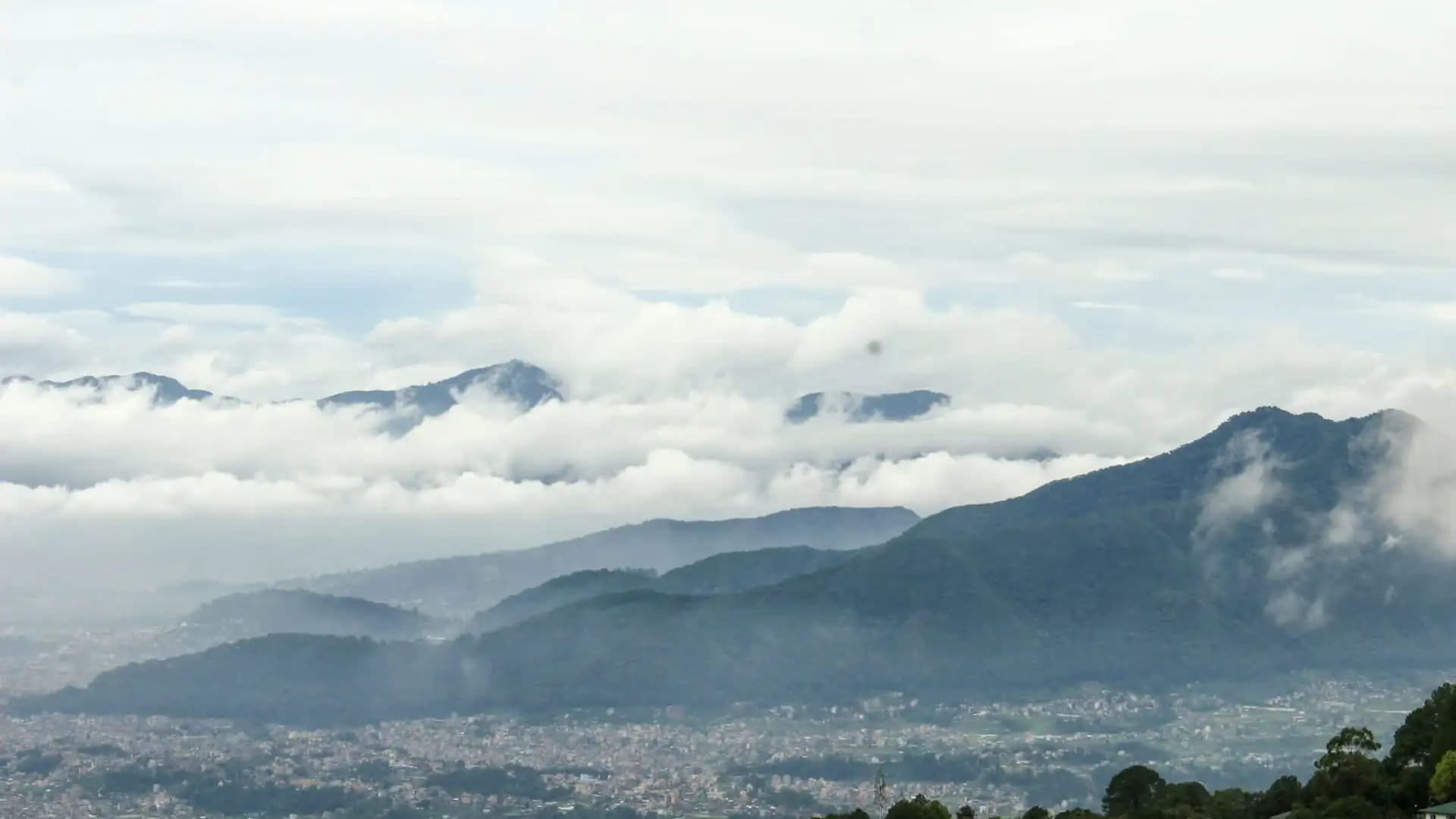
Best Time to Go to Kathmandu Nepal | Festival, Culture Guide
Introduction to Best Time to Go to Kathmandu Nepal
Kathmandu rewards almost every season, but not equally. For clear skies, comfortable days, and the best chance of mountain views, October and November are hard to beat, with March and April a close second. For culture, however, the calendar tells a different story: the city's biggest festivals fall in spring and autumn, and in 2027 a trip timed around Maha Shivaratri on 6 March, Nepali New Year on 14 April, Buddha Jayanti on 20 May, Indra Jatra on 14 September, or Dashain and Tihar in October will show you a side of Kathmandu that no sightseeing checklist can.
So the best time to go to Kathmandu Nepal depends on what you want from the trip. This guide breaks down the weather month by month, explains how each season affects sightseeing, air quality, crowds, and prices, and lists the 2027 festival dates so you can plan around them. Festival dates in Nepal follow the lunar calendar, so we note where sources differ and recommend confirming the exact day before you book.
Quick Answer: When to Visit Kathmandu
If you want... | Best time | Why |
|---|---|---|
Clear skies and mountain views | October to November | Post-monsoon air, stable weather |
Warm days and spring colour | March to April | Mild temperatures, festivals, blooming trees |
Big festivals and cultural intensity | March (Shivaratri, Holi), April (New Year), September to October (Indra Jatra, Dashain, Tihar) | Largest celebrations of the year |
Fewer crowds and lower prices | Late May to early June, or December to early February | Off-peak demand |
Lush green scenery | July to August | Monsoon rains turn the valley green |
A trek plus sightseeing | October to November or March to May | Good conditions for both Kathmandu and the mountains |
Kathmandu at a Glance
Kathmandu sits at roughly 1,400 meters (about 4,600 feet) above sea level in a bowl-shaped valley in the Himalayan foothills. That elevation gives it a mild, temperate climate compared with the hot lowlands to the south, with warm summers, cool winters, and a pronounced monsoon from roughly June to September.
The valley is also one of the densest concentrations of cultural heritage in Asia. According to UNESCO, the Kathmandu Valley was inscribed on the World Heritage List in 1979 and is made up of seven monument zones: the Durbar Squares of Kathmandu (Hanuman Dhoka), Patan, and Bhaktapur, the Buddhist stupas of Swayambhu and Boudhanath, and the Hindu temple complexes of Pashupati and Changu Narayan. Restoration work has continued at several monuments since the 2015 earthquake, so you may see scaffolding at some sites on any visit.
Most visitors spend two to four days in the valley before heading to Pokhara, Chitwan, or a trekking region, which is why seasonal weather matters twice: once for Kathmandu itself and once for wherever you go next.
Kathmandu Weather by Month
The table below gives approximate long-term averages. Individual sources differ by a degree or so, and any given year can run warmer, cooler, wetter, or drier.
Month | Average high | Average low | Rainfall |
|---|---|---|---|
January | 16.0°C (60.8°F) | 5.9°C (42.6°F) | About 56 mm |
February | 18.2°C (64.8°F) | 7.4°C (45.3°F) | About 52 mm |
March | 22.1°C (71.8°F) | 10.3°C (50.5°F) | About 64 mm |
April | 25.7°C (78.3°F) | 13.5°C (56.3°F) | About 82 mm |
May | 26.5°C (79.7°F) | 16.8°C (62.2°F) | About 183 mm |
June | 26.5°C (79.7°F) | 19.8°C (67.6°F) | About 500 mm |
July | 25.9°C (78.6°F) | 20.7°C (69.3°F) | About 777 mm |
August | 26.0°C (78.8°F) | 20.6°C (69.1°F) | About 633 mm |
September | 25.6°C (78.1°F) | 19.3°C (66.7°F) | About 364 mm |
October | 23.5°C (74.3°F) | 15.2°C (59.4°F) | About 126 mm |
November | 20.2°C (68.4°F) | 11.0°C (51.8°F) | About 37 mm |
December | 17.3°C (63.1°F) | 7.5°C (45.5°F) | About 28 mm |
Two patterns stand out. First, temperatures never reach extremes: even the hottest months stay in the mid-20s Celsius on average. Second, rainfall is intensely seasonal. July alone brings more than twenty times the rain of December, which is why the monsoon and the dry season feel like two different cities.
Season by Season: What Kathmandu Is Really Like
Autumn (late September to November): The Classic Season
Autumn is the most popular time to visit, and for good reason. The monsoon retreats, rainfall drops sharply (about 126 mm in October and 37 mm in November), the air is washed clean, and daytime temperatures hover in the low-to-mid 20s Celsius. Evenings turn crisp from November onward.
Why go: Reliable weather for sightseeing, the best odds of seeing Himalayan peaks from viewpoints around the valley, and the country's biggest festival season. Dashain and Tihar both fall in this window.
Trade-offs: This is peak season. Hotels and flights fill early, popular sites are busiest, and during Dashain and Tihar many local businesses reduce hours while domestic buses and flights are packed with Nepalis traveling home.
Best for: First-time visitors, festival lovers, photographers, and anyone combining Kathmandu with a trek.
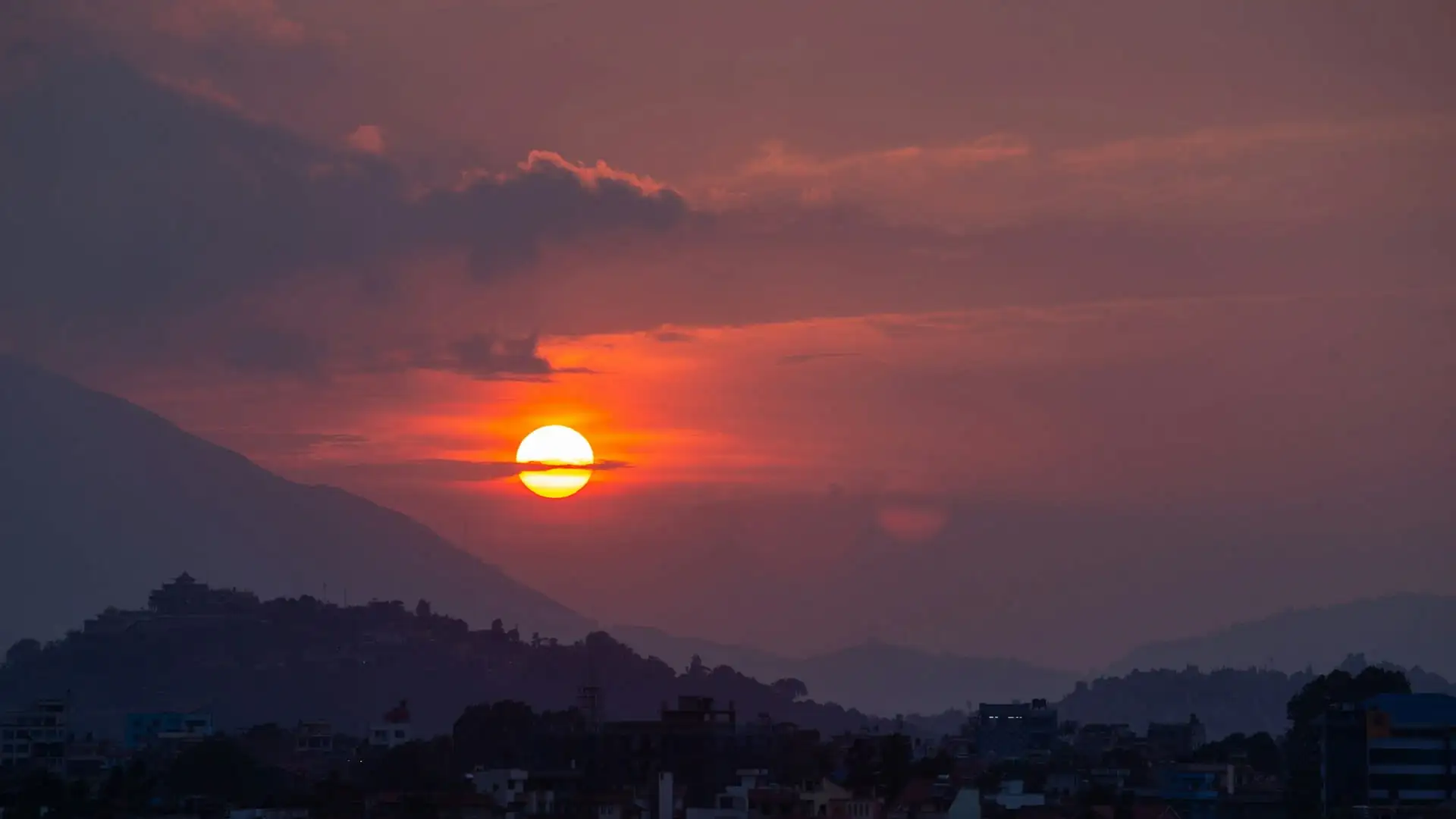
Winter (December to February): Cool, Clear, and Quiet
Winter is dry, with very little rain (about 28 mm in December), crisp mornings, and mild afternoons of 16 to 18°C. Nights drop to roughly 6 to 7°C on average, and many guesthouses and restaurants have limited heating, so warm layers matter indoors as well as outdoors.
Why go: Fewer tourists, easier bookings, lower prices, and often bright, sunny afternoons. It is a good season for temple visits and cultural sightseeing, and it suits travelers heading to lower-altitude destinations such as Chitwan.
Trade-offs: Mornings and evenings are cold, mountain views can be hazy, and air quality in the valley is often at its worst during the dry months. High-altitude treks are harder at this time of year.
Best for: Budget travelers, culture-focused visitors, and anyone who prefers quiet streets to peak-season crowds.
Spring (March to May): Warm Days and Festivals
Spring brings warming temperatures, from about 22°C in March to nearly 27°C in May, along with some of the year's most colorful events. Rainfall stays modest until May, when pre-monsoon showers begin (about 183 mm).
Why go: Comfortable sightseeing weather, Maha Shivaratri and Holi in March, Nepali New Year and Bisket Jatra in April, and Buddha Jayanti in May. Spring is also a prime trekking season, so it pairs well with a Himalayan trip.
Trade-offs: Haze can build in the valley as the season warms, which reduces distant mountain views, and May afternoons can bring thunderstorms.
Best for: Festival-goers, travelers who prefer warm days, and those combining sightseeing with a trek.
Monsoon (June to early September): Green, Wet, and Cheap
From June to September the valley turns vivid green and rain arrives in force, with about 777 mm in July and 633 mm in August. Temperatures stay warm, with highs near 26°C, and humidity is high.
Why go: Lush scenery, far fewer visitors, and the lowest prices of the year. Rain often falls in afternoon or evening downpours, leaving the mornings clear enough for sightseeing. Festivals such as Gai Jatra, Teej, and Indra Jatra arrive late in the monsoon.
Trade-offs: Persistent cloud hides the mountains, streets can flood or turn muddy, landslides can disrupt roads out of the valley, and domestic flights are more likely to be delayed.
Best for: Budget travelers with flexible schedules, photographers who love green landscapes, and anyone staying within the valley rather than traveling to the mountains.
Kathmandu Month by Month: What Each Month Is Really Like
Seasons give you the big picture, but a trip happens in a specific month. Here is what to expect in each, combining the weather averages above with the 2027 festival calendar.
January. The coldest month, with highs around 16°C and nights near 6°C. Skies are often bright but hazy, streets are quiet, and temples are pleasantly uncrowded. It suits culture-focused travelers who do not mind wearing layers indoors.
February. Still cool, but days warm to about 18°C and nights ease to roughly 7°C. Tibetan communities around Boudhanath celebrate Losar, the Tibetan New Year, in February, though exact dates vary by community, so ask locally. It is a good month for prices and availability.
March. Spring arrives, with highs near 22°C. Maha Shivaratri falls on 6 March 2027 and Holi around 21 to 22 March, so festival energy is high. Spring trekking begins to open up, and Kathmandu hotels start to fill.
April. Warm and mostly dry, with highs around 26°C. Nepali New Year on 14 April and Bisket Jatra in nearby Bhaktapur make this one of the best months for cultural travelers. Haze starts to soften distant views, so go early in the day for the clearest light.
May. Warm, with highs near 26.5°C, but pre-monsoon thunderstorms begin and rainfall rises to about 183 mm. Buddha Jayanti on 20 May draws pilgrims to Swayambhunath and Boudhanath. It is also the end of the spring trekking and climbing season.
June. The monsoon sets in, with about 500 mm of rain. Days are warm and humid, and the valley turns green. Buddhist communities mark Saga Dawa, expected around 18 June 2027, with extra prayers and offerings at stupas, which makes it an atmospheric time to visit holy sites, even if the weather is wet.
July. Typically the wettest month, with about 777 mm. Expect heavy afternoon or evening rain, low cloud, and few foreign visitors. Mornings are often clear enough for sightseeing, and prices are at their lowest.
August. Still very wet, with about 633 mm. Gai Jatra, the cow festival, usually falls in August or September, and the monsoon-fed valley is at its greenest. Check road and flight conditions before leaving the valley.
September. The rains begin to fade, though September still sees about 364 mm. Teej falls around 3 to 4 September 2027 and Indra Jatra on 14 September, so the month combines rich festivals with improving weather. Constitution Day on 20 September is a public holiday.
October. Skies clear and temperatures settle into the low 20s. Dashain begins around 1 October, so enjoy the festival atmosphere but book transport early. By late October Tihar is underway, and the city glows at night.
November. One of the best months, with about 37 mm of rain, highs around 20°C, and crisp, clear air. Mountain views are at their sharpest, and trekkers arrive in large numbers.
December. Dry and calm, with highs near 17°C and nights around 7.5°C. Early December is still clear and comfortable, and the city quiets down as the cold deepens.
Shoulder Seasons: Good Value Without the Crowds
If you want pleasant weather but lower prices and fewer people, the shoulder seasons deserve a look. The best time to go to Kathmandu Nepal for value is often just outside the peak windows.
Shoulder window | What you gain | What you give up |
|---|---|---|
Mid-February to early March | Warming days, fewer crowds, easier bookings | Some haze; cool evenings |
Late May to early June | Lower prices, quiet sites | Rising heat and pre-monsoon storms |
Early September | Festival season (Teej, Indra Jatra), fewer visitors | Lingering rain and cloud |
Early December | Clear, comfortable days; lower prices | Cooler nights; dry-season haze |
Shoulder months suit flexible travelers who can adjust plans around the weather. Keep an hour or two free each day, so a sudden shower or festival procession does not wreck the schedule.
Nepal Festival Calendar 2027: Plan Your Trip Around the Celebrations
Most Nepali festivals follow the lunar calendar, so dates shift every year. Nepal's official calendar, Bikram Sambat, is also roughly 56 to 57 years ahead of the Gregorian calendar, which is why Nepali New Year in April 2027 begins the year 2084 (see Wikipedia's page on Nepali New Year for background). The dates below reflect widely published Nepali calendars; where sources differ by a day or more, we say so.
Festival | 2027 date | Where to experience it |
|---|---|---|
Maha Shivaratri | 6 March | Pashupatinath Temple, Kathmandu |
Holi (Fagu Purnima) | About 21 to 22 March (hills) | Kathmandu and across Nepal |
Nepali New Year and Bisket Jatra | 14 April (festival runs about 10 to 18 April) | Bhaktapur and Thimi |
Buddha Jayanti | 20 May | Swayambhunath, Boudhanath, Lumbini |
Teej | Around 3 to 4 September | Across Kathmandu |
Indra Jatra | 14 September | Kathmandu Durbar Square area |
Dashain | Begins around 1 October; main day about 10 October | Nationwide |
Tihar | Late October (Laxmi Puja around the end of the month) | Nationwide |
Maha Shivaratri (6 March 2027)
The "great night of Shiva" is one of the most spiritually intense nights of the year. Devotees fast and pray, and crowds gather at Pashupatinath Temple on the Bagmati River, including sadhus who travel from across Nepal and India. If you attend, go with a guide, arrive early in the evening, and expect dense crowds and limited space.
Holi (about 21 to 22 March 2027)
The festival of colors, known in Nepal as Fagu Purnima, is celebrated with colored powder and water. In the hills, including Kathmandu, it falls a day earlier than in the Terai lowlands. Visitors are welcome to join in, but wear clothes you do not mind ruining, protect cameras and phones, and be mindful of consent when others throw color.
Nepali New Year and Bisket Jatra (14 April 2027)
Nepali New Year marks the first day of the Bikram Sambat calendar, Baisakh 1. In Bhaktapur, about 13 kilometers east of central Kathmandu, it is celebrated with Bisket Jatra, a nine-day festival of chariot processions and tug-of-war contests around the town's medieval squares. The setting alone makes this one of the most memorable cultural experiences in the valley, because Bhaktapur's historic core is largely car-free.
Buddha Jayanti (20 May 2027)
Buddha's birth anniversary draws devotees to Swayambhunath and Boudhanath to pray, chant, and light butter lamps, while pilgrims also travel to Lumbini, the Buddha's birthplace. Go early in the day, and expect a calm, devotional mood rather than a noisy festival.
Teej (around 3 to 4 September 2027)
Teej is a women's festival of fasting, song, and dance. Women dress in red saris and gather at temples, especially Pashupatinath, to pray. It is a vivid, colorful sight, and visitors are welcome as respectful observers.
Indra Jatra (14 September 2027)
Celebrated by both Hindus and Buddhists in Kathmandu, Indra Jatra honors Indra, the god of rain. Its highlight is the procession of chariots, including the living goddess Kumari, around the old city near Durbar Square. Streets get crowded, so arrive early and keep valuables secure.
Dashain (begins around 1 October 2027)
Dashain is Nepal's longest and most important festival, celebrated across the country with family gatherings, blessings from elders, animal sacrifices at some temples, and kite flying. Calendars list Ghatasthapana, the opening day, around 1 October 2027, with the main day, Vijaya Dashami, about nine to ten days later, though a few sources print slightly different dates. Many Kathmandu businesses close or run reduced hours around the main days, and buses and flights are heavily booked as residents travel home. For visitors, it is a wonderful time to witness local family life, but plan transport and hotels well in advance.
Tihar (late October 2027)
Tihar, the festival of lights, is the second-biggest festival after Dashain. Houses and streets are lit with oil lamps and lights, and each of the five days honors a different beloved animal or relationship, from crows and dogs to cows and brothers and sisters, ending with Bhai Tika. Evenings in Kathmandu glow with candles and colored rangoli designs at doorways.
How festivals affect your trip
Effect | What to expect |
|---|---|
Accommodation | Fills early around Dashain, Tihar, Shivaratri, and Bisket Jatra |
Transport | Domestic buses and flights run full during Dashain and Tihar |
Opening hours | Many local shops, offices, and some restaurants close for key days |
Crowds | Heavy at major temples and squares on festival days |
Experience | Often the highlight of a visit when planned well |
Best Time to Visit Kathmandu by Traveler Type
The best time to go to Kathmandu Nepal looks different for every traveler. Use this table as a starting point.
Traveler | Best window | Notes |
|---|---|---|
First-time visitor | October to November | Best weather and clear mountain views |
Culture and festival lover | March to April, or September to October | Choose your festival and book early |
Photographer | October to November, or March to April | Clear light, vivid festivals |
Budget traveler | June to August, or December to January | Lowest prices; accept rain or cold |
Honeymooners | October to November, or March to April | Comfortable weather and scenic setting |
Trekker passing through | October to November, or March to May | Aligns with the main trekking seasons |
Families with children | October to November, or March to April | Mild temperatures for long days of sightseeing |
Older travelers | October to November, or March to April | Comfortable weather and fewer weather disruptions |
Spiritual or yoga travelers | Any dry-season month | Quieter temples in winter |
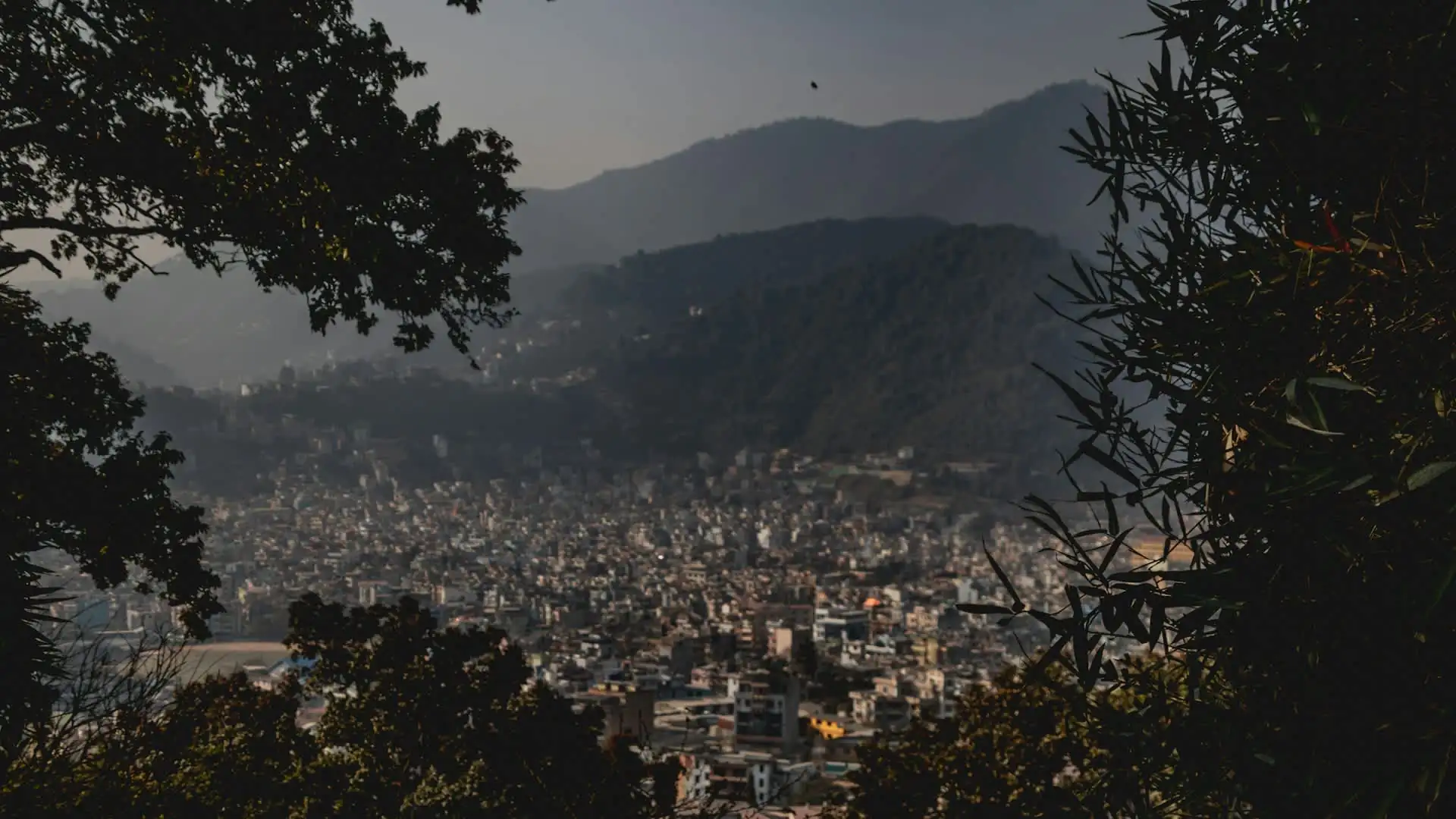
Mountain Views From Kathmandu: Do They Depend on the Season?
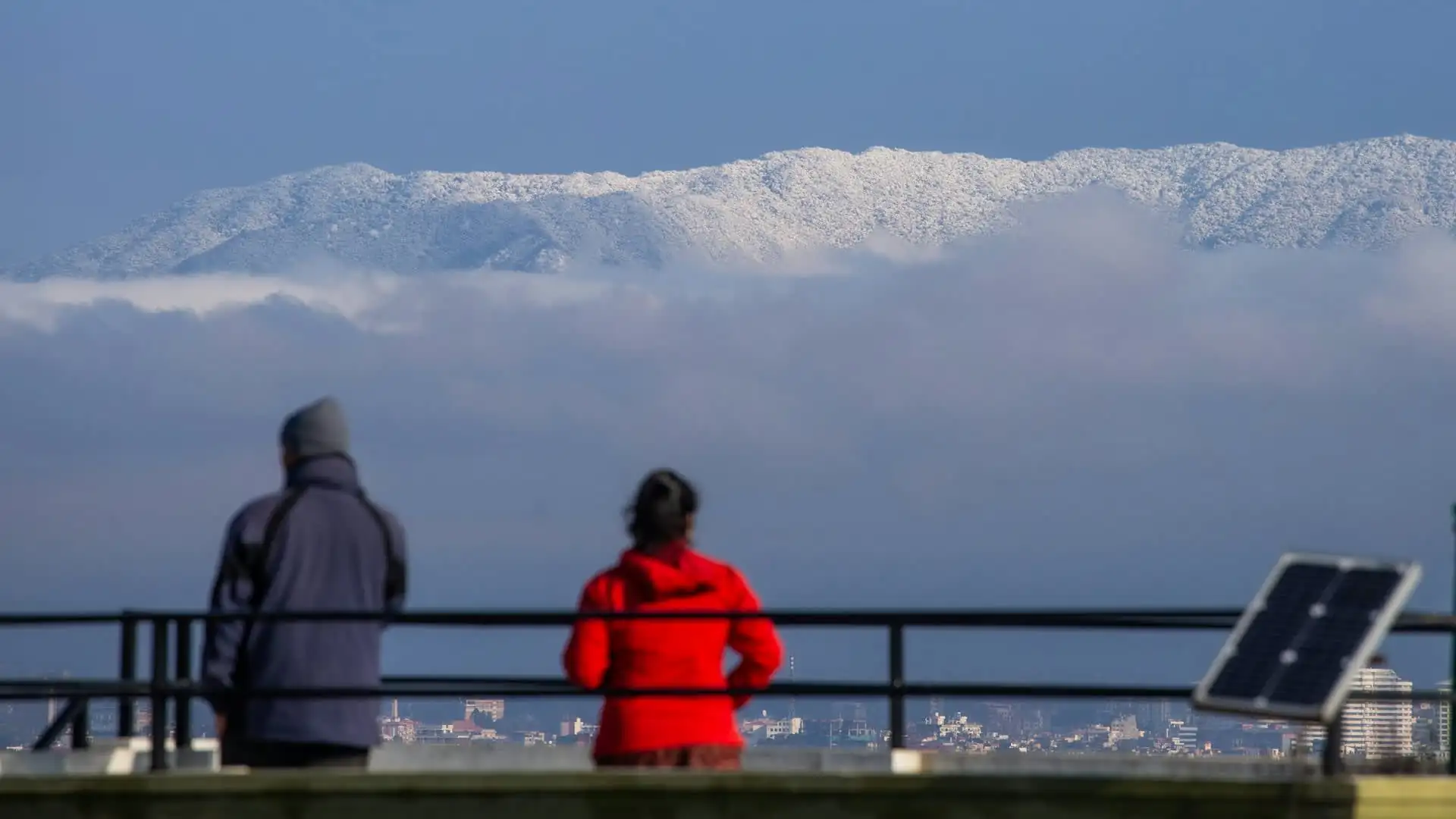
Very much so. The sharpest, most reliable views come in October and November, followed by winter mornings on clear days. In spring, haze often builds, and during the monsoon, cloud hides the peaks for most of the day.
If you are hoping to see Mount Everest itself from the city, temper your expectations. As our guide on whether you can see Mt Everest from Kathmandu explains, Everest sits roughly 160 to 165 kilometers northeast of the city and is normally hidden behind closer ranges and the valley's haze. It has been photographically verified from certain points on rare, exceptionally clear days, but that is not something to plan a trip around. For reliable views, travelers use hilltop viewpoints such as Nagarkot (about 2,175 meters) and Chandragiri Hills (about 2,551 meters, with a cable car), or take a short mountain flight, which typically lasts about an hour and flies above the haze.
Air Quality: A Practical Consideration
Kathmandu's air quality varies with the seasons. It tends to be better during and just after the monsoon rains, and often worse in the dry months from roughly December through April, when haze and dust build in the valley and regional burning can add to the problem. Travelers with asthma or other respiratory sensitivities may prefer autumn or the rainy season, and anyone visiting in the dry months may want a good-quality mask and to check daily air-quality readings. This is one more reason October and November stand out for many visitors.
How to Enjoy Kathmandu in the Monsoon
Visiting between June and early September takes a little planning, but it can be rewarding.
Start early. Rain often arrives later in the day, so do your sightseeing in the morning and keep afternoons flexible for museums, cafes, cooking classes, or a thangka painting workshop near Boudhanath.
Pack well. A waterproof jacket, quick-dry clothing, and waterproof shoes or sandals matter more than an umbrella on narrow, crowded streets.
Build buffer days. Landslides can block roads out of the valley, and domestic flights are more prone to delays, so avoid tight connections.
Choose your onward destination carefully. Most Himalayan trekking regions are wet and cloudy at this time, while the Himalayan rain-shadow region of Upper Mustang stays far drier.
Take insect repellent. Mosquitoes are more common in the rainy months.
Visitors who stay within the valley, travel with a flexible attitude, and enjoy green scenery often come away delighted, especially when they find the temples almost to themselves.
Crowds, Prices, and Booking Timing
Season | Crowds | Prices | Booking advice |
|---|---|---|---|
October to November | Highest | Highest | Book flights and hotels four to six months ahead |
March to April | High | High | Book three to four months ahead, especially for festivals |
May | Moderate | Moderate | Book one to two months ahead |
June to August | Low | Lowest | Flexible, last-minute deals are common |
December to February | Low to moderate | Low | Book one to two months ahead |
Around Dashain and Tihar, hotels in tourist areas stay open, but local businesses may close and transport tightens, so book early and confirm transfers in writing.
Combining Kathmandu With Trekking and Other Destinations
Kathmandu is usually the start or end of a bigger journey, so the best time to visit depends partly on where you go next.
Trekking. Autumn and spring are the best seasons for most routes, which makes October to November and March to May the natural windows for combining Kathmandu with a trek. Our trekking guide in Nepal explains routes, permits, and costs for the 2027 season, and spending a day or two in Kathmandu first gives you a gentle start at about 1,400 meters before you climb higher.
Short treks from the valley. If you only have a few days, the Chisapani–Nagarkot trek is a gentle way to enjoy mountain views and village life close to the city, and our guide to hiking in the Kathmandu Valley lists easy day hikes around the rim of the bowl.
Pokhara and Chitwan. Most visitors add a lakeside stay in Pokhara and a jungle safari in Chitwan. Pokhara is about 200 kilometers west of Kathmandu, reachable by a 6 to 7 hour tourist bus or a flight of about 25 minutes. Chitwan sits in the lowlands at roughly 150 meters and is hot and humid in summer, so winter and spring are the most comfortable times there. If you want a ready-made route, our Kathmandu, Pokhara and Chitwan tour covers all three.
Kathmandu and Pokhara: A Quick Climate Comparison
If you are deciding how to split your time, remember that Pokhara sits lower, at about 822 meters, so it is warmer and wetter than Kathmandu. In a typical year Pokhara receives roughly 1,114 mm of rain in July compared with about 777 mm in Kathmandu, and even in January it sees around 131 mm against Kathmandu's 56 mm. The seasonal pattern is the same, with a wet monsoon and a dry, clear autumn, but Pokhara's lakeside setting and views of the Annapurna range make clear weather there especially rewarding. In short, October to November and March to April are the best months for both cities, and a trip that includes Kathmandu, Pokhara, and a short trek rewards good timing more than any other route in Nepal. For help choosing the right window for your own plans, our team can map the dates against festivals, weather, and your preferred pace.
Sightseeing in Kathmandu: How the Season Shapes Each Site
Seasonal conditions change how each major site feels, so here is a quick guide to the valley's UNESCO monument zones. Our Kathmandu day tour guide lists a practical order for visiting them.
Site | What it is | Best season and time of day |
|---|---|---|
Kathmandu Durbar Square | Former royal palace complex; home of the Kumari Ghar | Morning in any dry season; Indra Jatra for processions |
Swayambhunath | Hilltop Buddhist stupa overlooking the city | Clear autumn mornings for views |
Boudhanath | Largest stupa in Nepal and a Tibetan Buddhist center | Early morning or dusk for circumambulation; Buddha Jayanti |
Pashupatinath | Nepal's most important Hindu temple complex on the Bagmati | Maha Shivaratri; quiet winter mornings |
Patan Durbar Square | Newar art and metalwork | Late afternoon light in spring or autumn |
Bhaktapur Durbar Square | Medieval town with a largely vehicle-free core | Bisket Jatra in April; clear autumn days |
Changu Narayan | Hilltop Hindu temple with an inscription dating to the 5th century | Weekdays, outside festival peaks |
Entry fees apply at most of these sites and are paid separately, so check the current rates before you go. Non-Hindus cannot enter the inner sanctum of Pashupatinath, though the riverside complex is open to visitors. For a wider look at what to see across the country, see our guide to Nepal's top sightseeing places.
Sample Itineraries by Season
The right plan changes with the weather and the calendar. These outlines show how to use the best time to go to Kathmandu Nepal in different seasons.
A classic four-day autumn itinerary
Day | Plan |
|---|---|
Day 1 | Kathmandu Durbar Square and the Kumari Ghar in the morning; sunset at Swayambhunath |
Day 2 | Boudhanath at dawn for the kora, then Pashupatinath in the late morning |
Day 3 | Patan Durbar Square, then Bhaktapur for a late afternoon walk |
Day 4 | Sunrise at Nagarkot or a morning mountain flight, then a rest afternoon |
Autumn's clear mornings are ideal for the viewpoints on Days 1 and 4, and the dry weather means you can walk between sights.
A five-day spring festival itinerary
Day | Plan |
|---|---|
Day 1 | Arrive and explore Thamel and Kathmandu Durbar Square |
Day 2 | Boudhanath and a thangka or cooking workshop |
Day 3 | Pashupatinath and, around Shivaratri or Buddha Jayanti, the festival events at the temples |
Day 4 | Bhaktapur, ideally during Bisket Jatra in mid-April |
Day 5 | Patan and a relaxed evening before departure |
Spring itineraries work best with early starts to avoid afternoon heat and haze.
A flexible three-day monsoon itinerary
Day | Plan |
|---|---|
Day 1 | Morning at Swayambhunath and Kathmandu Durbar Square; afternoon indoors |
Day 2 | Early Boudhanath and Pashupatinath; indoor cultural activities after lunch |
Day 3 | Short day trip to Patan or Bhaktapur, with a spare half-day for weather |
For a ready-made schedule, a single-day tour can fit the main sights together, and a local guide can adjust timings to the weather.
What to Pack by Season
Season | Pack |
|---|---|
Autumn | Light layers, a fleece for evenings, sun protection, comfortable walking shoes |
Winter | Warm jacket, thermal layers, scarf and hat, closed shoes; cozy indoor layers |
Spring | Light clothing, a rain jacket for pre-monsoon showers, sun hat, dust mask |
Monsoon | Waterproof jacket, quick-dry clothing, sandals and waterproof shoes, insect repellent |
All seasons | Modest clothing for temples, a scarf, small Nepali rupee notes, reusable water bottle |
Practical Tips: Visa, Money, and Etiquette
Visa. Most visitors can get a tourist visa on arrival at Tribhuvan International Airport or apply online in advance. Fees are USD 30 for 15 days, USD 50 for 30 days, and USD 125 for 90 days. Indian citizens do not need a visa.
Money. Carry Nepali rupees in small notes for taxis, snacks, and temple donations. ATMs are widely available in Kathmandu, but not everywhere beyond it.
Etiquette. Dress modestly at temples, remove shoes where requested, walk clockwise around stupas and prayer wheels, ask before photographing people or ceremonies, and be patient with festival crowds.
Weather Planning Tips: Mornings, Evenings, and Daily Rhythm
Averages hide the rhythm of an ordinary day in Kathmandu. In January, for example, the gap between the average high (about 16°C) and the average low (about 6°C) is roughly ten degrees, so a morning that feels bitterly cold becomes a comfortable afternoon. Use these habits to get the most from any season.
Dress in layers. Peel off a jacket by midday and put it back on after sunset.
Do your major sightseeing in the morning. Light is softer, air is clearer, and temples are calmer. This is true in every season, and especially in the monsoon, when rain often builds later in the day.
Leave the evening flexible. Dusk is a lovely time at Boudhanath, where pilgrims circle the stupa, and at Swayambhunath, where the city lights come on below.
Check the forecast and the air-quality reading each morning in the dry months, then choose between a viewpoint trip and an indoor day accordingly.
Keep a rain layer in your daypack from May through September.
Festival Etiquette for Visitors
Visiting during a festival is a privilege, and a few simple habits make you a welcome guest rather than an obstacle.
Dress modestly. Cover shoulders and knees at temples and during religious events.
Ask before photographing people, priests, or ceremonies. In some rituals, particularly around cremation sites at Pashupatinath, discretion is especially important.
Give devotees space. Do not block processions, stand on ritual offerings, or step over prayer items.
Use your right hand when giving or receiving anything, including offerings and money.
Leave footwear where requested before entering temple courtyards or private homes.
Walk clockwise around stupas, prayer wheels, and mani walls in Buddhist areas.
Protect valuables. Crowds around Durbar Square during Indra Jatra or Dashain make pickpocketing easier, so keep phones and wallets in front pockets or a zipped bag.
Join in respectfully. If locals invite you to take part, for example in Holi or a Tihar celebration, accept with a smile, but never feel obliged.
Health and Comfort Tips by Season
Kathmandu is an easy destination physically, but each season brings small considerations.
Autumn and spring. The main issues are dust and sun. Carry sunscreen, sunglasses, and a hat, since UV exposure is stronger at 1,400 meters than at sea level, and consider a light mask on dusty roads.
Winter. Cold mornings and dry air are common, along with a higher chance of coughs and colds. Bring warm layers, lip balm, and moisturizer, and ask your hotel about heating before you book.
Monsoon. Stone steps and temple platforms get slippery, so wear shoes with good grip. Mosquito-borne illnesses can occur in the rainy season, so use repellent and check current travel health advice before you go.
All seasons. Drink bottled or properly purified water, wash hands often, and eat freshly cooked food from busy, reputable places. Travel insurance is worthwhile, particularly if you plan to trek afterward.
How Long to Stay and When to Arrive
Two to four days is enough for the main UNESCO sites, and another day or two lets you add Bhaktapur, a viewpoint at Nagarkot, or a short valley hike. If you are heading to the mountains, build in at least one full buffer day on each end of your trek. That extra time protects you from weather delays, helps you recover from long flights, and gives you a gentle start at around 1,400 meters before you climb higher.
If a festival is your reason for coming, arrive a day or two beforehand so you can scout the best viewing spots and avoid rushing on the main day. When you are choosing the best time to go to Kathmandu Nepal around a festival, remember that lunar dates can shift by a day or more, so confirm the schedule with your hotel or guide as the date approaches.
Common Mistakes When Choosing When to Visit
Assuming Kathmandu is hot all year. Winter nights are chilly, and many buildings have limited heating.
Booking too late for Dashain, Tihar, or spring festivals. Hotels and flights fill early.
Expecting Everest views from the city. Plan a viewpoint trip or mountain flight instead.
Ignoring festival closures. Local shops and offices can close for days around Dashain and Tihar.
Visiting in monsoon without buffer days. Landslides and flight delays can disrupt onward travel.
Forgetting air quality. Dry-season haze affects views and comfort, particularly for sensitive travelers.
Skipping a buffer day at the end. Flights to and from mountain airstrips are weather-dependent.
Frequently Asked Questions
1. What is the best time to visit Kathmandu? October and November offer the clearest skies, comfortable temperatures, and major festivals. March and April are an excellent second choice, with warm days and spring celebrations.
2. Which month is best for weather in Kathmandu? October and November are generally the most pleasant months, with low rainfall and daytime highs around 20 to 24°C. April is also comfortable, though hazier.
3. Is October a good time to visit Kathmandu in 2027? Yes. October has stable weather and, in 2027, Dashain begins around 1 October, so you will see festivities but also tighter transport and some closures.
4. When is Dashain in 2027? Ghatasthapana, the first day, is listed around 1 October 2027, with the main day, Vijaya Dashami, about nine to ten days later. Some calendars print slightly different dates, so confirm closer to travel.
5. When is Tihar in 2027? Tihar falls in late October 2027, with Laxmi Puja around the end of the month. Confirm the exact days with a current Nepali calendar before booking.
6. Is Kathmandu worth visiting during the monsoon? It can be, if you value green scenery, fewer crowds, and lower prices. Expect rain, cloud over the mountains, and possible travel delays outside the valley.
7. How cold does Kathmandu get in winter? Daytime highs average about 16 to 18°C, and nights fall to roughly 6 to 7°C on average, so evenings feel cold, especially in buildings without heating.
8. Is spring a good time to visit Kathmandu? Yes. March to May has warm days, festivals such as Holi, Nepali New Year, and Buddha Jayanti, and good trekking conditions, though haze can reduce mountain views.
9. Can I see Mount Everest from Kathmandu? Rarely. It has been documented from the valley under exceptionally clear conditions, but reliable views need a hilltop such as Nagarkot or a mountain flight.
10. When is Holi in Kathmandu in 2027? Around 21 to 22 March 2027 in the hills, with the Terai celebrating a day later.
11. When is Maha Shivaratri in 2027 and where is it celebrated? On 6 March 2027, with the biggest gathering at Pashupatinath Temple in Kathmandu.
12. When is Indra Jatra in 2027? On 14 September 2027, with processions including the Kumari chariot in the old city near Durbar Square.
13. When is the cheapest time to visit Kathmandu? June to August and December to January are typically the lowest-priced months, though monsoon travel adds weather risk and winter adds cold.
14. How many days do I need in Kathmandu? Two to four days is enough to see the main UNESCO sites and soak in the city. Add one or two more days if you want hikes, Bhaktapur, or a mountain flight.
15. Do shops close during Dashain and Tihar? Many local shops, offices, and some restaurants close or reduce hours around the main days, while tourist-area hotels generally remain open. Plan meals and errands accordingly.
16. What is the air quality like, and when is it best? It is usually better during and just after the monsoon and worse in the dry months from about December to April. Autumn offers a good balance of clear air and pleasant weather.
17. What is the best time to combine Kathmandu with a trek? October to November and March to May, when most Himalayan routes are at their best. Our trekking guide explains which routes suit which season.
18. When is the best time to visit the UNESCO sites? Early mornings in the dry season, when light is soft and crowds are thin. Festival days offer unforgettable atmosphere but heavy crowds.
19. Do I need a visa, and how much does it cost? Most visitors do. A tourist visa costs USD 30 for 15 days, USD 50 for 30 days, or USD 125 for 90 days. Indian citizens do not need one.
20. When is the best time to go to Kathmandu with kids or older travelers? October to November and March to April, when temperatures are mild, days are long and dry, and sightseeing is comfortable.
Final Verdict: When Should You Go?
If you want the most reliable weather and the clearest views, plan for October or November, and book early. If you want warm days, spring flowers, and a packed festival calendar, March and April will deliver. If you prefer quiet streets and lower prices, choose December to early February or the green monsoon weeks.
And if culture is your priority, the best time to go to Kathmandu Nepal is whichever festival speaks to you most: the pilgrimage energy of Maha Shivaratri on 6 March, the medieval spectacle of Bisket Jatra in April, the glowing evenings of Tihar in late October, or the sweeping devotion of Dashain.
Plan Your Kathmandu Trip With Adventure Life Nepal
Choosing between a quiet winter, a festival spring, or a classic autumn is easier with local advice. Adventure Life Nepal can help you match your dates to the festivals and weather you want, arrange Kathmandu Valley tours, add Pokhara, Chitwan, or a Himalayan trek, and handle transfers so you can focus on the trip.
Message an expert on WhatsApp at +977 9841248242, or reach the team through the Adventure Life Nepal contact page. Tell us your travel dates, interests, and group size, and we will suggest the best time to visit Kathmandu for your 2027 plans.
Written by Dil Bahadur Karki