
Manaslu Circuit Trek in Monsoon 2026: Complete Guide & Tips
Introduction to Manaslu Circuit Trek in Monsoon
(Note: your meta title had "in in Monsoon" — I've used "in Monsoon" once throughout this article, assuming that was a typo. Happy to adjust if it was intentional.)
Most trekking guides will tell you flatly not to attempt the Manaslu Circuit during monsoon season, and there's real reasoning behind that advice. But "not recommended for most trekkers" and "impossible" are two very different things, and if you're reading this, you probably already know the standard advice and want the actual details anyway — what the trail really looks like in June, July, and August, where the genuine risks concentrate, and whether there's a version of this trek that works during Nepal's wettest months.
This guide gives you that honest picture: where monsoon rain hits hardest, where it barely matters, and what a realistic monsoon Manaslu trip actually involves if you decide to go ahead with it.
Quick Answer: Manaslu Circuit Trek in Monsoon
Factor | Detail |
|---|---|
Monsoon months | June to August (mid-June onward for consistent rain) |
Wettest month | July |
Most affected section | Lower Budhi Gandaki gorge, roughly Machha Khola to Deng |
Least affected section | Upper valley beyond Samagaon, due to partial rain shadow |
Typical lowland daytime temp | 20–30°C, humid |
Typical upper valley daytime temp | 8–16°C |
Main hazards | Landslides, swollen rivers, leeches, slippery stone trail, low visibility |
Crowd level | Very low — the quietest season on the route |
Is it officially "closed"? | No — permits are still issued and teahouses generally remain operational, though some sections may temporarily close after heavy rain |
Recommended for | Experienced, flexible trekkers prioritizing solitude over comfort or guaranteed mountain views |
How Nepal's Monsoon Actually Hits the Manaslu Region
Understanding monsoon on this specific route requires understanding one key geographic detail that a lot of generic "monsoon trekking" advice misses: the Manaslu Circuit doesn't experience monsoon rainfall uniformly along its length.
The lower Budhi Gandaki valley — roughly from the trailhead at Machha Khola or Soti Khola up through Jagat and Deng — sits fully exposed to the monsoon's moisture, since this is a south-facing gorge that catches the full brunt of rain pushing up from the Indian subcontinent. Nepal's Department of Hydrology and Meteorology tracks these seasonal monsoon patterns nationally, and the same south-facing-gorge effect it documents elsewhere in the mid-hills is exactly what plays out here. This is where nearly all of the trek's monsoon-season difficulty concentrates.
Once the trail climbs past Namrung and particularly beyond Samagaon, it enters terrain that sits in a partial rain shadow, similar to the effect that keeps Manang (on the Annapurna Circuit) and Upper Mustang noticeably drier than their surrounding regions. This doesn't mean the upper valley is dry and sunny throughout monsoon — cloud cover, afternoon showers, and reduced visibility are still common — but the difference in rainfall volume and landslide risk between the lower gorge and the upper valley is genuinely significant, and it's the single most useful thing to understand before deciding whether a monsoon trek here makes sense for you.
Month-by-Month: June, July, and August on the Manaslu Circuit
Month | Conditions | Recommendation |
|---|---|---|
June | Monsoon arrives mid-month; early June still carries some late-spring stability | Early June is more manageable than late June onward; not generally recommended |
July | Peak monsoon — the wettest month of the year on this route | Least recommended month; heavy, near-daily rain and highest landslide risk |
August | Rain begins tapering off toward month's end, though still substantial | Slightly more manageable than July, particularly in the final week or two |
June: Monsoon Arrives
Early June often still carries some of late spring's relative stability before the monsoon fully sets in around mid-month. Once it arrives, expect frequent afternoon and overnight downpours, muddy and slippery trail sections (particularly the stone steps common throughout the lower gorge), and the first appearance of leeches in the forested stretches below Jagat. Lowland temperatures during the day commonly reach 20–30°C with high humidity.
July: Peak Monsoon
July is consistently identified as the wettest month on the Manaslu Circuit, with some lower sections receiving several hundred millimeters of rainfall across the month. Rain is close to a daily occurrence, often building through the afternoon into sustained overnight downpours. This is the month with the highest landslide risk in the Budhi Gandaki gorge, the most significant leech presence in lower forest sections, and the least reliable mountain visibility of the year. Several trekking operators explicitly advise against Manaslu departures during this specific window.
August: Rain Begins to Ease
By August, rainfall typically starts decreasing compared to July's peak, though the month still sees substantial precipitation, particularly in its first half. Trails remain muddy but show gradual improvement as the month progresses, and late August in particular is often cited as the most workable window within the full monsoon period for trekkers determined to go during these months — offering a middle ground between July's peak difficulty and September's approaching autumn stability.
Temperature and Rainfall by Altitude
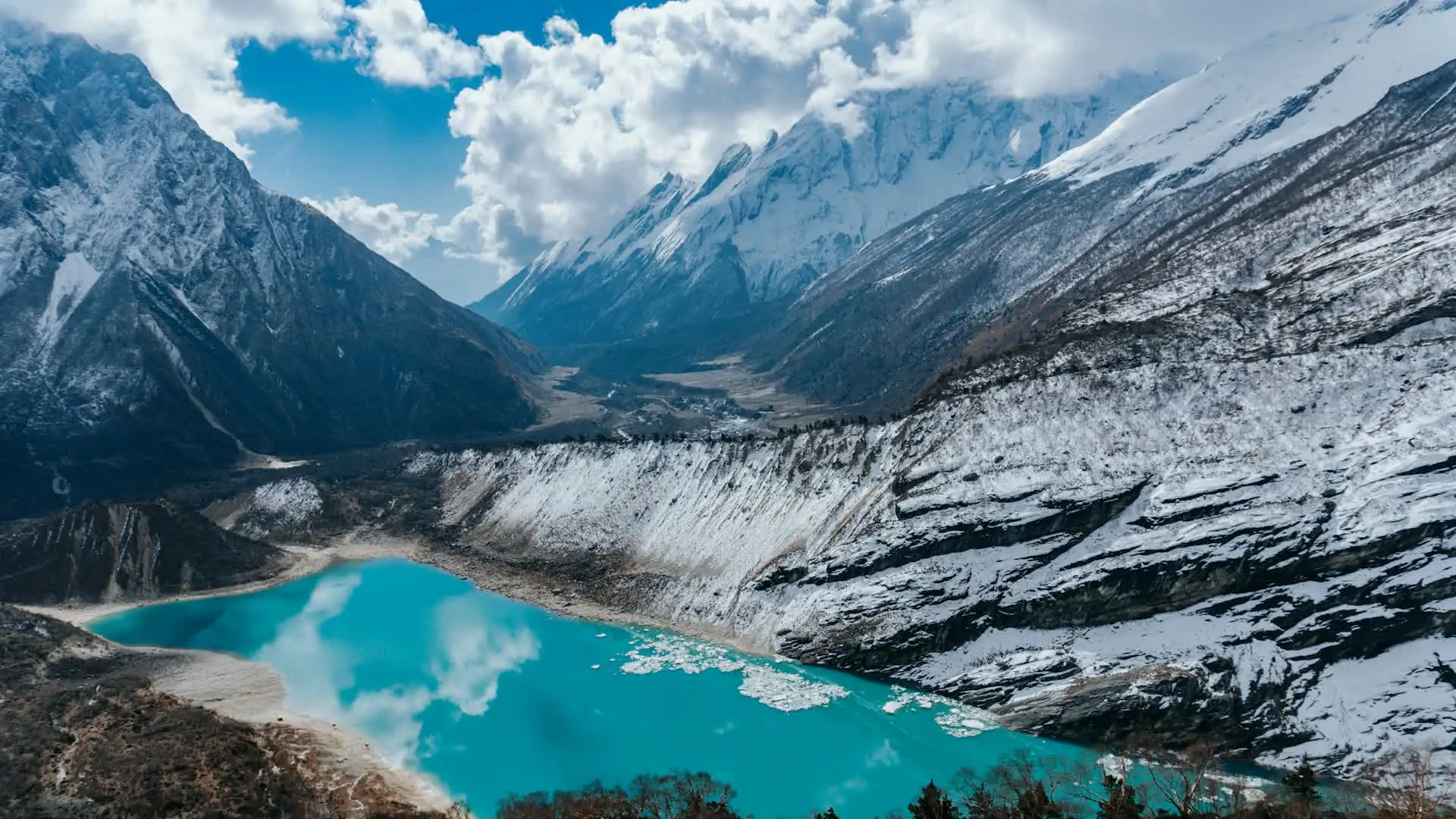
Location | Altitude | Typical Daytime Temp (Monsoon) | Rainfall Pattern |
|---|---|---|---|
Soti Khola/Machha Khola | 700–900 m | 20–30°C, humid | Heaviest rainfall on the route; frequent afternoon/overnight downpours |
Jagat/Deng | 1,340–1,860 m | 18–25°C | Very heavy; this stretch carries the most landslide risk |
Namrung/Lho | 2,600–3,180 m | 12–18°C | Moderating, though still substantial rainfall and frequent cloud cover |
Samagaon | 3,520 m | 8–14°C | Noticeably drier due to partial rain shadow, though afternoon cloud is still common |
Dharamsala/Larkya La approach | 4,460–5,106 m | Cold, often below 10°C even by day | Precipitation here can fall as hail or snow rather than rain, even in summer months |
Where the Real Risks Concentrate: The Budhi Gandaki Gorge
If there's one section of the Manaslu Circuit where monsoon caution genuinely matters most, it's the lower gorge between Machha Khola and roughly Deng or Namrung.
What makes this stretch specifically risky during monsoon:
Landslides. The trail here is cut into steep gorge walls, and saturated, loosened soil after sustained rain significantly raises landslide risk along multiple sections.
Swollen rivers and unstable bridges. Water levels in the Budhi Gandaki and its tributaries rise substantially during peak monsoon, making some crossings genuinely hazardous and occasionally impassable until conditions settle.
Slippery stone steps. Much of the lower trail relies on stone staircases that become considerably more treacherous when wet, increasing fall risk even on otherwise familiar terrain.
Leeches. Common throughout the forested lower sections, particularly after rain — unpleasant and occasionally hard to avoid, though not medically dangerous.
Trail closures. Sections can be temporarily blocked by landslide debris, occasionally for days, requiring rerouting or a waiting period before continuing.
Once past this gorge and into the drier upper valley, conditions improve meaningfully, though cold, fog, and occasional snow or hail near Larkya La replace rain-related risk with altitude and visibility-related concerns instead.
Crossing Larkya La Pass During Monsoon
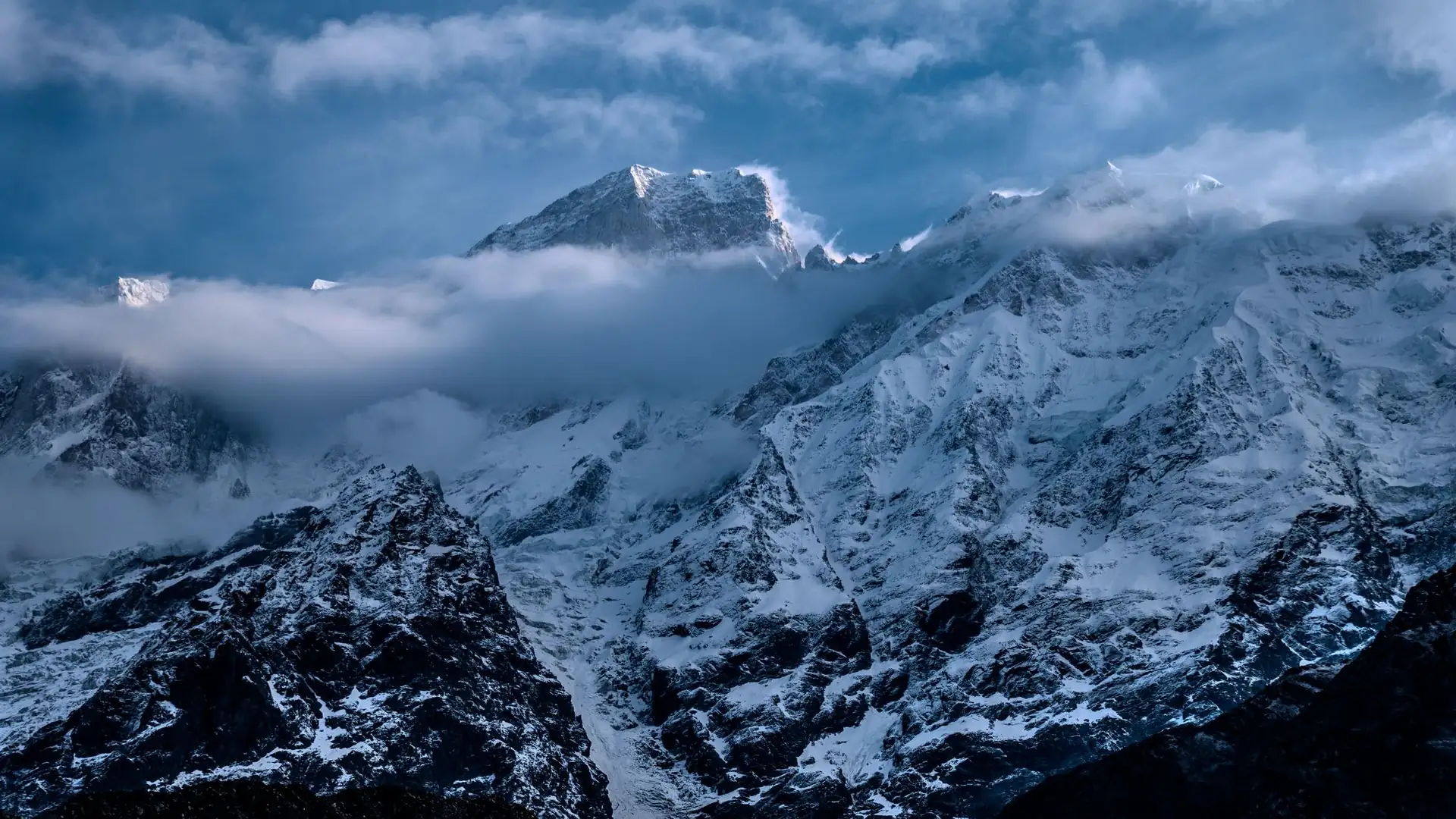
The 5,106-meter Larkya La Pass presents a different kind of challenge in monsoon season than it does in autumn or spring. Rather than facing rain directly, trekkers at this altitude are more likely to encounter hail, sudden snow, or dense fog, even during the warmer summer months — a reflection of how quickly weather shifts at this elevation regardless of season. Visibility can drop sharply with little warning, and the pass's already-technical terrain becomes more hazardous when wet or lightly snow-covered.
Crossing Larkya La during monsoon is possible and is done by experienced trekkers each year, but it demands a genuinely flexible itinerary, an early-morning crossing attempt (as is standard practice regardless of season), and a willingness to wait out poor conditions at Dharamsala rather than pushing through deteriorating weather.
Is the Manaslu Circuit Officially Open During Monsoon?
Yes — this is a common point of confusion worth clarifying directly. Trekking permits for the Manaslu region continue to be issued year-round, including through June, July, and August, through the National Trust for Nature Conservation, which manages the Manaslu Conservation Area, and local teahouses and lodges generally remain operational throughout the season, since this is a route with permanent settlements rather than seasonal-only infrastructure. What genuinely changes is trail reliability: sections can close temporarily after heavy rain or landslide activity, and your guide needs to be prepared to adjust the day's plan, or occasionally the whole itinerary's pacing, in response to real-time conditions.
For the current permit structure — which applies at the lower, off-season rate during monsoon months rather than autumn's peak pricing — see our full Manaslu Circuit Trek permit guide. The Restricted Area Permit specifically runs at its December–August rate (USD 75 for the first week, plus USD 10 per additional day) throughout monsoon season, a genuine cost saving compared to autumn's higher pricing.
Crowds and Trail Solitude in Monsoon Season
If there's a clear upside to trekking Manaslu in monsoon, it's this: you'll see remarkably few other trekkers. This is consistently the quietest season on the route, a sharp contrast to October's peak crowding at popular stops like Samagaon. For trekkers who value solitude over guaranteed clear skies and dry trails, this trade-off is genuinely worth weighing — you're seeing a version of the route with a fraction of the trail traffic and a far more intimate experience of the local villages along the way.
The landscape itself also looks different in monsoon — the lower valley, in particular, is at its greenest and most lush, a genuinely different visual character from the drier, dustier trail conditions of peak autumn.
Should You Trek Manaslu in Monsoon? An Honest Assessment
Reasons this could work for you:
You've trekked in Nepal or similarly demanding terrain before and are comfortable adapting to changing conditions.
Solitude matters more to you than guaranteed mountain visibility.
Your schedule genuinely doesn't allow for autumn or spring, and you'd rather do a more challenging version of this trek than skip it entirely.
You're comfortable with a flexible itinerary that may require waiting out weather or adjusting daily plans.
Reasons to reconsider and wait for a better season:
This would be your first high-altitude, multi-day trek in Nepal — Manaslu in monsoon is a genuinely harder introduction than the same route in stable weather.
Guaranteed clear views of Manaslu, Himalchuli, and the Larkya La panorama matter significantly to your trip.
You have limited flexibility in your schedule and can't accommodate a possible weather-related delay.
You're not comfortable with landslide risk, leech encounters, or extended stretches of consistent rain.
For a full comparison of how monsoon stacks up against the region's better-known trekking windows, our best time for Manaslu Circuit Trek guide covers autumn and spring conditions in depth, and it's worth reading alongside this guide before making a final call.
Packing for a Monsoon Manaslu Trek
Monsoon packing differs meaningfully from a standard autumn or spring kit, with waterproofing and moisture management as the clear priorities.
Category | Monsoon-Specific Recommendation |
|---|---|
Rain protection | A genuinely high-quality waterproof jacket and rain cover for your pack — not just water-resistant, but properly waterproof |
Footwear | Waterproof trekking boots with strong grip; consider gaiters to keep mud and moisture out |
Leech protection | Leech socks or gaiters, plus salt or a leech repellent for the lower forested sections |
Clothing | Quick-drying synthetic layers rather than cotton, since laundry and drying opportunities are limited in consistently damp conditions |
Dry storage | Dry bags or heavy-duty liners for your pack's interior, protecting electronics and spare clothing from persistent dampness |
Cold-weather gear | Still essential for Dharamsala and Larkya La — a sub-zero rated sleeping bag and proper insulating layers remain necessary despite the season, since altitude cold doesn't disappear in summer |
Footwear backup | A second pair of dry socks and shoes for evenings at teahouses, letting wet gear dry overnight where possible |
Safety Precautions Specific to Monsoon Trekking
Landslide awareness. Your guide's local knowledge matters more here than in any other season — experienced Manaslu guides know which sections of the gorge carry elevated risk after sustained rain and will adjust timing or pacing accordingly, including waiting out particularly heavy rainfall before crossing known-vulnerable stretches.
River crossings. Water levels can rise substantially and rapidly during peak monsoon. Never attempt a crossing that looks unsafe, even if it was straightforward on a previous day — conditions change quickly and unpredictably during this season.
Leech management. While unpleasant, leech bites are not medically dangerous. Salt, leech-repellent spray, and gaiters or leech socks are the standard, effective countermeasures.
Altitude risk doesn't disappear. It's worth emphasizing that monsoon's warmer lowland temperatures can create a false sense that altitude-related risk is somehow reduced during this season — it isn't. Dharamsala and the Larkya La crossing still demand the same acclimatization caution and symptom awareness as any other time of year.
Flexible scheduling. Build genuine buffer days into a monsoon itinerary, more so than you would for an autumn or spring trip, given the realistic possibility of a landslide-related delay or a weather-forced pause before the pass crossing.
Alternatives If Monsoon Timing Doesn't Work for Manaslu
If, after reading through the specifics above, monsoon conditions on the Budhi Gandaki gorge sound like more risk than you're looking to take on, it's worth knowing that Nepal has genuine rain-shadow destinations that handle these months considerably better. Upper Mustang, sitting almost entirely within the Annapurna range's rain shadow, remains dry and clear through summer months when routes like Manaslu are at their most challenging, and is a trip worth considering if your travel dates are fixed within June–August but your priority is reliable weather over monsoon-specific solitude.
If your dates have any flexibility at all, shifting to autumn remains the more straightforward recommendation for most trekkers — our full Manaslu Circuit Trek itinerary guide and distance and route breakdown are worth reviewing regardless of which season you ultimately choose, since the route and permit structure stay the same across seasons — only the weather and crowd levels change.
Cost Differences: Monsoon vs. Peak Season
One genuine practical upside of monsoon trekking is cost. Since the Restricted Area Permit runs at its lower rate during this period, and teahouse demand is minimal, overall trip costs can run somewhat lower than an equivalent autumn trek. Our Manaslu Circuit trekking cost guide breaks down the full seasonal cost picture, including how permit pricing shifts between peak and off-season windows.
Planning a Monsoon Manaslu Trek with Adventure Life Nepal
We'll always give you the honest picture on this one: autumn and spring remain the seasons we most readily recommend for the Manaslu Circuit, given the landslide risk concentrated in the lower gorge and the meaningfully reduced chance of clear mountain views during peak monsoon months. That said, if your schedule genuinely only allows for a June, July, or August window, we can build a monsoon itinerary with the right buffer days, an experienced guide who knows the gorge's current conditions, and a realistic plan for adjusting pace if a section closes temporarily after heavy rain.
If you're on the fence, it's worth a direct conversation with us about your specific dates and experience level before committing either way — and if your priority is genuinely guaranteed clear weather within a fixed summer travel window, we're just as happy to point you toward Upper Mustang or another rain-shadow-friendly alternative instead.
FAQs about Trekking Manaslu in Monsoon
1. Can you trek the Manaslu Circuit during monsoon season? Yes, it's possible and permits are issued year-round, but it's the most physically and logistically demanding season on this route, and most operators recommend it only for experienced, flexible trekkers.
2. When does monsoon start and end on the Manaslu Circuit? Monsoon generally arrives by mid-June and continues through August, with rainfall gradually easing toward the end of August as autumn approaches.
3. Which part of the Manaslu Circuit is most affected by monsoon rain? The lower Budhi Gandaki gorge, roughly from Machha Khola through Jagat and Deng, carries the highest rainfall, landslide risk, and leech presence on the route.
4. Is the upper Manaslu valley drier than the lower sections during monsoon? Yes. Beyond Samagaon, the trail enters a partial rain shadow, similar to the effect seen in Manang on the Annapurna Circuit, resulting in noticeably less rainfall than the lower gorge, though cloud cover and occasional showers still occur.
5. What is the wettest month on the Manaslu Circuit? July is consistently identified as the wettest month, with the highest rainfall totals and greatest landslide risk of the entire year.
6. Are leeches a real concern on the Manaslu Circuit during monsoon? Yes, particularly in the forested lower sections below Jagat. They're unpleasant but not medically dangerous, and leech socks, gaiters, or salt are effective countermeasures.
7. Can you still cross Larkya La Pass during monsoon? Yes, though conditions are less predictable, with hail, sudden snow, or dense fog possible even in summer months at this altitude. A flexible schedule and early-morning crossing attempt remain essential.
8. Are Manaslu Circuit permits cheaper during monsoon season? Yes. The Restricted Area Permit runs at its lower off-season rate (USD 75 for the first week, plus USD 10 per additional day) from December through August, including the full monsoon period, compared to autumn's higher USD 100 base rate.
9. Is it safe to trek Manaslu alone during monsoon? Solo trekking isn't permitted in this restricted region regardless of season — a licensed guide is mandatory year-round, and this matters even more during monsoon given the added landslide and river-crossing risks.
10. Will I see Manaslu and other mountain views during a monsoon trek? Views are considerably less reliable than in autumn or spring, with cloud cover frequently obscuring peaks, though clear windows do occur, particularly in the drier upper valley beyond Samagaon.
11. Are teahouses open on the Manaslu Circuit during monsoon? Generally yes — most teahouses remain operational year-round, since this is a permanently settled route rather than a seasonal-lodge trail, though options may be more limited at the quietest stops during the lowest-traffic months.
12. What's the biggest safety risk on the Manaslu Circuit during monsoon? Landslides and swollen river crossings in the lower Budhi Gandaki gorge represent the most significant risk, considerably more than at any other time of year.
13. Is monsoon a good time to trek Manaslu if I want to avoid crowds? Yes, this is genuinely the quietest season on the route, offering a level of trail solitude that's difficult to find during peak autumn months.
14. What's a good alternative if I want to trek in Nepal during monsoon but avoid Manaslu's risks? Rain-shadow destinations like Upper Mustang remain considerably drier and more stable during monsoon months and are worth considering if your travel dates are fixed within June–August.