Ghorepani Poon Hill Trek – 7 Days from Kathmandu
Trip Duration: 7 Days
Trip Grade: Moderate
Group Size: Min 1 person - Max 12 person
Meals: Breakfast in cities; all meals during the trek
Best Season: Spring (March–May) and Autumn (October–November)
Start Point: Kathmandu
Accomodation: Hotels in Kathmandu and Pokhara; teahouses on the trail
Ending Point: Kathmandu
Max Altitude: 3,210 m
Transportation: Tourist bus Kathmandu–Pokhara; private jeep to and from the trailheads
Permits Required: ACAP, TIMS and licensed guide arranged and included
Overview
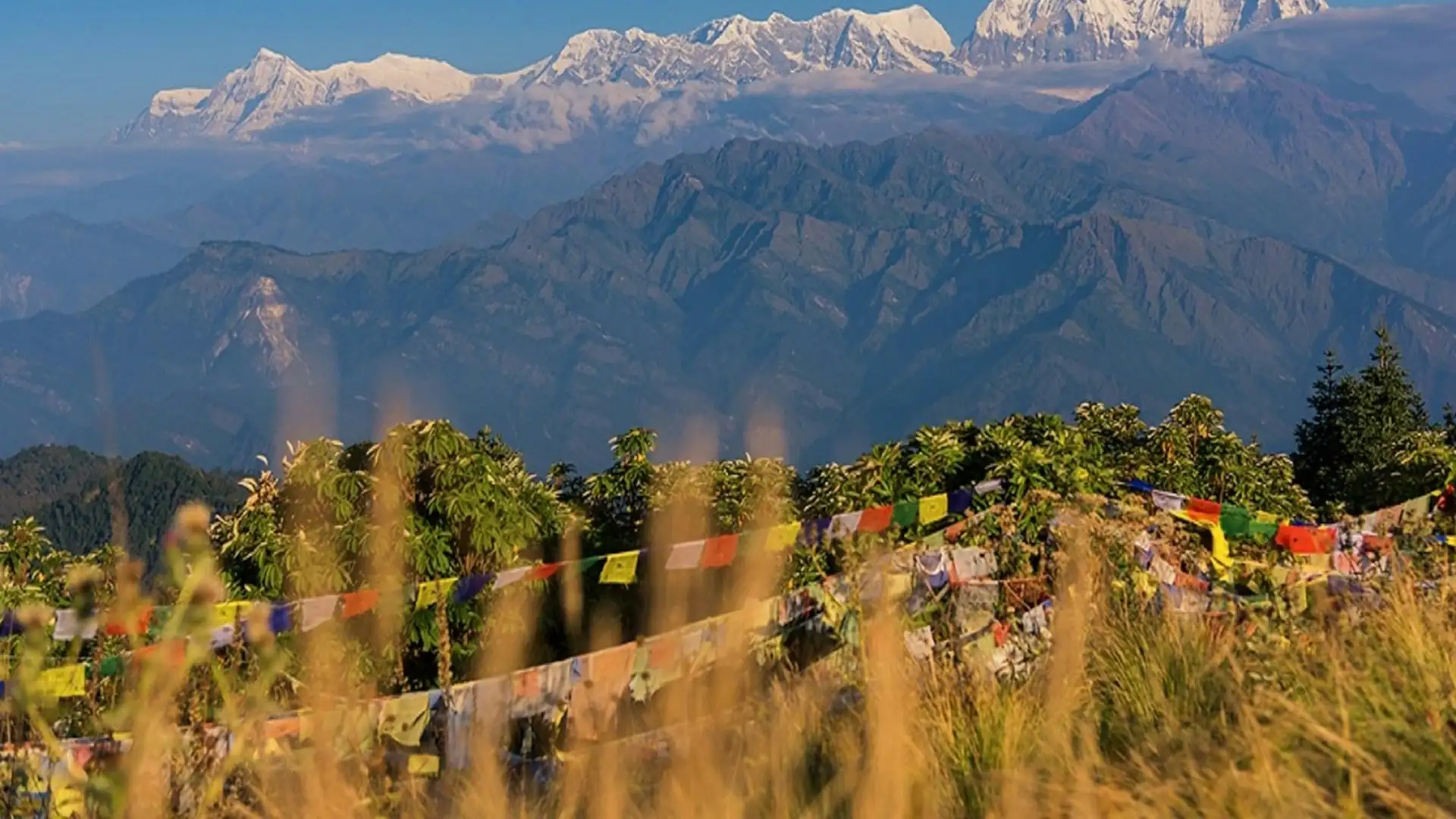
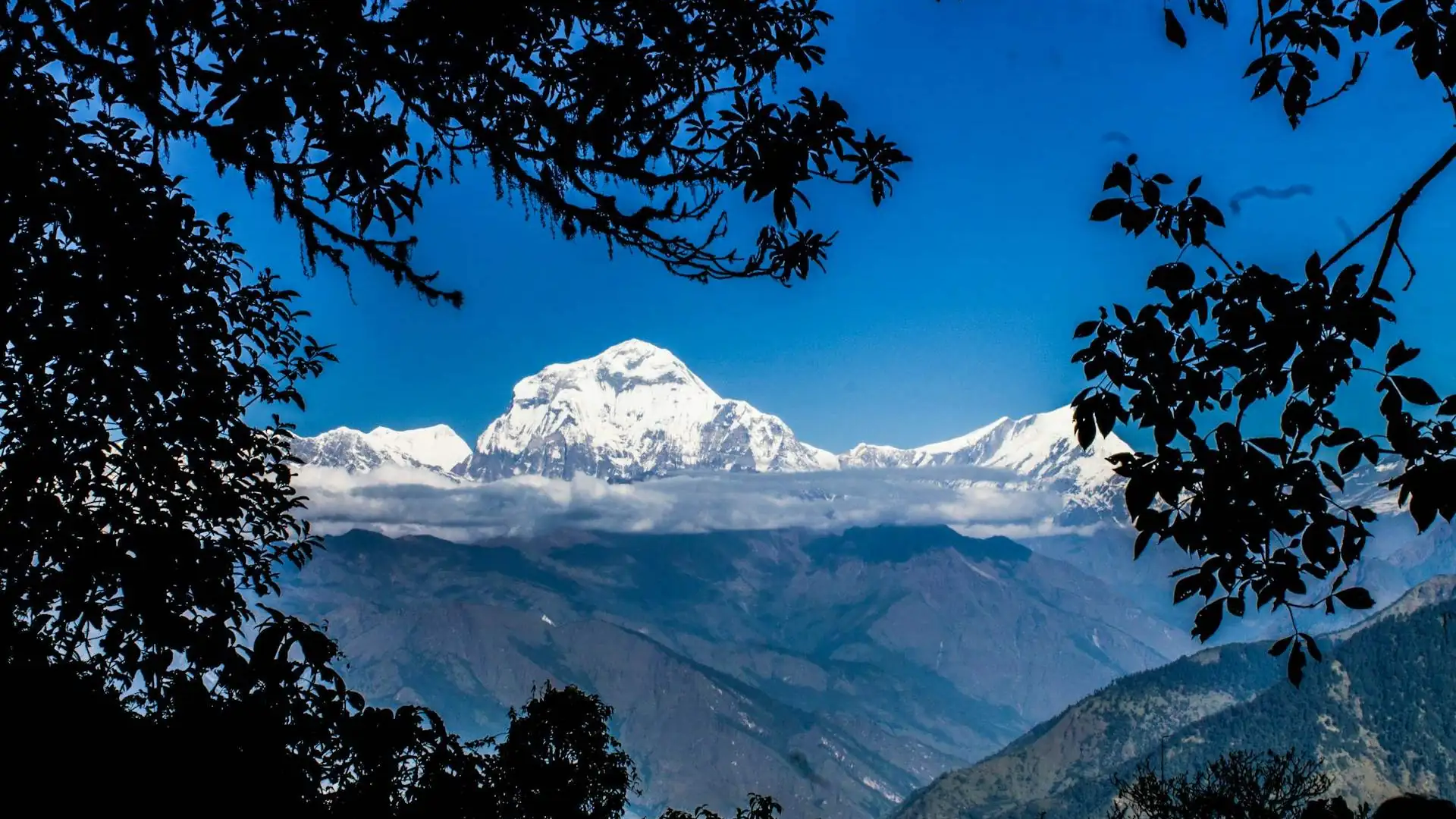
The Ghorepani Poon Hill Trek is the shortest walk in Nepal that puts two 8,000-metre peaks in front of you at sunrise. From the viewing tower on Poon Hill (3,210 m), Dhaulagiri I (8,167 m) fills the western skyline and Annapurna I (8,091 m) sits to its right, with Annapurna South, Hiunchuli and the fishtail summit of Machhapuchhre running east. Getting there takes three days of walking through Magar and Gurung villages and some of the largest rhododendron forest in the Annapurna foothills.
This 7-day package runs from Kathmandu back to Kathmandu. It suits first-time trekkers, families with active teenagers, travellers with one week to spare, and anyone who wants big mountain views without sleeping above 3,000 metres. The highest night is at Ghorepani (2,860 m), so altitude sickness is rarely a problem on this route, though the stone staircases still make it real exercise.
Our guides walk this loop many times a season. Below you'll find the exact itinerary, honest difficulty notes, what the money pays for, and answers to the questions people ask us most before booking.
Trip at a Glance
Detail | Information |
|---|---|
Duration | 7 days (4 days on foot) |
Start / End | Kathmandu / Kathmandu |
Trek route | Hile – Ulleri – Ghorepani – Poon Hill – Tadapani – Ghandruk |
Highest point | Poon Hill, 3,210 m (10,531 ft) |
Highest overnight | Ghorepani, 2,860 m (9,383 ft) |
Walking per day | 3–7 hours |
Distance on foot | About 32 km (20 miles) |
Difficulty | Easy to moderate |
Region | Annapurna Conservation Area, Gandaki Province |
Accommodation | Hotels in Kathmandu and Pokhara; teahouses on the trail |
Meals | Breakfast in cities; breakfast, lunch and dinner on the trek |
Transport | Tourist bus Kathmandu–Pokhara; private jeep to and from the trail |
Permits | ACAP and TIMS (both included) |
Best months | March–May and October–November |
Group size | 1–12 people |
Price | From US$495 per person |
Why This 7-Day Itinerary Works
You can walk to Poon Hill and back in three days if you start in Pokhara and drive most of the way. We don't recommend it for a first trek. Here's how this itinerary is built and why.
It's a loop, not an out-and-back. We climb to Ghorepani via Ulleri and come down via Tadapani and Ghandruk. You never walk the same trail twice, and the second half adds a different landscape, a ridge, and the Gurung culture of Ghandruk.
We take the steep side going up. The Ulleri steps are hard on the lungs going up but harder on the knees coming down. Climbing them on day one, while your legs are fresh, is easier on most people.
We skip the dusty part. A jeep road now runs from Nayapul up the valley to Hile and, in dry months, beyond. Walking that road section adds dust and traffic, not views. We drive to Hile and start walking where the old trail is still a trail.
Ghorepani gets a full afternoon. Arriving by early afternoon gives you time to rest, watch the sunset over Dhaulagiri from the village, and sleep well before the 4:30 a.m. start.
Kathmandu to Kathmandu. Bus days and hotel nights are handled, so the week works as a complete trip rather than a trek you have to piece together. If you're already in Pokhara, we can shorten it to a 5-day Pokhara–Pokhara version.
If you have more time, the same loop links to Annapurna Base Camp. Our 11-day Annapurna Base Camp Trek via Poon Hill adds the Annapurna Sanctuary after Tadapani.
Route Overview
The Ghorepani Poon Hill loop sits on the southern edge of the Annapurna Conservation Area, on the border of Kaski and Myagdi districts. The route has two clear halves.
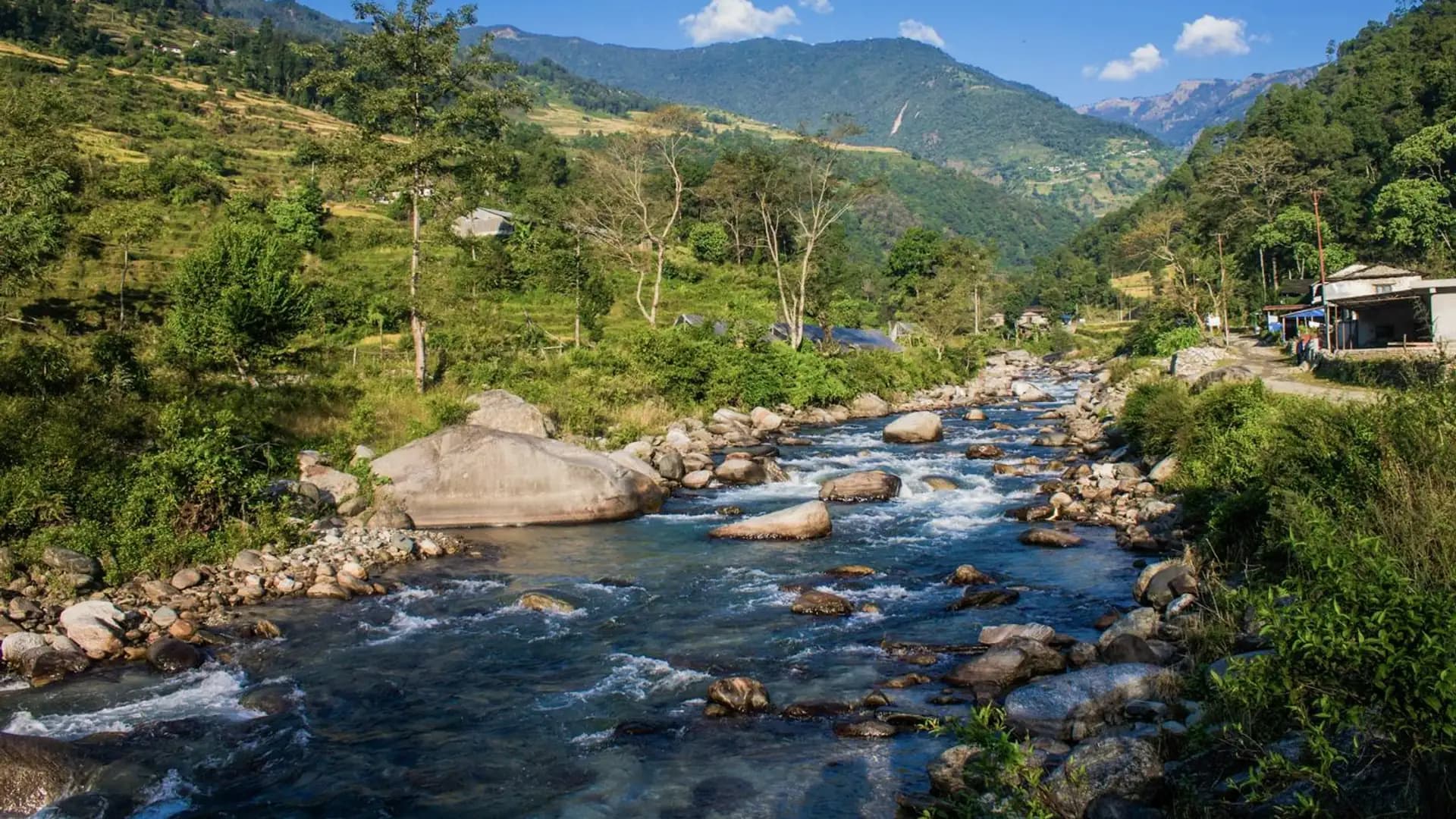
The climb (Hile to Ghorepani). This side follows the Bhurungdi Khola valley up through Magar villages. It's steeper and more direct, with the stone staircase above Tikhedhunga as the main effort.
The descent (Ghorepani to Ghandruk). This side follows a forested ridge east toward the Modi Khola valley. It's longer, quieter, and has more ups and downs than the elevation numbers suggest, because the trail crosses several side valleys.
For a visual overview of the region, see our Annapurna trek map guide.
Distance & Walking Hours
Day | Section | Distance (approx.) | Walking time |
|---|---|---|---|
3 | Hile – Tikhedhunga – Ulleri | 5 km | 3–4 hrs |
4 | Ulleri – Banthanti – Ghorepani | 8 km | 4–5 hrs |
5 | Ghorepani – Poon Hill – Ghorepani | 3 km | 1.5–2 hrs |
5 | Ghorepani – Deurali – Tadapani | 10 km | 5–6 hrs |
6 | Tadapani – Ghandruk | 6 km | 2.5–3 hrs |
Total on foot | About 32 km |
Distances on mountain trails are estimates. The time a day takes depends far more on gradient and rest stops than on kilometres.
Altitude Profile
Place | Altitude | Day |
|---|---|---|
Kathmandu | 1,400 m / 4,593 ft | 1 |
Pokhara | 822 m / 2,697 ft | 2, 6 |
Hile | 1,430 m / 4,692 ft | 3 |
Tikhedhunga | 1,540 m / 5,052 ft | 3 |
Ulleri | about 1,960 m / 6,430 ft | 3 |
Banthanti | about 2,250 m / 7,382 ft | 4 |
Ghorepani | 2,860 m / 9,383 ft | 4 |
Poon Hill | 3,210 m / 10,531 ft | 5 |
Deurali | about 3,100 m / 10,171 ft | 5 |
Tadapani | 2,630 m / 8,629 ft | 5 |
Ghandruk | 1,940 m / 6,365 ft | 6 |
Map Overview
The map shows a loop running northwest from Pokhara by road to Hile, north on foot to Ulleri and Ghorepani, a short spur to Poon Hill, then east along the ridge to Tadapani and south to Ghandruk, from where the road returns to Pokhara. The Kali Gandaki valley lies to the west, and the Modi Khola valley (the route to Annapurna Base Camp) lies just east of Ghandruk.
Difficulty Level
We grade the Ghorepani Poon Hill Trek easy to moderate. There's no technical terrain, no glacier and no high pass. What makes it work is the stairs.
Stone steps: Large parts of the trail are hand-laid stone staircases. The climb from Tikhedhunga to Ulleri is the steepest section, and the descent from Deurali toward Tadapani tests your knees.
Day 5 is long: A pre-dawn start, Poon Hill, and then 5–6 hours to Tadapani add up to around 7 hours on your feet.
Weather: Rain in the shoulder months makes the steps slippery. In winter, Ghorepani and the Deurali ridge can have snow and ice.
Altitude: Low by Himalayan standards. You feel the thinner air on the Poon Hill steps, but most people have no symptoms.
If you can walk uphill for an hour without stopping and enjoy a full day on your feet, you can do this trek. For a step up after this, the Mardi Himal Trek or Khopra Danda Trek are natural next steps. You can read more about grading in our guide to how challenging trekking in Nepal is.
Fitness Requirements and Training
You don't need trekking experience. You do need legs that can handle stairs. Start preparing 4–6 weeks before you travel:
Climb stairs. Walk up and down stairs or a steep hill for 30–45 minutes, three times a week. This is the closest match to the trail.
Do one long walk a week. Build up to 4–5 hours on your feet, ideally with the daypack you'll carry.
Train the way down. Slow downhill walking and simple squats or lunges protect your knees on Day 5.
Break in your boots. Wear them on every training walk. New boots on stone steps cause blisters.
Children around 10 and older who walk regularly usually manage well. Older trekkers with good mobility do this trek every season; we can slow the pace or add a night if needed.
Altitude Sickness & Acclimatization
Poon Hill is 3,210 m, and you only sleep as high as 2,860 m. Acute mountain sickness (AMS) usually starts above about 2,500 m, so mild symptoms such as a headache or poor sleep are possible at Ghorepani, but serious altitude illness on this route is uncommon.
What we do to keep it that way:
The daily sleeping height rises gradually: 1,960 m, then 2,860 m.
Guides carry a first-aid kit and pulse oximeter and check in with you each evening.
Roads reach Ulleri and Ghandruk, so a jeep can get someone down quickly if needed.
What you can do: walk at a pace that lets you talk, drink 3–4 litres of water a day, and tell your guide about any headache that doesn't go away. This is general guidance, not medical advice. If you have heart or lung conditions, check with your doctor before booking. The CDC's Nepal travel health page is a good starting point.
Best Time to Do the Ghorepani Poon Hill Trek
October to November is the most reliable time for views. The monsoon has cleared the air, days are dry and settled, and mornings at Poon Hill are usually cloud-free. It's also the busiest time, so the viewing tower is crowded at sunrise.
March to April is rhododendron season. The forest between Ulleri, Ghorepani and Tadapani turns red, pink and white. Haze builds as spring goes on, so early mornings give the clearest views, and afternoon clouds are common by May.
December to February is quiet and often very clear, but cold. Expect frost and possibly snow at Ghorepani, and nights well below freezing. With proper warm gear, it's a good time for people who dislike crowds.
June to September is the monsoon. The trail is green and nearly empty, but most mornings are cloudy, the steps are slippery, leeches are common in the forest, and landslides can affect the jeep roads. We run the trek in monsoon only for people who accept a high chance of missing the view.
For a wider look at seasons across Nepal, see our guide to the best time to hike in Nepal.
Weather by Season (around Ghorepani)
Season | Months | Daytime | Night | Mountain views | Trail |
|---|---|---|---|---|---|
Autumn | Sep–Nov | 12–18 °C | 2–6 °C | Excellent, especially Oct–Nov | Dry, busy |
Winter | Dec–Feb | 5–12 °C | −5 to 0 °C | Often very clear | Cold, possible snow and ice, quiet |
Spring | Mar–May | 12–20 °C | 3–8 °C | Good early, hazier by May | Rhododendrons in bloom, busy |
Monsoon | Jun–Aug | 15–22 °C | 10–14 °C | Usually hidden by cloud | Wet, leeches, quiet |
Temperatures are typical ranges and vary from year to year. It's always colder on Poon Hill before sunrise than in the village.
Transportation Details
Leg | Vehicle | Time |
|---|---|---|
Airport – Kathmandu hotel | Private car | 20–40 min |
Kathmandu – Pokhara | Tourist bus (flight upgrade available) | 6–8 hrs (flight 25 min) |
Pokhara – Hile | Private jeep | 2–2.5 hrs |
Ghandruk – Pokhara | Private jeep | 2.5–3 hrs |
Pokhara – Kathmandu | Tourist bus (flight upgrade available) | 6–8 hrs |
The highway between Kathmandu and Pokhara has had long-running road widening work, so bus times vary. The tourist bus is a comfortable coach with reserved seats and meal stops. If you're short on time or get carsick on winding roads, the flight is worth it; we can book it and quote the current fare.
Past Nayapul, the roads to Hile and Ghandruk are rough dirt tracks, which is why we use 4WD jeeps rather than buses.
Accommodation
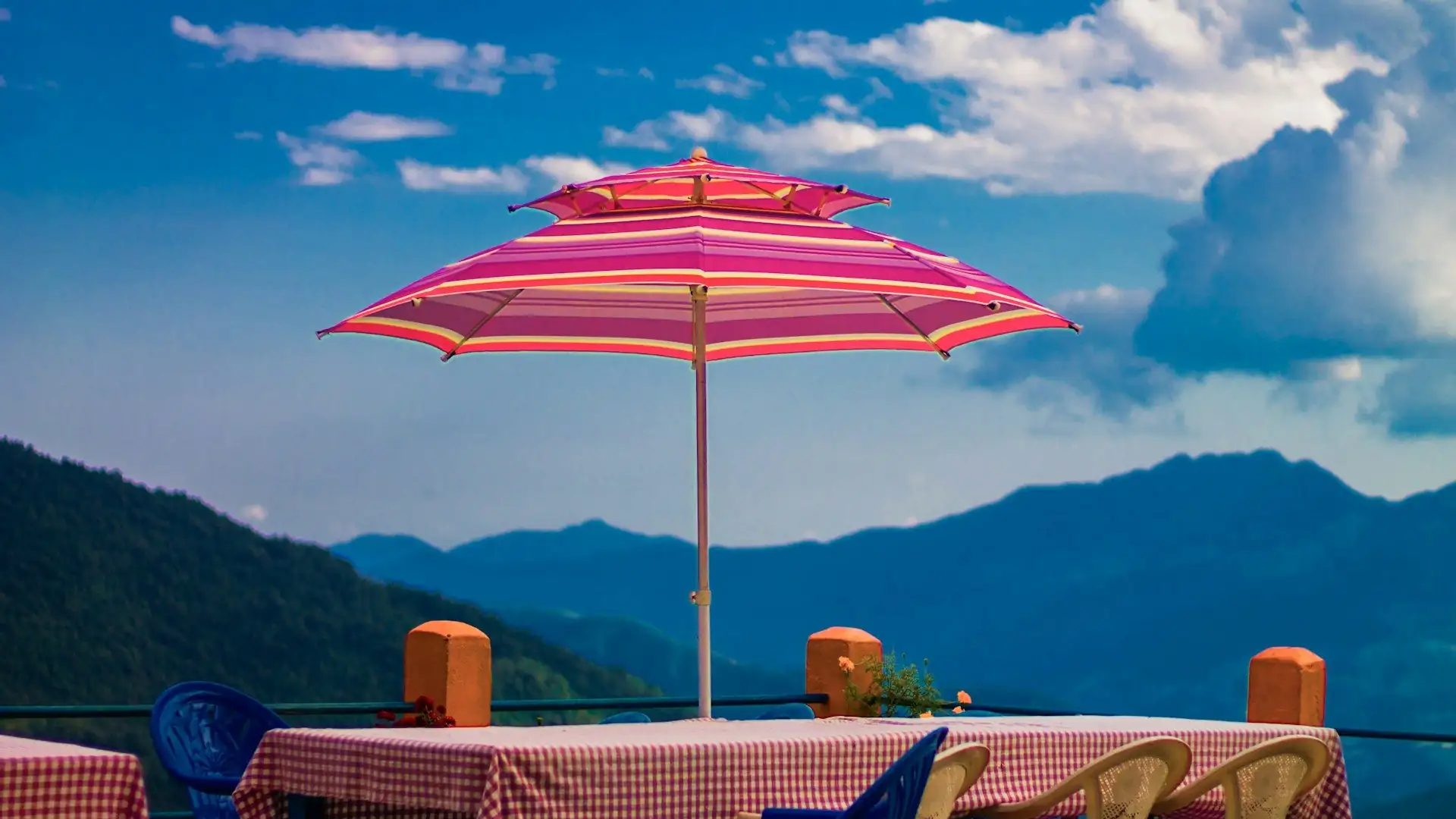
In Kathmandu and Pokhara: Comfortable tourist-class hotels with private rooms, attached bathrooms and hot water, on a twin-share basis with breakfast.
On the trail: Teahouses, which are family-run lodges. Rooms are simple twin rooms with two beds, a mattress, pillow and blanket. Walls are thin and rooms aren't heated. The dining room, usually with a stove, is where everyone gathers in the evening.
Some lodges in Ghorepani and Ghandruk have rooms with attached bathrooms. In peak season they fill early, so they're never guaranteed, but our guides book ahead where possible. Hot showers are available at most lodges, usually solar or gas-heated, often for a small charge.
A sleeping bag isn't strictly needed in spring and autumn, but most people sleep better with one, especially at Ghorepani. We can lend one if you don't have your own.
Meals & Drinking Water
Breakfast, lunch and dinner are included on the trail, and breakfast is included in Kathmandu and Pokhara.
Teahouse menus are similar from lodge to lodge: dal bhat (rice, lentil soup, vegetable curry and pickle, with free refills), noodles, fried rice, pasta, potatoes, momos, soups, eggs, porridge, pancakes and Tibetan bread. Vegetarians eat well here; meat is carried up from below, so we suggest skipping it on the trail.
Don't drink untreated tap or stream water. Your options are:
Boiled or filtered water from teahouses, sold by the litre
Purification tablets or a filter bottle with tap water (cheapest and least plastic)
Bottled water, which is available but leaves litter in a conservation area
Bring two 1-litre bottles or a hydration bladder. Tea, coffee and drinks outside main meals are paid separately.
Internet, Mobile Network & Charging
Mobile signal: Ncell and Nepal Telecom (NTC) work in most villages on this route, including Ghorepani and Ghandruk, with gaps in the forest between villages. A local SIM card is cheap and easy to buy in Kathmandu with your passport.
Wi-Fi: Most teahouses have Wi-Fi, sometimes free and sometimes for a small fee. It's slow when the lodge is full.
Charging: Available in dining rooms or rooms, sometimes for a fee. Bring a power bank, because cold nights drain batteries faster.
Permits & Fees
All foreign trekkers on this route need two permits. Both are included in this package, and we arrange them before you start.
Permit | Foreign nationals | SAARC nationals | Where it's checked |
|---|---|---|---|
ACAP (Annapurna Conservation Area Permit) | NPR 3,000 (about US$23) | NPR 1,000 | Birethanti and Ghorepani |
TIMS card | NPR 2,000 (about US$15) | NPR 1,000 | Issued through a registered agency |
Poon Hill entry ticket | Small fee, paid at the gate | Same | Bottom of the Poon Hill steps |
Children under 10 don't pay the ACAP fee. The ACAP permit is issued by the National Trust for Nature Conservation, which manages the Annapurna Conservation Area, and TIMS is managed by the Nepal Tourism Board.
Mandatory guide rule: Since April 2023, foreign trekkers in the Annapurna region must walk with a licensed guide arranged through a registered trekking agency. Independent trekking without a guide isn't allowed on this route. Our guide is included in the price. More on this in our guide to Nepal's trekking guide requirement.
Fees in Nepal change from time to time. We always charge the current official rate.
Cost of the Ghorepani Poon Hill Trek
Package price: from US$495 per person for 2 or more people. Solo travellers pay US$595 because the guide, jeep and rooms aren't shared. Groups of 5 or more get a lower rate on request.
Here's roughly where your money goes, per person in a group of two:
Cost item | Approx. US$ |
|---|---|
Licensed guide (wages, food, lodging, insurance) | 90 |
Porter, shared one per two trekkers | 50 |
Teahouse rooms and three meals a day on the trail | 110 |
Hotels in Kathmandu (1 night) and Pokhara (2 nights) with breakfast | 75 |
Airport pickup, tourist buses and private jeeps | 85 |
ACAP, TIMS and Poon Hill entry | 39 |
First aid kit, office support and government taxes | 46 |
Total | 495 |
Extra money to budget (not included):
Lunch and dinner in Kathmandu and Pokhara: US$8–20 per meal
Drinks, snacks, hot showers, Wi-Fi and charging on the trail: US$10–15 a day
Tips for guide and porter: many trekkers give around 10% of the trip price, shared between them
Nepal visa on arrival: US$30 for 15 days (see the Department of Immigration for current rates)
Carry Nepali rupees in cash. There are ATMs in Pokhara but none on the trail. For a full country-wide picture, read our Nepal trekking cost guide.
Optional Add-ons
Fly instead of bus between Kathmandu and Pokhara, one way or return
Extra night in Ghandruk, for a slower finish and more time in the village
Private trip for your own group, on dates you choose
Extend to Annapurna Base Camp via our 11-day ABC via Poon Hill trek
Add Chitwan National Park for a jungle safari after the trek; see our Kathmandu, Pokhara and Chitwan tour
Extra nights in Pokhara for paragliding, boating on Phewa Lake or the sunrise at Sarangkot
Travel Tips
Leave Ghorepani early for Poon Hill. The first 100 people at the top get the best spots on the tower. Starting 15 minutes earlier makes a real difference in October.
Bring a warm layer and gloves for sunrise. You'll stand still in the wind for 30–45 minutes, often below freezing.
Use poles on the descent. They take a lot of load off your knees on the stone steps to Tadapani.
Carry small notes. Teahouses rarely have change for NPR 1,000 notes.
Watch for mules. Stand on the uphill side of the trail when a mule train passes.
Book a day of buffer. Don't fly home the evening you return from Pokhara.
Photography Spots
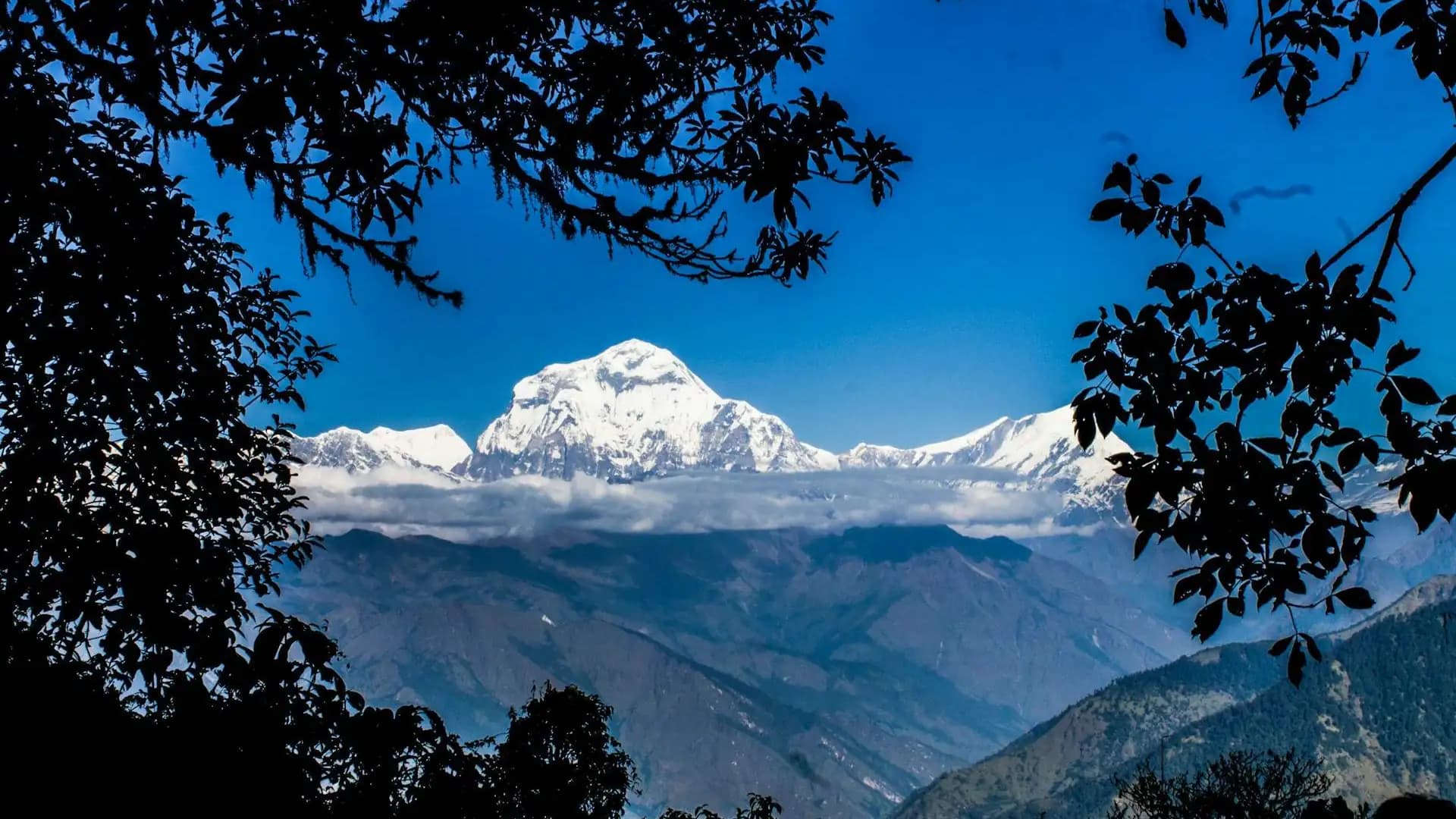
Poon Hill tower at sunrise: The full panorama from Dhaulagiri to Machhapuchhre. Use a wide lens for the range and a zoom for Dhaulagiri's south face.
Ghorepani at sunset: Dhaulagiri turns gold from the upper village, with far fewer people than the hill at dawn.
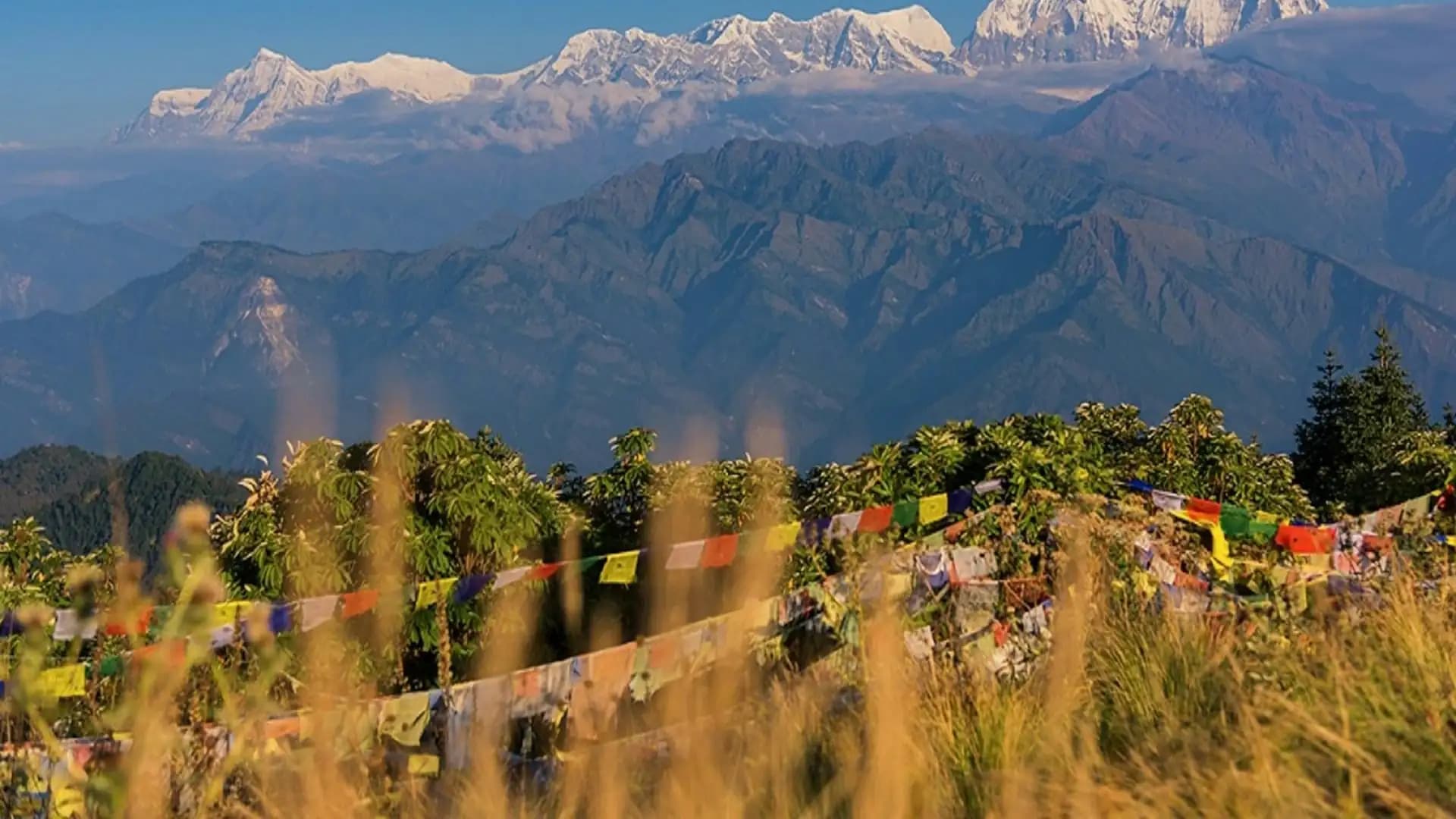
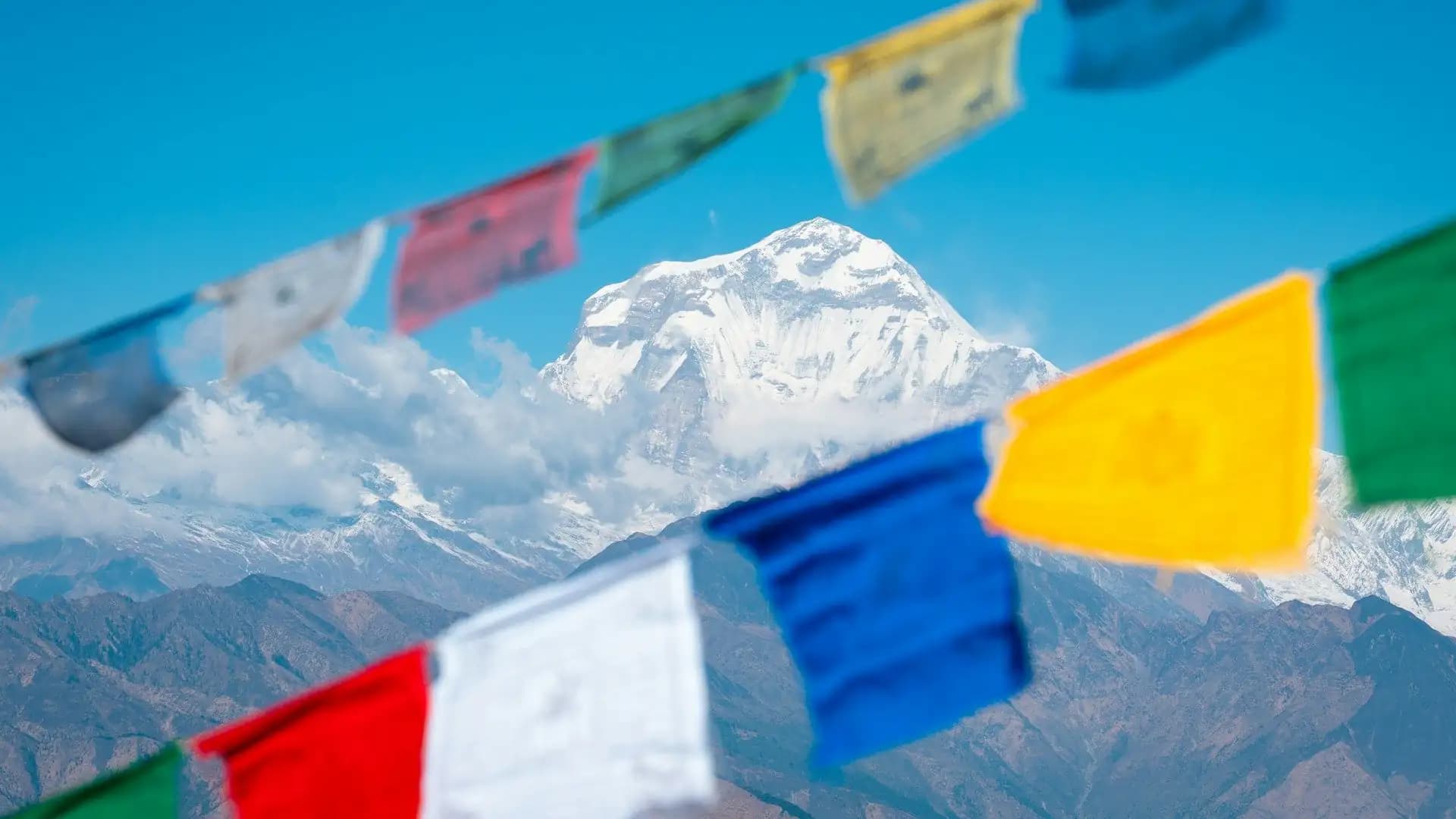
Deurali ridge: Prayer flags in the foreground with Dhaulagiri behind, especially good mid-morning.
Rhododendron forest (March–April): Between Banthanti and Ghorepani, and between Deurali and Tadapani.
Tadapani at dawn: Machhapuchhre framed by the forest.
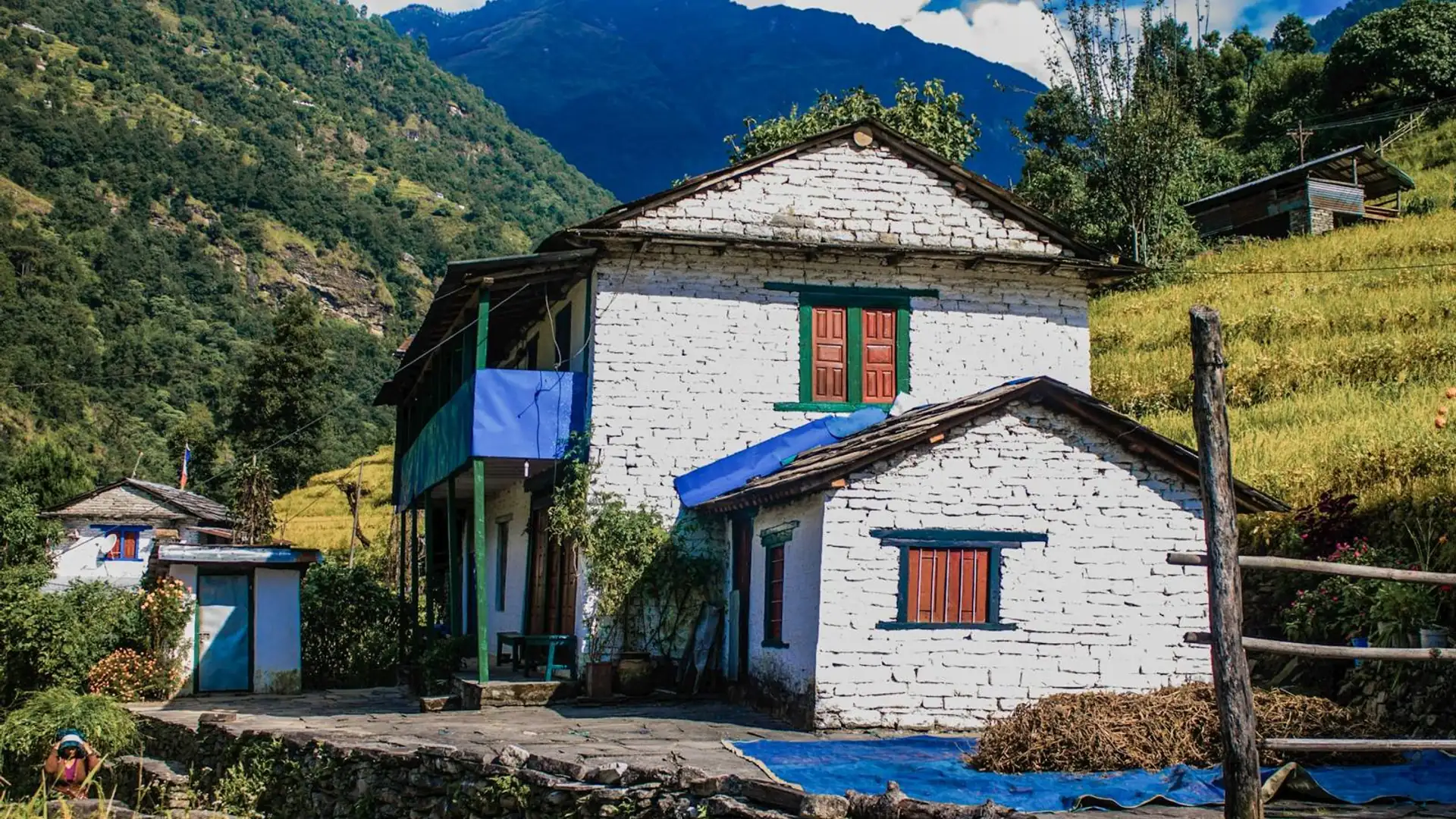
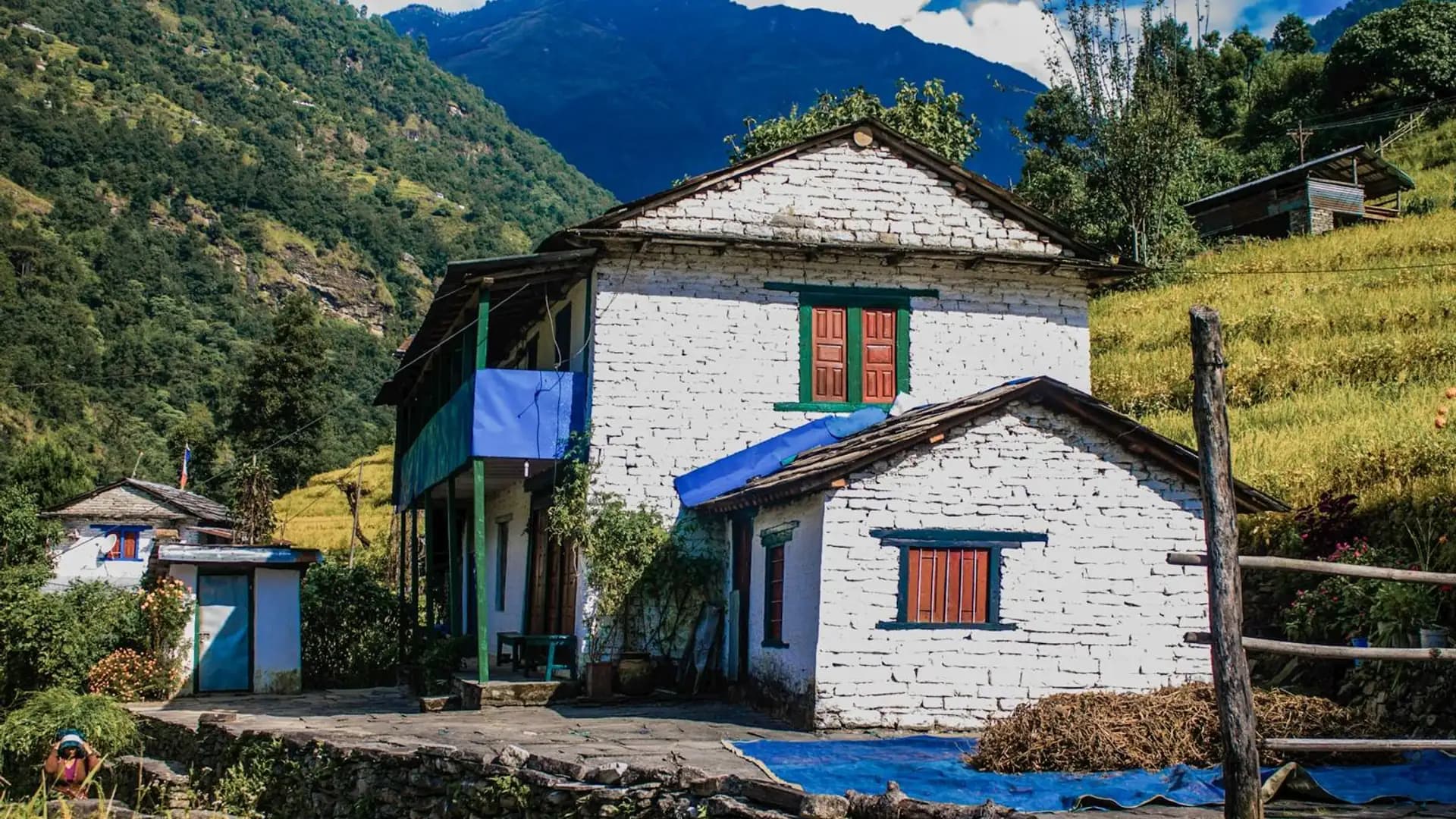
Ghandruk's lanes: Stone houses and slate roofs with Annapurna South above.
Ask before photographing people, especially inside homes and at prayer sites.
Responsible Trekking
The Annapurna Conservation Area is a home and farmland before it's a trail.
Carry out your rubbish, including wrappers and batteries. Bins on the trail are often emptied by burning.
Refill, don't buy plastic. Purification tablets or a filter save dozens of bottles on one trek.
Eat local food. Dal bhat is fresh, local and cooked in bulk, so it uses less fuel than custom orders.
Dress modestly in villages, and walk clockwise around stupas and mani walls.
Stay on the trail to protect the forest and the terraced fields next to it.
We pay our guides and porters fair wages, provide insurance, and limit porter loads. Read more in our guide to trekking guides in Nepal.
Is This Trek Right for You?
This trek suits you if you:
Want Himalayan sunrise views in a short trip
Are new to trekking and want a manageable introduction
Don't want to sleep at high altitude
Are travelling with older children or parents who walk regularly
Have one week in Nepal
Look at a different trek if you:
Want to stand at a base camp beneath the peaks: try the Short Annapurna Base Camp Trek
Want quiet trails in October: the Khopra Danda Trek has the same views with a fraction of the people
Want a long, high-altitude journey: the Annapurna Circuit Trek crosses Thorong La at 5,416 m
Why Book With Adventure Life Nepal
Run by a guide, not a sales office. Adventure Life Nepal was founded by Dil Bahadur Karki, who has spent more than 25 years guiding in Nepal and has led trekkers from over 40 countries.
Licensed and registered. We're registered with the Nepal Tourism Board and the Trekking Agencies Association of Nepal (TAAN). Our guides hold Nepal Mountaineering Association certification.
Clear pricing. Permits, guide, porter, trail meals and lodging are all in the price, and the cost breakdown above shows where the money goes.
Small groups. A maximum of 12 people, and private trips on any date.
Safety as standard. Guides are trained in wilderness first aid and carry a first-aid kit and pulse oximeter.
Flexible. We'll change pace, add a night, or switch to the 5-day Pokhara version to fit your plans.
Booking, Cancellation & Refund Policy
A 30% deposit confirms your booking.
30 days or more before the start date: full refund minus administrative fees.
15–29 days before: a 50% cancellation fee applies.
Less than 15 days before: no refund.
Travel insurance that covers trekking and emergency evacuation is required for everyone.
We may change or cancel a trek for weather, natural disasters or other events beyond our control.
Full details are on our terms and conditions page.
Plan Your Ghorepani Poon Hill Trek
A week is enough to stand on Poon Hill as the sun reaches Dhaulagiri, walk through Magar and Gurung villages, and be back in Kathmandu. Tell us your dates and group size, and we'll confirm availability, your guide and the final price.
Book now or send us a quick enquiry. WhatsApp or call: +977 9841248242 · Email: adventurelifenepal@gmail.com
Highlights
Itinerary
A representative meets you at Tribhuvan International Airport and drives you to your hotel in Thamel. In the evening, your guide stops by for a short briefing: the route, a gear check, and a copy of your permits. If anything is missing from your kit, Thamel's gear shops are a short walk away and stay open late.
The tourist bus leaves Kathmandu around 7 a.m. and follows the Trishuli and Marshyangdi river valleys west for about 200 km. Plan on 6–8 hours, depending on roadworks and traffic. A 25-minute flight is available as an upgrade if you'd rather save the day. Pokhara is warmer and calmer than Kathmandu. Spend the evening at Lakeside, where on a clear evening Machhapuchhre shows above the far shore of Phewa Lake.
• Drive: About 2–2.5 hours by private jeep • Walking: 3–4 hours, about 5 km • Elevation gain on foot: About 530 m The jeep follows the paved Baglung highway to Nayapul, then a rough dirt track past Birethanti, where your ACAP permit is checked, up the Bhurungdi Khola valley to Hile. Your walk begins here. From Tikhedhunga, the trail crosses the river and turns into a stone staircase. Counts vary, but it's roughly 3,000 steps and around 500 vertical metres to Ulleri. Take it slowly, stop for tea at the small shops along the way, and look back: on a clear afternoon Annapurna South and Hiunchuli appear above the valley. Ulleri is a large Magar village spread across a steep slope, so altitude figures for it range from about 1,960 to 2,070 m depending on where you stand.
• Walking: 4–5 hours, about 8 km • Elevation gain: About 900 m Above Ulleri the gradient eases. The trail climbs steadily through farmland to Banthanti (around 2,250 m) and then into dense forest of oak and rhododendron. In March and April this is the section people photograph most, when the trees are in bloom. After Nangethanti (around 2,460 m) it's about an hour more to Ghorepani. Ghorepani means "horse water". The village grew around a watering stop on the old trade route to Mustang, and it's now a cluster of lodges on a saddle with Dhaulagiri and Annapurna South directly opposite. Afternoons are free. If the sky is clear around sunset, the view from the upper village is a good preview of the morning.
• Poon Hill hike: 45–60 minutes up, about 1.5 km • Walking after breakfast: 5–6 hours, about 10 km • Longest day of the trek You leave the lodge with headlamps at around 4:30–5 a.m. (later in winter). The path is a steady stone staircase, and your guide buys the small entry ticket at the gate. At the top there's a viewing tower, a few tea stalls, and in October or April a crowd of a few hundred people. The light reaches Dhaulagiri first, then moves east across Annapurna South and Machhapuchhre. Stay 30–45 minutes, then walk back down for breakfast in Ghorepani. After breakfast the trail climbs to Deurali (about 3,100 m) along a ridge with views behind you to Dhaulagiri and ahead to Annapurna South. It then descends a long way through quiet forest, crosses a stream at Banthanti, and climbs a final stretch to Tadapani. This is the day to have trekking poles.
• Walking: 2.5–3 hours, about 6 km • Drive: About 2.5–3 hours Tadapani has one of the closest views of Machhapuchhre on the trek, so look out of your window at dawn. The trail then drops through forest and terraced fields into Ghandruk. Ghandruk is a large Gurung village with slate-roofed stone houses, narrow paved lanes and Annapurna South and Hiunchuli above it. Many families here have served in the British and Indian Gurkha regiments. After lunch and a walk around the village (including the Gurung museum, if it's open), the jeep takes you back down to Pokhara.
The tourist bus leaves in the morning and reaches Kathmandu in 6–8 hours. We drop you at your hotel or the airport. If you're flying home, book your international flight for the following day to allow for road delays. We can book an extra night in Kathmandu if you need one. Itinerary note: Weather, road conditions or your group's pace can shift the plan. Your guide makes changes on the trail, and safety always comes first.
Elevation Profile
Altitude Variation Chart
What's Included
Included
- Airport pickup in Kathmandu on arrival
- 1 night hotel in Kathmandu and 2 nights in Pokhara, twin-share with breakfast
- Tourist bus Kathmandu–Pokhara–Kathmandu
- Private jeep Pokhara–Hile and Ghandruk–Pokhara
- 3 nights teahouse accommodation on the trek
- Breakfast, lunch and dinner during the trek
- Licensed, English-speaking trekking guide
- Porter (one for every two trekkers)
- ACAP permit, TIMS card and Poon Hill entry ticket
- Guide and porter wages, meals, lodging and insurance
- First aid kit and pulse oximeter carried by the guide
- Sleeping bag on loan if needed
- Trekking map
- All government taxes and office service charges
Excluded
- International flights and Nepal visa fees
- Travel insurance with emergency evacuation cover (mandatory)
- Lunch and dinner in Kathmandu and Pokhara
- Domestic flight Kathmandu–Pokhara (available as an upgrade)
- Drinks, snacks, hot showers, Wi-Fi and charging on the trail
- Personal gear and clothing
- Extra hotel nights in Kathmandu
- Tips for guide, porter and driver
- Costs caused by events outside our control (weather, landslides, strikes, flight cancellations)
- Anything not listed under "What's Included"
Packing List
Category | What to bring |
|---|---|
Upper body | 2 quick-dry T-shirts, 1 long-sleeve base layer, fleece jacket, insulated down jacket, waterproof shell |
Lower body | 2 trekking trousers, thermal leggings for nights, waterproof over-trousers (Mar–May, Sep) |
Feet | Broken-in waterproof hiking boots with ankle support, 3 pairs of trekking socks, camp sandals |
Head & hands | Warm hat, sun hat, buff, light gloves, sunglasses |
Sleeping | Sleeping bag rated around −5 °C (we can lend one) |
Gear | 25–30 L daypack, trekking poles, headlamp with spare batteries, 2 water bottles, rain cover |
Health | Personal medicines, blister plasters, purification tablets, sunscreen, lip balm, hand sanitiser |
Documents | Passport, 2 passport photos, insurance details, cash in Nepali rupees |
Useful extras | Power bank, quick-dry towel, earplugs, toilet paper, snacks |
Your porter carries up to about 10 kg per person in a shared duffel bag. Anything you won't need on the trail can be left at your hotel in Kathmandu or Pokhara.
Frequently Asked Questions
It's easy to moderate. There's nothing technical, but there are long stone staircases, especially between Tikhedhunga and Ulleri. If you can walk for 4–6 hours with breaks, you'll manage.
Yes. Most of our Poon Hill trekkers have never done a multi-day trek before. A few weeks of stair and hill training makes the difference between enjoying it and enduring it.
Yes. Since April 2023, foreign trekkers in the Annapurna Conservation Area must trek with a licensed guide through a registered agency. A guide is included in this package.
From Pokhara, 3–5 days on foot. Our 7-day package includes travel to and from Kathmandu. If you're already in Pokhara, ask for the 5-day version.
No. Everest is more than 300 km to the east. From Poon Hill you see the Dhaulagiri and Annapurna ranges, including Dhaulagiri I (8,167 m) and Annapurna I (8,091 m).
On a clear morning: Dhaulagiri I, Tukuche Peak, Dhampus Peak, Nilgiri, Annapurna I, Annapurna South, Hiunchuli, Gurja Himal and Machhapuchhre. Which peaks are visible depends on cloud.
Usually 4:30–5:00 a.m. in spring and autumn, a little later in winter. The climb from Ghorepani takes 45–60 minutes.
Clouds often clear by mid-morning, and the Deurali ridge and Tadapani have similar views later the same day. If you have a flexible schedule, we can add a second night in Ghorepani and try again.
The risk is low. The highest sleeping point is 2,860 m, and you only spend an hour or two at 3,210 m. Mild headaches can happen; tell your guide if one doesn't go away.
Yes, children who are used to walking, typically from around 10 years old. Younger children can go too with a slower pace and a carrier or extra porter. ACAP is free for children under 10.
Yes. The trail is busy, villages are close together and you'll be with a licensed guide. If you'd prefer a female guide, ask us when you enquire. See our article on whether Nepal is safe for female solo travellers.
Yes. Winter often has the clearest skies. Expect frost, possible snow at Ghorepani and nights below freezing, so bring a proper down jacket and warm sleeping bag.
You can, but mountain views are often hidden, trails are slippery and leeches are common. If the view is the reason you're going, pick another season.
No. Withdraw enough Nepali rupees in Kathmandu or Pokhara for drinks, snacks, showers and tips.
Mostly yes. Ncell and NTC work in the main villages, and most teahouses offer Wi-Fi, sometimes for a fee. Expect gaps in the forest.
Most have hot showers, usually for a small charge. Western toilets are common in Ghorepani and Ghandruk, but some lodges still have squat toilets, especially in shared bathrooms.
Yes. It's a condition of booking. Your policy should cover trekking up to at least 3,500 m and emergency evacuation.
Up to about 10 kg per trekker, with one porter shared between two people. Pack light and leave extras at your hotel.
Yes. From Tadapani the trail continues to Chhomrong and up the Modi Khola to the Sanctuary. Our 11-day Annapurna Base Camp Trek via Poon Hill does exactly this.
Yes. Any date, any group size, and the pace can be changed. Private trips cost the same per person for 2 or more people.
For October, November and April, book 1–3 months ahead so we can secure the better teahouse rooms. In other months, a couple of weeks is usually enough.
Ghorepani means "horse water" in Nepali, a reminder of the village's past as a watering stop for mule trains. Poon Hill is named after the Pun Magar community who live in this area.
Gallery & Video
Customer Reviews
Loading reviews...