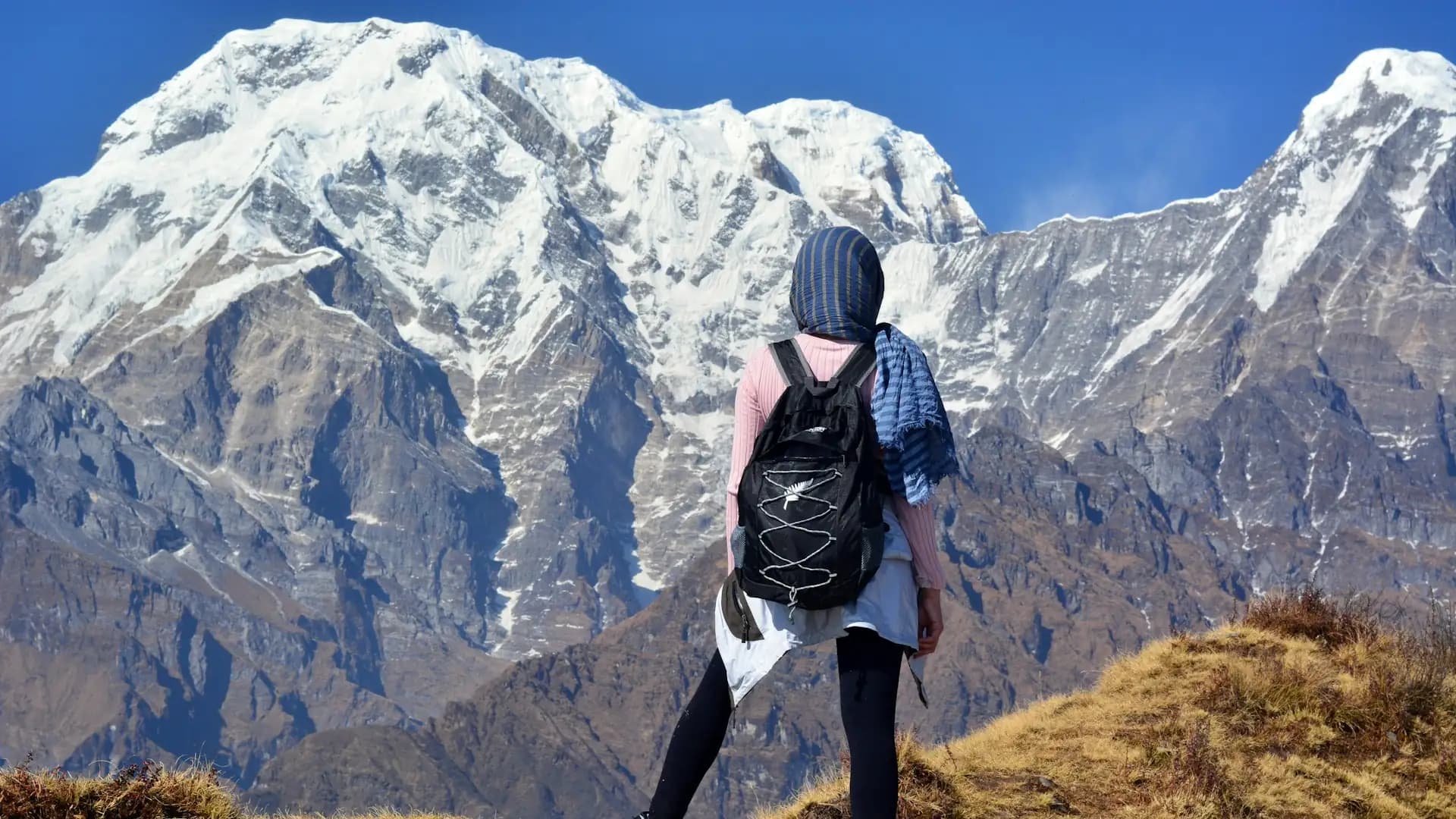
Is Nepal Safe for Female Solo Travellers? 2027 Safety Guide
Introduction on Is Nepal Safe for Female Solo Travellers
Yes, with sensible precautions, most women who travel alone in Nepal have safe, welcoming, and often life-changing trips. The US State Department notes that sexual assaults against foreign tourists in Nepal are uncommon, Nepali society is generally respectful toward visitors, and the trekking and tourism industry has decades of experience looking after solo travellers. But "generally safe" is not the same as "risk-free." Street harassment, crowded public transport, petty theft, rough roads, altitude, and natural hazards are all real, and the situation in 2026 includes some specific current alerts you should know about before you book.
This guide gives you an honest answer to the question many women ask before booking: is Nepal safe for female solo travellers? It covers the official advisories as they stand in October 2026, what safety looks like in Kathmandu, Pokhara, and on the trail, how to dress and behave, which emergency numbers to save, and how to choose guides, hotels, and transport with confidence. Where sources differ or conditions can change quickly, we say so, and we recommend checking official advisories again within a week of departure.
Quick Answer: How Safe Is Nepal for Women Travelling Alone?
Area | Risk level | What to do |
|---|---|---|
Serious violent crime against tourists | Low | Use common sense, avoid isolated areas after dark |
Street harassment (stares, comments, persistent touts) | Low to moderate, mostly in busy tourist hubs | Dress modestly, stay calm and firm, move toward other people |
Crowded public buses | Moderate | Use tourist buses, private cars, or ride-hailing; sit near women or families |
Petty theft and scams | Moderate | Keep valuables secure, use registered operators |
Trekking without a guide | Not permitted on main routes | Book a licensed guide through a registered agency |
Altitude sickness | Moderate to high on high routes | Ascend slowly, report symptoms early |
Roads and transport | Higher than in many countries | Avoid night travel on mountain roads |
Natural hazards (monsoon floods, landslides, earthquakes) | Seasonal and regional | Check conditions, buy insurance, travel in dry seasons |
Healthcare | Limited outside Kathmandu | Carry medicines and insurance with evacuation cover |
Current Conditions in Nepal: What Has Changed in 2025 and 2026
Nepal's headline safety picture has shifted over the past year, so any advice written before late 2025 is out of date. Here is where things stand in mid-October 2026.
Civil unrest has calmed, but demonstrations can still occur. Nationwide protests began in September 2025 and led to serious unrest, including deaths and a temporary US advisory increase to Level 3 on 11 September 2025. The protests have since stopped, elections took place on 5 March 2026, and the US State Department lowered its advisory to Level 2, "Exercise Increased Caution," on 31 March 2026. That is the same tier used for many popular European destinations. The advisory still warns that demonstrations and local unrest can happen, particularly in cities, and can start with little warning. The practical rule for any traveller is simple: avoid large crowds and political gatherings, and follow instructions from local authorities.
A specific area is under a "Do Not Travel" notice. After a major flash flood and landslide on 26 August 2026, the US State Department issued a Level 4 "Do Not Travel" notice for the Rasuwagadhi–Timure–Syafrubesi area of Rasuwa district, including the Nepal–China border crossing. The US Embassy also advised postponing travel to Rasuwa, including Syafrubesi and Langtang access routes. This is a localized warning rather than a blanket warning against travel to Nepal. The UK government's advice, similarly, focuses on flood-affected areas and does not advise avoiding Nepal as a whole. If your plans involve Langtang, the Rasuwa road, or the Nepal–China border at Rasuwagadhi, check the latest advisories and talk to a registered agency before booking.
Natural hazards are part of the landscape. Nepal regularly experiences earthquakes, floods, and landslides. Earthquakes can happen with little warning, including in the Kathmandu Valley, and heavy monsoon rain between June and September can cause flash floods and landslides that block roads.
Healthcare is limited. US guidance notes that even facilities in Kathmandu may require upfront payment, and that capacity for serious care is limited, particularly outside the capital. That makes comprehensive travel insurance with emergency medical evacuation essential rather than optional.
For current official wording, check the US State Department's Nepal travel advisory and your own government's advice, and read the US Embassy's flood alert if you plan to travel anywhere near Rasuwa.
So, Is Nepal Safe for Female Solo Travellers? The Honest Picture
Many women describe Nepal as one of the more comfortable countries in South Asia for solo travel. There are good reasons: Nepali culture places high value on hospitality, travellers are a familiar and welcome sight in tourist areas, and trekking communities are used to hosting women from around the world. Violent crime aimed at tourists is rare.
At the same time, women travelling alone commonly report some predictable annoyances and risks.
What is common:
Staring, catcalls, and persistent offers from touts or drivers, especially in busy tourist areas
Overcharging and haggling-related friction
Crowded buses where unwanted touching can occur
Petty theft such as pickpocketing in markets and crowded squares
Unwanted attention at night around nightlife areas
What is uncommon but worth preparing for:
Serious harassment or assault
Theft from rooms or bags left unattended
Spiked drinks, as in any major tourist destination worldwide
What is not a crime issue but affects safety more than anything else:
Road accidents on poorly maintained roads
Altitude sickness
Monsoon landslides and flooding
Put simply, the risks that most often affect travellers in Nepal are environmental and logistical rather than interpersonal. A solo woman who is well prepared, dresses respectfully, uses reliable transport, and chooses a reputable trekking agency tends to have a smooth trip, which is why the honest answer to whether Nepal is safe for women travelling alone is usually yes.
City by City: Where Solo Women Tend to Feel Comfortable
Kathmandu
Kathmandu is busy, noisy, and dusty, but most solo women find the main tourist areas manageable by day. Thamel, the tourist district, has the widest choice of hotels, cafes, and agencies, and also the most touts and street vendors. Many travellers say that persistent approaches are more common in Thamel than on trekking trails. UK travel advice mentions petty crime in busy tourist areas such as Thamel, so keep bags zipped and phones in front pockets.
At night, stick to well-lit main streets, avoid walking alone through quiet lanes, and use a reliable taxi or ride-hailing app to get back to your hotel. If you want a gentle introduction, a guided Kathmandu day tour is a low-stress way to see the UNESCO sites in the company of a local guide.
Pokhara
Pokhara's lakeside is relaxed and travellers often find it the easiest place to unwind. Cafes, yoga studios, and guesthouses cater to solo travellers, and many women use Pokhara as a base before and after treks. The same basic rules apply: avoid lonely stretches of the lake path late at night, and be careful on poorly lit roads away from the main strip.
Chitwan, Lumbini, Bhaktapur, and Patan
Chitwan is usually visited with a lodge and guided safaris, so independent wandering is limited. Lumbini is a quiet pilgrimage site, and Bhaktapur and Patan are easy to explore in daylight. Plan your visits for daytime and book rooms with good reviews and 24-hour reception where possible.
Place | Typical vibe for solo women | Tip |
|---|---|---|
Thamel, Kathmandu | Busy, many touts, plenty of services | Politely decline offers, avoid isolated lanes at night |
Boudhanath, Kathmandu | Calm, devotional, lots of pilgrims | Go at dawn or dusk for the kora |
Pokhara lakeside | Relaxed and traveller-friendly | Avoid dark, isolated stretches late at night |
Bhaktapur and Patan | Quiet and easy by day | Visit in daylight, keep valuables close |
Chitwan | Structured through lodges and guides | Follow park guides' rules strictly |
Trekking villages | Welcoming, communal, early to bed | Arrive before dark, stay in busy teahouses |
Dress Code and Cultural Norms
Nepal is a culturally conservative country, and dressing modestly is the single easiest way to reduce unwanted attention and show respect.
In cities and villages: Tops that cover shoulders, trousers or skirts below the knee, and a light scarf that can cover your head or shoulders work well. Many foreign women wear loose, lightweight clothing even in hot weather.
At temples and monasteries: Cover shoulders and knees. Shoes come off at many entrances, so slip-on footwear is practical. Leather items are not allowed inside a few Hindu temples, so be prepared to leave leather belts and bags outside.
On trails: Long trekking trousers and a T-shirt are fine on the trail, but avoid very short shorts or revealing tops in villages and teahouses, particularly in conservative communities.
Greeting: Say "Namaste" with palms together. Using "didi" (older sister) or "dai" (older brother) when addressing shopkeepers, drivers, and guides is polite and friendly.
Public affection: Keep it discreet. Public displays of affection are not culturally common.
Photography: Ask before photographing people, especially women, monks, and religious ceremonies.
None of this means women should feel they must hide. It simply helps you blend in and prevents misunderstandings.
Getting Around Safely
Transport is where many solo women face the most day-to-day risk, both from overcrowding and from poor road conditions. US advisory guidance notes that roads across Nepal are generally in poor condition and lack basic safety features.
Option | Safety for solo women | Notes |
|---|---|---|
Domestic flights | Generally good for avoiding long road journeys | Weather delays are common; book flexible tickets |
Tourist buses (Kathmandu to Pokhara, 6 to 7 hours) | Good | Assigned seats, mostly other tourists |
Private car or jeep with driver | Very good | Book through your hotel or a registered agency |
Ride-hailing apps such as Pathao | Good | Easier price transparency and trip tracking |
Taxis | Mostly fine | Agree on the fare or meter first, note the plate number |
Local buses and microbuses | Higher risk | Very crowded; groping can occur; sit near women or families if you must use them |
Night buses on mountain roads | Avoid | Roads are risky after dark |
Practical tips:
Tell your hotel or a friend where you are going before a taxi ride.
Take a photo of the taxi's licence plate if you feel uneasy.
Avoid travelling alone on mountain roads after dark.
During the monsoon, check road conditions and expect delays because of landslides and flooding.
Sit near other women or families on crowded buses, and keep your bag in front of you.
Accommodation: Choosing Where to Stay
Where you sleep does more for your peace of mind than almost any other decision.
Read recent reviews from other solo women and look for comments about security, staff, and neighborhood.
Look for 24-hour reception, good locks, and a lockable window. Upper floors are usually quieter and easier to secure.
Consider female-only dorms if you are staying in hostels.
Choose a location near main streets rather than isolated guesthouses at the end of dark lanes.
Carry a small padlock or door wedge for extra security.
Do not hand over your passport to anyone other than hotel reception for check-in, police, or officials. Photograph or photocopy it instead.
Share your itinerary with someone at home and check in regularly.
Trekking Solo as a Woman: Rules, Routes, and Real Safety
Trekking is the reason many women come to Nepal, and it is generally a safe and welcoming experience. The most important rule is one that has changed recently.
The licensed guide rule
Since 1 April 2023, foreign trekkers entering national parks, conservation areas, and restricted areas have been required to be accompanied by a licensed guide from a registered agency, and this is enforced at checkpoints on major routes. So "solo" trekking in Nepal now means travelling on your own with a guide, or joining a small group, rather than walking alone. We explain how it works in our guide to the Nepal trekking guide requirement. For many women this is a safety benefit, not a restriction, because a guide handles navigation, permits, and emergencies, and gives you a local contact on the trail.
Female guides and group options
Some agencies offer female guides and porters, and many solo women find that this makes conversation, cultural questions, and personal topics easier. If this matters to you, ask when you book. Small group departures are another popular option, because you share costs and company while still having an experienced leader. Our guide to solo versus group trekking on the Manaslu Circuit outlines the trade-offs, and the same logic applies to other routes.
Which treks suit first-time solo women?
Trek | Why it suits solo travellers | Notes |
|---|---|---|
Poon Hill | Short and gentle, lots of teahouses and trekkers | Four to five days, up to 3,210 m |
Mardi Himal | Quieter ridge trek with close mountain views | Four to seven days, up to 4,500 m |
Annapurna Base Camp | Well-established route, strong teahouse infrastructure | Seven to twelve days, up to 4,130 m |
Everest Base Camp | Classic route with abundant services | 12 to 14 days, up to 5,364 m; altitude demands careful pacing |
You can read about the full route in our Annapurna Base Camp trek page, which includes acclimatization built into the itinerary. For more on how to plan any trek, our trekking guide in Nepal covers routes, permits, and costs. If your plans involve the Langtang region, check the current advisory first, because access through Rasuwa has been disrupted since the August 2026 flood.
Trail safety habits that work
Start early and arrive before dark. Most teahouses fill up by mid-afternoon, and trails are quieter and safer in daylight.
Stay on well-trodden routes, and stay within sight of your guide on exposed sections.
Keep your valuables with you or locked up. Theft from teahouses is uncommon but not unknown.
Share rooms thoughtfully. Twin rooms are standard, and your agency can usually arrange a single room or female-only share if you ask in advance.
Be careful with alcohol. At altitude it dehydrates you and impairs judgment, which matters more than usual on remote trails.
Carry a charged phone and a power bank, though signal is patchy at altitude.
Trust your instincts. If a situation feels wrong, tell your guide immediately and move to a busier teahouse.
Health, Periods, and Altitude
Altitude sickness is the most common serious risk on high treks. It depends on how fast you ascend, not on fitness. Build in acclimatization days, drink plenty of water, and report symptoms like headache, nausea, and dizziness to your guide early. For a deeper look, see our guide to Annapurna Base Camp acclimatization, which applies to most high-altitude routes.
Periods and hygiene. Bring the sanitary products you prefer, because the choice is limited above the main towns. Tampons, in particular, can be hard to find. Carry small bags for used products, and ask your guide how waste is handled on your route, since disposal facilities are limited in remote villages. Some women also carry a menstrual cup for convenience, though clean water and privacy can be limited on trek.
Medication and healthcare. Bring enough prescription medicine for the entire trip plus a few extra days. Healthcare outside Kathmandu is limited, and you may need to be evacuated for serious treatment, which is why insurance with medical evacuation cover is essential.
Food and water. Drink bottled or purified water, wash your hands often, and eat freshly cooked food in busy places.
Insurance. Choose a policy that covers high-altitude trekking up to the maximum altitude of your route and emergency helicopter evacuation. Confirm that it covers solo travel and any activities you plan, such as rafting.
Scams and Petty Crime: What to Watch For
Issue | What happens | How to handle it |
|---|---|---|
Taxi overcharging | Inflated fares, "meter broken" | Agree the price first or use ride-hailing |
Touts in tourist areas | Offers for tours, rooms, or "special deals" | Say a polite "no thank you" and keep walking |
Unregistered trekking operators | Cheap deals that skimp on guides, gear, or insurance | Book with a registered agency and check reviews |
Pickpocketing | In crowded markets and squares | Use front pockets or a zipped bag |
Overpriced "donations" or fake charity | Requests for money by strangers | Donate only through reputable organisations |
Spiked drinks | A risk in any nightlife district | Watch your drink and avoid accepting open drinks from strangers |
Treat any deal that sounds too good to be true with caution. A registered agency, a published price, and a clear itinerary are the simplest protection.
Harassment: How to Respond If It Happens
Most unwanted attention is verbal, such as comments, staring, or persistent offers, and is best handled calmly.
Stay composed. A firm, calm "no thank you" is usually enough.
Use a respectful but firm tone. Many women find that addressing a man as "dai" (older brother) can defuse the situation, because it appeals to a sense of respect.
Move toward people. Walk into a shop, cafe, or hotel lobby, or stand near other women or families.
Do not engage with persistent harassers. Keep walking and avoid argument.
If someone touches you, make a loud, clear statement such as "Don't touch me," and draw attention to the person.
Report serious incidents. Contact the Tourist Police or your hotel, and note details such as time, place, and a description. Women's police cells operate in many districts and are staffed by female officers, which can be helpful for sensitive issues.
It is worth saying plainly: if something does happen, it is not your fault, and you are entitled to support.
Emergency Numbers to Save Before You Land
Service | Number |
|---|---|
Police | 100 |
Fire | 101 |
Ambulance | 102 |
Traffic police | 103 |
Tourist Police hotline | 1144 |
Women's helpline | 1145 (listed by several travel sources; confirm locally) |
The Tourist Police operate in the Kathmandu Valley and Pokhara and are trained to help foreign visitors with theft, lost documents, and other problems. The main Kathmandu office is reported to be at the Nepal Tourism Board premises in Bhrikutimandap. Save these numbers in your phone, along with your hotel, your agency, and your embassy.
Register with your embassy or foreign ministry's traveller programme before you leave. For example, US citizens can enrol in the Smart Traveler Enrollment Program (STEP). The Nepal Tourism Board also publishes official information on permits and tourist services.
Money, SIM Cards, and Staying Connected
Carry Nepali rupees in small notes. ATMs are common in Kathmandu and Pokhara but scarce beyond them.
Keep copies of your documents in a separate place or digitally.
Buy a local SIM card when you arrive for cheap data and calls. Coverage is patchy at altitude, so download offline maps before you go.
Share live locations with someone at home when travelling between cities.
Charge devices when you can. Charging is paid and solar-dependent at many teahouses.
A Smart Safety Kit for Solo Women
Item | Why it helps |
|---|---|
Light scarf or sarong | Cover shoulders or head at temples; sun protection |
Padlock and door wedge | Extra room security |
Power bank | Keeps your phone alive for emergencies |
Headlamp | Safer walking at night and on trails |
Small first-aid kit and your medicines | Healthcare can be far away |
Photocopies of passport and visa | Avoid handing over originals |
Sanitary products and disposal bags | Limited supply above main towns |
Whistle | Useful for attracting attention |
Travel insurance details | Keep a printed and digital copy |
A Gentle First Itinerary for Solo Women
If you are nervous about your first solo trip, start with a structure that builds confidence.
Days | Plan |
|---|---|
1 to 3 | Kathmandu: stay in a well-reviewed hotel, join a guided day tour of the UNESCO sites, explore Boudhanath at dawn |
4 to 6 | Pokhara: relax by the lake, try a sunrise viewpoint, meet other travellers |
7 to 14 | A guided teahouse trek such as Mardi Himal or Annapurna Base Camp, with a small group or guide |
Final days | Return to Pokhara or Kathmandu, build in a buffer day |
Our Kathmandu to Pokhara tour combines the two cities with transport and guides, which is a convenient starting point for first-time visitors.
Arriving in Nepal: Your First 24 Hours
The first night in a new country is when many solo women feel most uncertain, so a little planning goes a long way.
Book your first night in advance and send the address to your hotel before you land.
Arrange an airport pickup through your hotel or agency, so you do not have to negotiate with drivers at Tribhuvan International Airport after a long flight.
Carry some Nepali rupees or plan to withdraw cash at the airport, and keep your phone charged for navigation and messages.
Share your arrival details with someone at home, and confirm when you reach your hotel.
Take it easy on day one. Jet lag, crowds, and dust can be tiring, and decisions made when you are exhausted are rarely your best.
If you arrive late at night, ask your hotel whether a staff member can meet you at the arrivals exit with your name on a sign.
Social Life, Nightlife, and Meeting People
Solo travel does not have to mean being alone. Hostels, cafes, yoga classes, and group tours make it easy to meet other travellers, and many solo women form friendships on the trail.
Choose busy, well-reviewed venues for evenings out, and arrange your own transport home before you start drinking.
Watch your drink and avoid accepting open drinks from strangers, as you would in any major tourist destination.
Meet new acquaintances in public places, whether you connect through a hostel, a group tour, or an app, and tell a friend where you are going.
Be thoughtful about alcohol at altitude. It affects judgment and hydration, and it can worsen altitude symptoms, so many trekkers skip it entirely on the trail.
Trust your discomfort. You do not owe anyone politeness at the expense of your safety, and it is fine to leave a situation without explanation.
Women-Led and Women-Friendly Options
A growing number of options are designed with women travellers in mind. Some agencies work with female guides and porters, and some run small group departures for women or mixed small groups with a female guide on request. These can be especially helpful if you want company, a female point of contact, or simply a more relaxed trekking atmosphere.
When you contact an agency, it is reasonable to ask:
Whether female guides are available for your dates
How many people will be in the group
What the sleeping arrangements are, and whether single rooms are possible
How emergencies and evacuations are handled
Which safety equipment and communication tools the guide carries
A good agency will answer these questions openly. If an operator is vague or evasive, treat that as a sign to look elsewhere.
Staying Confident and Connected
Even confident travellers can feel lonely or overwhelmed on a long solo trip. A few habits help.
Keep a regular check-in schedule with family or friends, and agree on what they should do if they do not hear from you.
Mix solo time with group activities. A guided day tour or an organised trek gives structure and company without losing independence.
Build in rest days. Fatigue lowers your tolerance for stress and makes minor problems feel larger.
Give yourself permission to change plans. If a place does not feel right, move on. Flexibility is one of the best safety tools you have.
Safety by Season
Timing changes both comfort and risk. As the US advisory notes, heavy rain from June to September can cause flash floods and landslides that block roads and make it hard to get help in an emergency.
Season | Months | Safety considerations for solo women |
|---|---|---|
Autumn | Late September to November | Most stable weather, busiest trails, plenty of other travellers |
Winter | December to February | Cold nights, quiet trails, higher passes may close |
Spring | March to May | Good conditions, busy trails, some haze |
Monsoon | June to early September | Floods, landslides, road and flight delays; trekking not recommended on most routes |
For most first-time solo women, autumn and spring are the easiest seasons, because trails are busier, services are open, and weather is more predictable.
Common Mistakes Solo Women Make in Nepal
Trekking without proper arrangements. Independent trekking on major routes is no longer permitted, so book a licensed guide.
Choosing the cheapest operator. Low prices often mean fewer guides, poorer gear, and weaker emergency plans.
Taking night buses on mountain roads. Roads are risky after dark.
Skipping insurance. Healthcare is limited, and evacuation costs are high.
Wearing revealing clothing in villages and at temples. It draws unnecessary attention and can offend.
Ignoring weather and road conditions in the monsoon. Landslides and floods can block roads quickly.
Handing over your passport to hotels or agents who do not need to keep it.
Forgetting buffer days. Weather delays flights and roads, and rushing leads to risky decisions.
FAQs about Is Nepal Safe for Female Solo Travellers
1. Is Nepal safe for female solo travellers in 2026? Yes, for most women, with sensible precautions. The US advisory is Level 2, serious crime against tourists is rare, and the main risks are harassment in busy areas, road safety, altitude, and weather. Check current alerts, especially for the Rasuwa area, before you book.
2. Is it safe to walk alone at night in Kathmandu? Stick to well-lit main streets and avoid quiet lanes. Many women prefer to take a registered taxi or ride-hailing car back to their hotel after dark rather than walk.
3. Can women trek alone in Nepal? Not completely alone on major routes. Since 1 April 2023, a licensed guide from a registered agency is required in national parks, conservation areas, and restricted areas, but you can travel solo with a guide or join a small group.
4. Are there female trekking guides in Nepal? Yes. Some agencies offer female guides and porters, and you can request one when you book.
5. What should women wear in Nepal? Modest, loose clothing that covers shoulders and knees, plus a light scarf. Trekking trousers and a T-shirt are fine on trails, and temples require covered shoulders and knees.
6. Is Pokhara safer than Kathmandu for solo women? Many travellers find Pokhara more relaxed, with a quieter lakeside atmosphere, though basic precautions still apply, such as avoiding dark isolated stretches late at night.
7. Is public transport safe for solo women? Tourist buses, private cars, and ride-hailing are generally fine. Crowded local buses carry a higher risk of unwanted touching, so if you use them, sit near women or families and keep your bag in front.
8. What is the Tourist Police number in Nepal? 1144. Police can be reached at 100, ambulance at 102, and fire at 101.
9. Is the Langtang region safe to visit now? Not at the moment of writing. A major flash flood on 26 August 2026 damaged the Rasuwa corridor, and the US advisory lists the Rasuwagadhi–Timure–Syafrubesi area as "Do Not Travel," with a recommendation to postpone travel to Syafrubesi and Langtang access routes. Check the latest advice before planning.
10. Are there any current protests or unrest I should be aware of? Nationwide demonstrations that began in September 2025 have stopped, but local demonstrations can still happen, especially in cities. Avoid large crowds and follow local authorities.
11. What is the best first trek for a solo woman? Poon Hill for a short, gentle introduction, or Mardi Himal and Annapurna Base Camp for a longer, still well-supported experience, always with a licensed guide.
12. How do I handle periods while trekking? Bring your preferred sanitary products from Kathmandu or home, carry bags for used items, and ask your guide about disposal on your route.
13. Do I need travel insurance? Yes. Choose a policy with high-altitude trekking and emergency medical evacuation cover, since healthcare outside Kathmandu is limited.
14. Is it safe to drink the water? Drink bottled or purified water. Use tablets or a filter on the trail to reduce plastic waste and cost.
15. Is street harassment common? It can occur, usually as staring, comments, or persistent offers, mostly in busy tourist hubs. It is generally less common on trekking trails.
16. What should I do if someone harasses me? Stay calm, say a firm "no," move toward people, and seek help at a shop or hotel. For serious incidents, contact the Tourist Police at 1144.
17. Are taxis safe for women travelling alone? Most drivers are professional. Agree the price first or use a ride-hailing app, and note the licence plate or share your ride details with someone.
18. Is it safe to stay in hostels as a solo woman? Yes, in well-reviewed hostels, particularly those with female-only dorms, lockers, and 24-hour reception.
19. Do I need a visa? Most visitors do. A tourist visa costs USD 30 for 15 days, USD 50 for 30 days, or USD 125 for 90 days. Indian citizens do not need one.
20. When is the best time to visit Nepal as a solo woman? October to November and March to May are generally the most comfortable seasons, with stable weather and more travellers on the trails. Avoid trekking in the monsoon, when landslides and floods are most likely.
Final Verdict: Is Nepal Safe for Female Solo Travellers?
If you plan well, respect local customs, and use reliable transport and a registered agency, Nepal is a rewarding and generally safe destination for solo women. The country's biggest hazards are not people, but roads, altitude, and weather, and each of these can be managed with preparation. The 2025 unrest has settled, the US advisory has returned to Level 2, and the main current concern is the flood-hit Rasuwa area, which you can simply avoid until conditions improve.
So, is Nepal safe for female solo travellers? For the large majority, yes, and many women find that travelling alone here builds confidence as well as memories.
Plan Your Solo Trip With Adventure Life Nepal
Choosing a trek, a guide, and a safe itinerary is easier with local advice. Adventure Life Nepal helps solo women choose the right route, arrange licensed guides (including female guides on request), handle permits and insurance questions, and build in acclimatization and buffer days so you can travel with confidence.
Message an expert on WhatsApp at +977 9841248242, or reach the team through the Adventure Life Nepal contact page. Tell us your dates, experience, and comfort level, and we will recommend the right plan for your solo trip.
Written by Dil Bahadur Karki