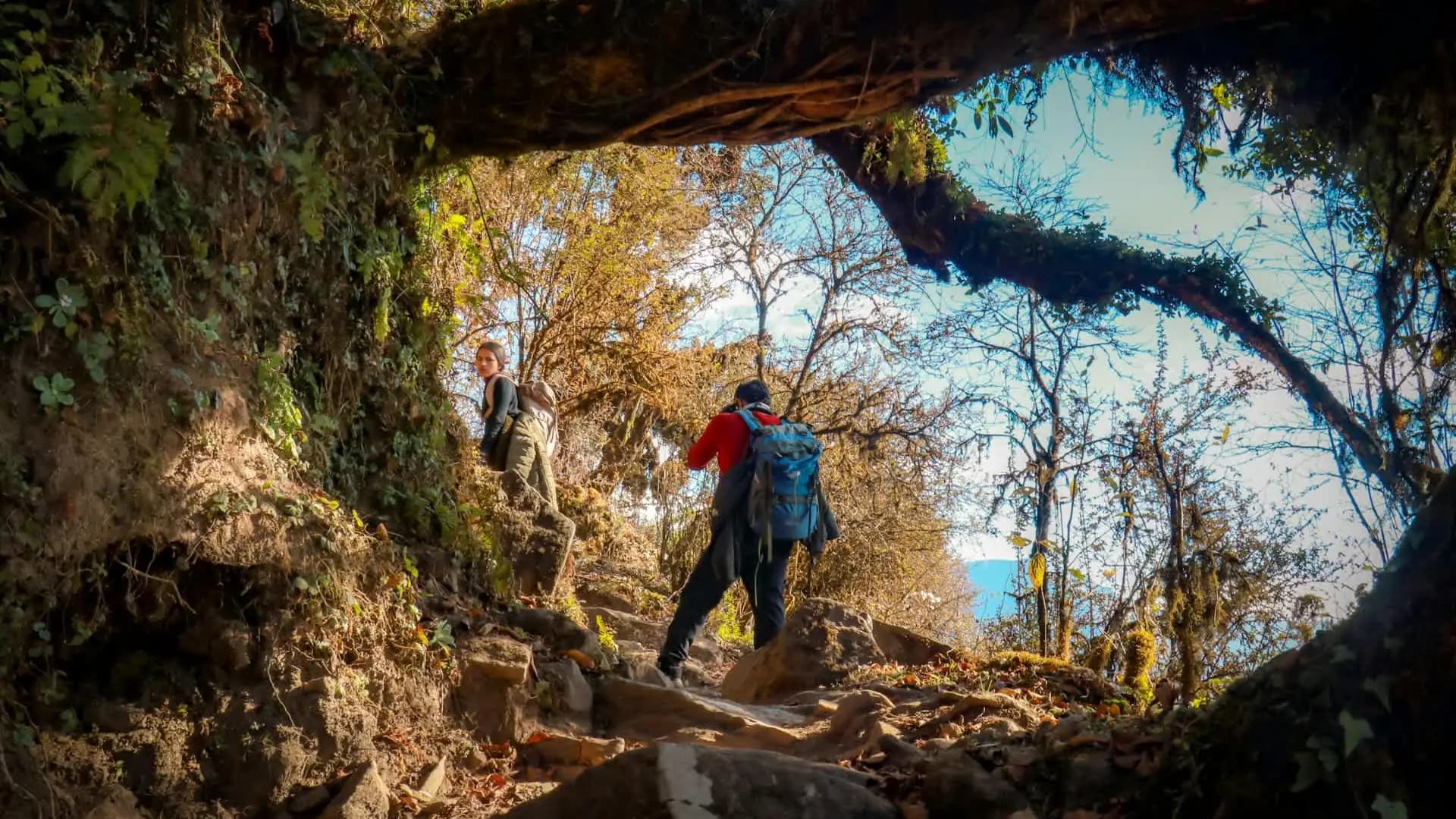
Mardi Himal Trek Cost: Complete Budget Guide 2026
Introduction to Mardi Himal Trek Cost
Every week at our office in Lakeside, Pokhara, a trekker walks in holding three printouts with three different numbers on them — $300 from one blog, $700 from another, $1,200 from a third — and asks us which one is real.
The honest answer is all of them can be, because "Mardi Himal Trek cost" isn't one number. It's a range built from a handful of fixed government fees, a few genuinely optional add-ons, and one variable that changes everything: whether you're trekking with a guide, which became mandatory across the Annapurna Conservation Area in April 2023.
We're Adventure Life Nepal, and we run this trek most weeks of the trekking season. This guide is built from what we actually pay our guides and porters, what teahouse owners on the Mardi trail actually charge, and what our clients actually spend — not a scraped average from ten other blogs. Where a cost varies by season, group size, or how far you push your comfort level, we've said so and given you the range, because pretending there's one magic number is exactly what makes trekkers overpay or, worse, underbudget and run short of cash three days from the nearest ATM.
By the end of this guide you'll know exactly what a 5-day Mardi Himal Trek costs at three different comfort levels, where every rupee goes, which "hidden" costs actually catch people out, and how to trim your budget without cutting corners that matter — like your guide, your insurance, or your acclimatization days.
Quick Answer: How Much Does the Mardi Himal Trek Cost in 2026?
If you want the number before the detail, here it is.
A standard 5-day, 4-night Mardi Himal Trek from Pokhara costs between $450 and $750 per person for a guided teahouse trek with a licensed guide, permits, transport, and three meals a day included. Budget-conscious group trekkers can bring that down to around $380–$450 by joining a fixed departure with 4 or more people. Trekkers who want a porter, private transport, and more comfortable lodges should plan for $750–$1,000. At the top end, a fully private, flight-inclusive, luxury-lodge version of the trek runs $1,200 and up.
There is no version of this trek — guided or not — that costs less than roughly $250–$300 per person once permits, food, and a place to sleep are accounted for. Anyone advertising a complete package under that figure is either cutting a corner you'll notice on the trail (usually the guide) or not pricing in something you'll be charged for later.
Trekking Style | 5-Day Cost (per person) | What Changes |
|---|---|---|
Budget group (4+ people) | $380–$450 | Shared jeep, basic teahouses, no porter, group guide rate |
Standard guided | $450–$750 | Licensed guide, private or shared transport, comfortable teahouses |
Guide + porter, upgraded comfort | $750–$1,000 | Porter included, better rooms, some private transport |
Private / luxury | $1,200+ | Private vehicle throughout, upgraded lodges, flexible pace, possible flight leg |
Solo trekkers pay more per person than trekkers in a group of four or more, because the guide's daily fee, the jeep to the trailhead, and sometimes the porter get split across the group rather than carried by one person. This single factor — group size — moves your final cost more than almost anything else in this guide.
Why the Mardi Himal Trek Cost Varies So Much
Before the breakdown, it's worth understanding the actual mechanics behind the range, because this is the part most cost guides skip.
Government fees are fixed and non-negotiable. Your ACAP permit costs the same NPR 3,000 whether you book with a five-star agency or arrange everything yourself. No agency can discount this, and no agency should be charging you more than the fee plus a small processing convenience.
Guide and porter rates are semi-fixed. The Trekking Agencies' Association of Nepal (TAAN) sets recommended daily rates, and most licensed guides and porters charge within a narrow band of that recommendation regardless of which agency you book through. What genuinely varies is how many days you're paying for — including the guide's transport days to and from the trailhead — and whether the fee already includes their food and lodging (it should).
Accommodation and food are where "budget" and "luxury" actually diverge. A basic teahouse room at Low Camp and an upgraded room with an attached bathroom at the same altitude can differ by $10–$15 a night, and a plate of dal bhat versus a Western-style pizza at High Camp can differ by $4–$6 a meal. Over five days, these small daily choices compound into a real difference in your total.
Transport is the biggest lever you control. The jump from a shared tourist bus and shared jeep to a fully private vehicle from Kathmandu to the trailhead and back can add $150–$300 to your trip on its own — more than double the cost of your guide.
Once you see the trek this way — fixed fees, semi-fixed staff costs, and variable comfort choices — the "$300 vs. $1,200" confusion stops looking like a scam and starts looking like what it actually is: two different trips on the same trail.
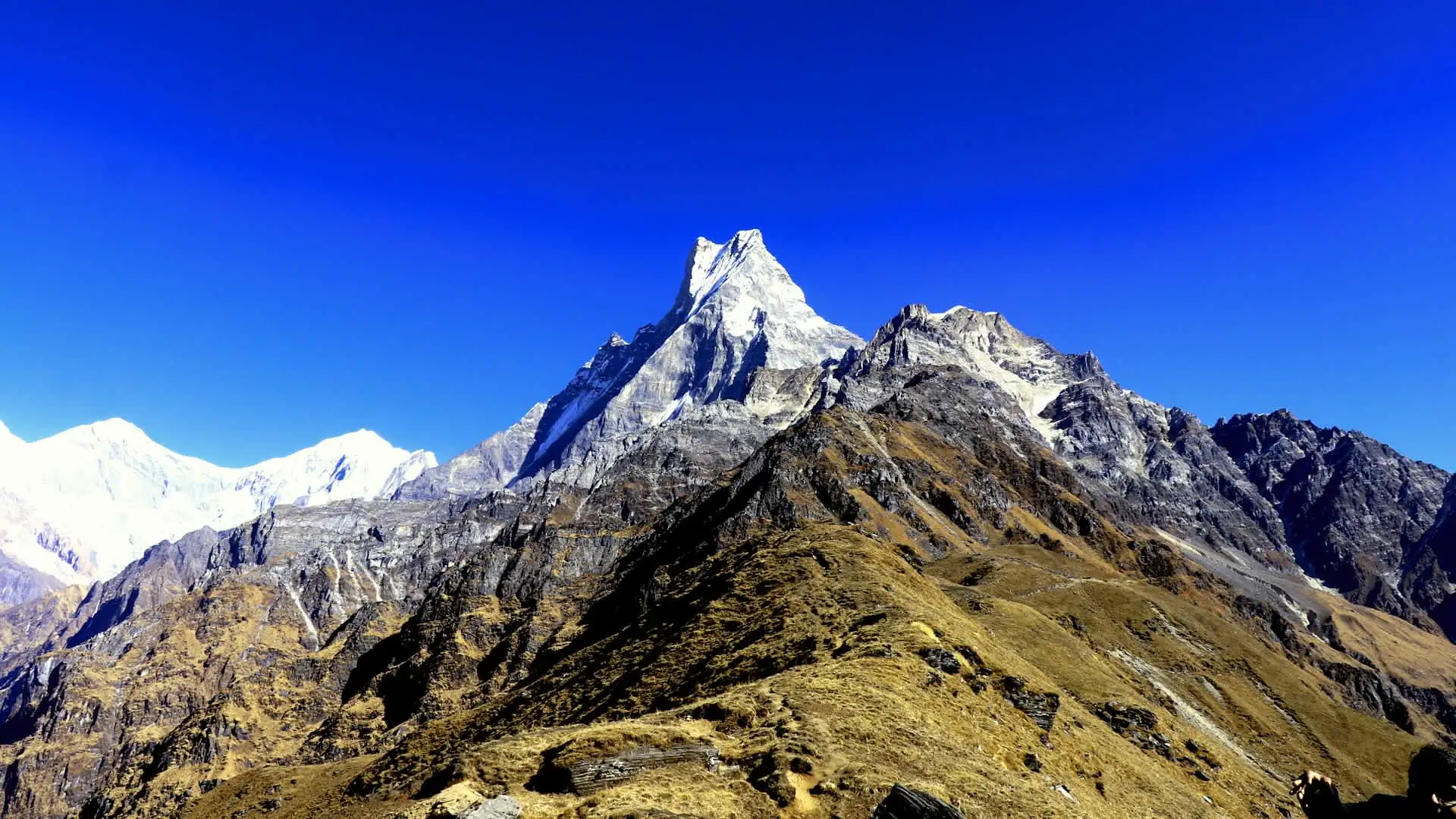
Mardi Himal Trek Permit Costs 2026 (ACAP, TIMS, and the Mandatory Guide Rule)
Every foreign trekker on the Mardi Himal trail needs to pass through the Annapurna Conservation Area, which means every foreign trekker needs the same permit, regardless of budget.
ACAP (Annapurna Conservation Area Permit)
The ACAP is the one document you cannot trek without. It's checked at the entry checkpoint near the trailhead and again at points along the route.
Category | ACAP Fee (2026) | Approx. USD |
|---|---|---|
Foreign nationals (non-SAARC) | NPR 3,000 | ~$22–25 |
SAARC nationals (India, Bangladesh, Sri Lanka, etc.) | NPR 1,000 | ~$7–8 |
Children under 10 | Free | $0 |
Nepali citizens | Free / nominal | $0 |
The ACAP fee funds conservation work and community development across the Annapurna region — the same permit covers Mardi Himal, Annapurna Base Camp, Poon Hill, and the Annapurna Circuit, so if you're combining routes on one trip, you don't pay twice.
TIMS Card (Trekkers' Information Management System)
The TIMS card costs NPR 2,000 for an individually-arranged foreign trekker, or a reduced group rate of roughly NPR 1,000 when issued through a registered trekking agency. Enforcement on standard Annapurna trails has been inconsistent through 2025 and into 2026 — some checkpoints ask for it, others don't — but every reputable agency still issues it as part of your package, because turning up without it at a checkpoint that does check is not a risk worth taking over a $15 card.
The Guide Requirement (This Is the Big 2026 Update)
Here's the change that most older cost articles haven't caught up with: since April 2023, independent, unguided trekking has been prohibited across the entire Annapurna Conservation Area, Mardi Himal included. You cannot legally walk this trail alone anymore, no matter how experienced you are or how well-marked you think the trail is. A licensed guide, booked through a registered Nepali trekking agency, is now a mandatory line item in your budget, not an optional upgrade.
This single rule change is why some 2023-era blog posts still quote $150–$200 "solo trek" budgets that are no longer legally achievable. Build your budget around a guide from the start.
Total permit cost for a foreign trekker in 2026: roughly $38–$40 (ACAP + TIMS combined), before you add the mandatory guide's daily fee.
Guide and Porter Costs on the Mardi Himal Trek
Since a guide is no longer optional, this is one of the largest and most predictable parts of your budget.
Staff | Daily Rate (USD) | What's Included | Recommended Daily Tip |
|---|---|---|---|
Licensed trekking guide | $25–$35 | Guide's own food, lodging, insurance, route knowledge, permit handling | $10–$15/day |
Porter (carries up to 20–25 kg) | $18–$25 | Usually shared between two trekkers | $8–$10/day |
Combined guide + porter | $50–$60/day total | Both services | $18–$25/day combined |
For a 5-day trek, that's $125–$175 for a guide alone, or $215–$300 with a porter added, before tips. A porter is genuinely optional on Mardi Himal — the trek is short enough that most fit trekkers manage their own 8–10kg daypack comfortably — but if you have knee issues, you're trekking in the monsoon shoulder season with heavier gear, or you simply want to enjoy the ridge walk without a pack on your back, it's a modest cost for a real improvement in the experience.
One detail almost no other guide mentions clearly: your guide's daily rate should already include their food and accommodation on the trail. If an operator quotes a suspiciously low guide fee and then tells you you're also expected to cover the guide's meals and room separately, you're not actually getting the rate you think you are — do the math on the total, not the headline number.
A note on tipping culture in Nepal. Tipping isn't legally required, but it is a genuine part of a trekking guide and porter's income, and it's expected on organized treks. Budget it as a real cost, not an afterthought — most trekkers tip as a group on the final night, pooling contributions into a shared envelope for the guide and porter team.
Accommodation Costs: What Teahouses on the Mardi Himal Trail Actually Charge
The Mardi Himal trail runs through a chain of small trekking lodges — locally called teahouses — spaced roughly 2–4 hours apart, each built specifically to serve trekkers rather than as a village stopover. There's no wild camping required and no need to carry a tent; every night on the standard route has a roof over it.
Stop (Altitude) | Basic Twin Room | Room with Attached Bathroom |
|---|---|---|
Deurali (~2,100m) | $3–$5 | $8–$10 |
Forest Camp / Kokar (~2,600m) | $4–$6 | $10–$12 |
Low Camp (~2,970m) | $5–$8 | $10–$15 |
High Camp (~3,580m) | $8–$12 | Rarely available |
Siding (return route, ~1,700m) | $3–$5 | $8–$10 |
If those numbers look almost too cheap for a room with a view of the Annapurna range, that's because they are — and there's a reason. Most teahouses on this trail run on what's known locally as the "bed for dal bhat" model: the room itself is priced low or occasionally offered free, and the lodge makes its actual income from selling you dinner and breakfast at that same teahouse.
This isn't a scam or a bait-and-switch; it's the standard, transparent economic model of Nepali teahouse trekking, and every guide and every teahouse owner on the trail operates the same way. Trekkers who try to game this by buying a cheap room and then eating elsewhere are rare, unwelcome, and usually charged a much higher room rate for doing it — which is fair, since the lodge is family-run and the margin has to come from somewhere.
Practically, this means your real accommodation cost isn't the room rate above — it's the combined room-and-meal cost you'll see in the next section. Budget for the room to be nearly incidental and the food to be where your money actually goes.
Food and Meal Costs on the Mardi Himal Trek
Food is the single most altitude-sensitive cost on this trek, and it's the one that surprises first-time trekkers most, because the same plate of noodles that costs $2.50 in Pokhara can cost $6 at High Camp — not because anyone's price-gouging you, but because every gas canister, every kilo of rice, and every vegetable at 3,580 meters was carried up on someone's back or a mule's saddle, often for six or more hours.
Meal Type | Lower Trail (Deurali–Forest Camp) | Upper Trail (Low Camp–High Camp) |
|---|---|---|
Dal bhat (rice, lentils, vegetables — usually with free refills) | $4–$6 | $7–$10 |
Noodle soup / fried noodles | $3–$4 | $5–$7 |
Breakfast (eggs, toast, porridge, pancakes) | $3–$5 | $5–$8 |
Black tea / milk tea | $0.50–$1 | $1–$2 |
Bottled water (1L) | $1–$1.50 | $2–$3.50 |
Hot lemon / ginger tea | $1–$1.50 | $2–$3 |
Snack bars / chocolate | $2–$4 | $3–$6 |
A realistic full-day food budget, covering breakfast, lunch, dinner, and a few hot drinks, runs $18–$25 per day at lower altitude and $25–$40 per day once you're above Low Camp. Over a 5-day trek, that puts total food spending somewhere between $100 and $160 per person — one of the largest line items in your budget after your guide and any flights.
Dal bhat remains the smartest budget choice on this trail for a reason beyond price: it's an unlimited, freshly cooked meal (most teahouses genuinely will refill your rice, lentils, and vegetables as many times as you want), it sits well at altitude, and it's what your guide and porter will usually eat, which keeps the whole group's pace and energy aligned.
Ordering pizza or a burger at High Camp isn't wrong, but understand you're paying a real premium for it — sometimes double the dal bhat price for a dish that, frankly, no one climbs to 3,580m to eat well.
Money-saving tip that actually works here: carry a modest stash of your own snack bars and electrolyte tablets from Pokhara, where they cost a third of the trail price, and save your trail-bought snacks for genuine emergencies or the days you need the extra calories most.
Transportation Costs: Getting to and from the Mardi Himal Trailhead
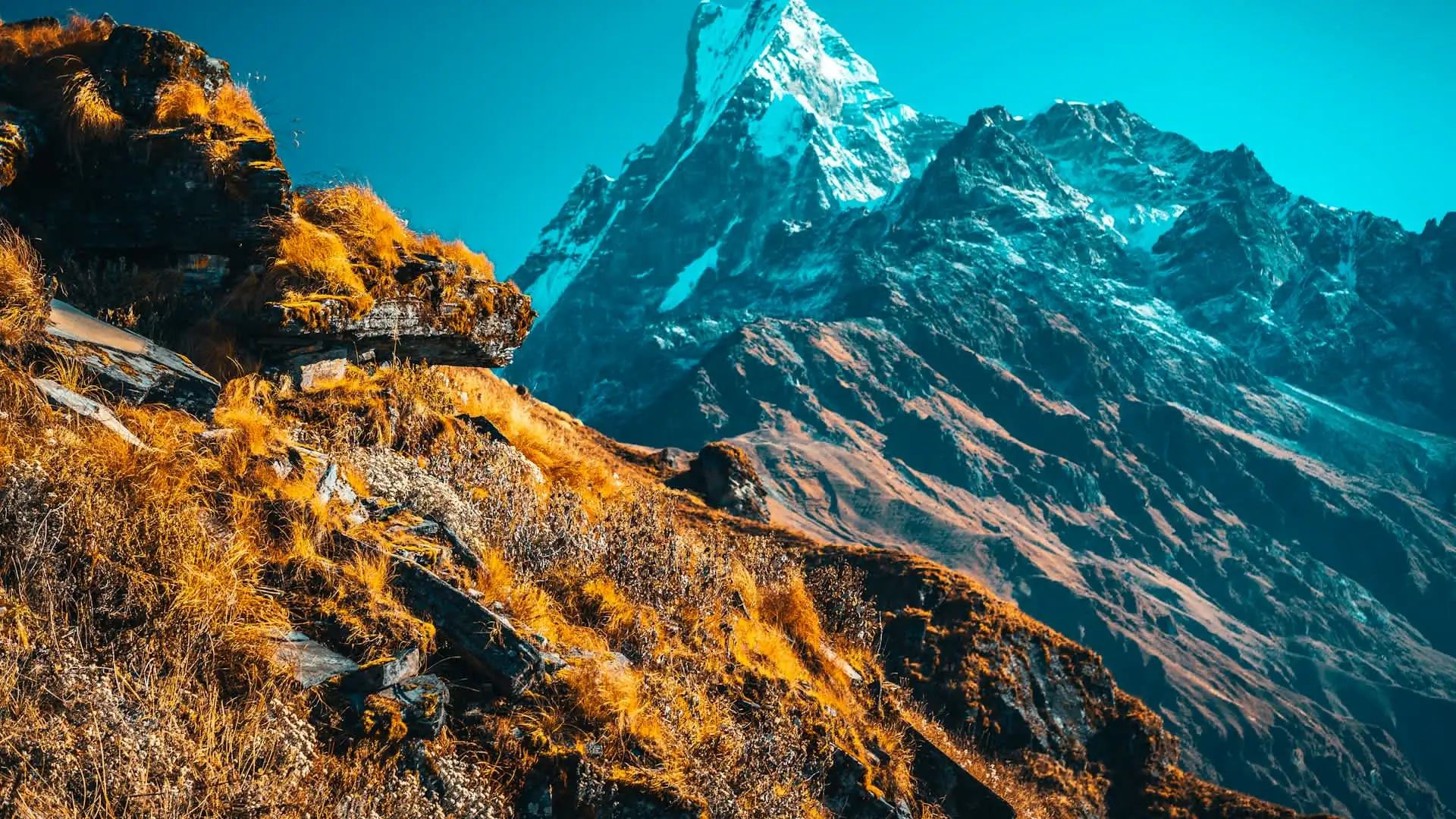
The Mardi Himal Trek starts and ends near Pokhara, so your transport budget has two distinct legs: getting yourself to Pokhara, and getting from Pokhara to the actual trailhead (Kande or Phedi, depending on your chosen route).
Kathmandu to Pokhara
Option | Duration | Cost (USD, one-way) |
|---|---|---|
Local bus | 7–9 hours | $5–$8 |
Tourist bus (deluxe/standard) | 6–8 hours | $10–$17 |
Tourist bus (VIP / Greenline luxury) | 6–7 hours | $18–$25 |
Private car or jeep | 5–7 hours | $120–$180 (whole vehicle, not per person) |
Domestic flight | 25–35 minutes | $75–$130 |
Most independent trekkers on a budget take the standard tourist bus, which is comfortable, scenic along the Trishuli and Marshyangdi river valleys, and cheap enough that the time saved by flying rarely justifies the four-to-five-times cost difference — unless your schedule is genuinely tight or you're trekking in the monsoon shoulder season, when road landslides can turn an 8-hour bus ride into considerably longer.
Pokhara to the Trailhead (Kande or Phedi) and Back
Option | Cost (USD, one-way, per person unless noted) |
|---|---|
Shared local jeep/bus to Kande or Phedi | $3–$6 |
Private jeep, whole vehicle | $25–$45 |
Return transport from Siding (trek end point) to Pokhara | $15–$25 shared, $50–$70 private |
Most guided packages bundle this leg into your overall price, using a shared jeep for groups and a private vehicle for solo or couple bookings — worth confirming with your operator, since it's an easy detail to overlook when comparing two quoted packages that look similar on the surface.
Total realistic transport budget (Kathmandu–Pokhara–trailhead–Pokhara–Kathmandu): roughly $40–$70 if you stick to tourist buses and shared jeeps, or $300–$450+ if you fly both legs and take private vehicles throughout.
Visa, Insurance, and Other Pre-Trek Costs
These costs apply to your Nepal trip as a whole, not the trek specifically, but they belong in any honest total budget because first-time visitors consistently forget to account for them.
Nepal Tourist Visa
Visa Duration | Fee (USD) |
|---|---|
15 days | $30 |
30 days | $50 |
90 days | $125 |
Most trekkers combining Mardi Himal with a few days of sightseeing in Kathmandu and Pokhara choose the 30-day visa. It's available on arrival at Tribhuvan International Airport, paid in cash (USD preferred) or by card, and takes roughly 20–45 minutes to process depending on the queue.
Travel Insurance
This is not a place to cut corners, and we say that as an operator, not just a cost guide. A quality policy for a trip that includes Mardi Himal's roughly 4,500m high point should cover:
Emergency medical treatment
Helicopter evacuation, specifically rated for altitudes up to at least 5,000–6,000m (many standard travel policies cap out at 3,000–4,000m, which won't cover you at High Camp or the Mardi viewpoint)
Trip interruption, in case weather or a health issue cuts your trek short
A realistic policy with proper high-altitude helicopter evacuation cover for a one-to-two-week Nepal trip costs $60–$120, sometimes calculated at roughly $3–$8 per day of coverage. A helicopter rescue without insurance can run into the thousands of dollars and is billed to you directly on the mountain — this is the one line item on this entire list where the cost of skipping it isn't a slightly worse trip, it's a potential financial catastrophe layered on top of a medical emergency.
Gear Rental (If You're Not Bringing Your Own)
Kathmandu's Thamel district and Pokhara's Lakeside both have rental shops catering specifically to trekkers.
Item | Rental Cost (per day) |
|---|---|
Sleeping bag (rated for sub-zero) | $1–$2 |
Down jacket | $1.50–$3 |
Trekking poles (pair) | $0.50–$1 |
Duffel bag | $1–$2 |
For a 5-day trek, renting a full basic kit — sleeping bag, jacket, and poles — typically costs $15–$25 total, a fraction of buying new gear if you're not planning further high-altitude trekking after this trip.
SIM Card and Connectivity
A local Nepali SIM (Ncell or NTC) with a data package costs $3–$6 in Kathmandu or Pokhara and gives you signal at most points on the lower trail, though coverage becomes patchy or absent above Low Camp. Teahouse Wi-Fi, where available, typically costs NPR 100–300 ($0.75–$2) per day, rising with altitude like everything else on this trail.
Cash, ATMs, and Currency Logistics on the Trail
One cost detail that trips up more first-time trekkers than almost anything else on this list has nothing to do with the price of a room or a plate of dal bhat — it's simply not having enough physical cash on hand when you need it.
There are no ATMs past Pokhara on the Mardi Himal route, and no teahouse on the trail accepts cards, mobile payment apps, or foreign currency directly. Every rupee you spend from the moment you leave Kande or Phedi until you're back in Pokhara has to already be in your pocket, in Nepali rupees, in reasonably small denominations — teahouse owners at Low Camp and High Camp genuinely cannot break a NPR 5,000 note for a NPR 350 pot of tea.
Withdraw or exchange your trekking cash in Pokhara before you leave, not in Kathmandu, since Pokhara's ATMs are the last reliable ones on your route and exchange counters there tend to offer marginally better rates than the airport.
A practical rule we give our own clients: work out your expected daily spend from the tables above, add a 20–25% buffer for extra hot drinks, snacks, hot showers, and Wi-Fi charges, then withdraw that full amount before you leave Pokhara. Running short of cash on Day 3 at High Camp isn't a minor inconvenience — the nearest working ATM is a full day's walk and a jeep ride away.
If you're trekking with a guide through an agency, most guides carry a modest float for genuine emergencies, but this is a courtesy, not a service you should plan to rely on. Budget your own cash properly and you'll never need to find out how that conversation goes.
Altitude Sickness, Acclimatization, and the Cost of Getting It Wrong
Mardi Himal's viewpoint sits close to 4,500 meters, which is genuinely high enough to trigger altitude sickness in unprepared or unlucky trekkers, even on a trek widely (and fairly) marketed as "moderate" and "beginner-friendly." This matters for your budget in a way that's easy to overlook while you're comparing package prices.
A well-planned itinerary already builds in a sensible ascent rate — the standard 5-day route gains altitude gradually enough that most fit trekkers acclimatize without serious issue, which is exactly why we and most reputable agencies don't recommend compressing this trek into 3 or 4 days purely to save a night's accommodation and food. That saving, typically $30–$50, is a poor trade against the far higher chance of altitude symptoms severe enough to force a descent, a missed viewpoint morning, or in a genuine worst case, a costly evacuation.
If symptoms do appear — headache, nausea, disturbed sleep, unusual fatigue beyond normal trekking tiredness — the correct response is always to stop ascending, and if needed, descend, not to push through to save a day on the schedule. A licensed guide is trained to recognize these signs early and make that call for the group, which is one more reason the mandatory guide requirement, while it adds cost, is a genuine safety improvement over the old independent-trekking model rather than just a new expense.
This is also where your travel insurance stops being a line item and starts being the thing standing between a bad morning and a bill running into the thousands of dollars for a helicopter evacuation. We mentioned it above, but it bears repeating here specifically: don't buy the cheapest policy available, buy the one that actually covers your altitude.
Extending Your Trip: Combining Mardi Himal with Poon Hill or Sarangkot
Because Mardi Himal is short enough to fit inside a wider Nepal itinerary without dominating it, a genuine number of our clients ask about combining it with something else on the same trip — and it's worth pricing out, since the marginal cost of extending is usually lower than booking a second trip separately.
Adding a 2-day Poon Hill extension onto the end of your Mardi Himal itinerary — a popular combination since both trailheads sit within a short drive of Pokhara — typically adds $120–$180 to your total cost, covering an extra two nights of teahouse accommodation, food, and your guide's continued daily rate, since permits and much of the transport logistics are already sorted.
A simpler and genuinely worthwhile low-cost add-on is a half-day trip to Sarangkot for sunrise over the Annapurna range before or after your trek, which costs $15–$30 for a shared taxi and entry, or can often be arranged as a free-standing walk from Lakeside if you have the legs for it after five days on the trail.
If your schedule allows it, extending rather than booking two separate short trips is usually the better financial move — you avoid paying for a second guide-hire minimum, a second round of Kathmandu–Pokhara transport, and a second visa-adjacent planning cycle, and your body is already acclimatized to altitude, which makes the extension noticeably easier than starting cold.
Packing List: What to Buy, What to Rent, and What to Bring From Home
Gear decisions are a genuine, controllable cost lever on this trek, and getting them right avoids both overspending on gear you'll use once and underspending on the handful of items where a cheap version genuinely fails at altitude.
Bring from home if you already own it: a good pair of broken-in hiking boots, moisture-wicking base layers, a headlamp, a basic first-aid kit, and sunglasses rated for high-UV altitude conditions. These are items where fit and familiarity matter more than novelty, and where a rental version rarely serves you as well as your own gear.
Rent in Kathmandu or Pokhara if you don't trek often: a sub-zero-rated sleeping bag, a down jacket, and trekking poles. Renting this trio for a 5-day trek costs roughly $15–$25 total, a fraction of the $150–$300 it would cost to buy equivalent new gear you may not use again for years.
Buy new regardless of how often you trek: thermal base layers if you don't already own any suited to sub-zero nights, and a proper set of liner-plus-wool sock combinations — these are inexpensive ($15–$30 total in Kathmandu or Pokhara's trekking gear shops) and not the kind of item most trekkers want to rent for hygiene reasons.
Skip entirely for this specific trek: technical climbing gear, a four-season expedition tent, and a full base-camp-style medical kit. Mardi Himal is a teahouse trek with no technical sections and no camping requirement on the standard route — packages or gear lists that push you toward expedition-grade equipment for this particular trail are usually upselling rather than genuinely necessary.
Total realistic gear budget, mixing rentals with a handful of new essentials, runs $40–$80 for a trekker who doesn't already own cold-weather hiking gear, or close to $0 for someone arriving with a functional existing kit from previous trips.
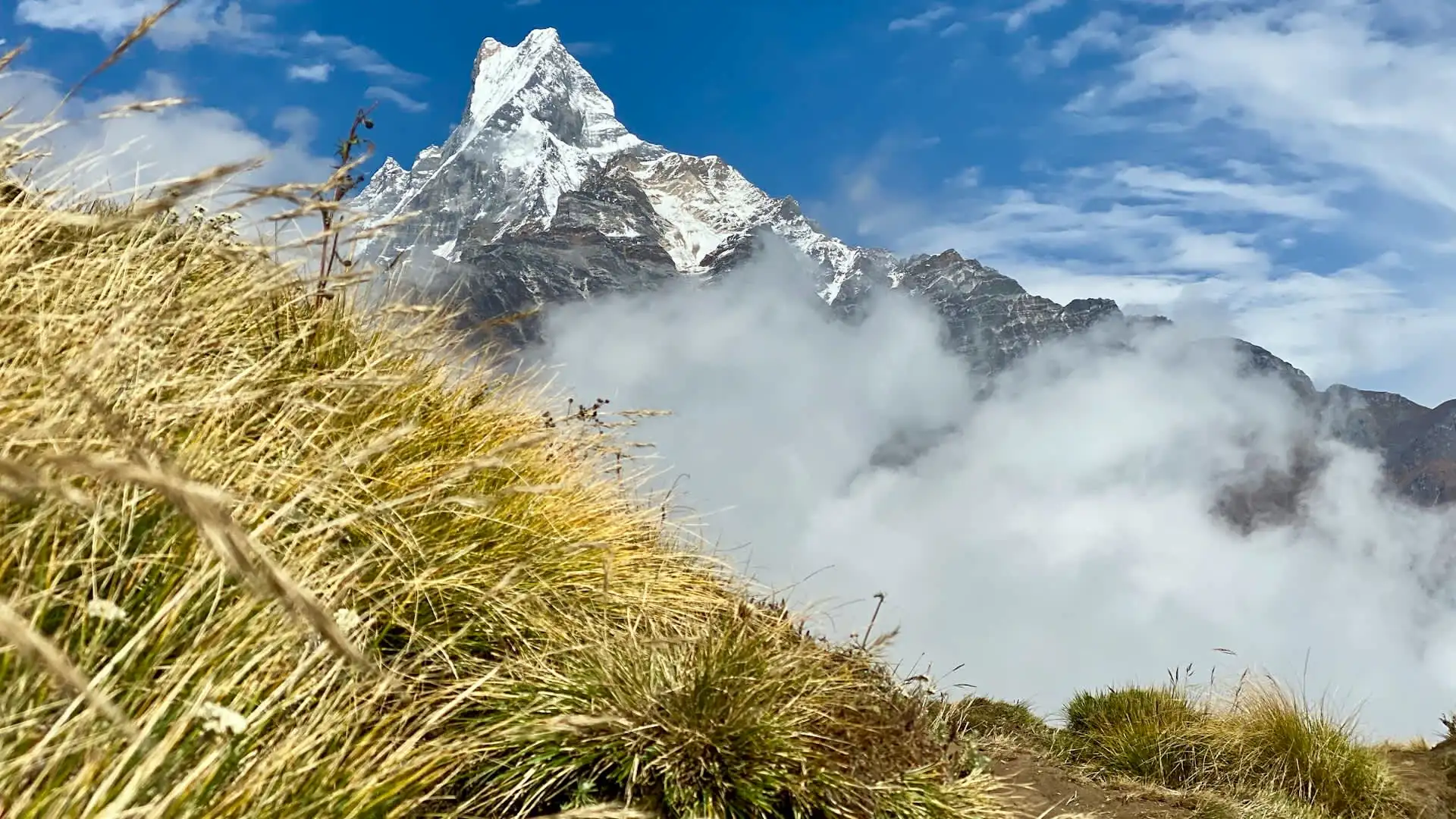
Day-by-Day Mardi Himal Trek Cost Breakdown
Numbers are easier to trust when you can see exactly where they come from. Here's a realistic, itemized cost picture for a standard 5-day, 4-night guided trek from Pokhara, for a solo trekker in a small group with a shared guide.
Day | Route | Room | Food | Guide Share | Daily Total (approx.) |
|---|---|---|---|---|---|
Day 1 | Pokhara → Kande → Forest Camp | $4–$6 | $20–$25 | $25–$35 | $50–$65 |
Day 2 | Forest Camp → Low Camp | $5–$8 | $22–$28 | (included above) | $28–$35 |
Day 3 | Low Camp → High Camp | $8–$12 | $25–$35 | (included above) | $33–$45 |
Day 4 | High Camp → Mardi Viewpoint → Low Camp | $5–$8 | $28–$35 | (included above) | $33–$45 |
Day 5 | Low Camp → Siding → Pokhara | — | $15–$20 | — | $15–$20 (plus return transport $15–$25) |
Add the fixed costs — permits (~$38), transport into and out of Pokhara ($40–$70), and any tips — and you land squarely inside the $450–$750 standard range quoted earlier.
This day-by-day view also shows you exactly why Day 3 and Day 4, at High Camp, are the most expensive days of the trek: you're at the point on the trail furthest from any road, where every plate of food has traveled the longest distance on someone's back.
Sample Full Budgets: Three Ways to Do the Mardi Himal Trek
Budget Tier: $380–$450 (Group Departure, No Porter)
ACAP + TIMS: $38
Guide (shared group rate): $100–$130
Kathmandu–Pokhara tourist bus (return): $30–$40
Pokhara–trailhead shared jeep (return): $15–$20
Accommodation (4 nights, basic rooms): $25–$35
Food (5 days, dal bhat-focused): $100–$120
Tips: $30–$40
Miscellaneous (water, snacks, Wi-Fi): $20–$30
This tier suits trekkers joining a fixed-departure group trek, comfortable with basic teahouse rooms and a dal bhat-heavy diet, who don't need a porter.
Standard Tier: $500–$700 (Most Popular Choice)
ACAP + TIMS: $38
Guide (private or small group): $150–$175
Porter (optional, often shared): $100–$125
Kathmandu–Pokhara tourist bus (return): $30–$45
Pokhara–trailhead transport (semi-private): $30–$50
Accommodation (upgraded rooms where available): $40–$60
Food (mixed dal bhat and Western options): $130–$160
Tips: $40–$55
Miscellaneous: $30–$40
This is the range most trekkers booking through an established Pokhara-based agency land in, and it's the one we'd recommend budgeting toward if you want a genuinely comfortable, well-supported trek without paying for extras you won't use.
Premium Tier: $1,000–$1,500 (Private, Flight-Inclusive, Upgraded Comfort)
ACAP + TIMS: $38
Private guide: $175–$200
Dedicated porter: $125–$150
Kathmandu–Pokhara return flight: $150–$260
Private jeep to trailhead and back: $80–$140
Best available rooms at each stop: $80–$120
Food (full menu access, no restriction): $180–$220
Higher tips (private service): $80–$100
Extra pre/post-trek hotel nights in Pokhara: $100–$200
Insurance and gear: $80–$150
This tier suits trekkers with limited time who want to fly rather than take a road transfer, plus a fully private itinerary that can flex around weather, fitness, or a slower acclimatization pace.
How Group Size Actually Moves Your Price (With Real Numbers)
We mentioned earlier that group size is the single biggest lever on your final cost, and it's worth showing exactly why with real math instead of just asserting it, because the effect is larger than most trekkers expect.
Assume a guide costs $150 for the trek and a shared jeep to the trailhead costs $150 for the vehicle regardless of how many people are in it. Here's what happens to your per-person share of just those two costs as group size changes:
Group Size | Guide Cost (per person) | Jeep Cost (per person) | Combined Savings vs. Solo |
|---|---|---|---|
1 (solo) | $150 | $150 | — |
2 | $75 | $75 | $150 saved per person |
4 | $37.50 | $37.50 | $225 saved per person |
6 | $25 | $25 | $250 saved per person |
Notice that the jump from solo to a pair already cuts these two costs in half, but the marginal saving from 4 to 6 people is much smaller — most of the real benefit of group trekking is captured by the time you have three or four people, which is exactly why fixed-departure group treks with 4–8 spots tend to hit the sweet spot of genuinely lower pricing without the scheduling headache of coordinating a large private group yourself.
If you're trekking solo and cost is a real constraint, the single most effective thing you can do isn't cutting your guide, your insurance, or your food quality — it's joining an existing fixed-departure date rather than booking a private solo trip, which typically saves $150–$250 for close to zero change in the actual trekking experience.
Where Your Money Actually Goes (And Why That Matters)
It's worth stepping back from the line-item math for a moment, because understanding where a Mardi Himal Trek payment actually ends up changes how a lot of trekkers think about the "cost" of this trip in the first place.
Your guide and porter fees go directly to two local families, in a region where trekking tourism is one of the primary sources of household income. Your teahouse payments go to lodge owners — almost always local families who built and maintain these small properties themselves, often across multiple generations, and who carry every sack of rice and gas canister up the trail by mule or by hand.
Your ACAP permit fee funds conservation and community development work across the wider Annapurna Conservation Area, including trail maintenance, reforestation, and local infrastructure that benefits villages well beyond the trekking route itself.
None of this changes the number in your budget, but it's a genuinely different way to look at the gap between a $380 trek and a $750 one: it isn't simply "cheaper" versus "more expensive," it's a difference in how much of your trip supports the guide, porter, and teahouse economy that makes trekking in this region possible at all. We say this as an operator with an obvious stake in the answer, so take it for what it's worth — but it's also just true, and worth knowing before you push too hard for the absolute floor price on a trek like this.
Mardi Himal Trek Cost vs. Other Popular Nepal Treks
Trekkers researching Mardi Himal are almost always comparing it against two or three alternatives. Here's how the economics actually stack up.
Trek | Typical Duration | Max Altitude | Typical Guided Cost (USD) | Crowd Level |
|---|---|---|---|---|
Poon Hill | 4–5 days | ~3,210m | $300–$450 | Very high |
Mardi Himal | 5 days | ~4,500m | $450–$750 | Low–moderate |
Annapurna Base Camp | 7–12 days | ~4,130m | $700–$1,100 | High |
Annapurna Circuit | 12–18 days | ~5,416m (Thorong La) | $900–$1,400 | Moderate |
Everest Base Camp | 12–14 days | ~5,364m | $1,200–$1,800+ | Very high |
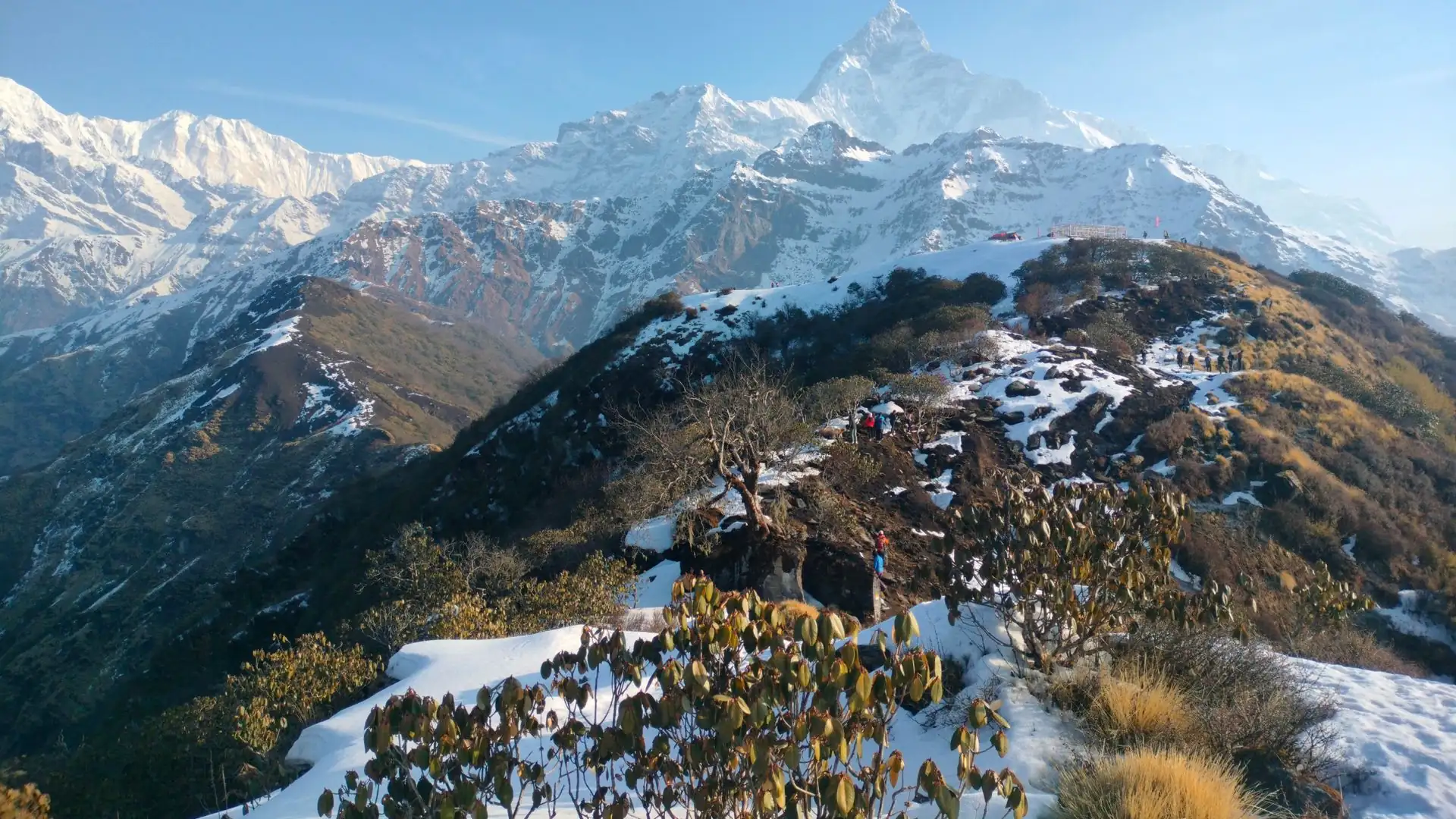
Mardi Himal's real value proposition isn't just that it's cheap — Poon Hill is cheaper — it's that it delivers a genuinely high-altitude, ridge-walking experience with close-up Machhapuchhre (Fishtail) and Annapurna South views, at roughly half the cost and half the trail traffic of Annapurna Base Camp, in a third of the time commitment of Everest Base Camp.
If your two-week Nepal trip needs to fit sightseeing, a Chitwan safari, or simply a limited number of vacation days alongside a serious mountain trek, Mardi Himal is often the trek that actually fits the rest of your itinerary.
Best Season and How It Affects Your Budget
Season changes more than the weather on Mardi Himal — it changes your costs too.
Autumn (late September–November) is peak season: clear skies, the best mountain visibility of the year, and the highest teahouse and transport prices, since demand is at its annual high. Book guides and rooms in advance if you're trekking in October or early November.
Spring (March–May) runs a close second for popularity, with rhododendron forests in bloom on the lower trail and generally stable weather. Pricing sits close to autumn levels.
Winter (December–February) brings genuinely lower prices — fewer trekkers means teahouse owners and some guides are more open to negotiation — but also snow at High Camp, colder nights, and a real chance the final push to the viewpoint gets weather-cancelled. Budget for the savings, but also budget flexibility into your schedule.
Monsoon (June–August) is the cheapest season by a clear margin, sometimes 15–25% below peak pricing, but it comes with leeches on the lower forested sections, obscured mountain views, and a higher chance of road delays between Kathmandu and Pokhara. Most agencies, ours included, are honest that this isn't the season to choose if mountain views are the point of your trip.
How to Save Money on the Mardi Himal Trek (Without Cutting the Wrong Corners)
Trek in a group. This is the single biggest lever. A guide and, if you're using one, a porter, cost roughly the same whether they're supporting one trekker or four — split across a group of four, that fixed cost drops to a quarter per person. Joining a fixed departure date rather than booking a fully private trip is the easiest way to access this saving without organizing a group yourself.
Choose the tourist bus over flying between Kathmandu and Pokhara. The time saved by flying rarely justifies a cost difference that can exceed $100 each way.
Eat dal bhat. It's not a compromise; it's what most experienced trekkers actually prefer at altitude, and it's the cheapest complete meal on the trail by a wide margin.
Bring your own snacks and a refillable water bottle with purification tablets or a filter. Bottled water at High Camp can cost more per liter than it does in most Western supermarkets — a $15 filter or a strip of purification tablets pays for itself within two days.
Skip the porter if you're genuinely fit and traveling light. A 5-day trek with a light daypack is manageable for most reasonably fit trekkers without a porter — save that cost for a longer trek where it matters more.
Don't skimp on your guide or your insurance. These are the two costs on this entire list that exist specifically to protect you, not to add comfort. Cutting either to save $50–$100 is the one budget decision on this trail that can genuinely go wrong.
What's Actually Included in an Agency Package (And What to Ask About)
When you're comparing quotes between agencies, the number on the page means very little until you know what it actually covers. Before booking with any operator, ask specifically:
Does the guide fee include the guide's own food and accommodation, or is that billed separately on the trail?
Is the porter shared between how many trekkers, and what's the maximum weight covered?
Which transport legs are private and which are shared or public?
Are ACAP and TIMS fees included in the quoted price, or added afterward?
What happens, cost-wise, if bad weather adds an extra night at High Camp?
A trustworthy operator will answer all five of these clearly and in writing before you pay a deposit. If a quote seems unusually low compared to everything in this guide, one of these five items is almost always where the gap is hiding.
Frequently Asked Questions About Mardi Himal Trek Cost
1. How much does the Mardi Himal Trek cost in total for 2026? A standard 5-day guided trek from Pokhara costs $450–$750 per person for most trekkers, with budget group departures reaching as low as $380–$450 and premium private trips running $1,000–$1,500.
2. Is Mardi Himal cheaper than Annapurna Base Camp? Yes, significantly. Mardi Himal typically costs 30–40% less than Annapurna Base Camp, largely because it takes 5 days instead of 7–12, meaning fewer nights of accommodation, food, and guide fees.
3. Can I still trek Mardi Himal without a guide to save money? No. Since April 2023, a licensed guide has been mandatory for all foreign trekkers across the entire Annapurna Conservation Area, including Mardi Himal. Independent solo trekking here is no longer legally permitted, regardless of experience level.
4. How much does the ACAP permit cost? NPR 3,000 (roughly $22–25) for non-SAARC foreign nationals, NPR 1,000 for SAARC nationals, and free for children under 10.
5. Do I still need a TIMS card in 2026? Most agencies still issue one as part of your package (around NPR 2,000 for individuals, less through a group booking), even though on-trail enforcement has been inconsistent. It's inexpensive enough that skipping it isn't worth the risk if a checkpoint does ask.
6. How much should I budget per day for food on the trail? Plan for $18–$25 per day on the lower trail (Deurali to Forest Camp) and $25–$40 per day once you're above Low Camp, where every ingredient has to be carried up by porter or mule.
7. How much does a guide cost, and is it worth it beyond being mandatory? A licensed guide costs $25–$35 per day. Beyond the legal requirement, guides know exactly which teahouse has hot water on a given night, can read weather changes on the ridge before they hit you, and speak enough of the local dialect to smooth over anything from a room mix-up to a medical concern.
8. Do I need a porter for a 5-day trek? Not necessarily. Mardi Himal's short duration and moderate daily distances mean most reasonably fit trekkers manage their own daypack. A porter ($18–$25/day, usually shared between two people) is worth adding if you have joint issues, are traveling with heavier camera or camping gear, or simply want a lighter, more enjoyable walk.
9. How much does accommodation cost on the trail? Basic teahouse rooms range from $3–$12 per night depending on altitude, but most lodges operate on a "bed for dal bhat" model where the room is priced low because the lodge's real income comes from the meals you buy there.
10. What's the cheapest possible way to do this trek? Join a fixed-departure group trek (splitting the mandatory guide cost across 4+ people), take tourist buses instead of flying, stick to dal bhat, skip the porter if you're fit enough, and trek in winter or the monsoon shoulder season for lower demand pricing. Realistic floor: around $350–$400.
11. Is travel insurance really necessary, and how much does it cost? Yes — this is the one cost on this list we'd never recommend skipping. A policy with helicopter evacuation cover rated for at least 5,000m costs roughly $60–$120 for a one-to-two-week trip. Without it, an emergency evacuation from High Camp can cost several thousand dollars, billed directly to you.
12. How much extra does it cost to fly instead of bus between Kathmandu and Pokhara? A domestic flight runs $75–$130 one-way versus $10–$25 for a tourist bus — roughly $100–$200 more each way, mainly worth it if your schedule is tight or you're avoiding monsoon-season road delays.
13. Does the Mardi Himal Trek cost more or less than Poon Hill? More, but not dramatically — expect to pay $100–$200 above a typical Poon Hill package for a trek that reaches nearly 1,300 meters higher, with genuinely fewer other trekkers on the trail and closer mountain views.
14. What hidden costs catch first-time trekkers off guard? The most commonly missed items are travel insurance, the visa fee, Wi-Fi and hot shower charges that increase with altitude, tips for guide and porter, and the cost jump for food and rooms once you're above Low Camp. None of these are hidden on purpose — they're simply easy to forget when you're only budgeting around the headline package price.
Common Cost Mistakes We See First-Time Trekkers Make
After years of running this trek, the budgeting mistakes tend to repeat themselves, and most of them are easy to avoid once you know to look for them.
Booking the cheapest quoted package without asking what it excludes. As covered above, an unusually low headline price almost always means something — commonly the guide's on-trail food, or the permit fees — has been left out and will be billed separately once you're already committed.
Underestimating food costs at High Camp. Trekkers who budget based on Pokhara restaurant prices and don't adjust for altitude routinely run short of trail cash by Day 3 or 4, precisely when they're furthest from an ATM.
Treating travel insurance as optional because "nothing will go wrong." Most trekkers who skip it are fine. The ones who aren't are the reason this section exists, and the cost of the policy is small enough relative to the trip that skipping it to save $80–$120 rarely makes financial sense even in pure risk terms.
Assuming a shorter itinerary is automatically cheaper. A rushed 3-day version of this trek can end up costing more per day than the standard 5-day route, because you're paying for a private, faster vehicle transfer and a guide willing to push a compressed schedule, while also increasing your acclimatization risk for no real financial benefit.
Forgetting the visa fee is separate from the trek package. Every agency quote covers the trek itself, not your entry into the country — build the $50 standard visa fee into your overall Nepal budget, not your trekking budget specifically, so it doesn't come as a surprise at the immigration counter.
Planning Your Trek
The Mardi Himal Trek earns its reputation as one of Nepal's best-value high-altitude treks honestly — a genuine ridge walk to nearly 4,500 meters, Machhapuchhre close enough to feel within reach, and a fraction of the crowds and cost of its more famous neighbors. The number you land on depends entirely on the choices in this guide: group size, transport, comfort level, and how much of the trail's food menu you explore beyond dal bhat.
If you'd like a firm, itemized quote built around your exact dates, group size, and comfort preferences, our team at Adventure Life Nepal puts together honest, fully-inclusive Mardi Himal packages from Pokhara — no guide-fee surprises, no permit add-ons after the fact, and a route plan built around proper acclimatization rather than the fastest possible descent.