Annapurna Circuit Trek Packing List: Complete 2026 Guide
Introduction to Annapurna Circuit Trek Packing List
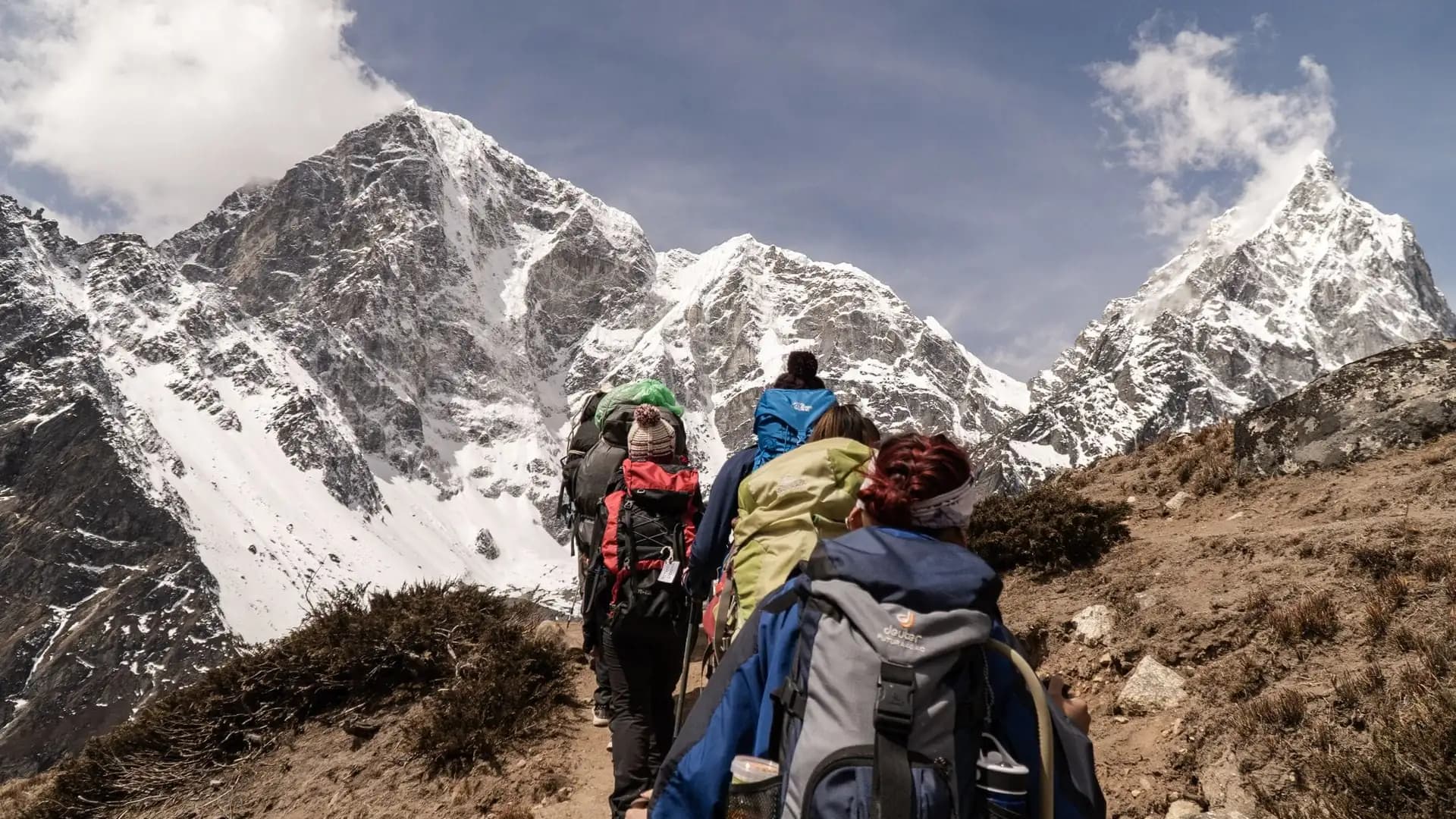
Packing for the Annapurna Circuit means preparing for one of the widest temperature and terrain ranges of any trek in Nepal — from warm, humid lower valleys near Besisahar to well-below-freezing conditions at Thorong La Pass (5,416 m), all within a single 12-to-20-day trip.
Getting the packing list right isn't about bringing everything possible; it's about building a genuine layering system, choosing the right footwear, and understanding what's actually available to buy or rent along the way versus what you need to bring from home.
This guide breaks the packing list down category by category, with weight considerations, porter logistics, and the specific gear this trek's altitude and duration genuinely demand.
Annapurna Circuit packing list at a glance
Category | Key items | Priority |
|---|---|---|
Layering system | Base, mid, and outer layers | Essential |
Footwear | Broken-in trekking boots, camp shoes, wool socks | Essential |
Cold-weather specific | Down jacket, warm hat, gloves, buff | Essential |
Sleep gear | Sleeping bag rated to -15°C to -20°C or liner | Essential |
Sun protection | Sunglasses, sunscreen, sun hat | Essential |
Trekking gear | Trekking poles, headlamp, daypack | Essential |
Health/hygiene | First-aid kit, water purification, personal meds | Essential |
Documents | Passport, permits, insurance, cash | Essential |
Electronics | Power bank, universal adapter | Recommended |
Comfort extras | Earplugs, trekking towel, snacks | Recommended |
Why This Trek's Packing List Is Different From a Shorter Trek
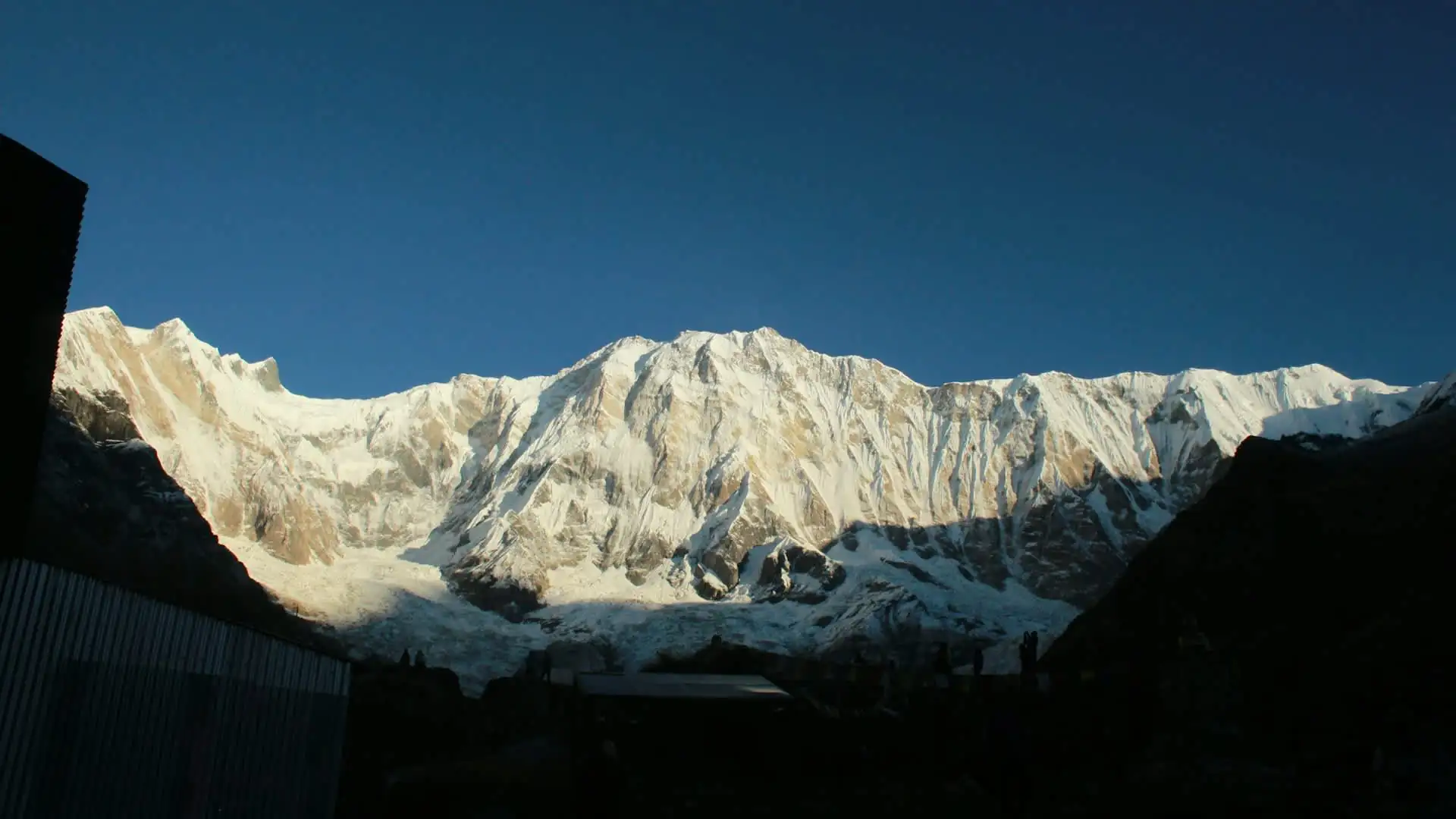
Before diving into the itemized list, it's worth understanding the specific demands driving these choices. The Annapurna Circuit spans a genuinely extreme range within one continuous trip: Besisahar sits at roughly 760 meters, subtropical and often humid; Thorong La sits at 5,416 meters, where pre-dawn crossing-day temperatures regularly drop well below freezing even in the main trekking seasons.
That's a temperature and altitude swing most trekkers have never packed for in a single trip, and it's the reason layering — rather than any single "right" jacket — is the organizing principle behind everything on this list.
The trek's length (12 to 20 days) also matters for packing decisions in ways a shorter trek doesn't: laundry becomes a genuine consideration, gear durability matters more, and weight becomes a real constraint given porter weight limits and the amount of walking involved carrying whatever you keep in your own daypack.
Understanding Weight Limits Before You Pack
Most guided Annapurna Circuit itineraries include porter support, either dedicated or shared between two trekkers, and understanding the weight limits involved shapes what actually goes in your main duffel bag versus your daypack.
Weight consideration | Typical limit |
|---|---|
Porter-carried duffel (per trekker, when porter shared between two) | Roughly 10–12 kg (22–26 lbs) per person's share |
Porter-carried duffel (dedicated porter per trekker) | Up to 15–20 kg (33–44 lbs), confirm with your agency |
Domestic flight checked baggage (Kathmandu–Pokhara) | Varies by airline; confirm current limits with your agency before departure |
Your own daypack (carried by you) | 5–8 kg (11–18 lbs) |
Practical tip: Confirm your specific porter weight allowance directly with your trekking agency before finalizing your packing list — Adventure Life Nepal and other registered operators specify exact limits based on group size and porter arrangements, and packing to that confirmed number avoids an uncomfortable last-minute repack at the trailhead.
The Layering System: The Core Packing Principle
Rather than thinking about individual items, think about three layers that work together and can be added or removed as elevation and temperature change throughout the day.
Base layer (next to skin)
Item | Notes |
|---|---|
2–3 lightweight thermal tops | Merino wool or synthetic moisture-wicking material |
2–3 lightweight thermal bottoms | Same material considerations as tops |
4–6 pairs underwear | Quick-drying synthetic or merino recommended |
1–2 sports bras (if applicable) | Moisture-wicking material |
Merino wool is generally preferred over cotton for base layers on multi-day treks specifically because it manages moisture and odor better over repeated wear between laundry opportunities — cotton retains moisture and takes far longer to dry, which becomes a genuine problem on a 12-to-20-day trek with limited laundry access.
Mid layer (insulation)
Item | Notes |
|---|---|
Fleece jacket or pullover | Core insulating layer for moderate cold |
Lightweight synthetic or down insulated jacket | Additional insulation layer, packable |
2–3 long-sleeve trekking shirts | For daytime wear at moderate altitude |
1–2 pairs of trekking trousers (convertible/zip-off useful) | Quick-drying, breathable material |
Outer layer (wind and weather protection)
Item | Notes |
|---|---|
Waterproof, breathable rain jacket/shell | Essential regardless of season |
Waterproof rain pants/shell trousers | Especially important in spring and monsoon-adjacent shoulder periods |
Windproof layer (if not combined with rain shell) | Critical for exposed, high-altitude sections |
Cold-weather specific items (essential, not optional)
Item | Why it's essential |
|---|---|
Down jacket (genuine cold-weather rated) | Pre-dawn temperatures at Thorong La regularly drop well below freezing |
Warm insulated gloves | Extremities are most vulnerable to cold on crossing day |
Liner gloves (thin, worn under insulated gloves) | Allow dexterity for photos/gear adjustments without fully exposing hands |
Warm hat/beanie | Significant heat loss occurs through the head at altitude |
Buff or neck gaiter | Versatile for wind, dust, and sun protection |
Balaclava (optional, useful for crossing day) | Extra protection for exposed skin during the pre-dawn pass crossing |
Footwear: The Single Most Important Category
Given the Circuit's length, varied terrain, and the genuinely demanding descent from Thorong La to Muktinath (over 1,600 meters of elevation loss in a single afternoon), footwear deserves more attention than any other packing category.
Item | Details |
|---|---|
Trekking boots (broken in, ankle support) | Primary footwear for all trekking days — must be broken in well before departure |
Wool hiking socks (4–6 pairs) | Moisture management and blister prevention; bring extras given trek length |
Liner socks (optional, 2–3 pairs) | Additional blister prevention worn under main hiking socks |
Camp shoes or sandals | Comfort at teahouses in the evening, allows boots and feet to air out |
Gaiters | Useful in winter/early spring for snow, and generally for dust protection |
Why broken-in boots matter so much on this specific trek: New, unbroken boots are one of the most common and entirely preventable causes of blisters and foot pain severe enough to genuinely disrupt a multi-week trek.
Given the Circuit's considerable total distance and the demanding stone stairway and steep descent sections, properly broken-in footwear matters more here than on a shorter trek where foot issues have less time to compound. Boots should be worn on multiple training hikes of increasing length in the weeks before departure — not purchased or rented fresh just before starting the trek.
Sleep System
Teahouses along the route provide blankets, but these are often thin, and nights above 4,000 meters — particularly at Manang, Yak Kharka, Thorong Phedi, and High Camp — get genuinely cold.
Item | When it matters |
|---|---|
Sleeping bag rated to at least -15°C to -20°C | Recommended for genuine warmth at the highest camps, particularly outside peak spring/autumn |
Sleeping bag liner (silk or cotton) | Adds warmth, keeps the sleeping bag cleaner over a multi-week trek |
Lightweight sleeping bag + liner (alternative approach) | A lighter combination for trekkers prioritizing pack weight, sufficient in warmer seasons |
Small travel pillow or stuff-sack pillow (optional) | Comfort item, not essential |
Practical tip: Sleeping bags can be rented in Kathmandu or Pokhara at reasonable daily rates, a genuinely practical option for trekkers who don't already own cold-weather-rated gear and don't expect to use it again soon after this trip.
Sun Protection
UV exposure increases significantly with altitude, and reflected glare off snow near Thorong La can cause genuine eye strain or snow blindness without adequate protection.
Item | Notes |
|---|---|
Sunglasses or glacier glasses (UV protection, wraparound style preferred) | Essential for the higher altitude sections, particularly crossing day |
High-SPF sunscreen (SPF 30–50+) | UV exposure is meaningfully stronger at altitude than at sea level |
Lip balm with SPF | Lips are particularly vulnerable to sun and windburn at altitude |
Wide-brim sun hat or cap | For lower-altitude, sun-exposed sections |
Trekking Gear
Item | Purpose |
|---|---|
Trekking poles (adjustable, collapsible) | Genuinely valuable on both the ascent to Thorong La and the long descent to Muktinath |
Headlamp with spare batteries | Essential for the pre-dawn crossing-day start (typically 4:00–5:30 a.m.) |
Daypack (20–35L) | Carries your daily essentials while porter/main duffel handles the bulk |
Duffel bag (for porter, if using one) | Confirm size/weight limits with your agency; a soft duffel is standard, not a hard-shell suitcase |
Dry bags or packing cubes | Keep gear organized and protected from moisture inside your duffel/daypack |
Practical tip: Trekking poles deserve specific emphasis on this route given the genuinely demanding descent from Thorong La to Muktinath — over 1,600 meters of elevation loss on steep, sometimes loose or icy terrain in a single afternoon. Poles meaningfully reduce strain on the knees during this stretch specifically.
Health, Hygiene, and First-Aid
Item | Notes |
|---|---|
Basic first-aid kit | Blister treatment, adhesive bandages, antiseptic, pain relievers, any personal prescription medications |
Water purification tablets or a filter/UV purifier | Reduces reliance on purchased bottled water, which becomes progressively more expensive at higher altitude |
Hand sanitizer | Limited handwashing facilities at higher-altitude teahouses |
Toilet paper/wet wipes | Not always provided at teahouses, particularly at higher altitude |
Personal medications | Bring an adequate supply for the full trip length, plus a few extra days' buffer |
Altitude sickness medication (if prescribed) | Discuss with a doctor before departure — this requires professional guidance, not self-prescription |
Diamox (acetazolamide), if prescribed | Commonly used preventively for AMS; requires a doctor's prescription and guidance on timing/dosing |
Basic oral rehydration salts | Useful for managing altitude-related appetite loss and general hydration |
Sunscreen and lip balm with SPF | (Also listed under sun protection — worth double-checking you have enough for the full trip) |
Practical tip: A pre-trip medical and dental check-up 4 to 6 weeks before departure is a sensible preparation step for a trek of this length and remoteness — dental and health issues are considerably harder to manage mid-trek than to address beforehand.
Electronics
Item | Notes |
|---|---|
Power bank (high capacity) | Device charging costs extra at teahouses and becomes unreliable at higher altitude |
Universal travel adapter | Nepal generally uses Type C, D, and M plug types |
Phone/camera with extra memory | For photos along the trek's genuinely varied landscape |
Spare headlamp batteries | Don't rely on a single set for the entire trek, especially crossing day |
Practical tip: Charging at higher-altitude teahouses is increasingly solar-dependent and can be unreliable, particularly during cloudy stretches — a well-charged power bank meaningfully reduces dependence on teahouse charging infrastructure at the villages where it matters most.
Documents and Money
Item | Notes |
|---|---|
Valid passport | With several months of remaining validity, as standard for international travel |
Passport-sized photos (2–4 copies) | Required for permit processing |
Permit copies (ACAP, and TIMS if applicable) | Keep physical copies accessible, not just digital |
Travel insurance documentation | Both digital and printed copy recommended |
Nepali rupees in small denominations | Higher-altitude teahouses are far less likely to accept cards or make change for large notes |
Emergency contact information | For your guide/agency to hold on file |
Copy of visa/entry documentation | Keep accessible alongside your passport |
Practical tip: Withdraw or exchange sufficient Nepali rupees in Kathmandu or Pokhara before departing for Besisahar — ATMs and card payment options become progressively less reliable, and in many higher villages entirely unavailable, the further into the trek you go.
Comfort and Miscellaneous Items
Item | Why it's worth including |
|---|---|
Earplugs | Teahouse walls are thin; genuinely improves sleep quality with dozens of trekkers passing through |
Quick-dry trekking towel | Lightweight, useful for limited washing facilities |
Multi-tool or small pocketknife | General practical utility |
Ziplock bags or dry bags (various sizes) | Keep electronics and important documents dry |
Snacks from home (energy bars, chocolate, dried fruit) | Supplements teahouse food, particularly useful on longer/higher-altitude days |
Reusable water bottle (1–2L capacity) | Paired with your purification method |
Small notebook and pen (optional) | For journaling or noting altitude/symptom tracking |
Playing cards or a small book (optional) | For downtime at teahouses, particularly during acclimatization days |
Clothing Quantity Guidance for a 12-to-20-Day Trek
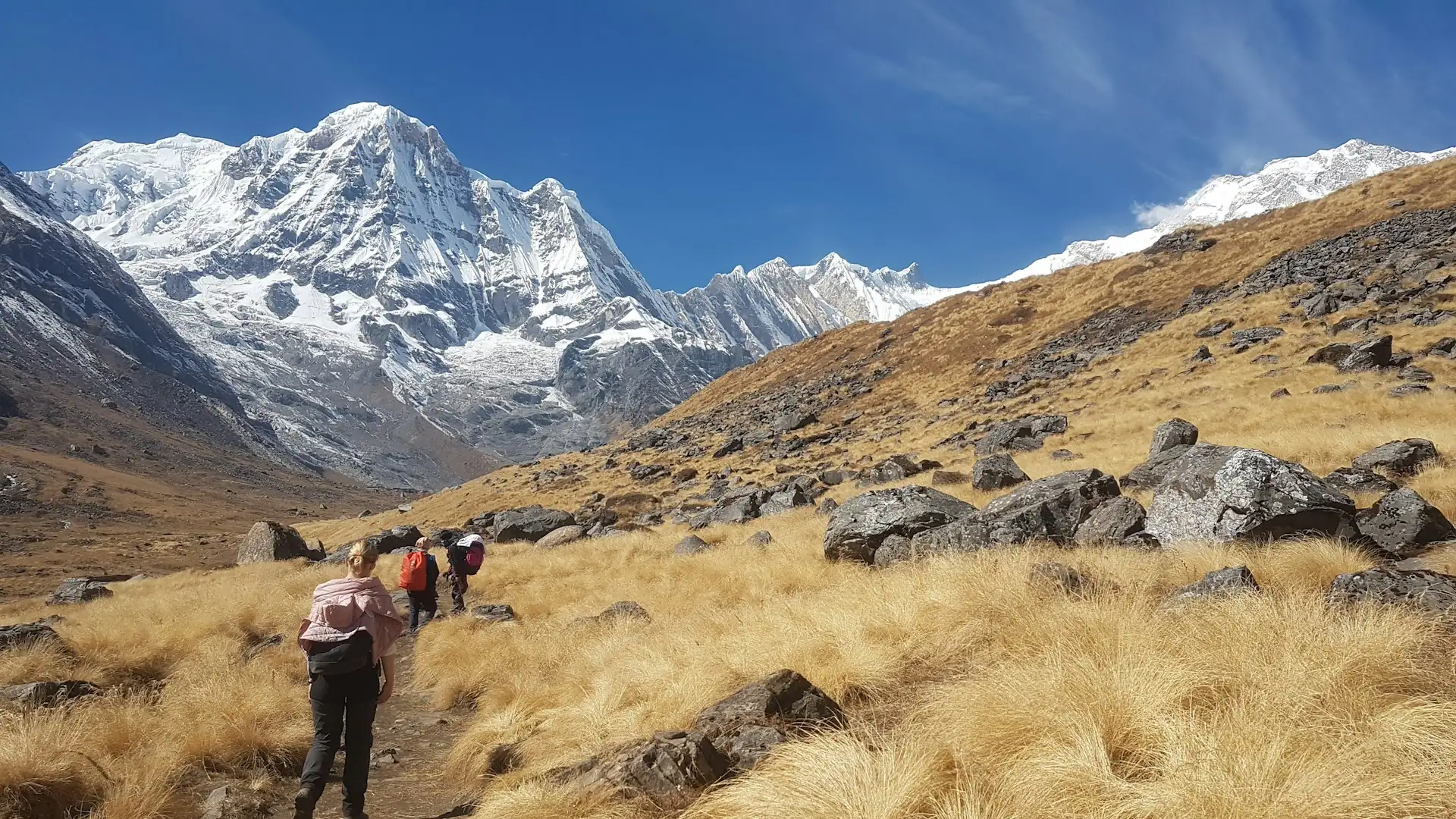
A common packing mistake is bringing too much clothing, assuming a multi-week trek requires a fresh outfit for every day. In practice, laundry (or simply re-wearing moisture-wicking layers) is standard practice on treks of this length, and a more modest clothing quantity, combined with the right layering system, is both lighter and more practical.
Item | Recommended quantity |
|---|---|
Base layer tops | 2–3 |
Base layer bottoms | 2 |
Trekking shirts (short/long sleeve mix) | 3–4 |
Trekking trousers | 2 |
Underwear | 5–6 |
Hiking socks | 4–6 pairs |
Fleece/mid-layer | 1 |
Insulated jacket (down or synthetic) | 1 |
Down jacket (heavier, cold-specific) | 1 |
Rain/wind shell jacket | 1 |
Rain/wind shell trousers | 1 |
Practical tip: Re-wearing moisture-wicking base and mid layers across multiple days is standard, practical trekking behavior — you're not expected to change into fresh clothing daily, and most experienced trekkers pack considerably less clothing than first-timers initially assume they'll need.
Season-Specific Packing Adjustments
While the core packing list stays largely consistent, certain items become more or less essential depending on when you're trekking.
Season | Key adjustments |
|---|---|
Spring (Mar–May) | Standard full layering system; occasional late-season snow gear (light gaiters) useful at altitude |
Autumn (late Sep–Nov) | Standard full layering system; this is peak season, so pack for cold, clear conditions at altitude |
Winter (Dec–Feb) | Heavier-rated sleeping bag, additional insulating layers, gaiters, and genuine cold-weather gloves become essential rather than optional |
Monsoon (Jun–Aug, generally not recommended) | Emphasis on rain gear, quick-dry materials; note this season is not generally recommended for this trek regardless of packing preparation |
What to Buy or Rent in Kathmandu/Pokhara vs. Bring From Home
Not everything on this list needs to be purchased before your trip — Kathmandu's Thamel district and Pokhara's Lakeside area both have dense concentrations of trekking gear shops offering both rental and purchase options, often at prices meaningfully lower than equivalent gear back home.
Item | Best approach |
|---|---|
Trekking boots | Bring from home, well broken in — quality and fit matter too much to leave to rental |
Down jacket | Bring from home if you already own a quality one; otherwise rent locally |
Sleeping bag | Rent locally if you don't already own cold-weather-rated gear |
Trekking poles | Bring or rent — widely available and inexpensive to rent locally |
Base/mid layers, technical shirts | Bring from home for proper fit; rental options for these are less common |
Duffel bag for porter | Rent or borrow locally — no need to purchase a dedicated one |
Sunglasses/sun hat | Bring from home for guaranteed quality and fit |
Water purification method | Bring from home, or purchase in Kathmandu/Pokhara before departure |
Practical tip: Inspect rental gear carefully before departing the shop — quality varies between rental outlets, and it's worth checking zippers, seams, and general condition before relying on a rented sleeping bag or jacket for a multi-week trek at altitude.
Complete Packing Checklist
For quick reference, here's the full list consolidated into one comprehensive checklist.
Clothing:
2–3 base layer tops
2 base layer bottoms
3–4 trekking shirts
2 pairs trekking trousers
5–6 pairs underwear
4–6 pairs wool hiking socks
1 fleece/mid-layer jacket
1 insulated jacket (down or synthetic)
1 heavier down jacket (cold-specific)
1 waterproof/windproof rain shell jacket
1 waterproof rain shell trousers
Warm hat/beanie
Insulated gloves + liner gloves
Buff or neck gaiter
Balaclava (optional)
Sun hat
Footwear:
Broken-in trekking boots
Camp shoes/sandals
4–6 pairs hiking socks
Liner socks (optional)
Gaiters
Sleep:
Sleeping bag (rated -15°C to -20°C or appropriate for season)
Sleeping bag liner
Sun protection:
Sunglasses/glacier glasses
High-SPF sunscreen
Lip balm with SPF
Trekking gear:
Trekking poles
Headlamp + spare batteries
Daypack (20–35L)
Duffel bag for porter
Dry bags/packing cubes
Health and hygiene:
Basic first-aid kit
Water purification tablets/filter
Hand sanitizer
Toilet paper/wet wipes
Personal medications (full trip supply plus buffer)
Altitude sickness medication (if prescribed by a doctor)
Oral rehydration salts
Electronics:
Power bank
Universal adapter
Phone/camera
Spare headlamp batteries
Documents and money:
Passport
Passport photos
Permit copies
Travel insurance documentation
Nepali rupees, small denominations
Emergency contact information
Comfort/miscellaneous:
Earplugs
Quick-dry trekking towel
Ziplock/dry bags
Snacks from home
Reusable water bottle
Common Packing Mistakes to Avoid
Bringing new, unbroken boots. The single most preventable cause of trek-disrupting foot problems. Break boots in weeks before departure.
Overpacking clothing. A multi-week trek doesn't require a fresh outfit daily — moisture-wicking layers can be re-worn, and excess clothing simply adds unnecessary weight for your porter or your own back.
Underestimating cold at the pass. Even trekkers going in spring or autumn sometimes underpack cold-weather gear, not realizing how significantly temperatures drop at 5,416 meters before dawn.
Forgetting a genuine sun protection strategy. UV exposure at altitude is considerably stronger than most trekkers expect, and snow glare near Thorong La adds a real risk of eye strain without proper sunglasses.
Packing large-denomination cash only. Higher-altitude teahouses can't always make change — small denominations avoid awkward transactions.
Not confirming porter weight limits in advance. Packing without knowing your actual weight allowance risks an uncomfortable last-minute repack at the trailhead.
Relying entirely on rental gear for critical items. Boots and properly fitted layers are worth bringing from home; renting works well for bulkier, less fit-dependent items like sleeping bags and duffel bags.
Forgetting spare batteries for the headlamp. Given the pre-dawn crossing-day start, a dead headlamp at altitude in the dark is a genuinely avoidable problem.
How Adventure Life Nepal Supports Your Packing Preparation
Because porter weight limits, current permit-related documentation needs, and seasonal gear requirements shift somewhat from trip to trip, Adventure Life Nepal provides trekkers with a confirmed, itinerary-specific packing guide as part of the booking process — including exact porter weight allowances, current rental gear recommendations in Kathmandu and Pokhara, and season-specific adjustments based on your actual departure dates.
This removes much of the guesswork from an already long and detailed packing list, letting trekkers focus preparation time on breaking in boots and building physical fitness rather than second-guessing gear specifics.
FAQs about Annapurna Circuit Trek Packing List
What's the single most important item on this packing list?
Broken-in trekking boots. Given the trek's length and the demanding descent from Thorong La, footwear problems are among the most common and most preventable causes of a disrupted trek.Do I need a sleeping bag if teahouses provide blankets?
Yes, strongly recommended. Teahouse blankets are often thin, and nights at Manang, Thorong Phedi, High Camp, and near the pass get genuinely cold, particularly outside peak spring/autumn conditions.Can I rent gear in Nepal instead of bringing everything from home?
Yes — Kathmandu's Thamel district and Pokhara's Lakeside area both offer extensive rental options for sleeping bags, down jackets, trekking poles, and duffel bags, generally at reasonable rates. Boots and properly fitted clothing layers are best brought from home.How much should my daypack weigh?
Roughly 5 to 8 kg (11–18 lbs), carrying your daily essentials — water, snacks, camera, extra layers — while your main duffel (carried by a porter, if using one) handles the bulk of your gear.What's the porter weight limit for this trek?
This varies by agency and porter arrangement (dedicated vs. shared between two trekkers) — confirm your specific allowance directly with your trekking agency before finalizing your packing.Do I need specialized cold-weather gear even if I'm trekking in spring or autumn?
Yes. Even in the main trekking seasons, pre-dawn temperatures at Thorong La regularly drop well below freezing, and a genuine down jacket, warm gloves, and a warm hat are essential regardless of season.How many changes of clothing do I actually need for a 12-to-20-day trek?
Considerably fewer than most first-time trekkers assume — moisture-wicking base and mid layers are designed to be re-worn across multiple days, and a modest clothing quantity paired with the right layering system is both lighter and more practical than packing a fresh outfit for every day.Is bottled water necessary, or should I bring a purification method?
A purification method (tablets, filter, or UV purifier) paired with a reusable water bottle is strongly recommended — it's more cost-effective than purchasing bottled water throughout the trek, since bottled water prices rise sharply with altitude, and reduces plastic waste in a remote environment with limited disposal infrastructure.What documents should I carry, and how?
Passport, permit copies, travel insurance documentation, and small-denomination Nepali rupees — keep physical copies of key documents accessible rather than relying solely on digital copies, given inconsistent connectivity at higher altitudes.Should I bring altitude sickness medication?
Discuss this with a doctor 4 to 6 weeks before departure. Medications like acetazolamide (Diamox) are commonly used preventively for AMS but require a prescription and professional guidance on dosing and timing — this isn't something to decide on the trail.
Conclusion on Annapurna Circuit Trek Packing List
Packing for the Annapurna Circuit comes down to one central idea: build a genuine, flexible layering system capable of handling everything from Besisahar's subtropical warmth to Thorong La's well-below-freezing pre-dawn crossing, and pair it with properly broken-in footwear, adequate sun and cold protection, and the health and documentation essentials this trek's length and altitude genuinely demand.
None of it requires bringing everything imaginable — a modest, well-chosen kit, supplemented where useful by quality rental gear in Kathmandu or Pokhara, consistently serves trekkers better than an overpacked duffel weighed down by items that never leave the bag.
Adventure Life Nepal provides itinerary-specific packing guidance to every trekker booking the Circuit, so that by the time you're standing at Besisahar ready to start walking, your gear is exactly matched to the trek ahead — nothing missing, nothing unnecessary, and everything you actually need for the 100-to-145-mile journey to Thorong La and back down into the Kali Gandaki valley.