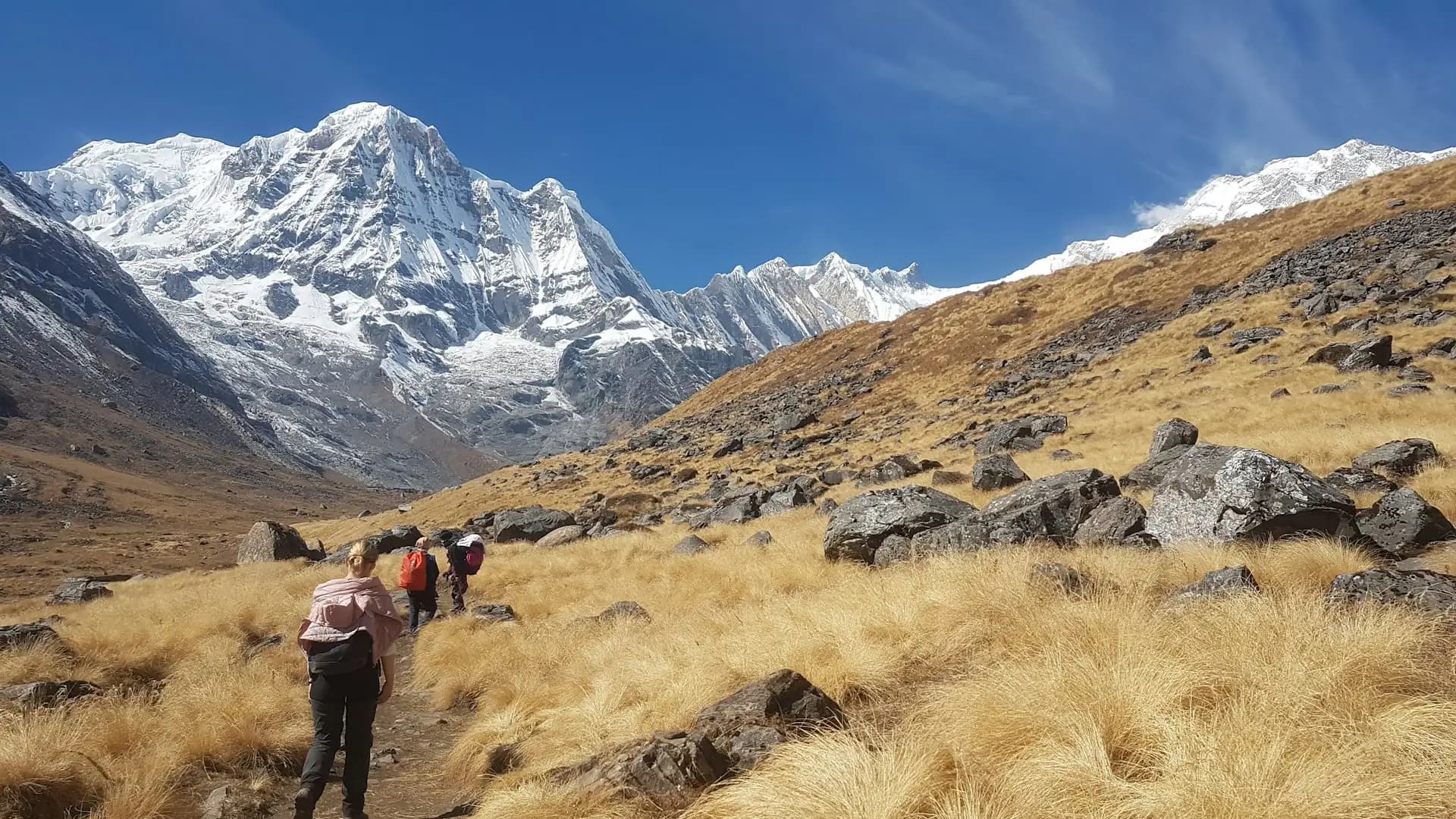
Annapurna Circuit Difficulty: Complete Guide 2026
Introduction to Annapurna Circuit Difficulty
"How hard is the Annapurna Circuit?" doesn't have a one-word answer, and anyone who gives you one — "moderate," "easy," "brutal" — is oversimplifying a trek that genuinely changes character three or four times over its 12-21 days. For the first ten days or so, most trekkers describe it as demanding but manageable: long walking days, real elevation gain, but a gradual, forgiving profile with solid teahouse infrastructure the whole way.
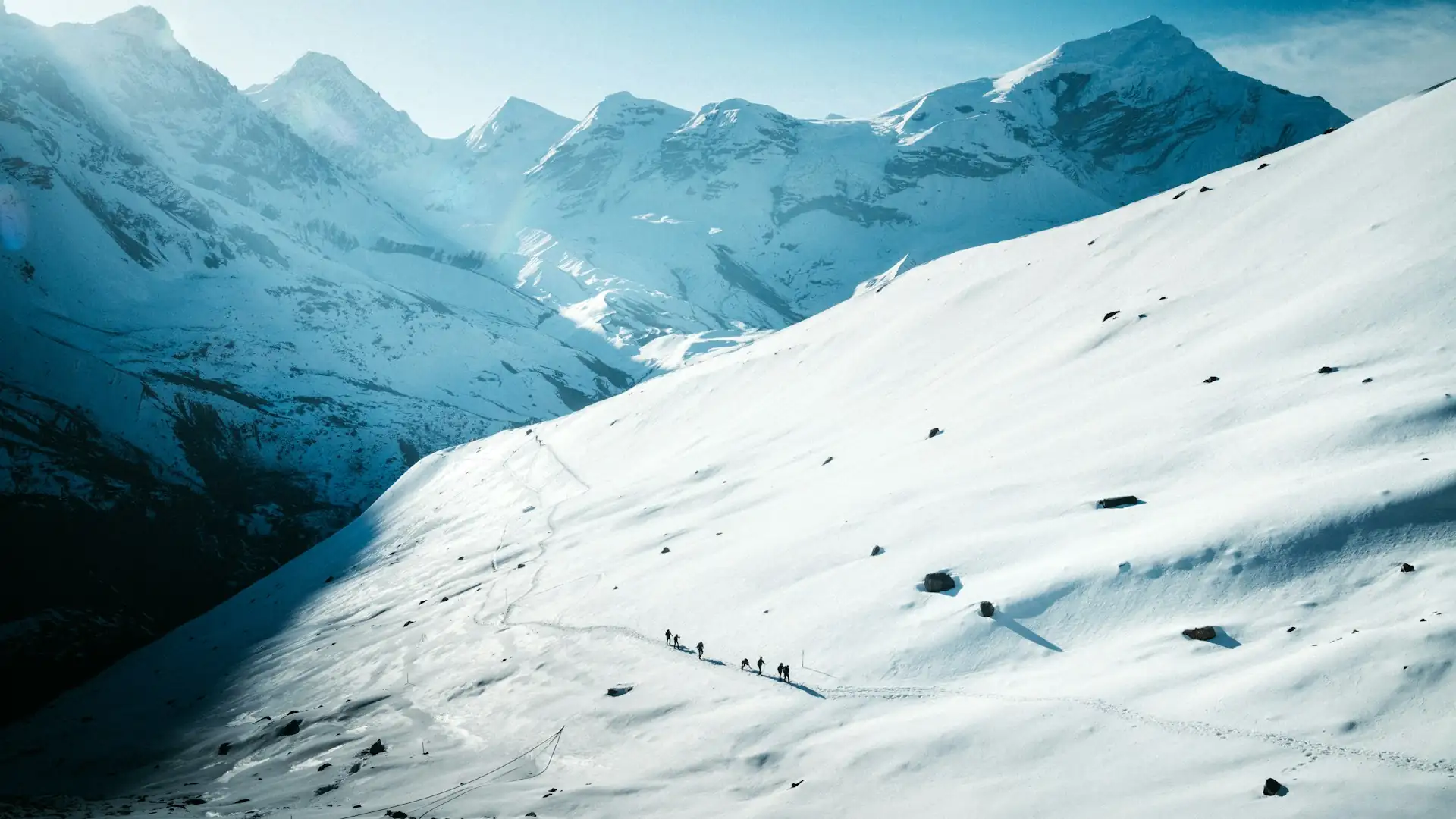
Then comes a single day — the Thorong La Pass crossing — that a large share of experienced trekkers will tell you is among the hardest single days of any trek they've done anywhere in the world. Then, just as suddenly, the difficulty drops away again on the descent side.
This guide is built to actually explain that shape, rather than collapse it into a single difficulty rating. It breaks down exactly where the trek is genuinely tough, where it's more manageable than its reputation suggests, how it compares honestly against Everest Base Camp and the Manaslu Circuit (the two treks it's most often measured against), what the actual numbers look like day by day, and what preparation genuinely changes your experience versus what doesn't.
Every figure below — distances, elevations, walking hours — has been checked against current route data, and where reliable sources present slightly different numbers (which happens often on a route this long and varied), that's presented as a range rather than false precision.
The Short Answer
The Annapurna Circuit is generally rated moderate to challenging — meaningfully harder than a shorter, lower-altitude trek like Annapurna Base Camp or Ghorepani Poon Hill, roughly comparable in overall difficulty to Everest Base Camp (with a different distribution of hard days), and somewhat less demanding overall than the Manaslu Circuit, which is widely considered the toughest of Nepal's three major circuit-style treks.
Factor | Annapurna Circuit Reality |
|---|---|
Technical skill required | None — a non-technical trekking route throughout, no ropes or climbing gear |
Physical fitness required | Good — sustained daily walking across 12-21 consecutive days |
Daily walking time | Typically 5-8 hours, with some shorter (3-4 hour) and longer (up to 8+ hour) days |
Total distance | Roughly 100-230km depending on how much of the route is walked vs. driven |
Trek duration | 12-21 days depending on itinerary style |
Maximum altitude | 5,416m at Thorong La Pass |
Biggest single physical test | The Thorong La pass-crossing day — combining altitude, cold, an early start, and a steep 1,600m+ descent |
Overall character | Length and cumulative fatigue over multiple weeks, punctuated by one exceptionally demanding day |
Suitable for first-timers? | Yes, for reasonably fit trekkers with proper preparation — though it's a bigger undertaking than a first "test" Himalayan trek |
Nepal trekking grade | Generally Grade 3 (Moderate-Challenging) |
Understanding Why "Difficulty" Is a Complicated Question Here
Unlike a trek with one consistent daily rhythm, the Annapurna Circuit genuinely has several distinct difficulty phases, and lumping them into a single rating misses what actually matters for preparation.
Phase | Character |
|---|---|
Besisahar to Chame | Warm, lower-elevation, often partly covered by jeep on modern itineraries — the easiest section of the trek |
Chame to Manang | Steady, sustained altitude gain begins; genuinely more demanding but still well within reach of most fit trekkers |
Manang to High Camp/Thorong Phedi | The trek's highest-risk acclimatization stretch — cold, thin air, several consecutive nights of elevation gain |
Thorong La crossing day | The single hardest day of the entire trek by a wide margin |
Muktinath to Tatopani | Rapid descent, physically easier but hard on the knees and mentally taxing after the pass |
Optional Tatopani to Pokhara via Ghorepani | A gentle, comfortable closing stretch |
Unlike Everest Base Camp, the primary difficulty of the Annapurna Circuit is its sheer length and the cumulative physical toll of walking for two to three weeks — meaning the trek's overall difficulty comes less from any single terrifying obstacle (aside from pass day) and more from sustained, compounding demand across many consecutive days.
The Numbers: Distance, Duration, and Daily Walking Time
Total Distance
Itinerary style | Total distance |
|---|---|
Classic full walking route | 160-230km (100-145 miles), depending on start/end points and how much is walked vs. skipped |
Modern jeep-supported itinerary | Roughly 100-130km actually walked |
Shortest jeep-heavy versions | Can walk as little as ~100km while still covering the core high-altitude sections |
Many trekkers now take jeep rides through the lower Marsyangdi valley and sometimes through parts of the Mustang section as well to cut distance, though purists and those with more time often prefer to walk the entire route for maximum reward and a more gradual acclimatization profile.
Trek Duration
Itinerary length | Notes |
|---|---|
8-11 days | Heavily jeep-supported, fastest option, least acclimatization buffer |
12-16 days | The most common modern itinerary; most guided packages recommend 16-18 days specifically for a comfortable pace that reduces altitude sickness risk |
18-21 days | The traditional, full walking route before road construction shortened the lower sections |
Daily Walking Hours
Trekkers typically walk 5-8 hours per day, with individual day-by-day figures ranging more widely — some sources cite a broader 3-8 hour range depending on the specific section, covering roughly 10-30km depending on terrain and itinerary pacing.
Elevation Change: A Key Difficulty Driver
Elevation change across individual days varies considerably, ranging from a couple hundred meters on gentler ridge days to more than 1,600 meters on the single steepest day — the Thorong La descent into Muktinath.
This variability is a meaningful part of why average daily figures don't fully capture the trek's difficulty: most days are genuinely moderate, but a small number of days carry a disproportionate share of the total physical demand.
The Thorong La Pass Day: Why It's Different From Everything Else
The Core Numbers
Elevation at the pass: 5,416 meters (17,769 feet)
Oxygen availability at the summit: roughly 50% of sea-level oxygen content
Typical ascent from Thorong Phedi: roughly 966 meters
Typical ascent from High Camp: roughly 530-536 meters
Typical descent from the pass to Muktinath: roughly 1,600-1,656 meters, one of the steepest and fastest single-day altitude drops on any major Himalayan trekking route
Why This Single Day Dominates the Trek's Difficulty Reputation
This is where the risk of Acute Mountain Sickness is at its highest point on the entire route, combined with a pre-dawn start (commonly before 4-5am to avoid strong afternoon winds), extended time spent in extremely thin air, and — immediately afterward — one of the most punishing single-day descents found anywhere in the Himalaya.
The descent, not the climb, is what tends to end most people's knees on this day, which is why trekking poles are close to essential specifically for this stretch.
What Makes It More Manageable Than It Sounds
Despite the extreme elevation, the trail itself at Thorong La is wide and well-trodden, and in peak season hundreds of trekkers pack down the snow, making navigation straightforward. There are also teahouses very close to the pass (Thorong Phedi and High Camp), which allows for a shorter, more manageable summit-day push compared to routes where the final camp sits much further from the high point.
Nepal Trekking Difficulty Grades: Where the Circuit Sits
Grade | Description | Example treks |
|---|---|---|
Grade 1 (Easy) | Short duration, low altitude, gentle terrain | Short valley walks, Dhampus day hikes |
Grade 2 (Moderate) | Multi-day treks, moderate altitude, no technical skill | Annapurna Base Camp, Ghorepani Poon Hill |
Grade 3 (Moderate-Challenging) | Longer duration, higher altitude, sustained daily effort | Annapurna Circuit, Everest Base Camp |
Grade 4 (Challenging) | High passes, remote terrain, longer acclimatization needs | Manaslu Circuit, Nar Phu Valley |
Grade 5 (Strenuous/Technical) | Requires technical climbing skill | Peak climbing expeditions |
The Annapurna Circuit generally sits at Grade 3, one notch above single-destination treks like Annapurna Base Camp, and roughly comparable to Everest Base Camp, though the two treks distribute their difficulty quite differently across the itinerary.
Annapurna Circuit vs. Everest Base Camp: A Direct Comparison
This is one of the most common comparisons trekkers research before choosing between the two, and the honest answer is that they're comparably difficult overall, but in genuinely different ways.
Factor | Annapurna Circuit | Everest Base Camp |
|---|---|---|
Maximum altitude | 5,416m (Thorong La) | 5,364m (Base Camp itself); 5,545m if Kala Patthar is included |
Total distance | 100-230km depending on route | Generally shorter overall walked distance |
Duration | 12-21 days | 12-16 days |
Access | Overland/jeep, no mandatory flight for the core route | Requires a flight to/from Lukla, weather-dependent |
Primary difficulty driver | Cumulative length and the single demanding pass-crossing day | Sustained high-altitude exposure over a longer continuous stretch above 4,000m |
Trail infrastructure | Strong, particularly in lower/middle sections; road access at multiple points | Excellent, dense teahouse network throughout |
Single hardest day | Thorong La crossing (5,416m ascent + 1,600m+ descent) | No single day matches the pass-crossing day's combined altitude and descent extremity, but sustained altitude exposure is higher overall |
Exit options if trouble arises | Road access at multiple points, plus an airport at Jomsom | Limited to walking out or helicopter evacuation once past Lukla |
Cultural experience | Widest ethnic diversity of Nepal's major treks — Gurung, Magar, Thakali, and Mustangi communities | Sherpa homeland of the Khumbu, with famous monasteries and a culture deeply shaped by mountaineering history |
The general consensus among experienced guides: the two are comparable in altitude and overall difficulty, but the Annapurna Circuit is longer and more physically tiring due to cumulative daily distance, while Everest Base Camp concentrates its difficulty in sustained altitude exposure over a somewhat shorter route with a mandatory, sometimes unreliable mountain flight.
Annapurna Circuit vs. Manaslu Circuit: The Harder Alternative
If you're weighing the Circuit against Nepal's other major loop trek, the general verdict across multiple experienced operators is consistent: the Manaslu Circuit is harder overall, even though its high pass (Larkya La, 5,106m) sits lower than Thorong La.
Factor | Annapurna Circuit | Manaslu Circuit |
|---|---|---|
Highest pass | Thorong La, 5,416m | Larkya La, 5,106-5,160m |
Pass terrain | Wide, well-trodden trail; heavily trafficked in peak season | Glacial moraine, rocky scree, often icy patches — more technically demanding underfoot |
Pass-day descent | ~1,600m to Muktinath | ~1,400m into Bimthang, often 5-7 hours of continuous downhill after already reaching the high point |
Acclimatization support near the pass | Teahouses very close to the pass (Thorong Phedi, High Camp) | Requires two acclimatization camps given more limited nearby infrastructure |
Road/infrastructure access | Road access at multiple points; Jomsom airport as an exit option | Minimal road cushioning; once past the lower valley, realistic exit is helicopter only |
Total distance | Roughly 100-230km depending on route | Roughly 177-180km |
Daily walking hours | Roughly 5-7 hours on a standard itinerary | Roughly 6-8 hours, with more consecutive full walking days |
Teahouse standards | Manang offers bakeries and attached-bathroom lodges even at 3,540m | More basic facilities throughout the upper trail; cold rooms, shared squat toilets, unreliable solar power common |
Remoteness | Well-established, well-trafficked | Less visited, more remote, particularly between Samagaun and the pass |
Guide requirement | Required since 2023 | Required; also a restricted-area trek requiring a special permit |
Interestingly, difficulty here isn't purely about which pass is higher — Larkya La at 5,106m is generally considered more technically challenging than the higher Thorong La at 5,416m, since Thorong La benefits from better-defined, more consistent footing and closer teahouse support, while Larkya La's moraine and often-icy terrain, combined with fewer nearby facilities, add a different kind of physical and logistical demand.
Pure physical endurance and trail toughness still tips the overall balance toward Manaslu, largely because of its greater remoteness, longer consecutive walking days, more basic infrastructure, and far fewer exit options if something goes wrong.
Annapurna Circuit vs. Annapurna Base Camp: The "One Notch Harder" Comparison
For trekkers deciding between these two treks within the same broader region, the Circuit is meaningfully more demanding, mainly because of the pass.
Factor | Annapurna Base Camp | Annapurna Circuit |
|---|---|---|
Maximum altitude | 4,130m | 5,416m |
Duration | 7-12 days | 12-21 days |
Single hardest day | Steep stone-staircase sections (Ulleri, Chhomrong-Sinuwa) | Thorong La crossing, combining extreme altitude with a 1,600m+ descent |
AMS risk | Moderate | Higher, given the substantially higher peak altitude |
Overall difficulty | Grade 2 (Moderate) | Grade 3 (Moderate-Challenging) |
Anyone who has completed a Base Camp trek comfortably generally has the physical foundation for the Circuit, provided they add the specific acclimatization discipline that the higher pass demands — the fitness bar is similar in kind, but the altitude and duration bar is meaningfully higher.
Overall Difficulty Ranking Among Nepal's Three Major Circuit-Style Treks
Different experienced operators phrase this slightly differently, but there's a broadly consistent pattern across sources: from hardest to easiest, the general ranking runs Manaslu Circuit, then Annapurna Circuit, then Everest Base Camp — though it's worth noting this ranking isn't universal across every source, and some place the Annapurna Circuit roughly on par with Everest Base Camp rather than clearly above it, given how differently the two distribute their difficulty.
The practical takeaway that holds across virtually every comparison: Manaslu is consistently regarded as the toughest of the three, the Annapurna Circuit and Everest Base Camp are broadly comparable overall (each hard in a different way), and Annapurna Base Camp and Ghorepani Poon Hill sit clearly below all three in overall demand.
Trail Surface and Terrain
The trail surface on the Annapurna Circuit is mostly good: stone steps, dirt path, the occasional landslide-affected section, and shared jeep road in the lower valley.
This is generally considered better-maintained and more consistently graded than the Manaslu Circuit's rougher, less-engineered sections, though the shared jeep road sections can be mentally frustrating and physically harder due to dust and vehicle traffic on days where road and trail overlap — a reason many experienced operators actively route their groups onto newer, higher, more scenic trekking trails specifically to bypass the motor roads where possible.
A Day-by-Day Difficulty Snapshot
Here's how a representative standard itinerary breaks down by relative demand, illustrating the trek's overall shape.
Day type | Walking time | Distance | Elevation change | Relative difficulty |
|---|---|---|---|---|
Lower valley days (Besisahar-Chame area) | 5-6 hrs | 10-20km | Couple hundred meters | Low-Moderate |
Middle section (Chame-Manang) | 5-7 hrs | 10-20km | 200-600m gain | Moderate |
Manang acclimatization day | Optional short hike | Variable | Minimal net change | Low (active rest) |
High approach (Manang-High Camp) | 4-6 hrs | 5-15km | 200-800m gain | Moderate-High |
Pass-crossing day (High Camp/Phedi to Muktinath) | 7-9 hrs | 15-20km | Up to 530m gain, then 1,600m+ descent | Highest of the entire trek, by a wide margin |
Post-pass descent days | 5-7 hrs | 15-20km | 1,000m+ loss over several days | Moderate (physically easier, hard on joints) |
Optional Ghorepani/Poon Hill closing section | 4-6 hrs | 10-15km | Gentle re-ascent then descent | Low-Moderate |
Day 7 (or the equivalent pass-crossing day in whichever numbering your specific itinerary uses) is consistently identified as the hardest day by a wide margin, combining a pre-dawn start, the thin air of the pass, and a punishing descent — everything else on the trek, while genuinely demanding in a cumulative sense, doesn't concentrate difficulty in the same singular way.
Physical Fitness: What You Actually Need
The Realistic Bar
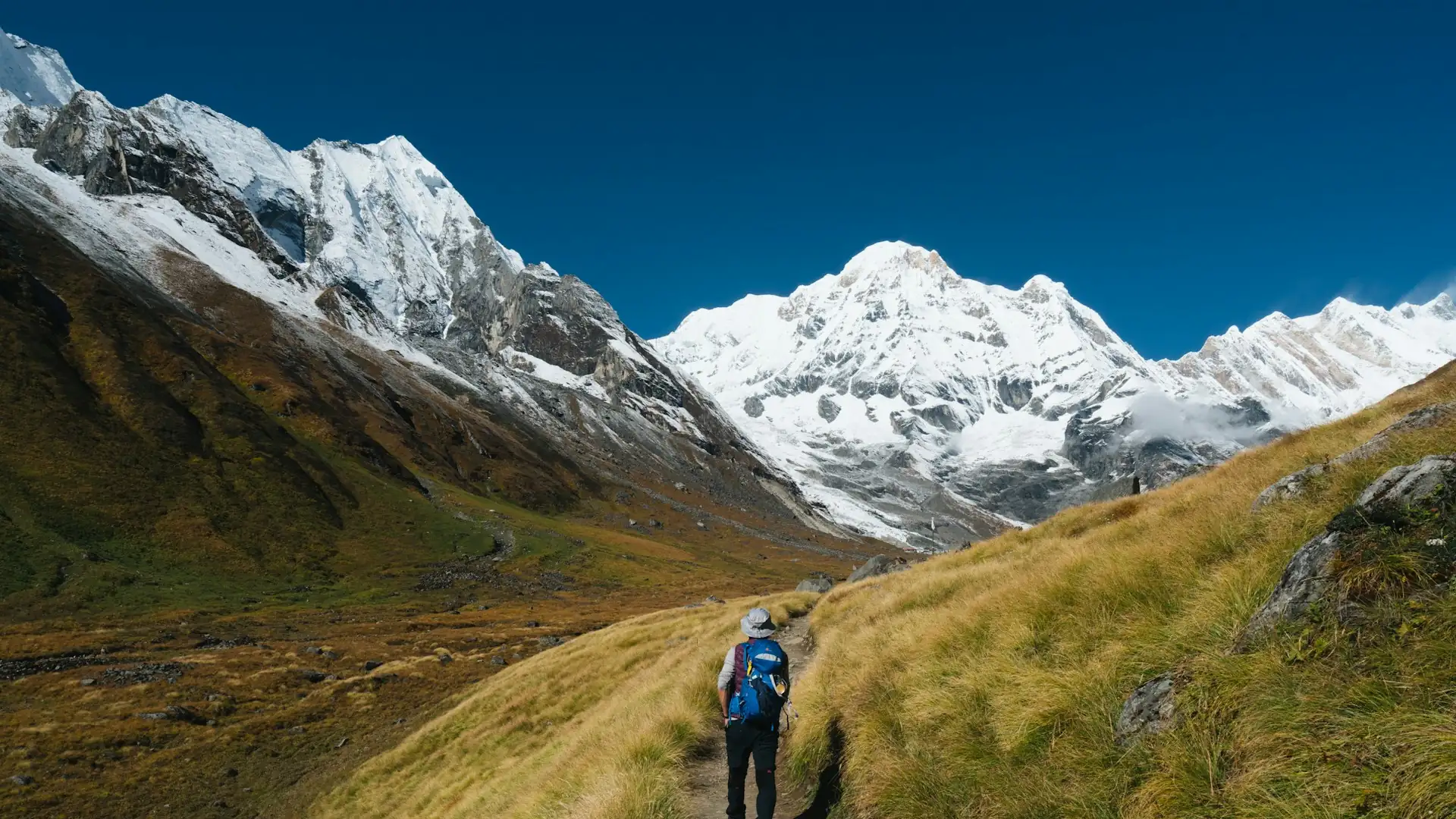
Fitness will not stop altitude sickness on its own, but a strong physical base means you reach the pass with genuine energy in reserve when the air thins — a meaningful practical advantage even though fitness doesn't directly prevent AMS.
Anyone who has completed a comparable moderate trek (like Annapurna Base Camp) comfortably generally has the underlying fitness foundation for the Circuit.
Training Recommendations
Training focus | Why it matters specifically for this trek | Suggested approach |
|---|---|---|
Cardiovascular endurance | Sustains 5-8 hours of daily walking across many consecutive days | Regular walking, running, cycling, swimming |
Back-to-back multi-day hikes | The single best predictor of how you'll handle the trek's cumulative fatigue by the second week | Weekend-to-weekend consecutive hiking days in the months before departure |
Load-bearing walking | Simulates carrying a daypack over multi-hour walks, even with a porter handling your main bag | Practice hikes wearing your actual daypack |
Stair/hill climbing | Prepares for the steady, sustained elevation gain sections | Stair machine, hill repeats |
Leg strength | Reduces injury risk on the trek's steepest single descent (Thorong La to Muktinath) | Squats, lunges, step-ups |
A commonly repeated piece of practical advice: back-to-back hikes in the weeks leading up to departure are the single best predictor of how you'll feel by the trek's second week — don't skip this specific kind of training in favor of only single-day workouts.
A Reasonable Preparation Timeline
Most guides recommend at least 6-8 weeks of structured training, ideally longer (2-3 months) given this trek's greater length and cumulative demand compared to shorter treks like Annapurna Base Camp.
Altitude and AMS Risk: The Circuit's Defining Danger
Where Risk Concentrates
The danger level for Acute Mountain Sickness starts becoming relevant around 3,000 meters and increases significantly after 4,000 meters — meaning Yak Kharka, Thorong Phedi, and High Camp all sit within the trek's highest-risk zone, days before the pass itself is even reached.
Somewhat counterintuitively, the most dangerous section from an altitude perspective is often considered to be the approach between Manang and High Camp, rather than the pass crossing itself, since this is where several consecutive nights of elevation gain accumulate before the single big push.
The Manang Acclimatization Day
Manang, at 3,540 meters, sits close to the altitude where AMS risk becomes genuinely relevant, and the standard rest day built into virtually every itinerary here is a core safety feature, not optional padding. This acclimatization day encourages the body to produce more red blood cells during the rest period, particularly if combined with a "climb high, sleep low" day hike (such as to Gangapurna Lake, roughly 3,900m) rather than complete inactivity.
General Ascent Guidelines
A commonly cited safety guideline recommends no more than roughly 300-500 meters of net elevation gain per night once sleeping above 3,000 meters — directly relevant to the pacing of the Manang-to-High Camp stretch specifically.
Weather-Related Difficulty Factors
Season | Effect on trek difficulty |
|---|---|
Spring (March-May) | Generally favorable; second-best season, though some late-season snow can occasionally linger near the pass |
Monsoon (June-August) | Generally avoided — poor visibility, wet conditions, and increased risk on the highest, most exposed sections |
Autumn (September-November) | The most reliable season for crossing Thorong La — stable weather, minimal snow risk |
Winter (December-February) | Genuine risk of the pass becoming snow-blocked; conditions should always be checked before departure |
When Thorong La is blocked by snow, there is no alternative route around the Annapurna massif short of a multi-day detour — a genuinely significant difficulty factor unique to this trek's single-pass structure, and part of why checking current pass conditions is standard practice for any departure above Manang during shoulder or winter season.
Age and Experience Considerations
Is This a Good First Himalayan Trek?
It's more commonly recommended as a second or third major trek rather than an absolute first, given its greater length, higher maximum altitude, and the singular demand of the pass-crossing day compared to shorter, lower routes like Annapurna Base Camp or Ghorepani Poon Hill.
That said, reasonably fit first-timers with proper 2-3 month preparation and a well-paced itinerary do complete it successfully every season — it's demanding, not exclusionary.
Older Trekkers
Many trekkers in their 50s and 60s complete the Circuit successfully, typically by choosing a longer itinerary (16-18+ days), building in extra acclimatization buffer beyond the standard Manang rest day, and pacing deliberately rather than rushing toward a fixed daily distance target.
Building Up to This Trek
For trekkers with less prior experience, a shorter, lower-altitude trek like Langtang Valley or Annapurna Base Camp can serve as a useful fitness and altitude-tolerance benchmark before attempting the full Circuit — completing one of these comfortably is a reasonable, though not strictly required, confidence-building step.
Practical Strategies That Reduce Difficulty
Choose a longer itinerary (16-18 days) over a compressed one. More days spread the same elevation gain more gradually, directly improving acclimatization and reducing daily exertion.
Sleep at High Camp rather than Thorong Phedi, if your acclimatization is going well — this shortens the following day's ascent to the pass, reducing total exertion on the single hardest day.
Use trekking poles specifically for the pass-crossing day. The descent to Muktinath is what tends to end most people's knees, making poles particularly valuable on this specific stretch even for trekkers who don't otherwise use them regularly.
Train with back-to-back multi-day hikes, not just isolated single-day workouts, since cumulative fatigue over consecutive days is a defining feature of this trek's difficulty.
Hire a guide and porter. Beyond the 2023 guide requirement, a porter carrying your main pack meaningfully reduces daily physical load, particularly valuable given the trek's overall length.
Route around jeep-road sections where possible. Choosing trails that bypass shared motor roads reduces both physical (dust, uneven walking alongside traffic) and mental fatigue.
Don't skip the Manang acclimatization day, and consider adding an extra one if needed. This single rest day does disproportionate safety work given its position at a genuinely relevant altitude threshold.
Check current pass conditions before departure, particularly in shoulder or winter season, given the risk of snow closure and the lack of any alternative route around the massif.
Signs You Might Need Extra Preparation Time
No regular structured cardio or hiking habit in the 2-3 months before departure
No experience with back-to-back multi-day hiking, given how central cumulative fatigue is to this trek's difficulty profile
A history of altitude sickness on previous high-elevation trips without significant additional preparation this time
Planning a compressed 10-12 day itinerary specifically to save time, which reduces both acclimatization buffer and rest opportunity
Existing knee or joint issues that flare up on steep, sustained descents, given the severity of the Thorong La-to-Muktinath drop specifically
None of these are automatic disqualifiers — they're signals worth addressing through longer training lead time, a more conservative itinerary, or a direct conversation with your trekking operator about pacing options.
Why Guide Experience Changes the Difficulty Experience
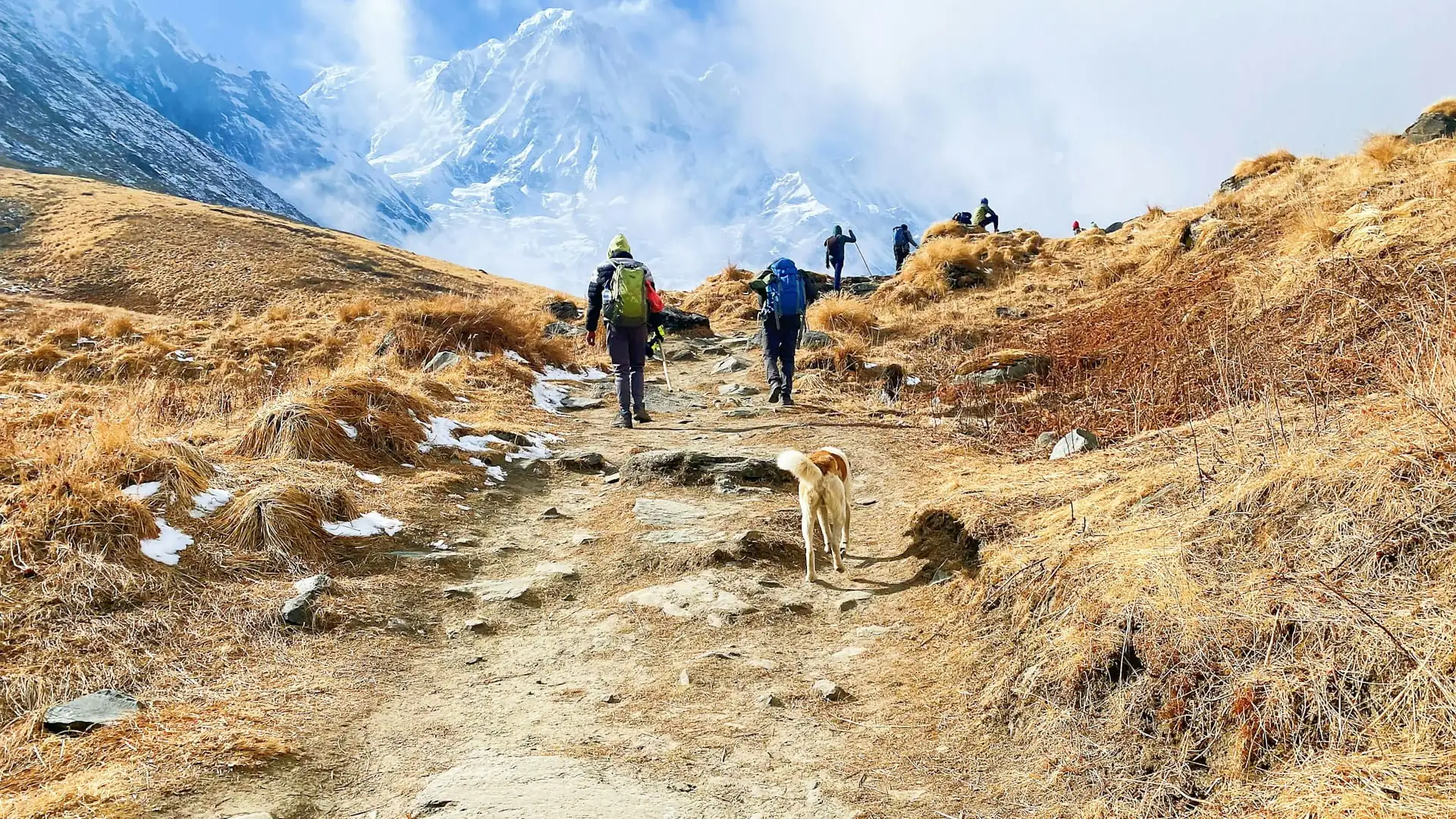
Two trekkers of comparable fitness can have genuinely different experiences of "how hard" the Circuit felt, and pacing, itinerary design, and guide judgment account for a meaningful part of that difference.
Real-time pass condition knowledge. An experienced guide tracks current snow and wind conditions at Thorong La and can advise on timing, rest-day additions, or the Phedi-versus-High-Camp decision based on how a specific group is acclimatizing.
Pacing that matches the group, not a fixed schedule. Adjusting daily distances and rest based on how trekkers are actually responding, rather than rigidly following a template itinerary regardless of how the group feels.
Symptom recognition on the trek's highest-risk stretch. Guides trained in AMS response can catch early warning signs during the Manang-to-High Camp section before they progress into something more serious.
Local knowledge of where to route around jeep roads, reducing unnecessary physical and mental fatigue on the lower sections.
This is a core part of the value an experienced, locally based operator like Adventure Life Nepal brings to Circuit planning — not changing the trail itself, but building an itinerary, pace, and support structure that genuinely matches your group's fitness and acclimatization progress, particularly around the trek's single hardest and highest-stakes day.
Frequently Asked Questions about Annapurna Circuit Difficulty
1. Is the Annapurna Circuit harder than Everest Base Camp?
They're broadly comparable in overall difficulty, though distributed differently — the Circuit is generally longer with a more concentrated single hard day at Thorong La, while EBC involves more sustained high-altitude exposure over a somewhat shorter, flight-accessed route.
2. Is the Annapurna Circuit harder than the Manaslu Circuit?
Generally no — the Manaslu Circuit is widely considered the more physically demanding of the two, given its greater remoteness, more basic infrastructure, more technical pass terrain, and far fewer exit options if something goes wrong.
3. What's the single hardest day on the Annapurna Circuit?
The Thorong La pass-crossing day, which combines a pre-dawn start, extremely thin air at 5,416 meters (roughly 50% of sea-level oxygen), and a steep, sustained descent of roughly 1,600 meters to Muktinath.
4. How many hours do you walk per day on the Annapurna Circuit?
Typically 5-8 hours, though this varies by day — some sections take as little as 3-4 hours while the pass-crossing day can run 7-9 hours.
5. Is the Annapurna Circuit suitable for a first-time trekker?
Yes, for reasonably fit trekkers with proper 2-3 month preparation, though it's generally considered a bigger undertaking than shorter first treks like Annapurna Base Camp or Ghorepani Poon Hill, given its greater length and higher maximum altitude.
6. How long does the Annapurna Circuit take?
Standard itineraries run 12-21 days depending on how much of the lower route is walked versus driven by jeep, with most guided packages recommending 16-18 days for comfortable pacing and reduced altitude sickness risk.
7. What's the total distance of the Annapurna Circuit?
The classic full route covers roughly 160-230km, though modern jeep-supported itineraries reduce the actual walked distance to roughly 100-130km.
8. Do I need prior high-altitude trekking experience for this route?
It's not strictly required, but completing a shorter trek like Annapurna Base Camp or Langtang Valley comfortably first is a reasonable, though optional, confidence-building step given the Circuit's greater length and altitude.
9. Why is the descent from Thorong La considered harder than the ascent?
The roughly 1,600-meter descent to Muktinath places significantly more strain on the knees than the climb to the pass, and it's this descent, not the ascent, that tends to be the limiting physical factor for most trekkers on pass-crossing day.
10. Should I sleep at Thorong Phedi or High Camp before crossing the pass?
Both are used regularly; sleeping at High Camp (roughly 4,880-4,925m) shortens the following day's climb to the pass, reducing overall exertion on the hardest day, though it means sleeping at a higher elevation the night before — a trade-off worth discussing with your guide based on your acclimatization progress.
11. Can the Thorong La pass be closed, and how does that affect difficulty?
Yes, particularly in winter, snow can block the pass entirely, and since there's no alternative route around the Annapurna massif, checking current conditions before departure is essential, especially for shoulder-season or winter treks.
12. How does trek duration affect overall difficulty?
Significantly — a longer itinerary (16-18 days) spreads the same elevation gain more gradually, reducing daily exertion and improving acclimatization compared to a compressed 10-12 day version, directly affecting how difficult the trek feels overall.
13. Is the Annapurna Circuit more or less difficult than it used to be, given road construction?
Generally somewhat easier logistically — roads have shortened and cushioned the lower Marsyangdi valley sections, providing easier exit options if needed, though this remains a point of contention for purists who prefer to walk the full traditional route for maximum acclimatization gradient and reward.
14. What single piece of preparation makes the biggest difference for this specific trek?
Back-to-back multi-day training hikes in the months before departure — since the Circuit's difficulty comes largely from cumulative fatigue over many consecutive days, this specific kind of training is a stronger predictor of how you'll feel in week two than any single-day workout.
Final Thoughts on Annapurna Circuit Difficulty
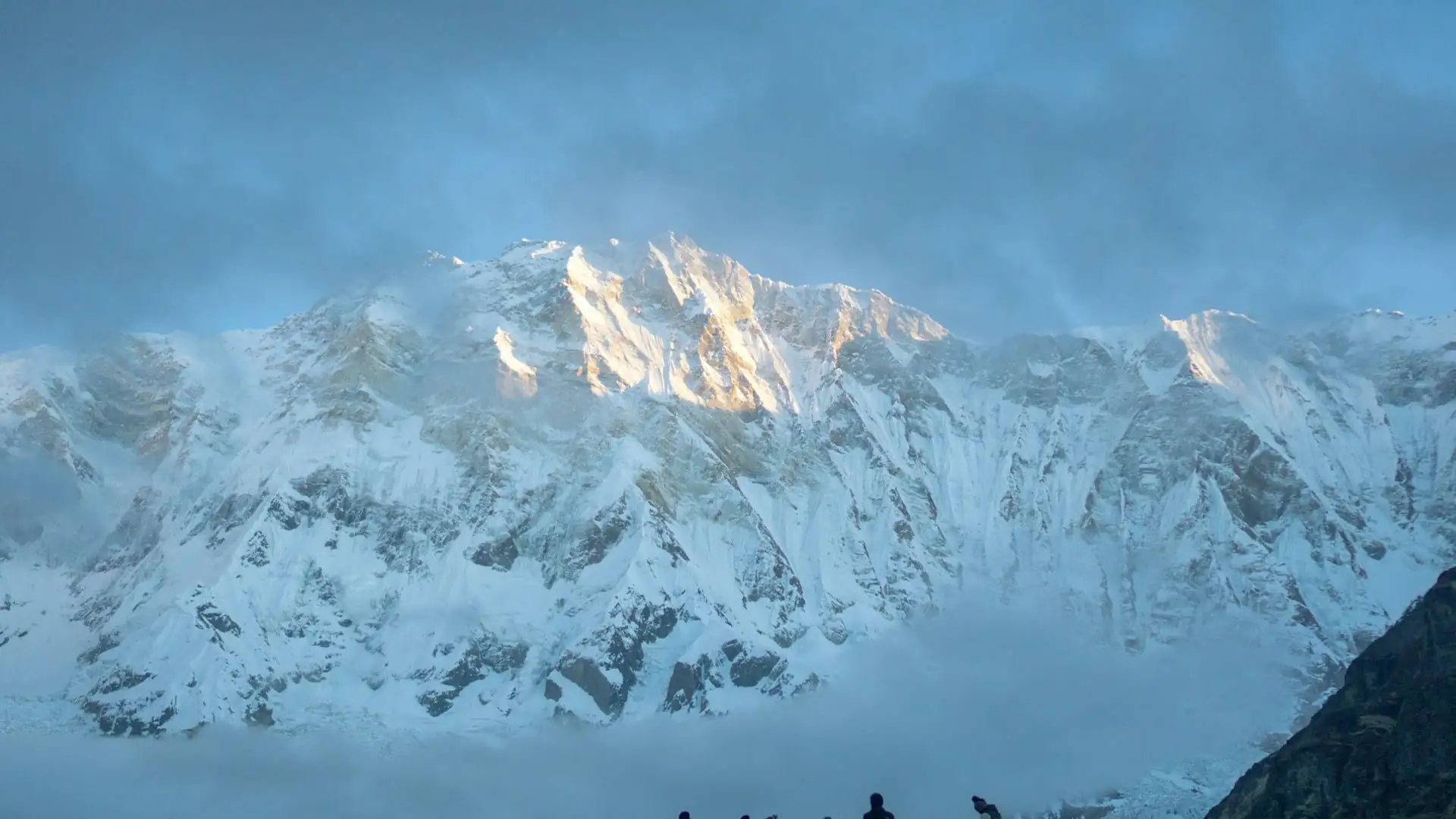
The Annapurna Circuit earns its "moderate to challenging" rating through two genuinely different mechanisms: the steady, compounding physical toll of walking for two to three weeks across nearly 4,600 meters of total elevation range, and one exceptional day — the Thorong La crossing — that concentrates more difficulty than everything else on the route combined.
Understanding this shape matters more than any single difficulty label, because it tells you exactly where to focus preparation: build genuine cumulative endurance through back-to-back training hikes for the trek's overall length, and respect the pass-crossing day specifically with proper acclimatization, the right overnight staging choice, and real caution on the descent.
Get both of those right, and the Circuit becomes exactly what most trekkers who've done it describe — hard enough to feel like a genuine mountain achievement, and, with the right preparation and guidance, well within reach.