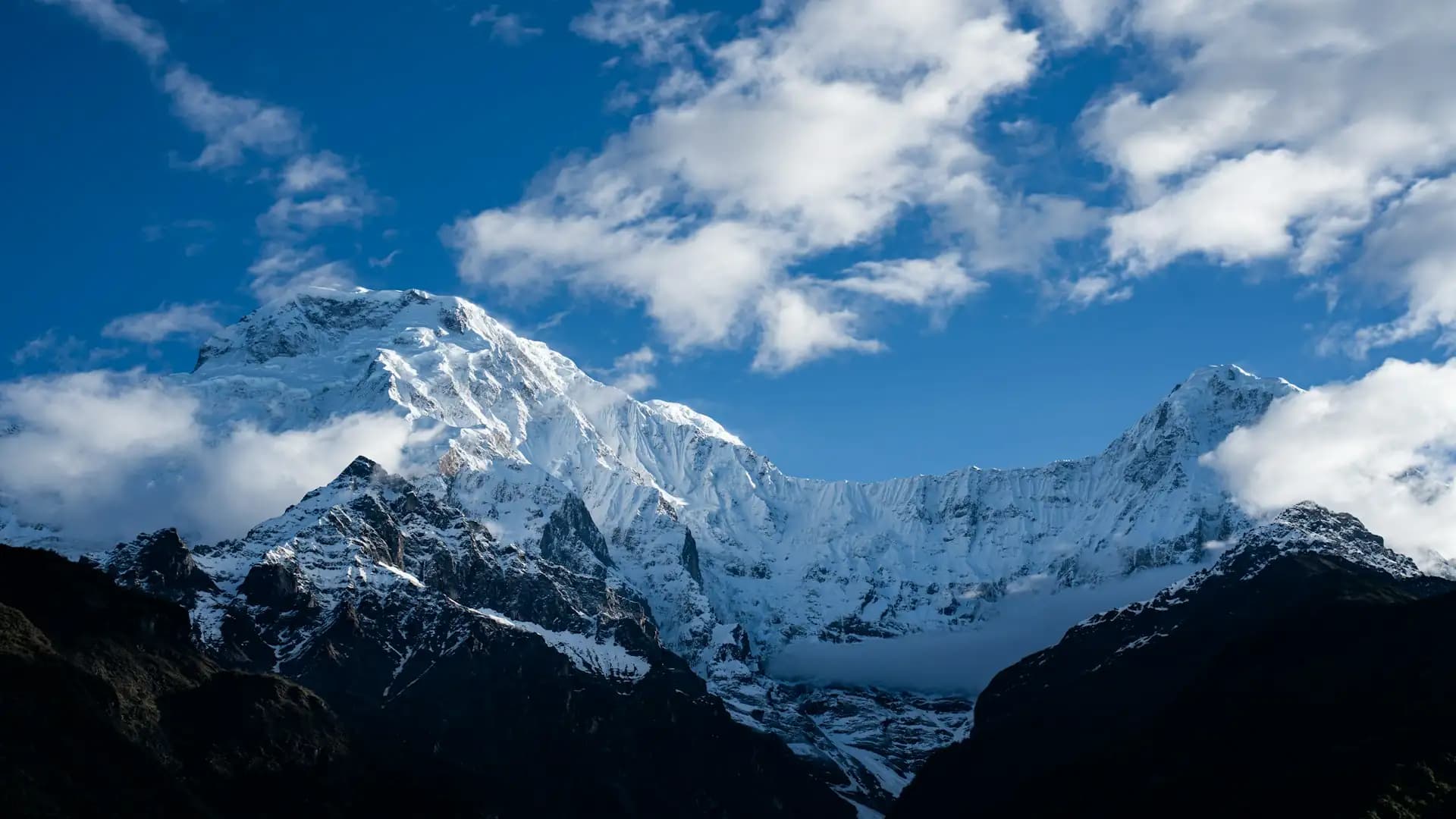
Annapurna Circuit Accommodation: Complete Guide 2026
Introduction to Annapurna Circuit Accommodation
The word "accommodation" does a lot of quiet work in most Annapurna Circuit trip descriptions, and it means something quite different depending on which day of the trek you're reading about. In Besisahar or Chame, it might mean a comfortable twin room with an attached bathroom and decent WiFi.
At Thorong Phedi or High Camp, at nearly 4,900 meters, it means a small plywood room, a shared toilet down a cold hallway, and no hot water at all — and that's completely normal, not a sign anything went wrong with your booking.
This guide exists to set accurate expectations for exactly what accommodation looks like at every stage of the Annapurna Circuit, because vague reassurances ("teahouses are cozy!") don't actually prepare you for the real range of comfort you'll experience across 12-16+ days and nearly 4,600 meters of elevation change.
Every price, facility detail, and comfort-level description below has been checked against current trekking accommodation data for this specific route, because knowing what to expect — and what's genuinely worth paying extra for — makes a real difference to how you experience the trek.
The Core Concept: Teahouse Trekking
What a Teahouse Actually Is
Teahouses, known locally as bhatti, are independently owned guesthouses that provide both lodging and meals to trekkers along the route. Some are large, multiple-story establishments with dozens of rooms; others are small family-run operations that can only accommodate a handful of trekkers at a time.
Each one is genuinely independently owned and operated, which is part of why the character, quality, and comfort level varies so much from village to village and even teahouse to teahouse within the same village.
The Business Model Behind Teahouse Pricing
This is worth understanding upfront because it explains a lot about pricing structure on this route: teahouses generally make the bulk of their income from selling meals, not from room charges. Most teahouses rent a basic twin-share room for a genuinely small nightly fee — sometimes as low as NPR 300-500 (roughly USD 3) in lower villages — with the underlying expectation that guests purchase their meals at the same lodge where they're staying.
This arrangement leads directly to one of the most useful cost-saving details many general cost guides leave out: many teahouse owners offer free or significantly discounted rooms if you eat all your meals at their lodge.
This is the standard arrangement across the circuit and is how most guided agency treks actually work — your guide negotiates this on your behalf, and the savings are typically already baked into your package price if you're trekking with an operator.
Accommodation Types You'll Encounter
Type | Description | Where it's common |
|---|---|---|
Twin room | Two single beds, thin mattresses, small window — the most common room type on the entire route | Available at nearly every stop |
Private/single room | Occasionally available, particularly at lower elevations | More common in Besisahar, Chame, and other lower villages; increasingly rare above Manang during peak season |
Shared/dormitory-style room | Multiple beds in one room, most common where teahouses are smaller and space is limited | Common near Thorong Phedi and High Camp, particularly during peak season |
Attached-bathroom room | A private bathroom within the room itself, usually at a premium price | More available in lower and mid-elevation villages; rare at higher elevations |
Shared-bathroom room | Standard bathroom down the hall, often with squat-style toilets | The norm at higher elevations |
Room and Facility Standards by Elevation Zone
Lower Villages (Besisahar to Chame, roughly 760-2,670m)
This is where accommodation is at its most comfortable on the entire route. Comfortable rooms with hot showers and reliable WiFi are common here, and a standard twin room in Besisahar or Chame typically costs between NPR 300 and 500 per night (roughly USD 2-4), with better teahouses offering private rooms with attached bathrooms at a modest premium.
Middle Section (Chame to Manang, roughly 2,670-3,540m)
Accommodation quality generally improves slightly through this stretch due to increased foot traffic and established infrastructure, with expected room rates around USD 5-8 and meals typically running USD 4-8 per dish.
Manang itself deserves special mention here — as one of the largest and most popular villages on the entire circuit, it offers the widest range of accommodation options anywhere on the trek, from basic teahouses to more comfortable lodges featuring bakeries, bigger dining halls, and expanded menus including fresh bread, apple pie, and cake. Many trekkers spend their mandatory acclimatization day here specifically enjoying this relative comfort before pushing into the higher, more basic sections above.
High Alpine Section (Manang to Thorong La, roughly 3,540-5,416m)
This is where accommodation becomes noticeably more basic, and it's worth mentally preparing for this shift rather than being caught off guard by it.
Yak Kharka: Facilities become genuinely limited here. Teahouses are small and basic, with wooden twin beds, thin walls, and shared bathrooms. Electricity is available but weak, and food options narrow mainly to dal bhat and noodles. Nights get very cold, making a proper sleeping bag essential rather than optional at this point in the trek.
Thorong Phedi and High Camp: These are the last stops before crossing the pass, and accommodation here is about as basic as it gets on the entire circuit — small plywood rooms, shared toilets, and typically no hot water at all. These are the highest teahouses on the entire circuit and, correspondingly, the hardest to keep supplied, which shows in both the facilities and the food options available.
Dining halls are frequently crowded during peak season, and electricity is limited. This is not the place to expect comfort — it's the place to expect a warm meal, a bed, and camaraderie with fellow trekkers gathered around the stove before an early pre-dawn start.
Post-Pass Descent (Muktinath through Jomsom to Tatopani)
Comfort levels generally improve again as you descend, mirroring the pattern from the ascent side — Muktinath and Jomsom offer reasonably comfortable lodging given their status as established towns with road and air access, and by the time you reach Tatopani, known for its natural hot springs, accommodation and amenities have noticeably relaxed again compared to the high-altitude stretch around the pass.
Optional Southern Loop (Tatopani to Ghorepani/Poon Hill, if included)
Continuing to improve as elevation decreases further, this stretch — particularly Ghorepani, a well-established overnight hub for Poon Hill sunrise trips — tends to offer solid, dependable teahouse standards given how heavily trafficked this section is by multiple different trekking routes converging here.
The Golden Rule of Teahouse Pricing
Trekking guides on this route consistently repeat some version of the same principle: the higher you go, the more expensive everything gets. This isn't arbitrary pricing — it directly reflects the increasing difficulty and cost of supplying remote, high-altitude villages, where food, cooking gas, and building materials all have to be carried up by porters, mules, or yaks rather than delivered by road.
A useful way to internalize this: your daily spend at 1,500 meters and your daily spend at 4,500 meters are genuinely different numbers, even for identical categories of food and services.
Room Price Reference Table
Location/Zone | Typical room price (twin, per night) |
|---|---|
Besisahar, Tal, and other lower villages | Roughly USD 3-6 (NPR 300-500) |
Chame to Dharapani area | Roughly USD 3-8 |
Manang and surrounding villages | Roughly USD 8-17 |
Yak Kharka | Roughly USD 5-8, very basic |
Thorong Phedi / High Camp | Roughly USD 8-15, most basic rooms on the circuit |
Muktinath | Roughly USD 8-17 |
Newer lodges with attached bathroom/hot water (various locations) | Roughly USD 15-20 |
These figures represent standalone room pricing — as discussed above, many teahouses discount or waive this fee entirely if you commit to eating your meals there, which is standard practice on most guided treks.
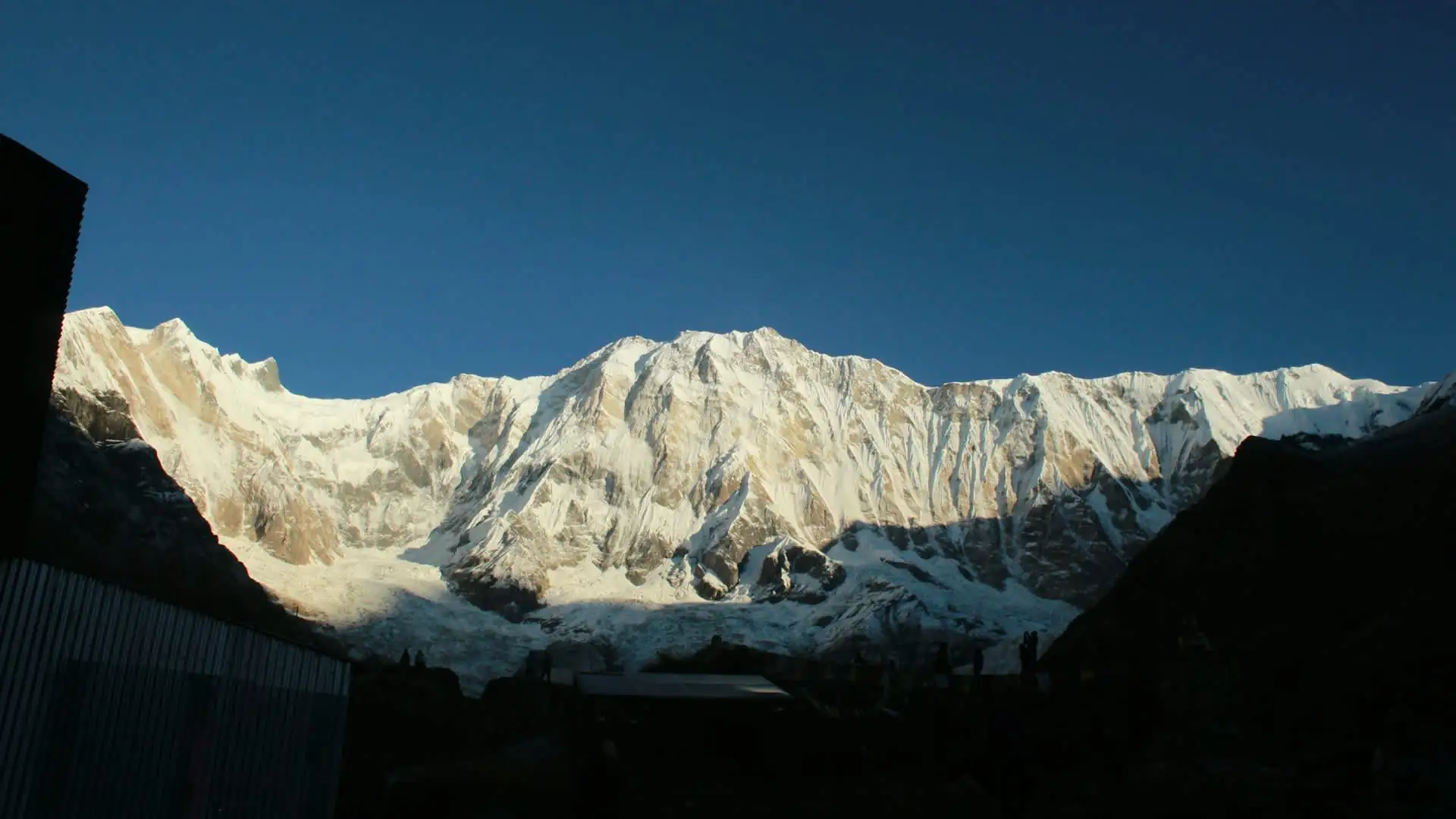
Food Prices by Elevation
Food is genuinely the primary expense category for most trekkers on this route, and like room prices, it follows the same "higher equals pricier" pattern consistently.
Location/Zone | Typical meal price (dal bhat, noodles, fried rice) |
|---|---|
Besisahar / Chame | Roughly USD 3-5 (NPR 400-600) |
Middle villages (Pisang area) | Roughly USD 4-7 |
Manang | Roughly USD 4-8 |
Yak Kharka / Thorong Phedi | Roughly USD 6-9 (NPR 800-1,200), sometimes higher |
Post-pass descent (Muktinath, Jomsom) | Generally moderating again as road/air access improves supply |
A cup of tea or coffee typically runs roughly USD 1-2, with prices increasing at higher elevations along with everything else.
What's Actually on the Menu
Teahouse menus are built around calorie-dense, energy-sustaining meals appropriate for long walking days, and the menu generally narrows as you climb higher and supply logistics get harder.
Menu category | Typical items |
|---|---|
Nepali staples | Dal bhat (rice, lentil soup, vegetables — the most common and best-value trekking meal), momos (dumplings) |
International/Western options | Noodles, fried rice, pasta, pizza (more common at larger villages like Manang, less available at higher, smaller stops) |
Breakfast items | Porridge, pancakes, eggs |
Baked goods | Bread, apple pie, cake — a particular specialty of Manang's larger lodges |
Beverages | Tea, coffee, hot lemon, occasionally soft drinks (pricier at altitude) |
Dal bhat deserves particular mention: it's widely favored by trekkers and guides alike, both for its value and its practicality, since many teahouses offer free refills — a genuinely useful feature for a physically demanding, calorie-hungry multi-day trek.
Facilities: What to Actually Expect
Hot Showers
Detail | Typical cost |
|---|---|
Availability | Common at most teahouses along the route, though less reliable at the highest elevations |
Cost | Roughly USD 1-4, generally increasing with elevation |
Heating method | Solar or gas-heated water — meaning availability can depend on recent weather (cloudy days reduce solar heating capacity) |
Reliability at altitude | Notably unreliable or entirely unavailable at Thorong Phedi and High Camp specifically |
WiFi
Detail | Typical cost |
|---|---|
Availability | Present in most villages up through Manang, though speed and reliability decline noticeably with elevation and distance from lower infrastructure |
Cost | Roughly USD 1-5, often via a prepaid card system in some areas |
Reliability | Should not be relied upon for anything beyond basic, patient use — don't expect video calls or large file transfers |
Device Charging
Detail | Typical cost |
|---|---|
Availability | Charging points typically located in the common dining area |
Cost | Roughly USD 1-3 per charge/hour, increasing with elevation |
Power source | Generally solar or small-scale hydroelectric systems — not always fully reliable, particularly during poor weather or high demand periods |
Electricity in Rooms
Rooms themselves typically have minimal or no electrical outlets, particularly at higher elevations — charging and any electrical needs are generally handled communally in the dining hall rather than in individual rooms. This is worth knowing in advance so you're not searching your room for an outlet that doesn't exist.
Mobile Signal and Connectivity
Nepali mobile networks (NTC and Ncell) generally provide coverage through much of the lower and middle sections of the route, with signal becoming progressively weaker as you climb higher, particularly above Manang and through the Thorong La approach.
Data packs from these providers can supplement or substitute for teahouse WiFi in areas with signal, though neither should be relied upon for consistent connectivity throughout the entire trek.
The Dining Hall: The Real Center of Teahouse Life
Every teahouse is genuinely built around its dining hall, and this space matters more to the actual trekking experience than the room itself. The dining hall functions as the start and end point of each trekking day — trekkers arrive cold and tired from walking, gather near the central stove, slowly warm frozen fingers, and share the experience of the day with fellow trekkers from around the world.
This communal element is widely cited by returning trekkers as one of the most memorable, distinctly non-luxury aspects of the entire circuit — the evenings spent in a warm dining hall, at altitude, with strangers who quickly become trail companions.
Toilets and Bathroom Facilities
Elevation zone | Typical bathroom setup |
|---|---|
Lower villages | Attached bathrooms more commonly available, sometimes with Western-style toilets |
Middle villages | Mix of attached and shared facilities |
Higher elevations (Manang and above) | Shared bathrooms down the hall become standard; squat-style toilets common |
Thorong Phedi / High Camp | Shared, basic facilities; carrying your own toilet paper and a headlamp is genuinely useful given nighttime bathroom trips in cold, dark conditions |
A headlamp is worth specifically flagging here beyond its general trekking usefulness — shared bathroom facilities are frequently located down a cold hallway or in a separate small building, and nighttime trips at high altitude are a near-universal part of the teahouse experience given both the cold and the effects of high fluid intake recommended for altitude management.
Booking: Walk-In vs. Advance Reservation
The Traditional System
Most accommodation on the Annapurna Circuit operates on a walk-in basis — trekkers typically arrive in the afternoon, check available teahouses, and choose where to stay for the night. This remains broadly true today, particularly in the lower and middle sections of the route where teahouse density is higher.
When Advance Arrangement Matters More
During peak season (October-November and March-April), teahouses can fill up quickly, particularly in smaller villages with limited room capacity — Thorong Phedi and High Camp specifically, given their limited size and the fact that essentially every trekker crossing the pass needs to stay at one or the other.
A guided trek through an established operator typically handles this coordination directly, since guides maintain relationships with specific teahouses and can often secure rooms ahead of a group's arrival, which is a genuine practical advantage during the busiest weeks of the year.
How Accommodation Choice Connects to Guided vs. Independent Trekking
Since regulatory changes in 2023, independent solo trekking is no longer permitted in the Annapurna region — a licensed guide is now required. This has a direct accommodation-related implication: guides working this route regularly have established relationships with specific teahouse owners, generally securing the meal-inclusive room discount arrangement described earlier and often having better luck finding available rooms during busy periods, since teahouse owners prioritize trekkers arriving with a known, returning guide.
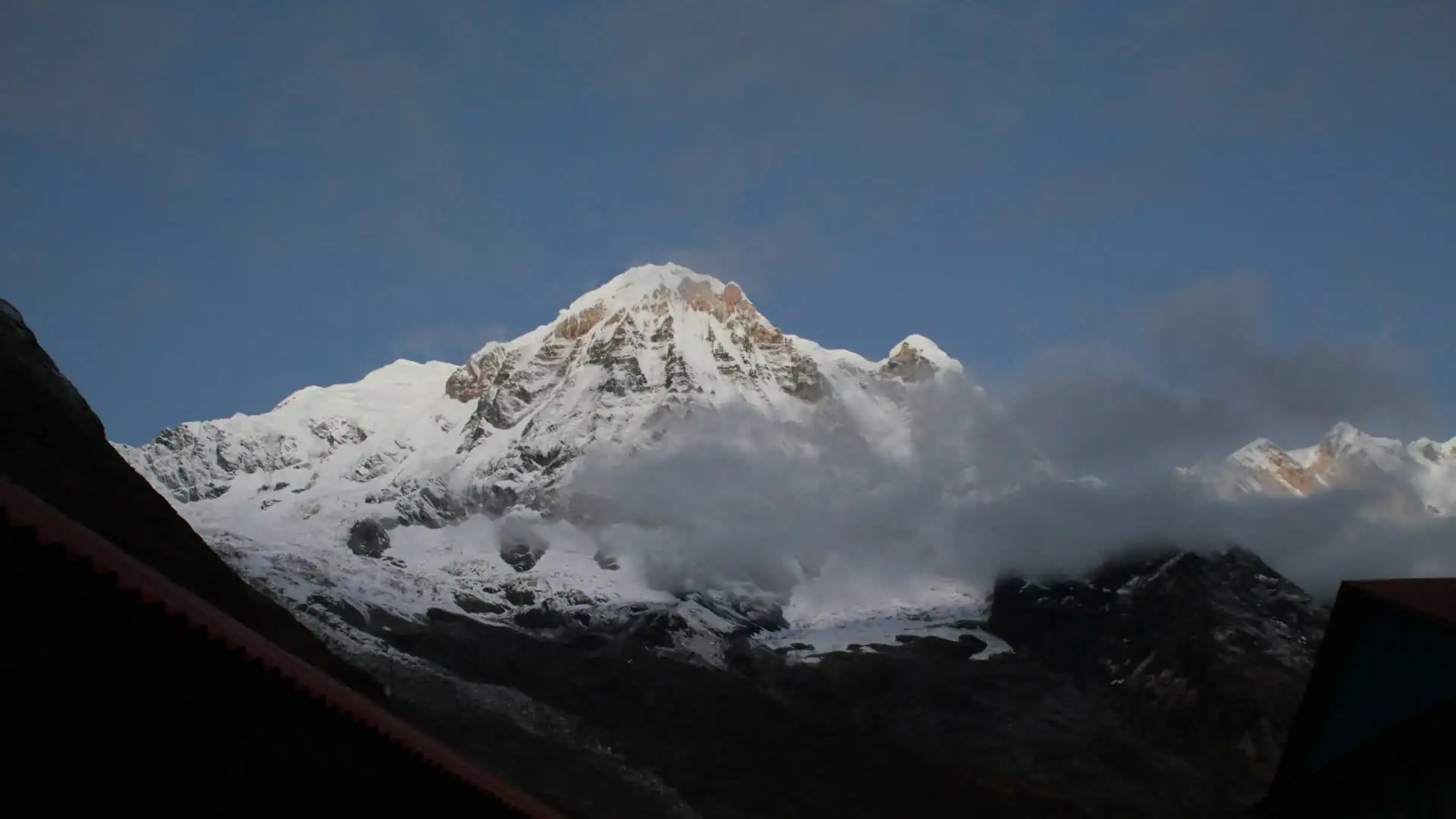
Accommodation Comfort Comparison by Village
For a clearer at-a-glance sense of where the trek gets more or less comfortable, here's a rough comfort-level mapping across the standard route.
Village/Stop | Elevation | Comfort level | Notable features |
|---|---|---|---|
Besisahar | ~760-800m | Comfortable | Full facilities, good road access |
Chame | 2,670m | Comfortable | District headquarters; solid infrastructure |
Pisang | ~3,200-3,300m | Moderate | Mix of standard and slightly more basic options |
Manang | 3,540m | Comfortable (relative to elevation) | Widest accommodation range on the whole route, bakeries, big dining halls |
Yak Kharka | ~4,010-4,120m | Basic | Small rooms, weak electricity, limited menu |
Thorong Phedi | ~4,420-4,540m | Very basic | Small plywood rooms, no hot water, shared facilities |
Thorong High Camp | ~4,880-4,925m | Very basic | The most basic and highest accommodation on the circuit |
Muktinath | ~3,760-3,800m | Moderate-comfortable | Established pilgrimage town with decent infrastructure |
Jomsom | ~2,700-2,743m | Comfortable | Road and air hub; good facilities |
Tatopani | ~1,190-1,200m | Comfortable | Known for hot springs; relaxed lower-elevation infrastructure |
Ghorepani | ~2,860-2,875m | Comfortable | Well-established overnight hub for multiple converging routes |
What to Pack Specifically for Accommodation Comfort
Beyond the general trekking packing list, a few items specifically improve your accommodation experience on this route:
Item | Why it matters for accommodation specifically |
|---|---|
Sleeping bag (appropriately rated) | Teahouse blankets are frequently insufficient for the cold at higher elevations, particularly from Yak Kharka upward |
Sleeping bag liner | Adds warmth and hygiene, useful given variable bedding standards across independently run teahouses |
Headlamp | Essential for nighttime bathroom trips, especially at higher elevations where facilities are often separate from the main sleeping area |
Earplugs | Teahouse walls, particularly the basic plywood construction common at higher elevations, are thin, and shared lodges mean noise travels easily |
Toilet paper | Not reliably supplied, especially at higher-elevation, more basic teahouses |
Hand sanitizer / wet wipes | Useful given variable washing facilities, particularly at higher elevations |
A warm layer for evenings | Dining halls are heated by a central stove but rooms themselves are typically unheated |
Power bank | Reduces reliance on paid, sometimes unreliable teahouse charging |
Cash Planning for Accommodation and Related Costs
This is one of the most important practical points in this entire guide: the Annapurna Circuit is essentially a cash-only economy above Chame, with no ATMs between Manang and Jomsom. This has direct implications for accommodation-related spending specifically, since rooms, meals, hot showers, WiFi, and charging are all typically paid for in cash, on the spot, at each teahouse.
A commonly recommended cash buffer for personal spending beyond what a package covers is roughly NPR 30,000-40,000 (approximately USD 225-300) for the full trek — running short of cash at 4,800 meters is a genuinely avoidable problem worth planning around carefully.
Daily Accommodation-Related Budget Estimate
Expense category | Typical daily range |
|---|---|
Room (if not meal-discounted) | USD 3-17, increasing with elevation |
Three meals | USD 15-30, increasing with elevation |
Hot shower | USD 1-4 |
WiFi | USD 1-5 |
Device charging | USD 1-3 |
Total typical daily on-trail spend | Roughly USD 35-50 per day for most trekkers on a standard 12-17 day itinerary |
How Accommodation Differs From Other Nepal Treks
For trekkers weighing the Annapurna Circuit against other routes, a few comparative accommodation notes:
Compared to Annapurna Base Camp or Ghorepani Poon Hill, the Circuit's accommodation covers a considerably wider comfort range, given its much larger elevation span — ABC and Poon Hill don't have an equivalent to the extremely basic Thorong Phedi/High Camp stretch, since neither route reaches comparable altitude or remoteness.
Compared to Everest Base Camp, teahouse standards along the Annapurna Circuit are broadly comparable in character (independently owned, walk-in based, increasingly basic at altitude), though the Circuit's road access on its lower sections means slightly better infrastructure at the trailhead end than EBC's flight-only approach via Lukla.
Compared to restricted-area treks like Nar Phu Valley or Upper Mustang, accommodation on the main Circuit route is considerably more developed and established, given the much higher volume of trekker traffic supporting a denser network of teahouses.
What a Guided Package Typically Handles For You
If booking through an operator like Adventure Life Nepal, accommodation logistics are generally folded directly into your package rather than something you manage teahouse by teahouse:
Room selection and negotiation, including the standard meal-inclusive discount arrangement most teahouse owners offer
Advance coordination during peak season at high-demand, limited-capacity stops like Thorong Phedi and High Camp
Guide familiarity with which specific teahouses in each village offer the best combination of comfort, food quality, and value, rather than trekkers guessing at an unfamiliar walk-in system
Handling of any accommodation adjustments needed due to weather delays, extra acclimatization days, or itinerary changes
This is one of the more underappreciated practical benefits of guided trekking on this route — not just company on the trail, but genuine local knowledge of which teahouse in Manang has the best bakery, or which Thorong Phedi lodge tends to be marginally less crowded during peak season.
Etiquette and Practical Tips for Teahouse Stays
Eat where you sleep. This isn't just polite — it's the standard economic arrangement that keeps room prices low, and it's generally expected as a matter of course rather than optional courtesy.
Keep noise down in the evening, particularly in shared, thin-walled higher-elevation lodges where an early pre-dawn departure (common before crossing Thorong La) means fellow trekkers are often sleeping early.
Don't expect privacy at higher elevations. Shared or dormitory-style rooms become increasingly common as you approach the pass, simply due to limited teahouse capacity relative to trekker volume.
Carry cash in small denominations. Higher-elevation teahouses, dealing with limited cash flow themselves, often struggle to make change for large notes.
Be patient with facilities. Hot showers, WiFi, and charging are genuinely dependent on solar and small-scale power systems that can be affected by weather — treat any of these as a bonus rather than a guarantee, especially above Manang.
Frequently Asked Questions about Annapurna Circuit Accommodation
1. What are teahouses like on the Annapurna Circuit?
Independently owned guesthouses (locally called bhatti) offering both lodging and meals, ranging from comfortable, multi-story lodges in lower villages to very basic plywood rooms at high-altitude stops like Thorong Phedi and High Camp.
2. How much does a teahouse room cost on the Annapurna Circuit?
Roughly USD 3-8 in lower villages like Besisahar and Chame, rising to USD 8-17 in Manang and near Thorong Phedi/Muktinath, with some newer lodges offering attached bathrooms and hot water for USD 15-20.
3. Is it true that rooms are sometimes free?
Yes — many teahouse owners offer free or heavily discounted rooms if you commit to eating all your meals at their lodge, since teahouses primarily earn their income from food sales rather than room charges. This is the standard arrangement most guided treks operate under.
4. What's the most basic accommodation on the entire route?
Thorong Phedi (~4,450m) and Thorong High Camp (~4,880-4,925m) offer the most basic rooms on the circuit — small plywood rooms, shared toilets, and typically no hot water, given how difficult these high-altitude locations are to supply.
5. Do I need to book accommodation in advance?
Most accommodation operates on a walk-in basis, but during peak season (October-November, March-April), advance arrangement — typically handled by your guide if trekking with an operator — becomes valuable, especially at capacity-limited high-altitude stops.
6. Are hot showers available throughout the trek?
Generally yes at lower and middle elevations, costing roughly USD 1-4, but availability becomes unreliable or nonexistent at the highest stops (Thorong Phedi and High Camp specifically), where solar and gas heating struggle to keep pace with demand and cold conditions.
7. Is WiFi available along the entire route?
WiFi is present in most villages through Manang, typically costing USD 1-5, but becomes increasingly unreliable and slow at higher elevations — it shouldn't be relied upon for anything beyond basic, patient use.
8. Should I bring my own sleeping bag?
Yes, strongly recommended. Teahouse blankets are frequently insufficient for the cold at higher elevations, particularly from Yak Kharka upward, where nighttime temperatures drop well below freezing.
9. Are bathrooms private or shared?
Attached private bathrooms are more common at lower elevations; shared bathrooms with squat-style toilets become the norm from Manang upward, and are standard at the highest, most basic stops near Thorong La.
10. How much cash should I carry for accommodation and related costs?
A commonly recommended buffer is roughly NPR 30,000-40,000 (USD 225-300) for the full trek, since the route is essentially a cash-only economy above Chame with no ATMs between Manang and Jomsom.
11. Why does everything get more expensive at higher elevations?
Because food, cooking gas, and building materials all have to be carried up by porters, mules, or yaks to reach these remote, high-altitude villages — the increased cost of supply is directly reflected in room and meal prices as you climb.
12. What's the food like at teahouses?
Primarily Nepali staples like dal bhat (rice, lentils, vegetables, often with free refills) and noodles, with some Western options (pasta, pizza, pancakes) available at larger villages like Manang, and the menu narrowing considerably at higher, smaller stops.
13. Do all teahouses have electricity?
Most have some electricity, typically solar or small-scale hydroelectric powered, but it's often weak and unreliable at higher elevations, with charging generally available only in the communal dining area rather than individual rooms.
14. Does booking with a guided operator change the accommodation experience?
Yes, meaningfully — guides working this route regularly have established relationships with specific teahouses, generally secure better room availability during peak season, and typically arrange the standard meal-inclusive discount, all of which is folded into a guided package rather than something independent trekkers negotiate room by room.
Final Thoughts on Annapurna Circuit Accommodation
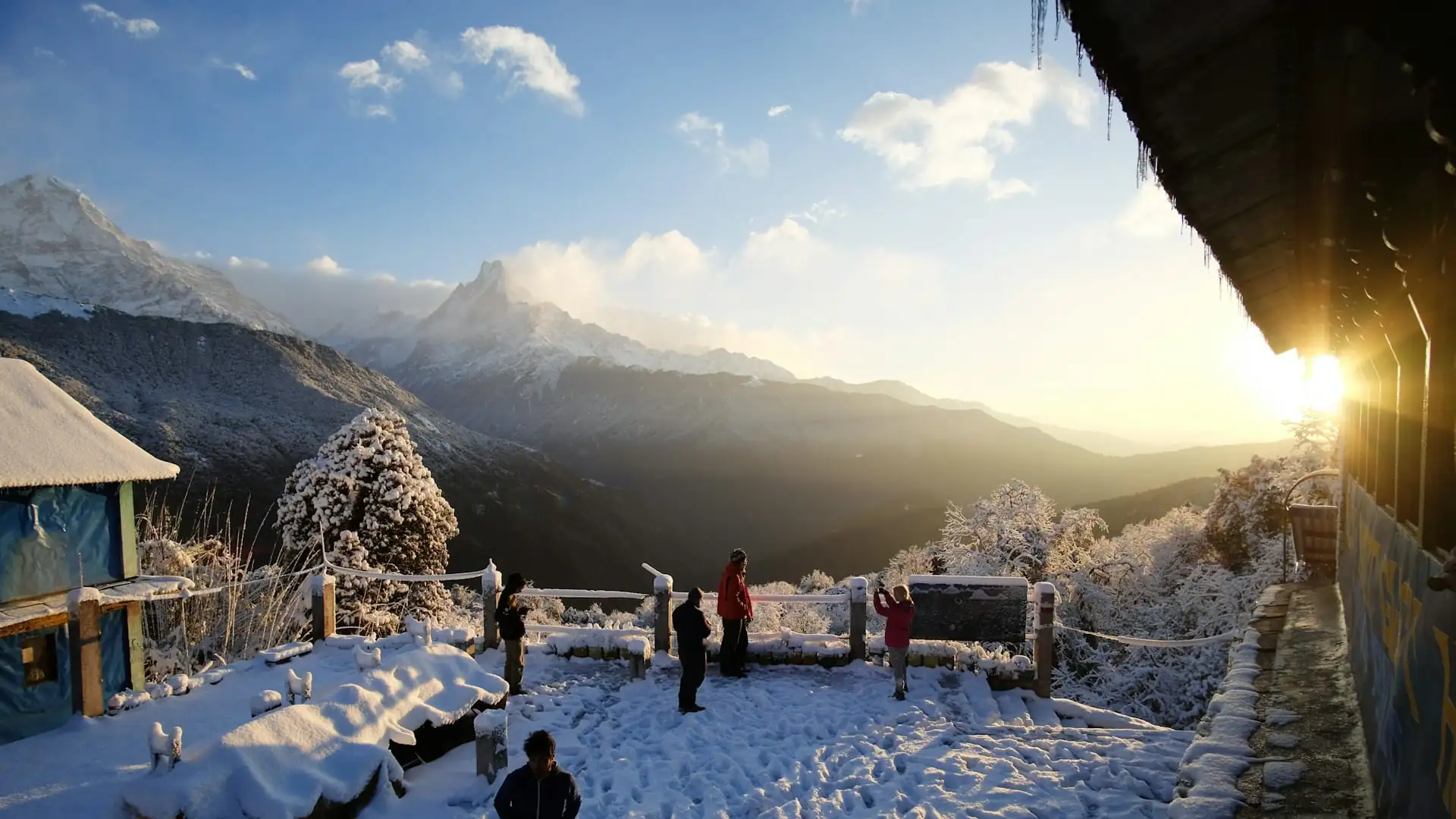
Accommodation on the Annapurna Circuit isn't a single experience — it's a gradually shifting one, moving from genuinely comfortable rooms with hot showers and reliable WiFi in the lower villages, through the wide-ranging comfort of Manang, into the deliberately basic, hardy teahouses near Thorong Phedi and High Camp, before easing back toward comfort on the far side of the pass.
None of this basicness at altitude is a flaw in the system — it's simply what's physically possible to maintain at nearly 4,900 meters, supplied entirely by mule and porter, in one of the most remote high-altitude stretches of trail in the Himalaya.
Pack a warm sleeping bag, carry enough cash, expect the dining hall stove to be the real heart of each evening, and the accommodation on this trek becomes exactly what it's meant to be — simple, warm enough, and genuinely part of the adventure rather than an inconvenience to get through.