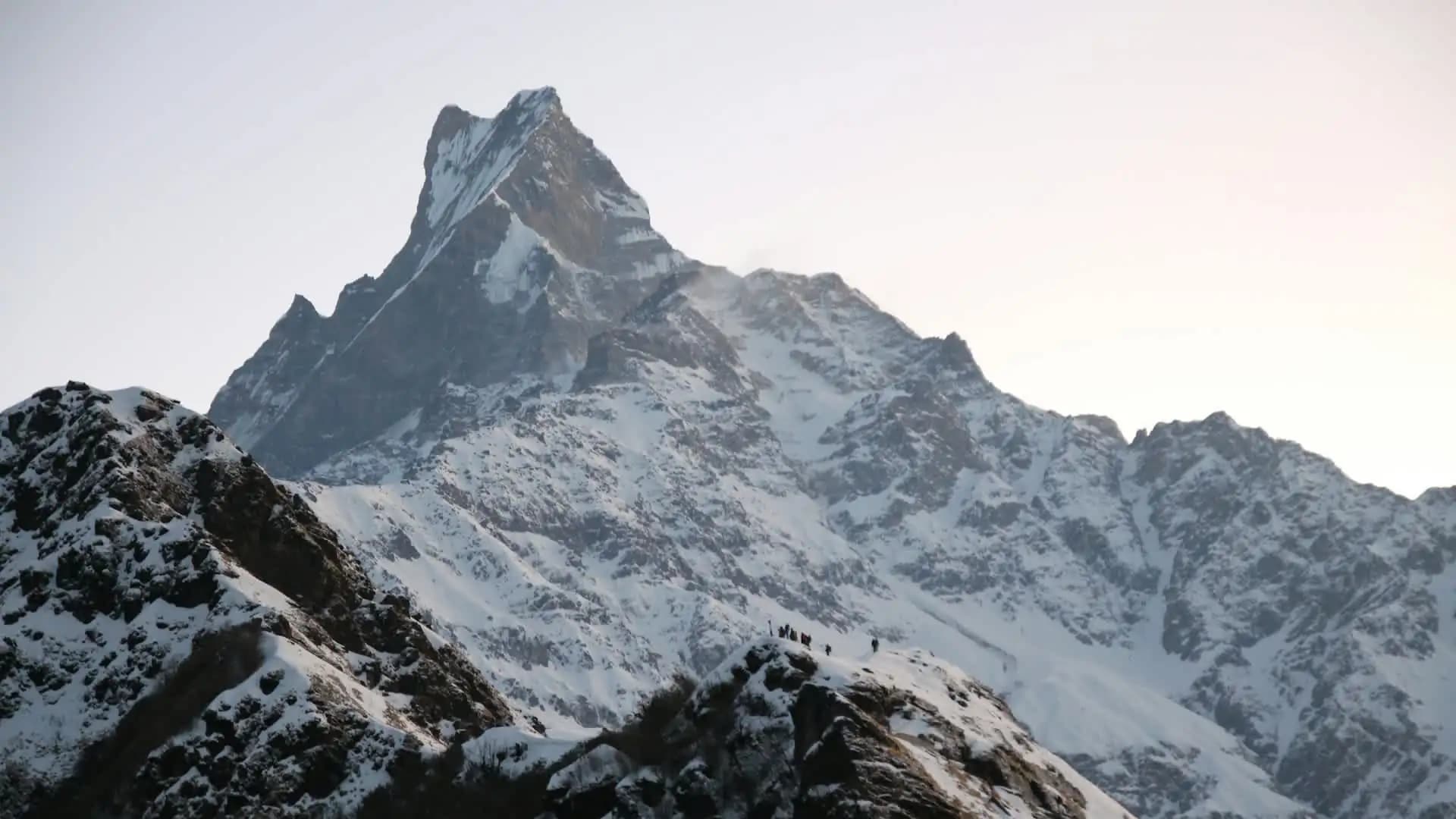
Mardi Himal vs ABC Trek 2026: Which One Should You Choose?
Introduction to Mardi Himal vs ABC Trek
Mardi Himal and Annapurna Base Camp (ABC) are the two most commonly compared treks in Nepal's Annapurna region, and for good reason — both depart from Pokhara, both sit inside the same Annapurna Conservation Area, and both deliver genuine high-altitude Himalayan scenery without requiring technical climbing skill.
But they're built for different trips: Mardi Himal is a compact four-to-seven-day ridge trek reaching 4,500 meters with close, dramatic views of Machhapuchhre, while ABC is a longer seven-to-twelve-day valley trek reaching 4,130 meters that delivers trekkers directly into the Annapurna Sanctuary, ringed by Annapurna I (8,091 m) and several other 7,000-and-8,000-meter peaks.
This guide compares both routes across every dimension that actually matters for choosing between them — elevation, duration, difficulty, scenery, cost, crowds, and who each trek genuinely suits.
Quick Comparison Table
Factor | Mardi Himal | Annapurna Base Camp (ABC) |
|---|---|---|
Maximum elevation | 4,500 m (13,550 ft) | 4,130 m (13,550 ft is ABC's own figure — see note below) |
Typical duration | 4–7 days | 7–12 days |
Total elevation gain | ~2,700–2,860 m | ~3,060 m |
Trail type | Single exposed ridge | River valley (Modi Khola) into a mountain amphitheater |
Difficulty | Moderate | Moderate |
Crowds | Low–moderate | Moderate–high (one of Nepal's most popular treks) |
Signature view | Machhapuchhre (6,993 m), close range | Annapurna I (8,091 m), Annapurna South, Hiunchuli, Gangapurna, Machhapuchhre — full amphitheater |
Accommodation | Teahouses throughout | Teahouses throughout |
Overnight at final destination | No — Base Camp is a day excursion from High Camp | Yes — ABC has overnight teahouses |
Permits | ACAP + licensed guide | ACAP + licensed guide |
Best for | Limited time, quieter trail, ridge scenery | Full Sanctuary experience, more time available |
Note: Both treks' highest overnight/day-visit destinations are commonly cited around the 4,100–4,500 m range; Mardi Himal's Base Camp (4,500 m) is a day-visit point from High Camp, while ABC (4,130 m) is an overnight stop reached directly by trail.
Elevation: How the Two Treks Actually Compare
Mardi Himal's final point — Base Camp at 4,500 meters — sits notably higher than ABC's 4,130 meters, a fact that surprises many trekkers who assume the more famous trek (ABC) must reach the higher altitude. It doesn't. That said, the practical experience of altitude differs meaningfully between the two treks because of how each reaches its highest point.
Elevation reference point | Mardi Himal | ABC |
|---|---|---|
Trailhead | 1,640–1,770 m (Dhampus/Kande) | ~1,070 m (Nayapul/Samrung) |
Mid-route stop | Forest Camp, 2,600 m | Chhomrong, ~2,170 m |
High-altitude staging point | High Camp, 3,600–3,900 m | Deurali, 3,230 m |
Highest point | Base Camp, 4,500 m (day visit) | Base Camp, 4,130 m (overnight) |
Total elevation gain | ~2,700–2,860 m | ~3,060 m |
Because Mardi Himal reaches a higher point in a shorter total trip, its elevation gain is more compressed — a genuine difficulty factor discussed further below. ABC's total gain is actually slightly larger, but it's spread across a longer itinerary, generally resulting in a more gradual daily pace.
Duration: The Single Biggest Practical Difference
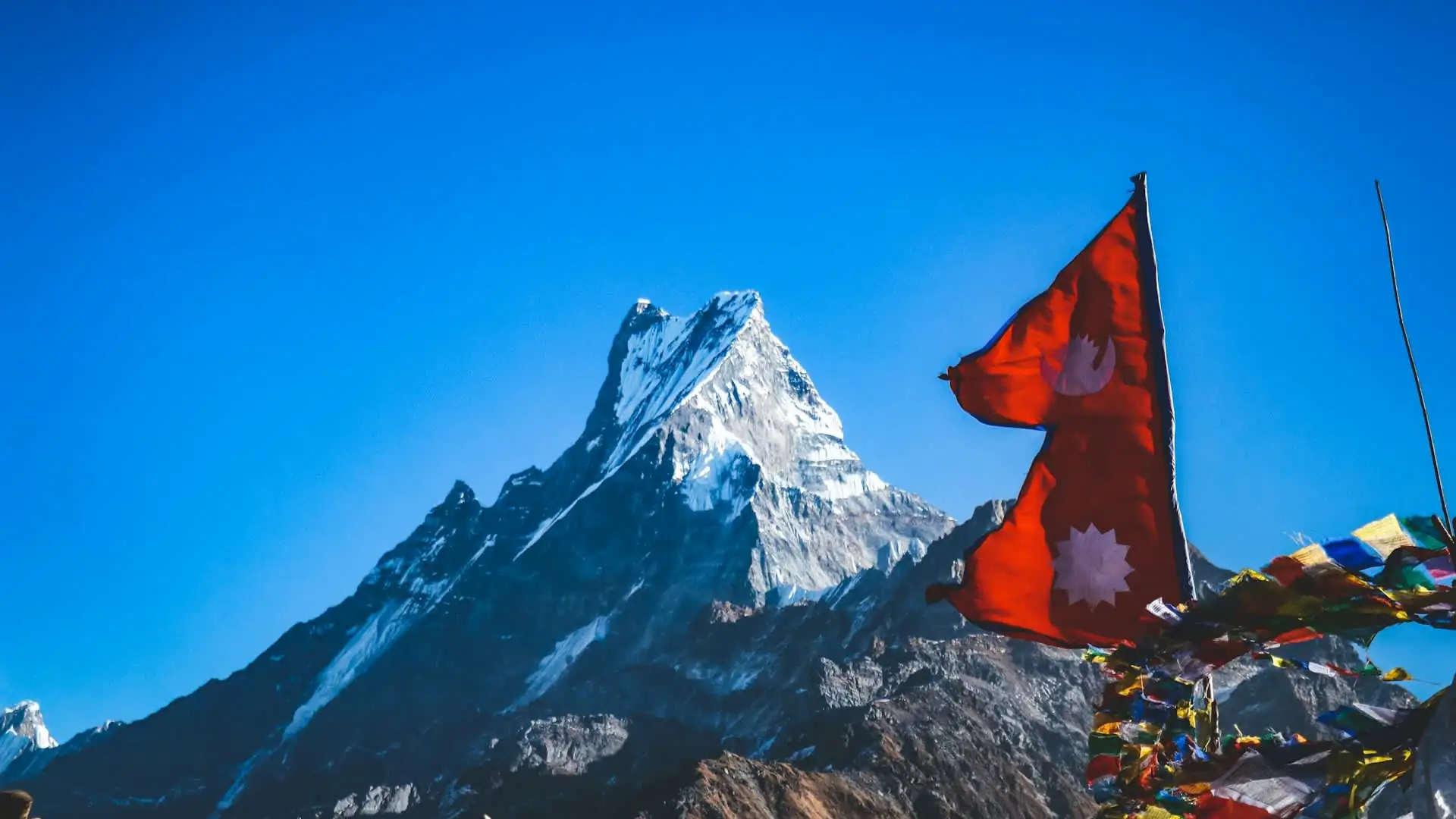
This is often the deciding factor for trekkers choosing between the two, and it's worth stating plainly: Mardi Himal takes roughly half the time of a standard ABC trek.
Trek | Typical duration | Shortest reasonable version | Longest common version |
|---|---|---|---|
Mardi Himal | 4–7 days | 4 days (compressed, fit trekkers only) | 7 days (with buffer/rest day) |
ABC | 7–12 days | 7 days (compressed) | 12 days (relaxed, with side stops) |
If your available vacation time is genuinely limited to under a week including travel days in and out of Nepal, Mardi Himal is very often the more realistic choice. If you have a week and a half to two weeks available, ABC's longer, more gradual itinerary becomes comfortably achievable without needing to compress the schedule.
Difficulty: Different Kinds of Demanding
Both treks are rated moderate difficulty, but the nature of that difficulty differs in an important way.
Mardi Himal's difficulty profile
Elevation gain is compressed into a shorter timeframe, producing steeper per-day gains
The Forest Camp to High Camp stage involves a significant single-day climb (roughly 1,000–1,300 m)
The final High Camp to Base Camp push happens pre-dawn, on an increasingly narrow, exposed ridge
Less built-in acclimatization buffer given the shorter overall itinerary
ABC's difficulty profile
Elevation gain is spread more gradually across more days
Extensive stone stairway sections (particularly Ghandruk to Chhomrong) are genuinely hard on knees and quads, arguably tougher in the moment than the higher-altitude sections
The steepest single-day gain (Deurali to ABC via Machhapuchhre Base Camp) is roughly 900–990 meters
More time overall for the body to adjust between elevation increases
Difficulty factor | Mardi Himal | ABC |
|---|---|---|
Elevation gain per day (approx.) | 385–715 m/day | 255–435 m/day |
Technical climbing required | None | None |
Terrain challenge | Exposed ridge, narrow trail near top | Extensive stone stairways |
Acclimatization buffer | Less, given shorter trip | More, given longer trip |
AMS risk | Moderate | Moderate, generally considered slightly more forgiving given the pacing |
The practical takeaway: Mardi Himal isn't necessarily "harder" than ABC in absolute terms — ABC actually has a larger total elevation gain — but Mardi Himal's difficulty is more concentrated, meaning individual days can feel more demanding even though the overall trip is shorter.
Scenery: What You Actually See on Each Trek
This is where the two treks diverge most meaningfully in character, and it's worth understanding in detail since it's often the real deciding factor once duration and difficulty are accounted for.
Mardi Himal's scenery
A single, sustained, close-range view of Machhapuchhre (6,993 m) from an angle most other regional treks don't offer
Views open up gradually as the trail climbs from forest onto the exposed ridge
On clear mornings from Base Camp: Machhapuchhre dominates, with Annapurna South and Hiunchuli also visible
Genuinely quieter trail, meaning a more solitary, contemplative scenery experience
ABC's scenery
Arrival inside the Annapurna Sanctuary — a natural amphitheater ringed by peaks on nearly all sides
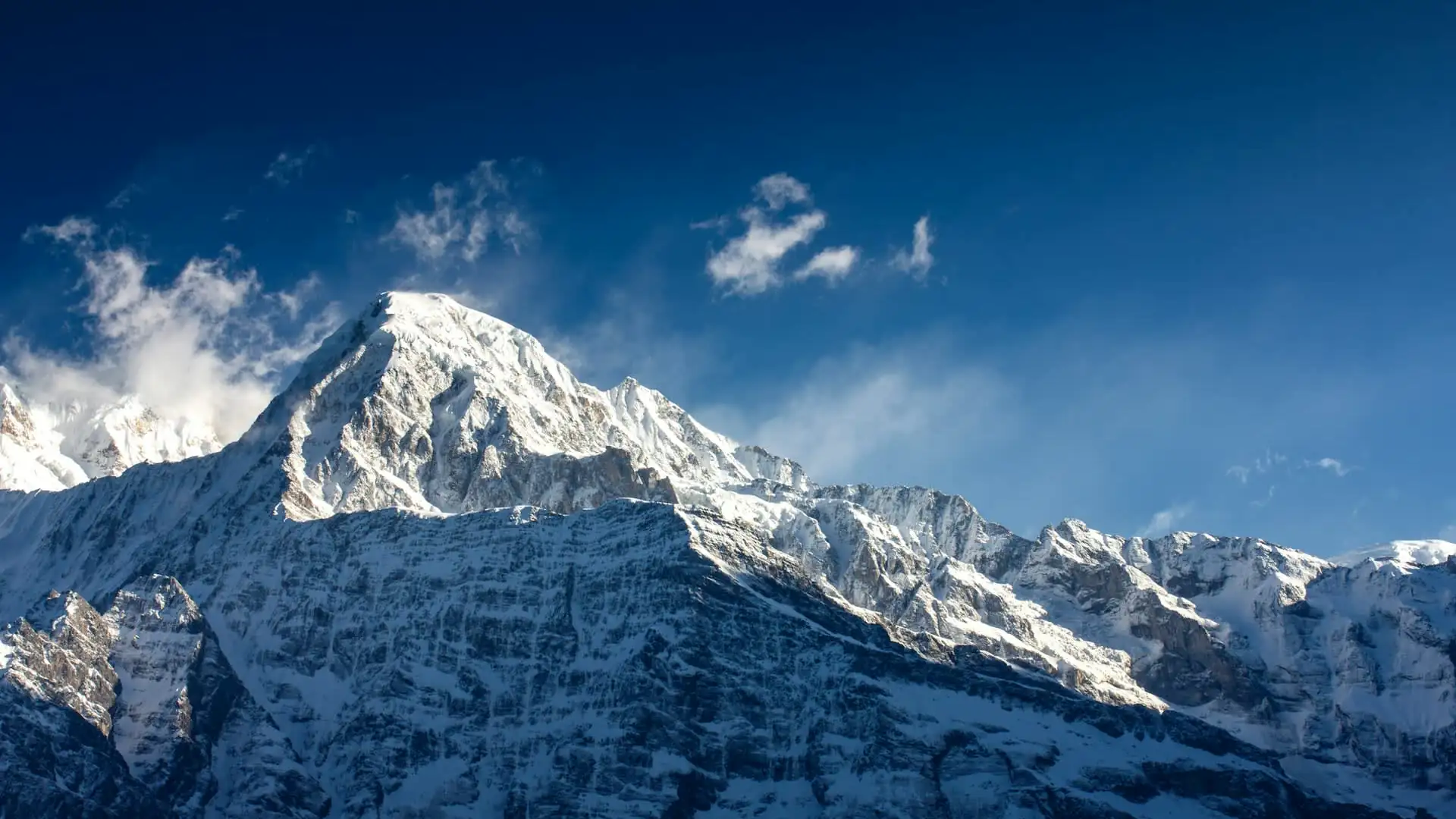
Peaks visible simultaneously from Base Camp include Annapurna I (8,091 m), Annapurna South (7,219 m), Hiunchuli (6,441 m), Gangapurna (7,455 m), and Machhapuchhre (6,993 m)
A genuinely rare geographic arrangement — multiple 7,000-and-8,000-meter summits visible from one vantage point
Passes through diverse terrain: subtropical lower valleys, rhododendron and oak forest, traditional Gurung and Magar villages, and finally the enclosed high-altitude Sanctuary itself
Scenery factor | Mardi Himal | ABC |
|---|---|---|
Primary peak view | Machhapuchhre (close range) | Full amphitheater: Annapurna I, South, Hiunchuli, Gangapurna, Machhapuchhre |
Number of major peaks visible from final point | 2–3 | 5+ |
Terrain variety along the route | Forest to exposed ridge | Subtropical valley, forest, villages, glacial amphitheater |
Cultural stops along the way | Limited | Ghandruk (Gurung village), Chhomrong (Gurkha heritage) |
The honest comparison: ABC delivers a genuinely more complete, more varied, and more dramatic mountain panorama at its final destination — this is part of why it remains one of Nepal's most popular treks overall. Mardi Himal delivers a narrower but more intimate, closer-range experience of a single iconic peak, with the trade-off of considerably fewer other trekkers sharing the trail.
Crowds and Trail Atmosphere
Factor | Mardi Himal | ABC |
|---|---|---|
Overall popularity | Moderate, growing | High — one of Nepal's most popular treks |
Peak season crowding | Noticeable but manageable | Can be genuinely busy at Chhomrong and near ABC in October–November |
Teahouse capacity concerns | Less common | Can occur at MBC/ABC during peak weeks |
Trail solitude | Considerably quieter | Busier, more social atmosphere |
Trekkers specifically seeking a quieter, less crowded high-altitude experience within the Annapurna region often find Mardi Himal genuinely refreshing compared to ABC's busier trail, particularly during the peak October-November window when ABC's Chhomrong-to-Base-Camp stretch sees significant trekker traffic.
Cost Comparison of Mardi Himal vs ABC Trek
Cost category | Mardi Himal | ABC |
|---|---|---|
Typical guided package (standard duration) | Generally lower, given shorter duration | $500–$900 for a standard 7–10 day package |
Permits | ACAP (~NPR 3,000 / USD 23) | Same — ACAP (~NPR 3,000 / USD 23) |
Guide/porter costs | Lower total, given fewer days | Higher total, given more days |
Daily on-trail costs (food, accommodation) | Similar per-day rates to ABC at comparable altitudes | Similar per-day rates |
Since both treks fall within the same Annapurna Conservation Area and use the identical ACAP permit, the core permit cost is the same for both. The overall trip cost difference comes down almost entirely to duration — fewer days on Mardi Himal generally means a lower total package price, simply because there are fewer guide-days, porter-days, and teahouse nights to pay for.
Permits: Identical Requirements
Both treks require exactly the same documentation, since both sit within the Annapurna Conservation Area.
Permit | Cost (2026, foreign nationals) | Applies to |
|---|---|---|
ACAP (Annapurna Conservation Area Permit) | NPR 3,000 (~USD 23) | Both Mardi Himal and ABC |
TIMS Card | NPR 2,000 (~USD 15–20), enforcement varies in 2026 | Both routes |
Licensed guide | Mandatory since April 2023 | Both routes, no exceptions |
There is no permit-based reason to choose one trek over the other — the decision comes down entirely to time, difficulty preference, and which scenery experience appeals more.
Accommodation: Teahouses on Both, With One Key Difference
Both treks run entirely on Nepal's teahouse system — small, family-run guesthouses offering basic private rooms and home-cooked meals, with the same general "eat where you sleep" economic arrangement on both routes.
Accommodation factor | Mardi Himal | ABC |
|---|---|---|
Teahouse quality (lower villages) | Basic to comfortable | Basic to comfortable, some attached bathrooms |
Teahouse quality (highest points) | Very basic at High Camp | Very basic at MBC/ABC |
Overnight at final destination | No — Base Camp is a day visit from High Camp | Yes — ABC has overnight teahouses |
Hot showers at altitude | Limited at High Camp | Limited/unavailable at MBC/ABC |
A genuinely important structural difference: ABC trekkers sleep at Base Camp itself, waking up inside the Annapurna Sanctuary. Mardi Himal trekkers do not sleep at their trek's highest point — Base Camp is reached as a pre-dawn day excursion from High Camp and descended from the same day, since there's no overnight teahouse infrastructure at that exact 4,500-meter point on this particular route.
Best Season for Each Trek
Both treks follow the same broad seasonal pattern common across the Annapurna region, though Mardi Himal's ridge-dependent views make season selection arguably even more consequential.
Season | Mardi Himal | ABC |
|---|---|---|
Spring (Mar–May) | Excellent, plus rhododendron blooms | Excellent, plus rhododendron blooms |
Autumn (late Sep–Nov) | Excellent — clearest ridge visibility of the year | Excellent — clearest Sanctuary visibility of the year |
Winter (Dec–Feb) | Cold, trekkable for prepared trekkers | Cold at Base Camp/MBC, trekkable for prepared trekkers |
Monsoon (Jun–early Sep) | Not recommended — persistent cloud cover ruins ridge views | Not recommended — poor visibility, wet trail, leeches |
Because Mardi Himal's entire appeal is built around ridge-line visibility, cloud cover has an outsized negative impact on this specific trek compared to ABC, where the Sanctuary's enclosed geography and forested lower stages still offer some scenic value even on a partly cloudy day.
Physical Fitness Requirements
Fitness factor | Mardi Himal | ABC |
|---|---|---|
Cardiovascular endurance needed | Moderate–high, given compressed pacing | Moderate |
Daily walking hours | 5–7 hours, longer on summit-push day | 5–7 hours |
Recommended training lead time | 8–12 weeks | 8–12 weeks |
Knee/joint strain | Significant on the Landruk descent | Significant on the stone stairway sections |
Both treks benefit from similar pre-trip physical preparation — cardiovascular training, stair/hill climbing, and broken-in trekking boots all matter equally for either choice. The main difference is that Mardi Himal's compressed schedule means less time to recover between demanding days, while ABC's stone stairways present their own distinct, repetitive strain on joints.
Which Trek Should You Choose?
Choose Mardi Himal if:
You have four to seven days available, including limited buffer time
You want a quieter, less crowded trail experience
A close-up view of a single iconic peak (Machhapuchhre) genuinely appeals to you more than a wider panorama
You're comfortable with a more physically compressed itinerary
You've already done ABC or another Annapurna region trek and want something different
Choose Annapurna Base Camp if:
You have seven to twelve days available
You want the fullest, most dramatic mountain panorama the region offers — multiple 7,000-and-8,000-meter peaks from one vantage point
You want to actually sleep inside the Annapurna Sanctuary rather than day-visiting a high point
You're interested in passing through more varied terrain and cultural stops (Ghandruk, Chhomrong)
This is your first major trek in the Annapurna region and you want the more complete, iconic version of the experience
Consider combining both if:
You have two to three weeks available
Both treks share trail infrastructure at Landruk and Ghandruk, making a combined itinerary genuinely practical rather than requiring two entirely separate trips
A combined Mardi Himal + ABC itinerary lets you experience both the intimate ridge scenery and the full Sanctuary panorama in a single extended trip
Your priority | Recommended trek |
|---|---|
Limited time (under a week) | Mardi Himal |
Maximum mountain panorama | ABC |
Quietest trail experience | Mardi Himal |
Most iconic, well-rounded Annapurna experience | ABC |
First trek in Nepal | ABC (more complete introduction) |
Return visitor wanting something different | Mardi Himal |
Two-plus weeks available | Consider combining both |
Combining Mardi Himal and ABC Into One Trip
Because both routes share trail junctions at Landruk and Ghandruk, a combined itinerary is a genuinely practical option for trekkers with sufficient time, rather than an artificial pairing of two unrelated trips.
A typical combined itinerary structure:
Phase | Days | Route |
|---|---|---|
Mardi Himal | 4–5 days | Kande/Dhampus → Forest Camp → High Camp → Base Camp (day visit) → descend to Low Camp |
Connector | 1 day | Low Camp → Landruk → Ghandruk |
ABC | 6–8 days | Ghandruk → Chhomrong → Sinuwa → Deurali → MBC → ABC → descend |
This combination typically runs 12 to 14 days total and delivers both trek's signature experiences — Mardi Himal's close ridge view of Machhapuchhre and ABC's full Sanctuary panorama — without needing to return to Pokhara and restart logistics between the two.
Common Misconceptions About Each Trek
"Mardi Himal is easier because it's shorter." Not necessarily true — its compressed elevation gain can make individual days more demanding than ABC's more gradually paced itinerary, even though the total trip length is shorter.
"ABC is harder because it reaches close to a famous 8,000-meter peak." The trek to Base Camp itself involves no technical climbing and no proximity risk to Annapurna I's genuine mountaineering hazards — those risks apply only to climbers attempting the actual summit, an entirely separate undertaking from the standard trekking route.
"You sleep at the top on both treks." Not accurate. ABC trekkers do sleep at Base Camp (4,130 m). Mardi Himal trekkers do not sleep at their trek's highest point (4,500 m) — it's a day-visit destination from High Camp.
"Mardi Himal has no real cultural element." While ABC has more cultural stops overall (Ghandruk, Chhomrong), Mardi Himal's lower forest sections still pass through areas with genuine Gurung cultural presence, particularly on the Landruk descent side.
Frequently Asked Questions about Mardi Himal vs ABC Trek
Which trek is better for beginners — Mardi Himal or ABC? ABC is generally considered the more forgiving option for genuine first-time trekkers, given its more gradually paced itinerary and larger built-in acclimatization buffer, though both are accessible to reasonably fit beginners with proper preparation.
Which trek is shorter? Mardi Himal, typically 4 to 7 days compared to ABC's 7 to 12 days.
Which trek reaches a higher altitude? Mardi Himal's Base Camp (4,500 m) sits higher than ABC's Base Camp (4,130 m), though Mardi Himal's high point is a day visit rather than an overnight stop.
Is Mardi Himal or ABC more difficult? Both are rated moderate difficulty, but for different reasons — Mardi Himal's difficulty comes from compressed elevation gain over fewer days, while ABC's comes from extensive stone stairways and a longer overall trip.
Which trek has better views? ABC offers a wider, more dramatic panorama with multiple major peaks visible simultaneously (Annapurna I, Annapurna South, Hiunchuli, Gangapurna, Machhapuchhre). Mardi Himal offers a closer, more intimate view focused primarily on Machhapuchhre.
Which trek is less crowded? Mardi Himal is considerably quieter than ABC, which is one of Nepal's most popular treks and can see significant trekker traffic during peak autumn season.
Do both treks require the same permits? Yes — both require the ACAP permit and a licensed guide, since both fall within the Annapurna Conservation Area.
Can I combine Mardi Himal and ABC into one trip? Yes — the two routes share trail junctions at Landruk and Ghandruk, making a combined 12-to-14-day itinerary a genuinely practical option for trekkers with sufficient time.
Which trek is better for a first visit to Nepal? ABC is generally recommended for a first visit, given its more complete, iconic Annapurna Sanctuary experience and more gradual pacing.
Do I sleep at the highest point on both treks? No — ABC trekkers sleep at Base Camp itself. Mardi Himal trekkers do not sleep at Base Camp; it's reached as a pre-dawn day excursion from High Camp.
Which trek is cheaper? Mardi Himal generally costs less overall, primarily because its shorter duration means fewer guide-days, porter-days, and teahouse nights to pay for — daily on-trail costs are similar between the two.
Is altitude sickness a bigger risk on one trek versus the other? Both carry moderate AMS risk. Mardi Himal's compressed itinerary offers less acclimatization buffer, while ABC's lower overall elevation and more gradual pacing generally make it the slightly more forgiving option in this regard.
Which trek is better if I only have five days? Mardi Himal, which can be completed in as few as four to seven days including some buffer, is a realistic fit for a five-day window. A standard ABC trek requires at least seven days minimum.
What's the biggest single difference between the two treks that most comparisons miss? That Mardi Himal's Base Camp is a day-visit destination reached from High Camp, not an overnight stop — a structural difference from ABC, where trekkers actually sleep inside the Sanctuary at Base Camp itself.
Conclusion on Mardi Himal vs ABC Trek
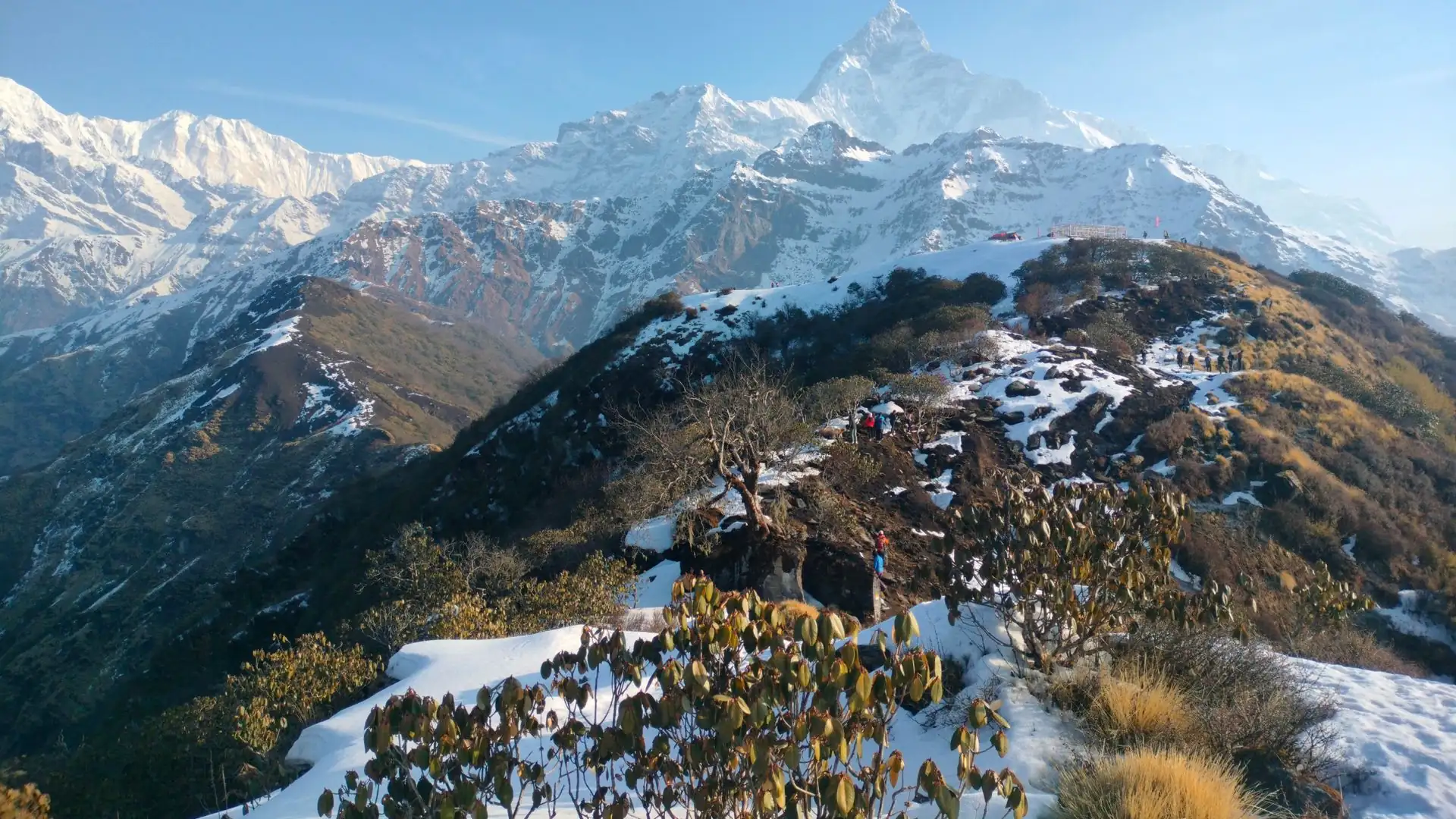
Mardi Himal and ABC aren't competing versions of the same trip — they're genuinely different experiences that happen to share a starting city and a permit system. Mardi Himal rewards trekkers with limited time and a preference for quieter trails with a compact, intimate climb to a close-range view of Machhapuchhre.
ABC rewards trekkers with more time available with a longer, more varied journey culminating in one of the most dramatic mountain amphitheaters in the Himalayas, directly beneath Annapurna I itself. Neither is objectively "better" — the right choice depends entirely on how much time you have, how much solitude you want on the trail, and whether a close-up view of one iconic peak or a full panoramic sweep of several matters more to your trip.
Adventure Life Nepal runs both routes regularly and, for trekkers with two weeks or more available, can build a combined itinerary that delivers both experiences in a single extended trip — so the choice doesn't necessarily have to be either-or at all.