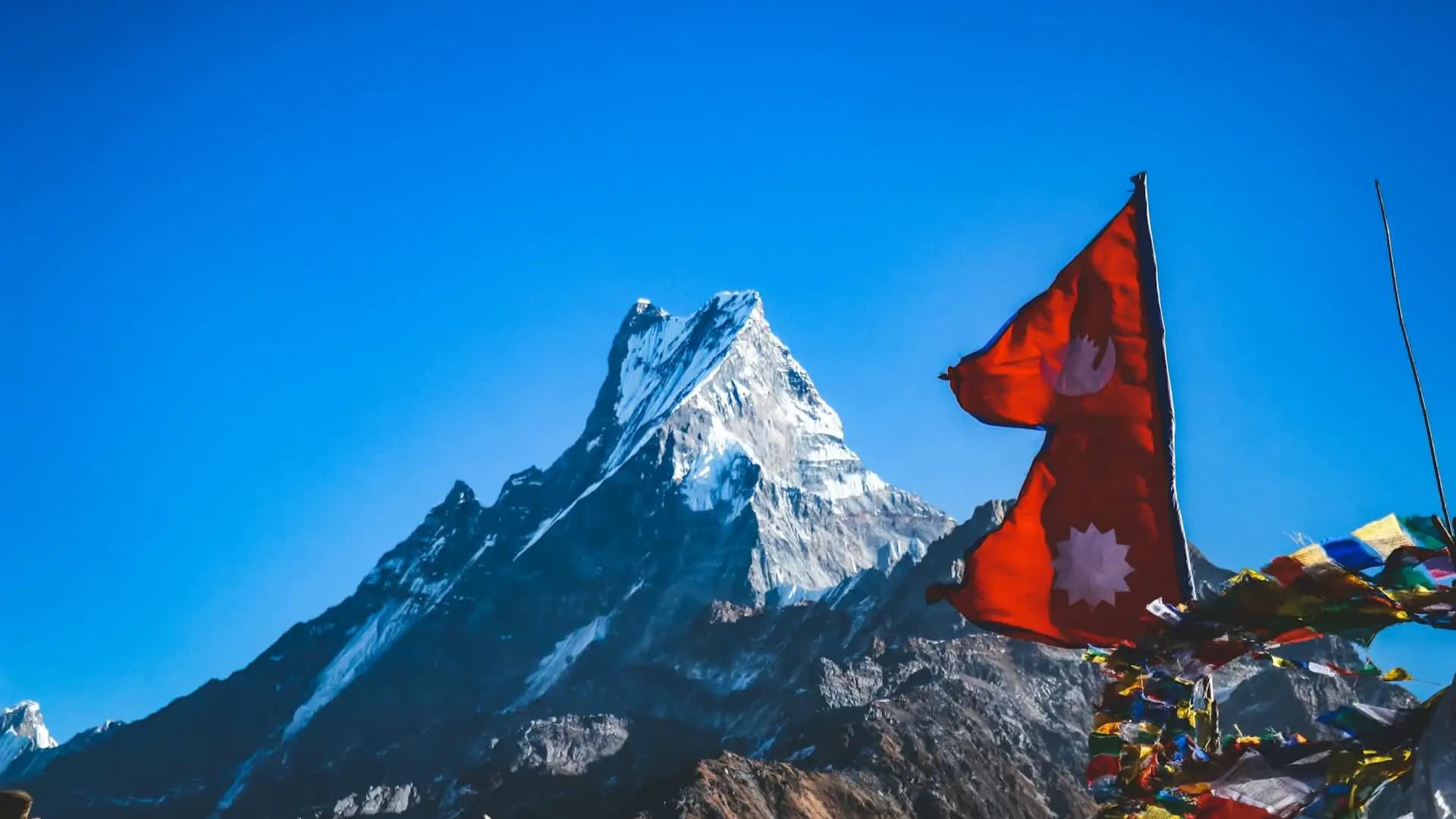
Mardi Himal Trek Difficulty 2026: Moderate Rating & Key Challenges
Introduction to Mardi Himal Trek Difficulty
The Mardi Himal trek is rated moderate difficulty — genuinely more demanding than a short valley walk, but requiring no technical climbing skill and remaining accessible to reasonably fit trekkers with some hiking experience.
What makes it feel harder than its "moderate" label might suggest is the combination of three specific factors: a considerable amount of elevation gain (roughly 2,700-plus meters) packed into a genuinely compressed four-to-seven-day itinerary, a steep, sustained single-day push from Forest Camp to High Camp, and a final pre-dawn ascent to Base Camp at 4,500 meters along an increasingly narrow, exposed ridge.
This guide breaks down exactly what makes this trek moderately difficult rather than easy or genuinely hard, section by section, so you can prepare accurately rather than either underestimating or overestimating what's ahead.
Mardi Himal difficulty at a glance
Factor | Rating/detail |
|---|---|
Overall difficulty | Moderate |
Technical climbing skill required | None |
Maximum elevation | 4,500 m (Base Camp), optional push to ~4,700 m |
Total elevation gain | ~2,700–2,860 m from trailhead |
Typical duration | 4–7 days |
Daily walking hours | 5–7 hours typical, longer on High Camp–Base Camp day |
Steepest single-day section | Forest Camp to High Camp (~1,000–1,300 m gain) |
Altitude sickness risk | Present, moderate — lower than Everest Base Camp or the Circuit |
Suitable for beginners | Yes, with reasonable fitness and preparation |
Why "Moderate" Is the Right Label — And What It Actually Means Here
Difficulty ratings across Nepal's trekking industry aren't standardized by any official body, which means "moderate" can mean different things depending on the source. For Mardi Himal specifically, moderate means: no ropes, no crampons, no glacier travel, and no technical climbing moves anywhere on the standard route — but also not a gentle, low-effort walk.
It sits clearly above easier regional treks like Poon Hill (3,210 m, 4–5 days, more gradual) and below genuinely demanding routes like the Annapurna Circuit (5,416 m, 12–20 days, extreme altitude) or Everest Base Camp (5,364 m, 12–14 days, higher elevation with more built-in acclimatization structure).
Mardi Himal occupies a distinctive middle position: it reaches genuinely high altitude (4,500 m) and demands real cardiovascular fitness, but compresses that challenge into a much shorter window than comparable-altitude treks elsewhere in the region.
Trek | Max elevation | Duration | Relative difficulty |
|---|---|---|---|
Poon Hill | 3,210 m | 4–5 days | Easy–moderate |
Mardi Himal | 4,500 m | 4–7 days | Moderate |
Annapurna Base Camp | 4,130 m | 7–12 days | Moderate |
Khopra Danda | 3,660 m | 6–9 days | Moderate |
Annapurna Circuit | 5,416 m | 12–20 days | Moderate–difficult |
Everest Base Camp | 5,364 m | 12–14 days | Moderate–difficult |
Notice that Mardi Himal actually reaches a higher final elevation than Annapurna Base Camp (4,130 m) or Khopra Danda (3,660 m), yet is completed in roughly half the time or less — this compression is the single biggest driver of the trek's genuine difficulty, more so than the elevation number alone.
The Core Difficulty Factor: Elevation Gain Packed Into a Short Timeframe
This is worth stating plainly before getting into section-by-section detail, because it's the single most important thing to understand about why this trek feels harder than its modest day-count suggests. A typical four-to-seven-day Mardi Himal itinerary covers roughly 2,700 to 2,860 meters of total elevation gain from the trailhead (Kande at ~1,770 m or Dhampus at ~1,640 m) to Base Camp (4,500 m).
Spread across such a short window, this produces daily elevation gains that are proportionally steeper than comparable treks with more built-in buffer days.
Trek | Total elevation gain | Duration | Approx. gain per day |
|---|---|---|---|
Annapurna Base Camp | ~3,060 m | 7–12 days | ~255–435 m/day |
Mardi Himal | ~2,700–2,860 m | 4–7 days | ~385–715 m/day |
Annapurna Circuit | ~4,107 m | 12–20 days | ~205–340 m/day |
This comparison illustrates the core point clearly: Mardi Himal's per-day elevation gain, especially on a compressed four-to-five-day itinerary, runs meaningfully higher than the Circuit or a leisurely ABC trek, even though its total gain and final altitude are lower than the Circuit's.
This is precisely why a trek that reaches "only" 4,500 meters — lower than Everest Base Camp or Thorong La — can still feel genuinely demanding: the body has proportionally less time to adjust between elevation increases.
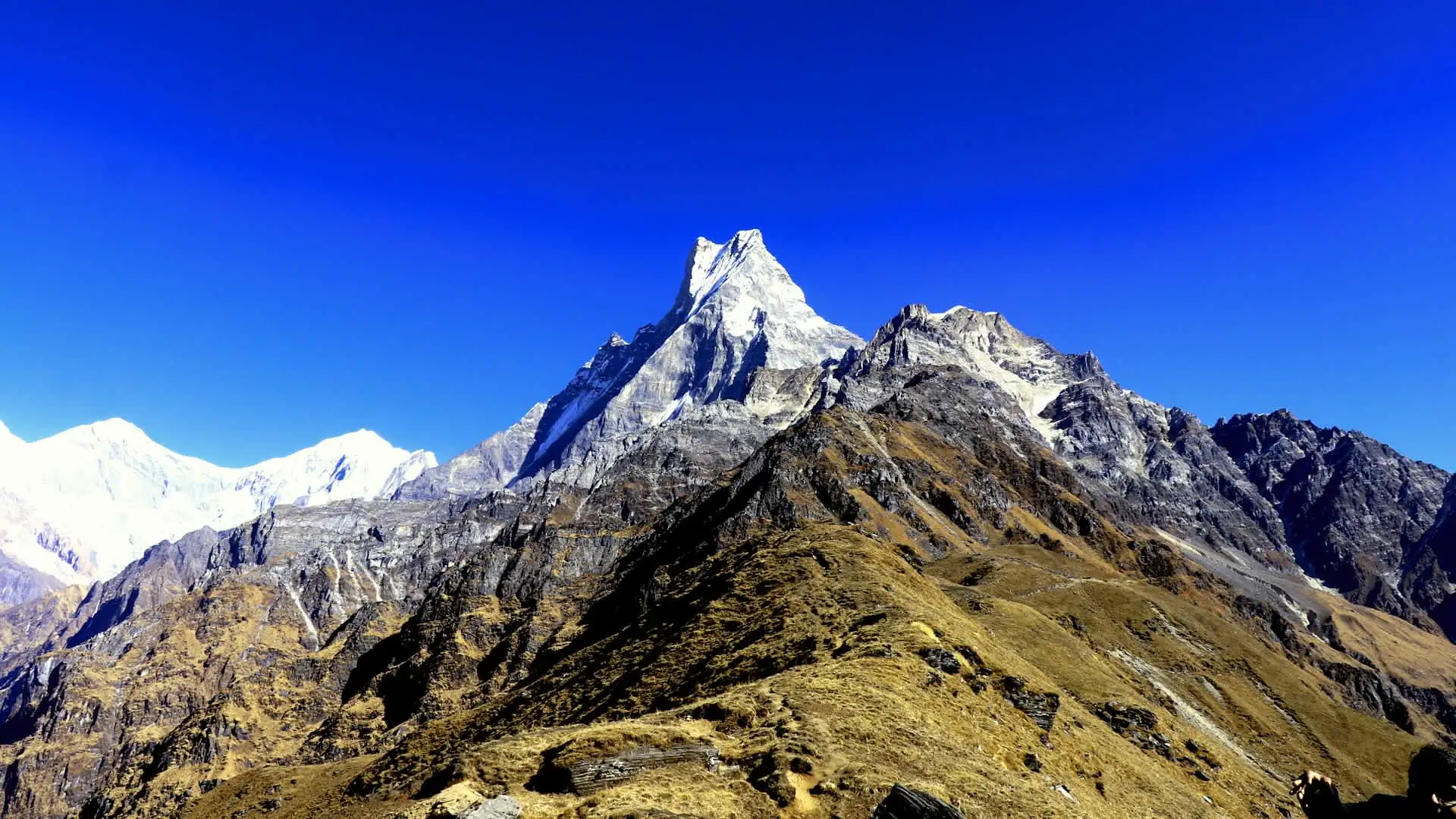
Section-by-Section Difficulty Breakdown
Trailhead to Forest Camp: Easy–Moderate
The opening stage, climbing from Kande or Dhampus through Pothana or Deurali to Forest Camp (2,600 m), is the most forgiving section of the entire route. The trail runs through forest for most of this stretch, offering shade and a relatively gradual, well-established path.
Factor | Difficulty contribution |
|---|---|
Terrain | Forest trail, generally well-maintained |
Elevation gain | ~500–700 m over 1–2 days |
Technical demand | None |
Typical walking time | 4–6 hours |
Why this section is manageable: The gradual gain and forest shade make this the closest thing to a "warm-up" stretch on the entire trek, allowing trekkers to settle into a walking rhythm before the terrain and altitude both intensify.
Forest Camp to High Camp: Moderate–Difficult
This is where the trek's genuine difficulty begins to show. The stretch from Forest Camp (2,600 m) to High Camp (3,600–3,900 m) involves the single largest elevation gain of the standard itinerary — roughly 1,000 to 1,300 meters — and marks the transition from forested trail to increasingly open ridge terrain.
Factor | Difficulty contribution |
|---|---|
Terrain | Transitioning from forest to exposed ridge |
Elevation gain | ~1,000–1,300 m in a single stage |
Technical demand | None, but steep and sustained |
Typical walking time | 5–7 hours |
Why this section is genuinely challenging: The combination of a large single-stage elevation gain and the shift from sheltered forest to exposed, wind-affected ridge terrain makes this stretch feel noticeably harder than the trailhead-to-Forest-Camp section, even before altitude becomes a major factor.
Some itineraries address this by inserting an overnight stop at Low Camp (3,050 m) between the two, breaking this stage into two more manageable days — worth discussing with your agency if you're concerned about pacing.
High Camp to Base Camp: Moderate–Difficult (The Trek's Crux)
The final push — typically undertaken pre-dawn, often departing around 4:00 to 5:00 a.m. — climbs from High Camp to Mardi Himal Base Camp (4,500 m), a gain of roughly 600 to 900 meters depending on the exact High Camp elevation used by a given itinerary.
Factor | Difficulty contribution |
|---|---|
Terrain | Narrow, exposed ridge, occasional scrambling sections |
Elevation gain | ~600–900 m |
Altitude effect | Genuine thin-air impact above 4,000 m |
Temperature | Pre-dawn cold, often below freezing |
Typical walking time | 3–5 hours round trip |
Why this is the trek's crux: Three factors compound here simultaneously — the steepest remaining terrain of the trip, the trek's genuine altitude ceiling (thin air noticeably affecting exertion above 4,000 meters), and pre-dawn cold and darkness requiring careful footing on an increasingly narrow, exposed trail.
This is also where weather and visibility matter most, since a cloudy or windy morning makes an already demanding stretch feel considerably harder without the reward of clear views to offset the effort.
Descent (Base Camp/High Camp to Landruk): Moderate
The return journey, typically descending from High Camp or Low Camp down to Landruk (1,565 m), involves a substantial elevation loss — often over 1,400 meters in a single day.
Factor | Difficulty contribution |
|---|---|
Terrain | Steep descent, forest trail lower down |
Elevation loss | ~1,400+ m in a single day |
Technical demand | None, but hard on knees |
Typical walking time | 5–7 hours |
Why the descent isn't trivial: Steep, sustained descents place real strain on knees and quads, particularly after several consecutive days of accumulated trekking fatigue — a genuinely common pattern where trekkers underestimate the descent because it's "downhill," when in practice it can feel just as tiring as the ascent, in a different way.
Altitude as a Difficulty Factor
Mardi Himal's maximum elevation of 4,500 meters places it in a genuine altitude-risk zone, though a comparatively more moderate one than Nepal's highest trekking destinations.
Elevation zone | AMS risk level | Where on this route |
|---|---|---|
Below 3,000 m | Minimal | Trailhead to Forest Camp |
3,000–4,000 m | Low–moderate | Forest Camp to High Camp |
4,000–4,500 m | Moderate | High Camp to Base Camp |
Acute Mountain Sickness (AMS) risk on this trek is real but generally more moderate than on Everest Base Camp (5,364 m) or the Annapurna Circuit's Thorong La crossing (5,416 m), given Mardi Himal's lower final elevation.
That said, the trek's compressed timeframe — reaching 4,500 meters in as few as four days from a roughly 1,700-meter starting point — means less built-in acclimatization buffer than longer treks provide, which is a genuine difficulty factor worth taking seriously rather than assuming the lower absolute elevation automatically means lower risk.
Key AMS facts relevant to this trek's difficulty:
AMS risk is driven far more by ascent rate than by general fitness level — a fit trekker who moves too fast is just as vulnerable as a less athletic trekker who paces properly.
Early symptoms include headache, mild nausea, dizziness, and disrupted sleep.
The compressed itinerary common on this trek (as short as four days) means less natural buffer for symptoms to resolve compared to longer, more gradually paced treks.
Choosing a five-to-seven-day itinerary rather than the most compressed four-day option, or specifically requesting an overnight at Low Camp between Forest Camp and High Camp, meaningfully reduces this risk factor.
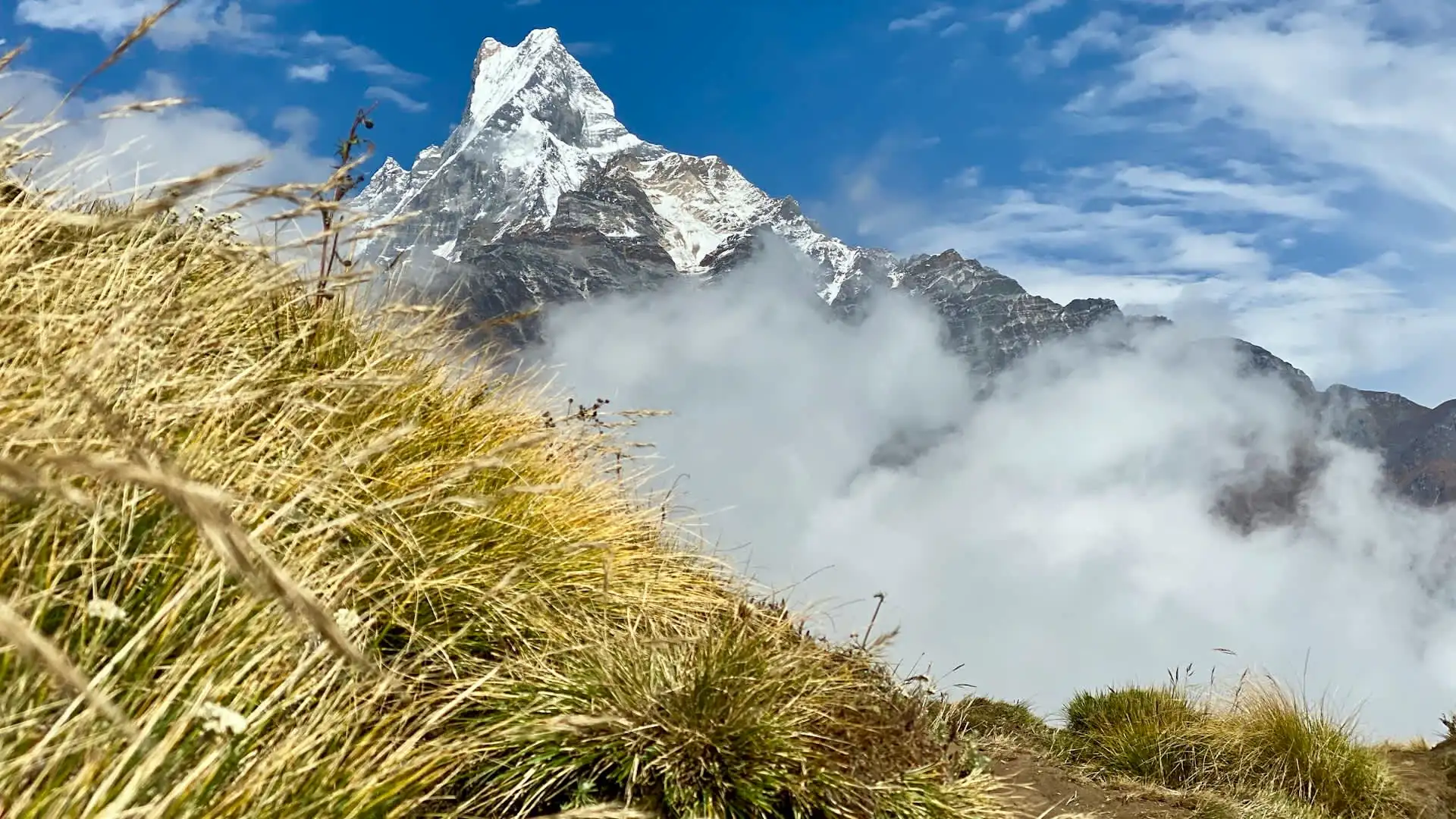
Terrain-Specific Difficulty Factors
Beyond elevation and altitude, several terrain-specific characteristics of this particular route contribute to its moderate difficulty rating.
Terrain factor | Difficulty contribution |
|---|---|
Ridge exposure | Wind and weather felt more directly than sheltered valley routes |
Narrow trail sections near the top | Requires careful footing, particularly pre-dawn or in poor visibility |
Occasional scrambling near Base Camp | Not technical climbing, but requires sure-footedness |
Stone and root sections in forest | Can be slippery, particularly after rain |
Steep, sustained descent to Landruk | Hard on knees regardless of overall fitness |
The ridge exposure factor deserves particular emphasis. Unlike valley-based treks where trees or terrain provide wind shelter for much of the route, Mardi Himal's upper sections — roughly from High Camp upward — are genuinely exposed.
This means weather conditions are felt more directly and can shift more noticeably than on comparable-altitude sections of valley routes, adding a real difficulty variable that's somewhat weather-dependent rather than purely a fixed physical challenge.
Comparing Mardi Himal's Difficulty to Similar Regional Treks
Trek | Max elevation | Duration | Key difficulty driver | How it compares to Mardi Himal |
|---|---|---|---|---|
Poon Hill | 3,210 m | 4–5 days | Short, gradual climb | Easier — lower elevation, less compressed gain |
Khopra Danda | 3,660 m | 6–9 days | Longer ridge trek, more gradual | Somewhat easier — lower elevation, more spread-out gain |
Annapurna Base Camp | 4,130 m | 7–12 days | Extensive stone stairways, moderate altitude | Comparable overall, but more spread-out timeframe reduces daily strain |
Annapurna Circuit | 5,416 m | 12–20 days | Extreme altitude at Thorong La, long duration | Harder overall due to altitude, but far more gradual pacing |
Everest Base Camp | 5,364 m | 12–14 days | High altitude, extended acclimatization schedule | Harder overall due to altitude, but built-in acclimatization reduces daily-gain strain |
The key insight from this comparison: Mardi Himal isn't necessarily harder than these other treks in absolute terms — several reach higher final elevations — but its difficulty is concentrated into a shorter window, meaning the daily physical demand can feel more intense even though the overall trip length is shorter.
Trekkers choosing between Mardi Himal and a longer, more gradually paced trek like ABC should weigh this trade-off: less total time commitment, but proportionally more demanding individual days.
Who Should — and Shouldn't — Attempt This Trek
Well-suited for:
Reasonably fit trekkers with some prior hiking experience (not necessarily high-altitude experience specifically)
Trekkers with limited vacation time who still want a genuine high-altitude Himalayan experience
Trekkers comfortable with pre-dawn starts and cold-weather conditions on the final push
Those seeking a quieter, less crowded alternative to more popular routes like Poon Hill or ABC
Requires extra preparation or caution for:
Trekkers with no prior hiking experience at all — some baseline cardiovascular fitness genuinely matters given the compressed elevation gain
Trekkers with a history of altitude sickness on previous trips, given the compressed acclimatization schedule
Those uncomfortable with exposed, narrow trail sections, particularly near Base Camp
Trekkers hoping to attempt the most compressed four-day version without adequate baseline fitness
Not recommended without significant modification for:
Trekkers with cardiovascular or respiratory conditions, without prior medical consultation
Complete beginners to trekking of any kind, without at least some preparatory training beforehand
Anyone unwilling or unable to accept a guide's recommendation to slow the pace, add a rest day, or turn back if conditions warrant it
How to Reduce the Trek's Genuine Difficulty
Several practical choices meaningfully reduce the compressed-pacing challenge that drives most of this trek's difficulty, without changing the destination or core experience.
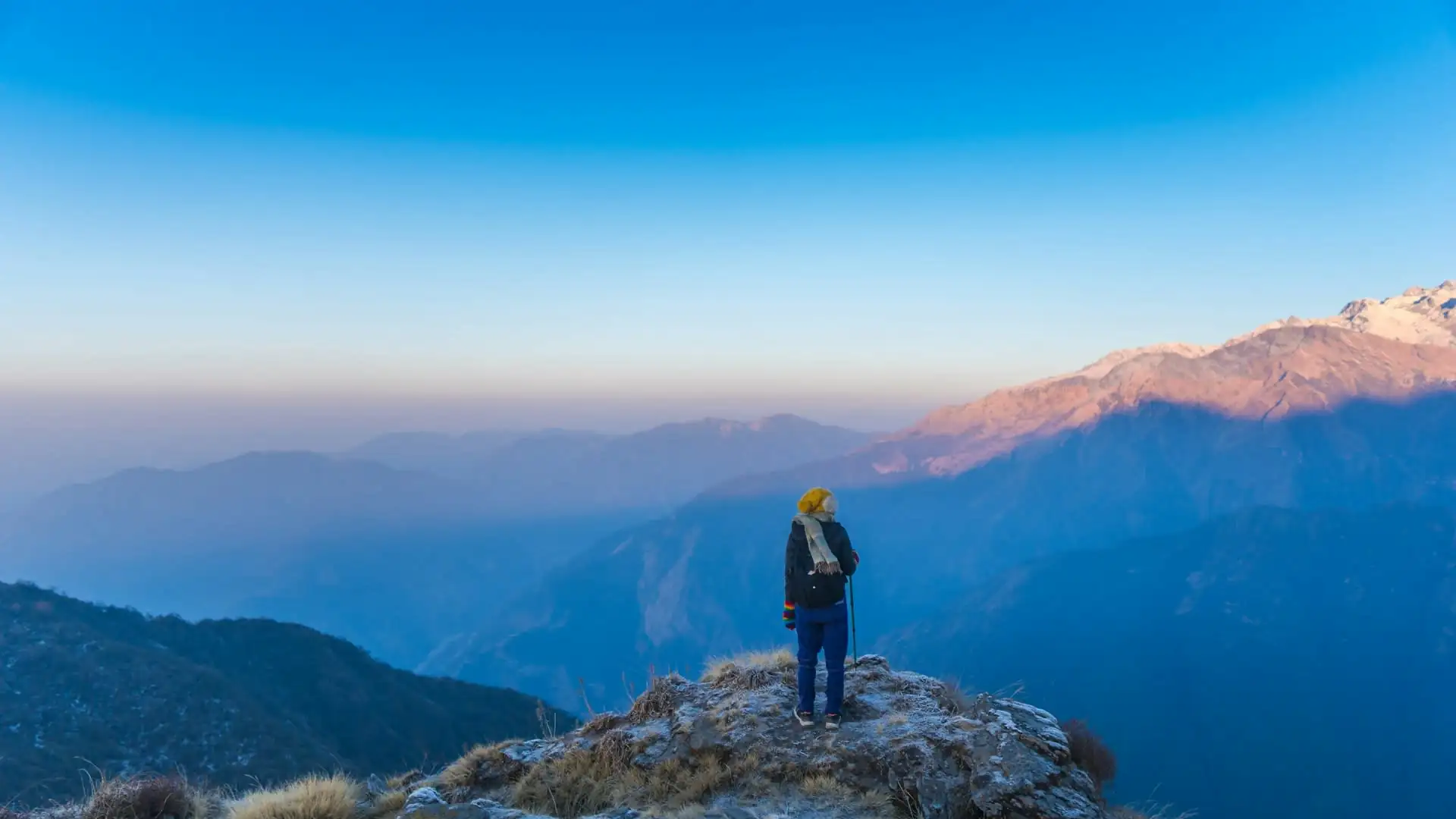
Choose a 6-to-7-day itinerary rather than the most compressed 4-day option. This spreads the same total elevation gain across more days, directly addressing the trek's primary difficulty driver.
Request an overnight at Low Camp between Forest Camp and High Camp, breaking the trek's steepest single stage into two more manageable days.
Train specifically for sustained, multi-day elevation gain in the weeks before departure — stair climbing, hill training, and hikes with a loaded daypack all translate directly to this trek's specific demands.
Break in trekking boots well before departure — given the steep, sustained sections both ascending and descending, footwear issues compound difficulty considerably.
Communicate any AMS symptoms honestly and early to your guide, rather than pushing through them to maintain pace, particularly important given the trek's shorter acclimatization buffer relative to longer routes.
Choose spring or autumn for the most stable weather conditions, reducing the added difficulty that poor visibility, wind, or precipitation bring to the exposed ridge sections.
Difficulty-reducing choice | Effect |
|---|---|
6–7 day itinerary vs. 4-day | Reduces daily elevation gain proportionally |
Low Camp overnight stop | Breaks steepest stage into two manageable days |
Pre-trip fitness training (8–12 weeks) | Improves capacity for sustained exertion |
Broken-in boots | Reduces terrain-related difficulty (blisters, foot strain) |
Honest AMS symptom reporting | Reduces altitude-related risk given compressed schedule |
Spring/autumn timing | Reduces weather-related difficulty on exposed ridge |
Physical Preparation Recommendations Given This Difficulty Profile
Given the trek's specific difficulty drivers — compressed elevation gain, ridge exposure, and a demanding final pre-dawn push — targeted preparation matters more than generic fitness alone.
Training focus | Why it matters for this specific trek |
|---|---|
Cardiovascular endurance (45–90 min sessions) | Sustained walking effort across 5–7 hour days |
Stair/hill climbing specifically | Closely mimics the Forest Camp to High Camp elevation gain |
Weighted daypack training | Conditions the body for the actual load-bearing demand of trekking days |
Consecutive-day training | Better prepares the body for the trek's back-to-back demanding days than isolated single-day sessions |
Descent-specific training (downhill walking/hiking) | Prepares knees and quads for the substantial elevation loss to Landruk |
Recommended training timeline: 8 to 12 weeks before departure, with a taper in the final week to arrive at the trailhead rested rather than fatigued — the same general approach recommended for other moderate-difficulty Himalayan treks, adjusted here to emphasize stair/hill work specifically given this route's compressed elevation profile.
Frequently Asked Questions about Mardi Himal Trek Difficulty
Is the Mardi Himal trek difficult for beginners?
It's genuinely doable for beginners with reasonable fitness and some preparation, but it's not the easiest option in the region — Poon Hill is gentler. Beginners should consider a 6-to-7-day itinerary rather than the most compressed 4-day version to reduce daily elevation-gain strain.How does Mardi Himal's difficulty compare to Annapurna Base Camp?
Mardi Himal reaches a higher final elevation (4,500 m vs. 4,130 m) but is completed in roughly half the time, meaning its daily elevation gain is proportionally steeper — a different kind of difficulty rather than simply "harder" or "easier" in absolute terms.What's the hardest single day on the Mardi Himal trek?
Generally either the Forest Camp to High Camp stage (the largest single elevation gain on the standard itinerary) or the High Camp to Base Camp pre-dawn push, given the combined effect of steep terrain, altitude, and cold.Is altitude sickness a serious risk on this trek?
The risk is real but more moderate than on higher routes like Everest Base Camp or the Annapurna Circuit, given the 4,500-meter maximum elevation. The trek's compressed itinerary does mean less natural acclimatization buffer than longer treks, which is worth taking seriously.Do I need prior trekking experience for Mardi Himal?
Not strictly necessary, but genuinely helpful. Reasonable cardiovascular fitness and some hiking experience — even at lower elevations — meaningfully improve the experience given this trek's compressed elevation gain.How can I make the trek easier without changing the destination?
Choose a longer itinerary (6–7 days rather than 4), request a Low Camp overnight stop to break up the steepest section, train specifically for sustained elevation gain in the weeks before departure, and choose spring or autumn for the most stable weather.Is technical climbing skill required anywhere on this route?
No. The trek involves no ropes, crampons, or glacier travel — it's a non-technical trekking route requiring good general fitness rather than mountaineering skill, though some scrambling-style terrain appears near Base Camp.Why does a trek that only reaches 4,500 meters feel harder than expected?
Because the elevation gain is compressed into a shorter timeframe than comparable-altitude treks like ABC or the Circuit, meaning daily physical demand runs proportionally higher even though the total trip length is shorter.Is the descent to Landruk genuinely difficult, or just "downhill and easy"?
It's genuinely demanding — over 1,400 meters of elevation loss in a single day, hard on knees and quads, particularly after several consecutive days of accumulated trekking fatigue.Should I be concerned about the exposed ridge sections specifically?
They're not technically dangerous under normal conditions with a licensed guide, but they do add a genuine difficulty factor related to wind exposure and, in poor visibility, careful footing on narrow trail sections — worth taking seriously rather than dismissing as purely scenic terrain.
Conclusion on Mardi Himal Trek Difficulty
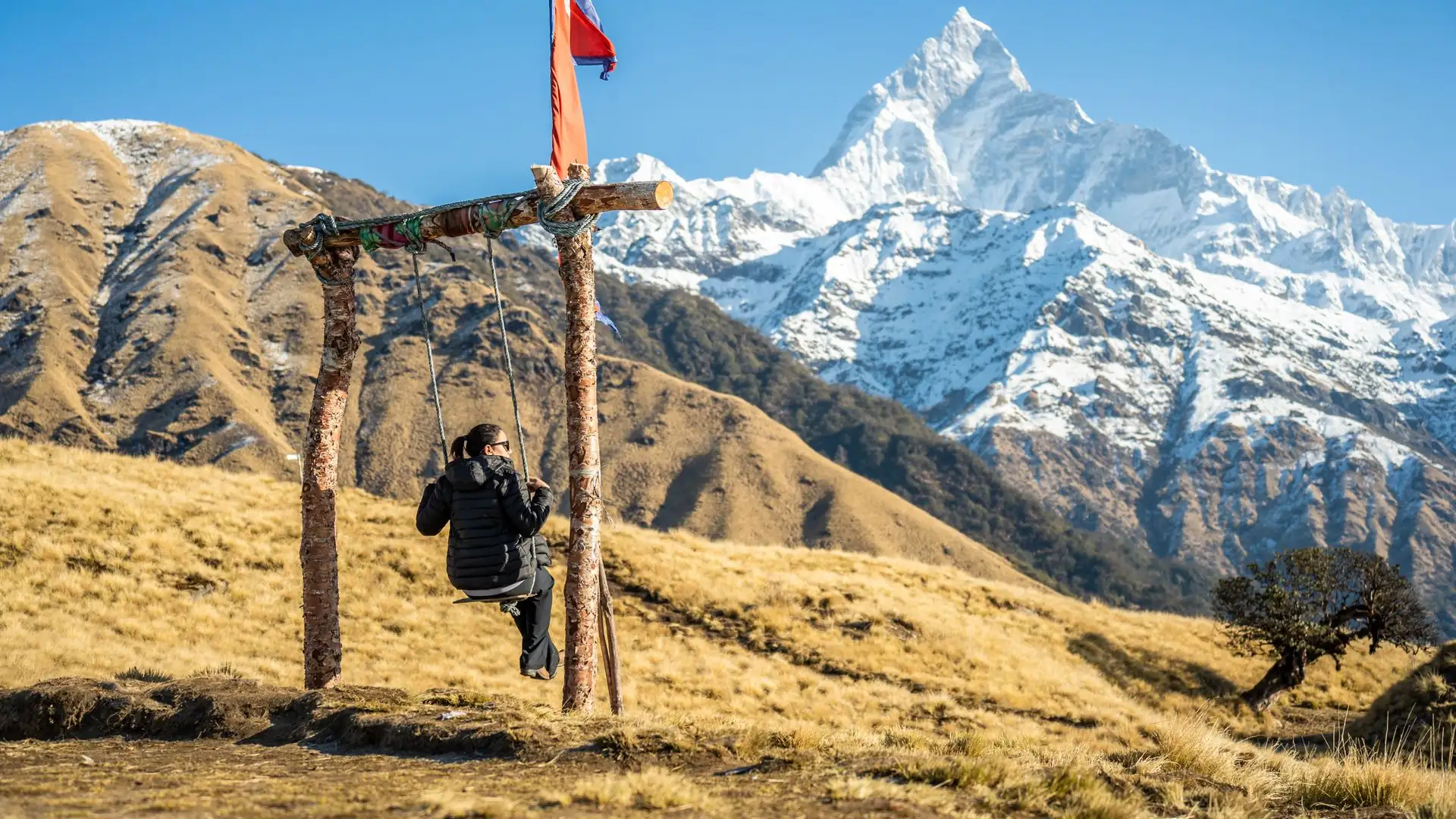
The Mardi Himal trek earns its "moderate" difficulty rating honestly — it demands no technical climbing skill and remains genuinely accessible to reasonably fit trekkers, but its specific combination of significant elevation gain, a compressed four-to-seven-day timeframe, and an exposed, high-altitude final push means it shouldn't be treated as a casual walk simply because it's shorter than treks like the Annapurna Circuit or Everest Base Camp.
Understanding exactly where the difficulty concentrates — the steep Forest Camp to High Camp stage, the thin-air pre-dawn push to Base Camp, and the knee-testing descent to Landruk — lets trekkers prepare specifically and realistically rather than either underestimating a "short" trek or overestimating what a "high-altitude" destination requires.
Adventure Life Nepal builds every Mardi Himal itinerary with this exact difficulty profile in mind, offering the pacing flexibility — a Low Camp overnight, a longer 6-to-7-day structure, a guide experienced in this route's specific challenges — that turns a genuinely moderate trek into a well-prepared, well-paced, thoroughly rewarding one.