Luxury Everest Base Camp Trek – 16 Days
Trip Duration: 16 Days
Trip Grade: Strenuous
Group Size: 10
Meals: Breakfast in Kathmandu, welcome and farewell dinners; all meals on the trek
Best Season: October–November, March–May
Start Point: Kathmandu
Accomodation: Five-star hotel in Kathmandu, premium lodges to Deboche, best available lodges above
Ending Point: Kathmandu
Max Altitude: 5,545 m (Kala Patthar)
Transportation: Flights to/from Lukla (via Ramechhap in peak season), private vehicles
Permits Required: Sagarmatha National Park, Khumbu Pasang Lhamu Rural Municipality
Overview
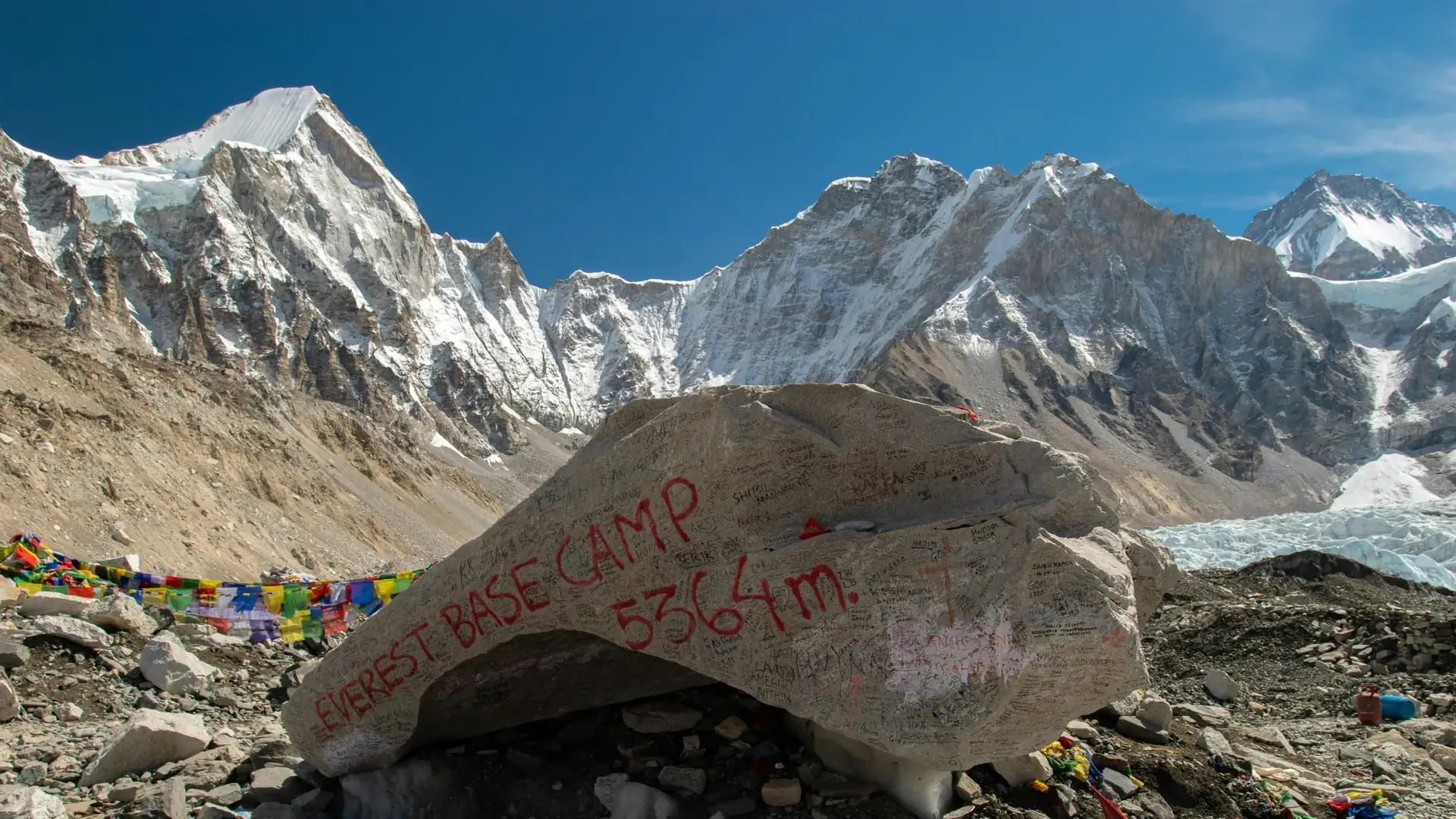
The Luxury Everest Base Camp Trek follows the same classic trail to Everest Base Camp (5,364 m) and Kala Patthar (5,545 m) as our standard trek, but changes almost everything around the walking. You stay four nights in a five-star hotel in Kathmandu, sleep in premium lodges with heated rooms and private bathrooms wherever they exist in the Khumbu, trek with a private guide who works only for your group, and have a spare day built in at the end for Lukla flight delays.
What luxury can't do is take away the altitude, the cold or the effort. Above Deboche, there are no luxury lodges, and everyone, whatever they've paid, sleeps in simple mountain lodges at Dingboche, Lobuche and Gorak Shep. We're upfront about this because it's the most common misunderstanding about "luxury" treks to Everest. This page explains exactly where you'll sleep, what comfort is possible at each altitude, the day-by-day plan, how hard the trek is and what the price covers.
Trip at a Glance
Detail | Information |
|---|---|
Duration | 16 days Kathmandu to Kathmandu (11 trekking days) |
Trek start and end | Lukla (2,860 m) |
Highest point | Kala Patthar, 5,545 m / 18,192 ft |
Everest Base Camp | 5,364 m / 17,598 ft |
Kathmandu hotel | 4 nights, five-star |
Lodges on the trek | 6 nights in premium lodges, 5 nights in the best available lodges above Deboche |
Guide | Private, licensed guide for your group only |
Difficulty | Strenuous (the same trail and altitude as the standard trek) |
Meals | Breakfast in Kathmandu, welcome and farewell dinners; all meals on the trek |
Permits | Sagarmatha National Park, Khumbu Pasang Lhamu Rural Municipality |
Best months | October–November and March–May |
Group size | Private trips for 1–10 people |
Price | From US$2,900 per person |
What "Luxury" Means on the Everest Trail
The Khumbu is a remote mountain region. Everything above Lukla is carried in by porters, yaks or helicopter, and the higher you go, the simpler the lodges become. Here's what to expect at each stage.
Where | Altitude | Where you stay | What it's like |
|---|---|---|---|
Kathmandu | 1,400 m | Five-star hotel | Full hotel facilities: restaurants, pool or spa at most, room service |
Lukla, Phakding, Namche | 2,610–3,440 m | Premium lodges (such as Yeti Mountain Home or similar) | Heated rooms, electric blankets, private bathrooms, hot showers, good dining rooms |
Deboche | 3,820 m | The best lodge in the village | Private bathroom, quiet forest setting below Tengboche |
Dingboche, Lobuche, Gorak Shep, Pheriche | 4,240–5,164 m | Best available lodges | Rooms with private bathrooms where they exist (often in Dingboche and Lobuche); simple twin rooms at Gorak Shep; heated dining room |
Premium lodges are booked for you in advance, subject to availability. If a named lodge is full, we book one of the same standard and tell you before you travel.
How the luxury version differs from our standard trek:
Luxury trek | Standard trek | |
|---|---|---|
Duration | 16 days | 14 days |
Kathmandu hotel | Five-star, 4 nights | Tourist-class, 2 nights |
Lodges to Deboche | Premium lodges with private bathrooms | Standard teahouses, mostly shared bathrooms |
Guide | Private, for your group only | Shared within the group |
Kathmandu sightseeing | Private guided tour included | Optional |
Spare day for flights | Included | Optional |
Night at Deboche | Yes, in a quieter forest setting | Tengboche or Deboche |
Price | From US$2,900 | From US$1,400 |
If you're happy with simple teahouses, our Everest Base Camp Trek follows the same route for less than half the price.
Kathmandu: Your Five-Star Base
You spend four nights in Kathmandu: two before the trek and two after. We book a five-star hotel such as the Hyatt Regency, Dwarika's, the Yak & Yeti or a property of the same standard, depending on availability and your preference. These hotels have restaurants, gardens or pools, spa treatments and quiet rooms, which matter more than you might expect after the flight to Nepal and again after eleven days on the trail.
The private valley tour on Day 2 covers three UNESCO-listed sites, each very different. Swayambhunath sits on a hill above the city, with views across Kathmandu and resident monkeys. Pashupatinath, on the Bagmati River, is Nepal's holiest Hindu temple and its main cremation site, a powerful place to see daily life and ritual side by side. Boudhanath is one of the largest stupas in the world, surrounded by Tibetan monasteries and cafés where you can watch pilgrims walk the circuit at dusk.
If you'd like to see more, your spare day on Day 15 can include Patan Durbar Square and its museum, Bhaktapur's medieval squares, or a mountain flight past Everest on a clear morning.
Why This 16-Day Itinerary?
Two full days in Kathmandu before the flight. The first gives you time to recover from your international flight in comfort. The second is a private tour of the Kathmandu Valley and a full gear check and briefing with your guide.
The same safe acclimatization as our standard trek. You spend two nights in Namche (3,440 m) and two in Dingboche (4,410 m), with "climb high, sleep low" hikes to Hotel Everest View and Nangkartshang (5,083 m). Comfort doesn't change the way your body adapts to altitude, so we don't shorten the climb.
A night at Deboche instead of Tengboche. Deboche sits in a forest of rhododendron and birch about 20 minutes below Tengboche. It's quieter, warmer and has the last premium lodge before the high valleys.
A night in Namche on the way down. Instead of rushing from Pheriche to Lukla, you return to a premium lodge in Namche, then walk to Lukla the next day.
A spare day at the end. Lukla flights are often delayed by cloud. The free day in Kathmandu absorbs a one-day delay without risk to your flight home. If your flight is on time, the day is yours to rest, shop or explore.
A Typical Day on the Luxury Trek
Mornings start around 6:30 a.m. with tea, then breakfast in the lodge dining room. Your guide checks your oxygen saturation and pulse before you set off, usually between 7:30 and 8 a.m. Your porters leave with the bags, so you only carry a light daypack with water, snacks, a warm layer and a camera.
You walk at your own pace, with regular stops for photos, tea and rest. Lunch is around midday at a lodge on the trail. Most days, you reach the next lodge by early or mid-afternoon, with time for a hot shower (in the premium lodges), a nap or a short walk around the village. Your guide checks on you again before dinner, talks through the next day and adjusts the plan if anyone is tired or unwell. Above Dingboche, evenings are spent around the stove in the dining room, as rooms are unheated, and most people are asleep by 8:30 p.m.
Who Chooses the Luxury Trek?
Couples and honeymooners who want to share the Everest trail but enjoy private rooms with their own bathrooms for most of the trip.
Families with older children or adult children, who value a private guide, flexible pacing and a comfortable base in Kathmandu.
Travellers over 50 who are fit enough for the walking but know that a good night's sleep, a hot shower and a private bathroom make a real difference to how they feel the next day.
Busy professionals who have one chance at the trip and want the safety margin of a spare day, private support and well-organised logistics.
Your Private Guide and Support Team
Your guide is licensed by the Government of Nepal and works only with your group for the whole trip. They set the pace for you rather than for a larger group, check your oxygen saturation and pulse with a pulse oximeter every morning and evening above 3,000 m, and make the call on any change of plan.
Porters: one porter for every two trekkers carries your main bags (up to about 10 kg per person).
Safety equipment: your guide carries a full first-aid kit, a pulse oximeter and emergency oxygen.
Helicopter evacuation: if needed, we coordinate it with your insurer. The helicopter is paid for by your insurance, so your policy must cover it.
Food on the Luxury Trek
In the premium lodges, meals are a step up from normal teahouse food: fresh vegetables, salads, freshly baked bread and set menus with soup and dessert. Higher up, the menus are the same as in any lodge: dal bhat, noodles, pasta, potatoes, eggs, porridge and soups. All meals on the trek are included, with tea or coffee.
Water: your guide supplies boiled or purified water, or you can bring a filter bottle. We avoid single-use plastic bottles.
Special diets: vegetarian food is easy to find everywhere in the Khumbu, and many Sherpa lodges serve little or no meat above Namche anyway. Vegan, gluten-free and other diets are possible with some planning; tell us when you book so your guide can speak to each lodge in advance. If you have a favourite snack, protein bar or electrolyte drink, bring a supply from home, as choice is limited above Namche.
A note on alcohol: it's best avoided above Namche, because it makes altitude sickness more likely and harder to spot.
Route, Distance and Walking Hours
Day | Route | Distance | Walking time |
|---|---|---|---|
3 | Lukla – Phakding | 8 km | 3–4 hrs |
4 | Phakding – Namche Bazaar | 12 km | 5–6 hrs |
5 | Namche – Hotel Everest View – Khumjung – Namche | 6 km | 4–5 hrs |
6 | Namche – Tengboche – Deboche | 11 km | 5–6 hrs |
7 | Deboche – Dingboche | 9 km | 4–5 hrs |
8 | Dingboche – Nangkartshang – Dingboche | 5 km | 4–5 hrs |
9 | Dingboche – Lobuche | 8 km | 5–6 hrs |
10 | Lobuche – Gorak Shep – EBC – Gorak Shep | 12 km | 7–8 hrs |
11 | Gorak Shep – Kala Patthar – Pheriche | 15 km | 7–8 hrs |
12 | Pheriche – Namche Bazaar | 20 km | 6–7 hrs |
13 | Namche Bazaar – Lukla | 19 km | 6–7 hrs |
Total | About 130 km |
Altitude Profile
Place | Altitude | Night |
|---|---|---|
Kathmandu | 1,400 m / 4,593 ft | 1, 2, 14, 15 |
Phakding | 2,610 m / 8,563 ft | 3 |
Namche Bazaar | 3,440 m / 11,286 ft | 4, 5, 12 |
Hotel Everest View | about 3,880 m / 12,730 ft | Day 5 hike |
Deboche | 3,820 m / 12,533 ft | 6 |
Dingboche | 4,410 m / 14,469 ft | 7, 8 |
Nangkartshang | 5,083 m / 16,676 ft | Day 8 hike |
Lobuche | 4,910 m / 16,109 ft | 9 |
Gorak Shep | 5,164 m / 16,942 ft | 10 |
Everest Base Camp | 5,364 m / 17,598 ft | Day 10 |
Kala Patthar | 5,545 m / 18,192 ft | Day 11 |
Pheriche | 4,240 m / 13,911 ft | 11 |
Lukla | 2,860 m / 9,383 ft | 13 |
For more on the heights along the trail, read our guide to Everest Base Camp's elevation.
Map Overview
From Lukla, the route follows the Dudh Koshi north to Namche Bazaar, then the Imja Khola past Tengboche, Deboche and Pangboche to Dingboche. From Dingboche, it turns north up the Khumbu valley past Thukla and Lobuche to Gorak Shep, Everest Base Camp and Kala Patthar. The return goes down through Pheriche to Namche and Lukla.
How Difficult Is the Luxury EBC Trek?
We grade it Strenuous, the same as our standard trek. Better beds and private bathrooms help you rest, but the walking, the altitude and the cold are the same.
Altitude: five nights above 4,000 m, with Everest Base Camp at 5,364 m and Kala Patthar at 5,545 m.
Long days: usually 5–7 hours of walking, with 7–8 hours on the days to base camp and Kala Patthar.
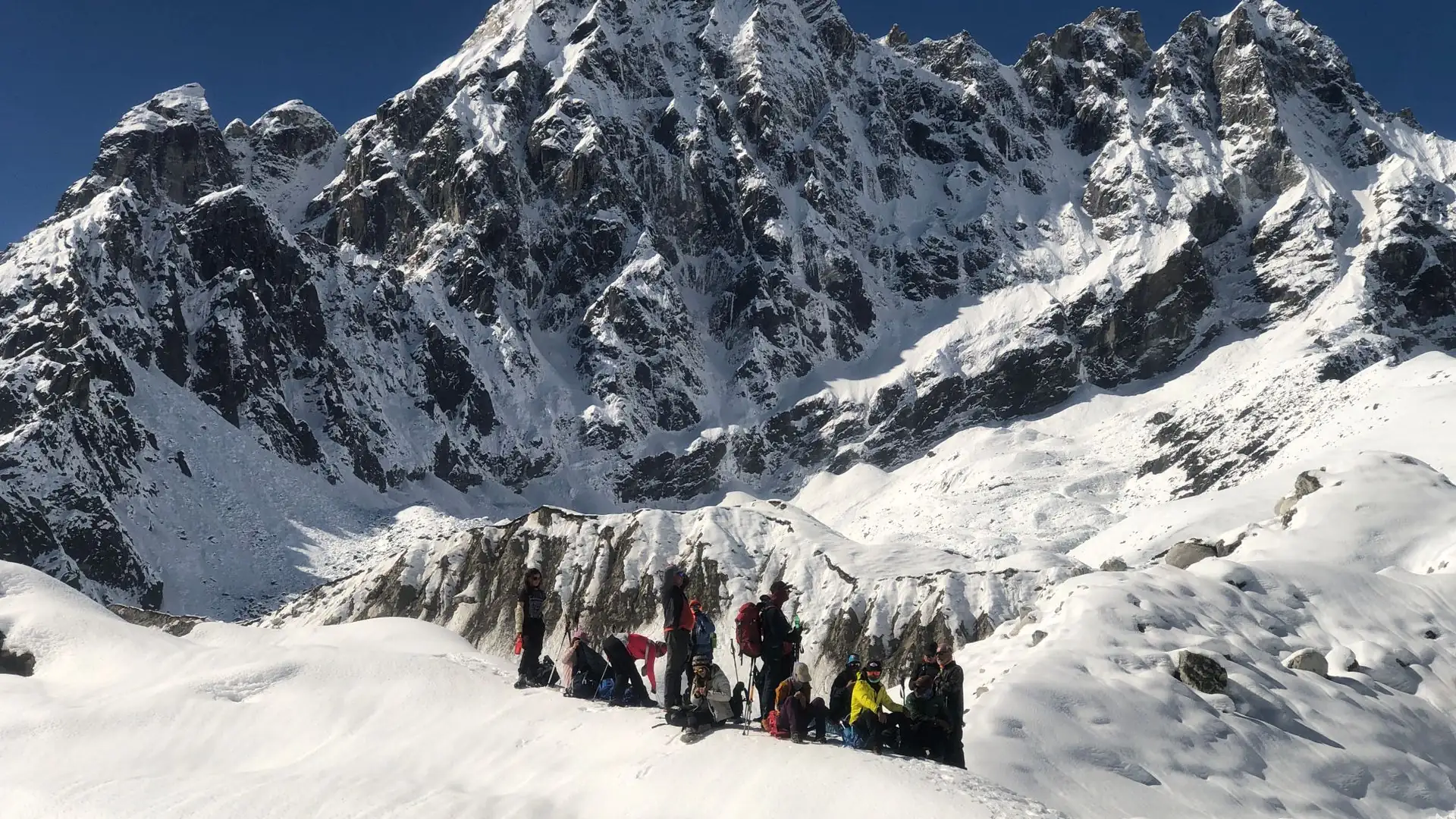
Terrain: stone steps, steep climbs and rocky moraine near the glacier. No climbing skills are needed.
Cold: nights at Lobuche and Gorak Shep fall well below freezing, even in the best lodges.
You don't need trekking experience, but you do need to be fit and in good health. Read our guide to the toughest treks in Nepal to compare routes.
Fitness and Training
Start training 8–12 weeks before the trek.
Cardio: 3–5 sessions a week of 45–60 minutes (brisk walking, running, cycling or stair climbing).
Hiking: several 5–7 hour walks on hilly ground with a light pack, ideally on consecutive days.
Strength: squats, lunges and step-ups for the steep climbs and long descents.
Health check: see your doctor before booking, especially if you have heart, lung or blood-pressure conditions.
Altitude Sickness and Acclimatization
Altitude sickness can affect anyone, whatever their fitness or budget. Mild symptoms such as a headache or poor sleep are common above 3,500 m. Serious altitude illness is rarer but can be life-threatening.
How we reduce the risk:
Two nights each in Namche and Dingboche, with "climb high, sleep low" hikes
A slow, private pace set for your group
Pulse oximeter checks morning and evening above 3,000 m
Emergency oxygen carried by your guide
Descending at once if symptoms become serious, with helicopter evacuation if needed
Drink 3–4 litres of water a day, walk slowly and tell your guide about any symptoms. Ask your doctor about altitude medication before you travel. This is general guidance, not medical advice. The CDC's Nepal travel health page has more information.
Best Time for the Luxury EBC Trek
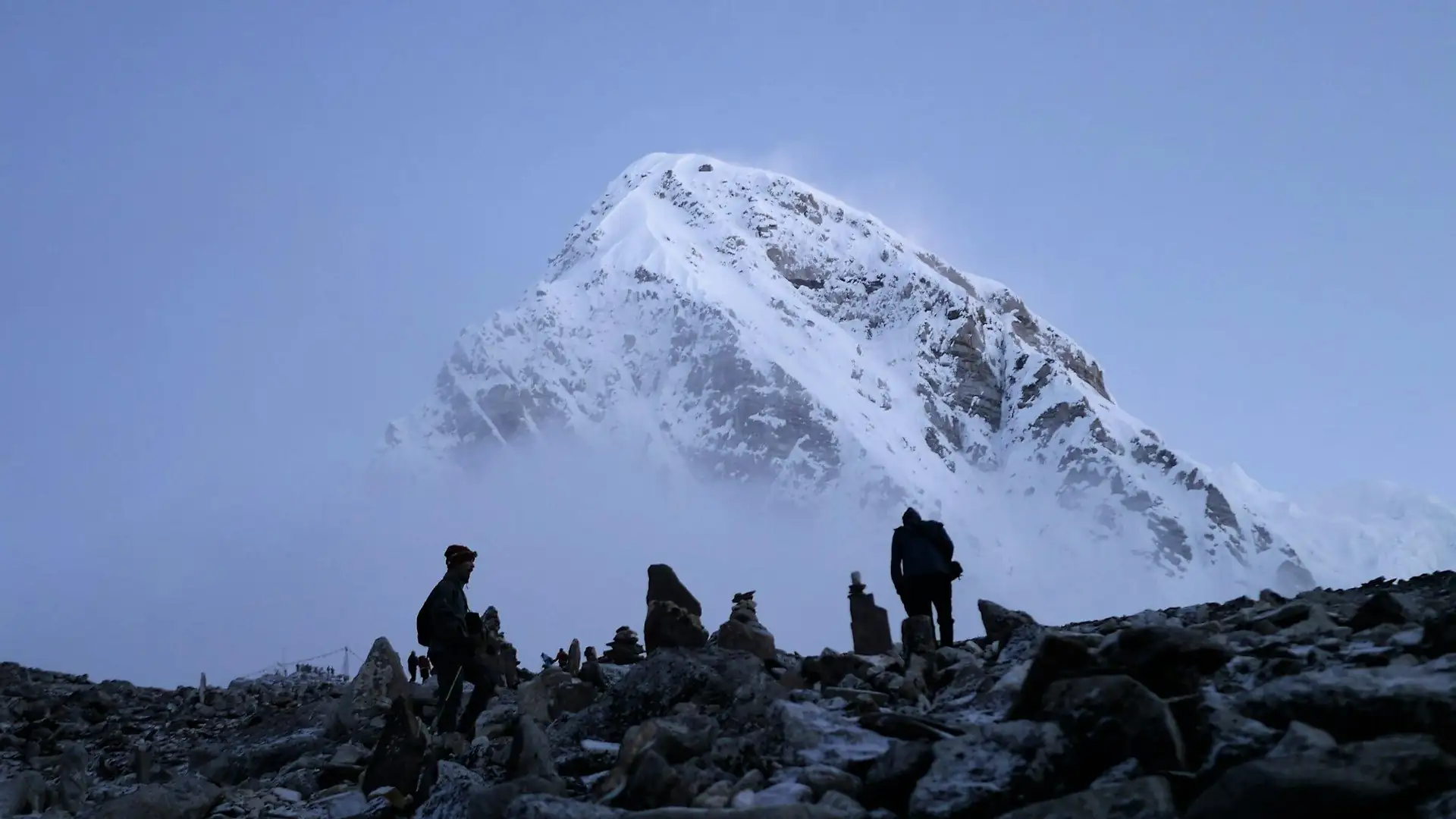
October to November. The best season, with clear skies and the sharpest mountain views. It's the busiest time, so premium lodges should be booked well ahead.
March to May. The second-best season. Warmer days, rhododendrons in flower lower down, and expedition tents at Everest Base Camp in April and May. Afternoons are often cloudy.
December to February. Cold and clear, with fewer trekkers. Some lodges at higher altitude close, and nights at Gorak Shep are very cold. Possible for well-prepared trekkers.
June to September. Monsoon. Frequent cloud, rain and Lukla flight cancellations. Not recommended.
For more, see our guide to the best time to hike in Nepal.
Weather by Season
Season | Namche (3,440 m) day / night | Gorak Shep (5,164 m) day / night | Conditions |
|---|---|---|---|
Autumn (Sep–Nov) | 12–18 °C / −2 to 4 °C | 4–8 °C / −10 to −15 °C | Clear, dry, best views |
Winter (Dec–Feb) | 5–10 °C / −8 to −3 °C | −5 to 2 °C / −15 to −25 °C | Cold, clear, some lodges closed |
Spring (Mar–May) | 12–18 °C / 0–5 °C | 4–10 °C / −8 to −12 °C | Warmer, afternoon cloud |
Monsoon (Jun–Aug) | 15–20 °C / 8–12 °C | 6–12 °C / −3 to 2 °C | Cloud and rain |
These are typical ranges, not forecasts.
Getting There: Lukla Flights
Peak seasons (spring and autumn): most Lukla flights leave from Manthali Airport in Ramechhap, about 4–5 hours' drive from Kathmandu. We drive you there in a private vehicle in the early hours.
Other months: flights usually leave from Kathmandu and take about 35 minutes.
Baggage limit: 15 kg per person, including hand luggage. Leave anything you don't need at your Kathmandu hotel.
Helicopter option: you can charter or share a helicopter between Kathmandu and Lukla to avoid the drive to Ramechhap and some weather delays. Ask us for a price.
Internet, Mobile Signal and Charging
Premium lodges: Wi-Fi and charging are available, often included in the room rate.
Higher lodges: Wi-Fi through the Everest Link network, sold by the day or by data bundle; charging for a small fee.
Mobile signal: NTC and Ncell work in Namche and patchily along the main trail. Bring a power bank.
Permits and Fees
Permit | Cost per person | Where it's issued |
|---|---|---|
Sagarmatha National Park entry | NPR 3,000 (about US$22) | Monjo gate or Kathmandu |
Khumbu Pasang Lhamu Rural Municipality | NPR 3,000 (about US$22) | Lukla |
The TIMS card isn't used in the Everest region; the municipality permit replaced it. Since April 2023, foreign trekkers in Nepal's national parks must trek with a licensed guide; read more in our guide to Nepal's trekking guide rules.
Both permits are included in our price. For park information, see the Department of National Parks and Wildlife Conservation. For visas on arrival, see the Department of Immigration.
Luxury Everest Base Camp Trek Cost
Our price: from US$2,900 per person, based on two people sharing. Solo travellers pay a single supplement for the hotel and lodge rooms; ask us for a quote. Prices for larger private groups are available on request.
Here's roughly where the money goes:
Cost item | Approx. US$ per person |
|---|---|
Return Lukla flights (and private Ramechhap transfers in peak season) | 450 |
Five-star Kathmandu hotel, 4 nights | 520 |
Premium lodges, 6 nights, with all meals | 840 |
Best available lodges, 5 nights, with all meals | 300 |
Private guide (wages, food, lodging, insurance) | 300 |
Porter (1 for every 2 trekkers) | 160 |
Permits | 45 |
Private Kathmandu sightseeing with entrance fees | 90 |
Airport transfers, welcome and farewell dinners | 95 |
Emergency oxygen, first aid, oximeter, office costs and taxes | 100 |
Total | 2,900 |
Extra money to budget:
Item | Typical cost |
|---|---|
Nepal tourist visa | US$30 (15 days), US$50 (30 days) |
Travel insurance covering trekking to 6,000 m and helicopter evacuation | US$120–300 |
Drinks, snacks and extras on the trek | US$10–25 a day |
Lunches and dinners in Kathmandu | US$20–50 a meal |
Tips for guide and porters | US$200–300 per trekker in total |
For a wider view of trekking costs, see our Nepal trekking cost guide.
Optional Upgrades
Helicopter return from Gorak Shep or Kala Patthar instead of walking down; see our Everest Base Camp Trek with Helicopter Return
Helicopter flights between Kathmandu and Lukla
A shorter trip: a helicopter flight to Everest Base Camp and Kala Patthar in a single morning; see our Everest Base Camp Helicopter Tour
Extra nights at a premium lodge in Namche or Deboche for a slower pace
Add Gokyo: combine with the Gokyo Lakes on our Everest Base Camp with Gokyo Lakes Trek
Extend your holiday: Pokhara or Chitwan after the trek
Travel Tips
Book early for October and November. Premium lodges have only a few rooms.
Pack layers, not luxury. A good down jacket and a warm sleeping bag matter more than anything else above Dingboche. Lodges provide blankets, but a sleeping bag rated to −15 °C is still recommended for Lobuche and Gorak Shep.
Keep your Kathmandu luggage at the hotel. You only need about 10–15 kg on the trek.
Don't book your flight home for Day 16 if you can avoid it. The spare day helps, but an extra day gives more peace of mind.
Bring cash. Premium lodges usually take cards; most higher lodges only take Nepali rupees.
Photography Spots
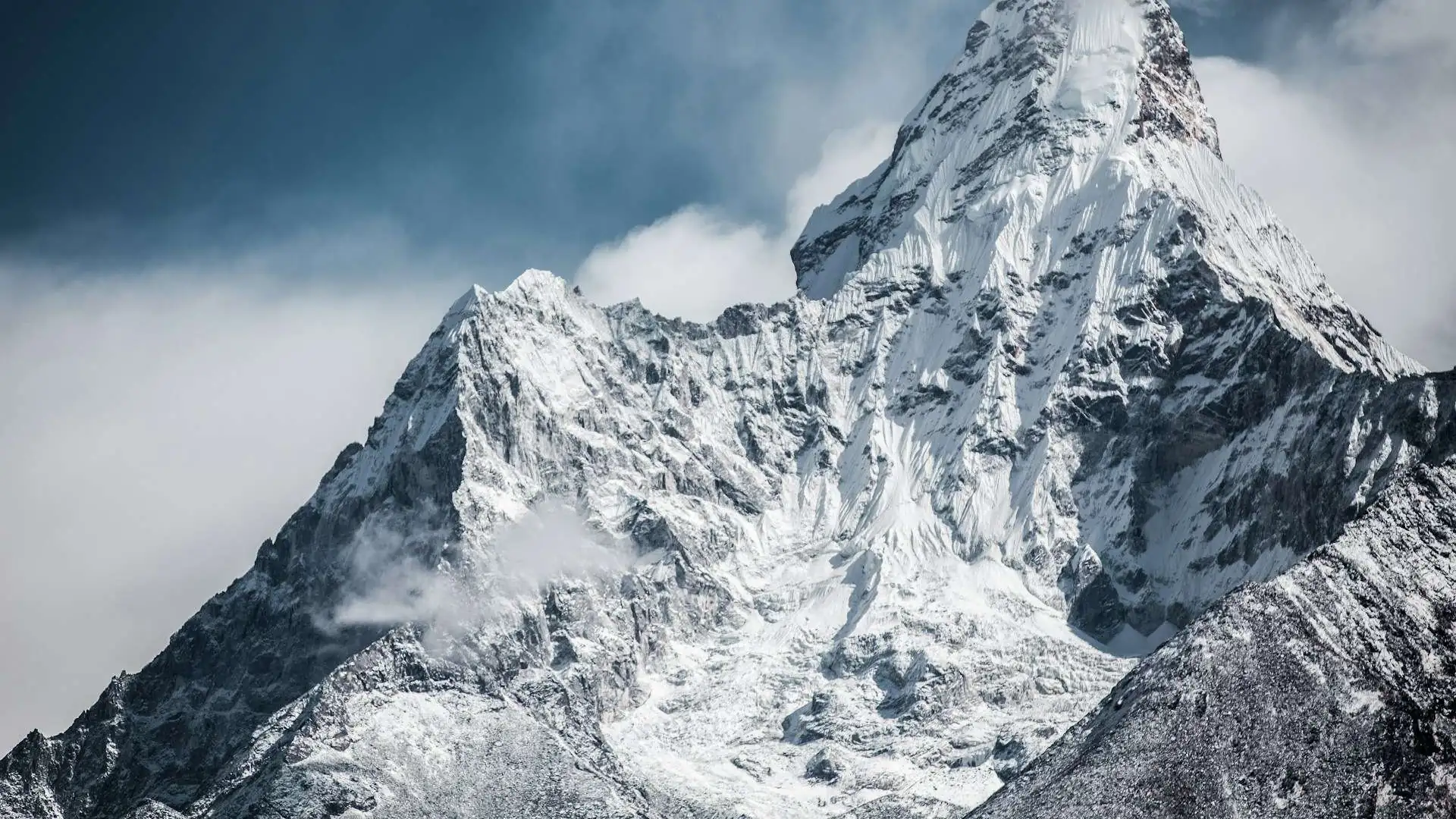
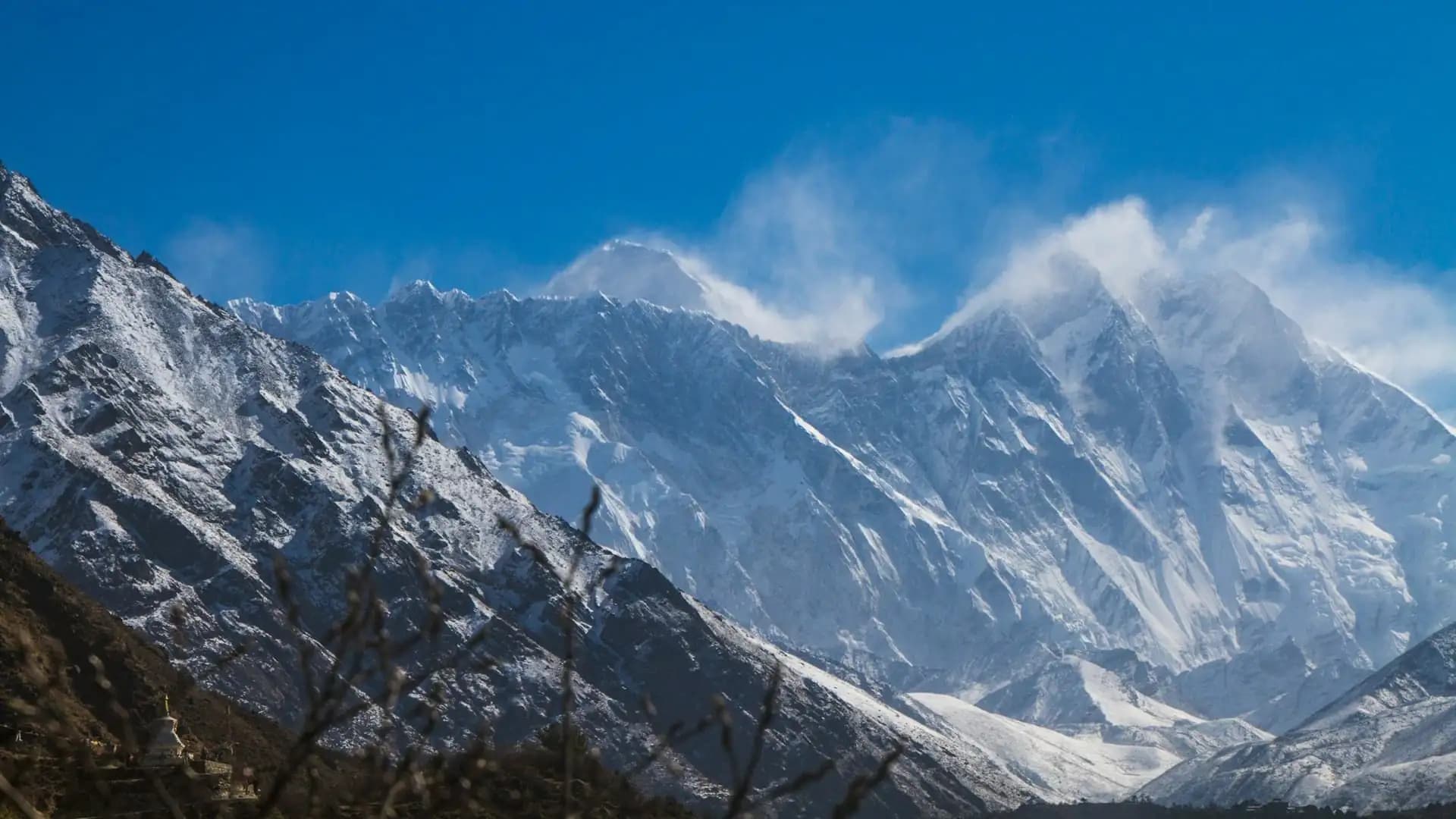
Hotel Everest View terrace, for Everest, Lhotse and Ama Dablam
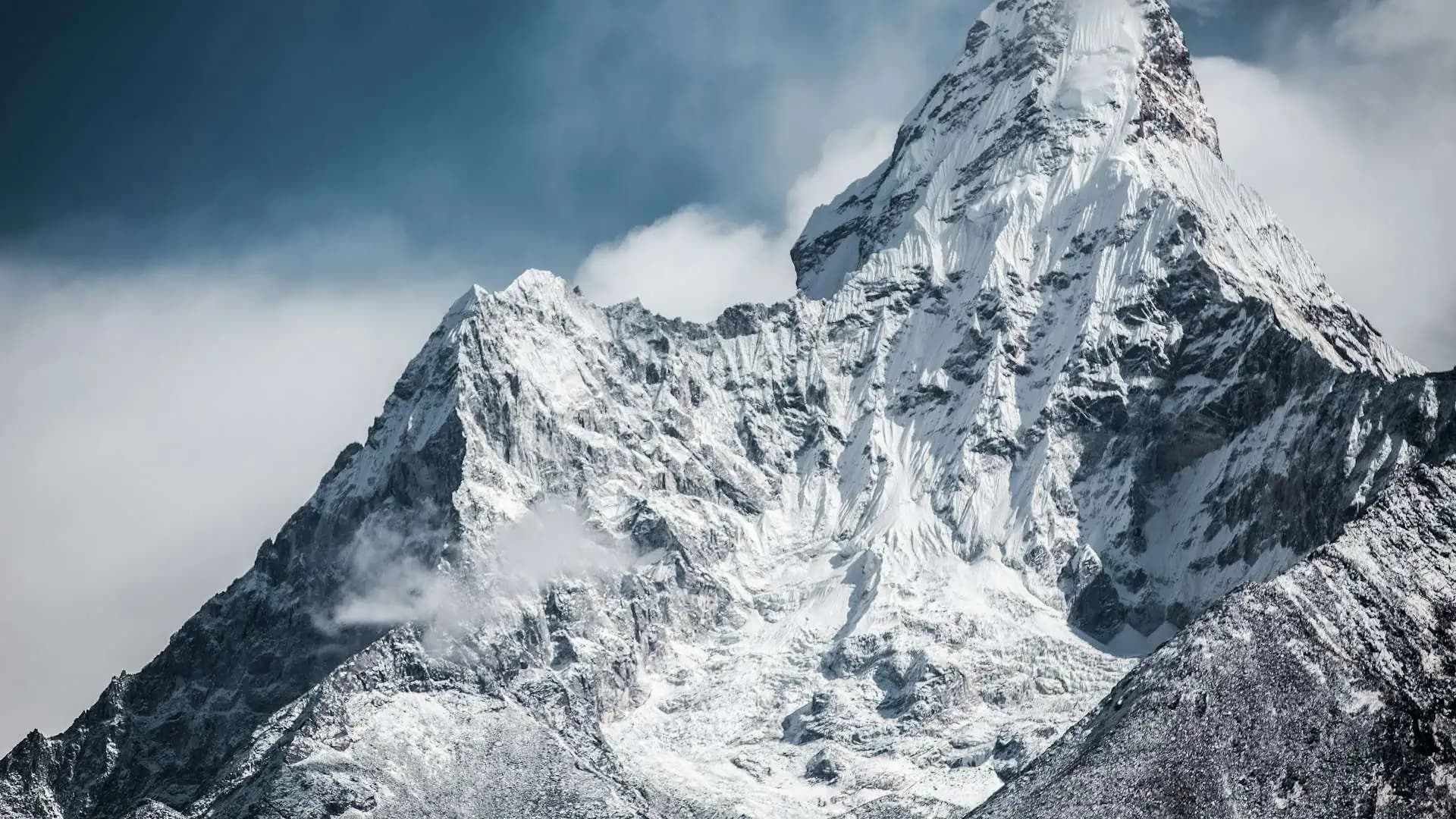
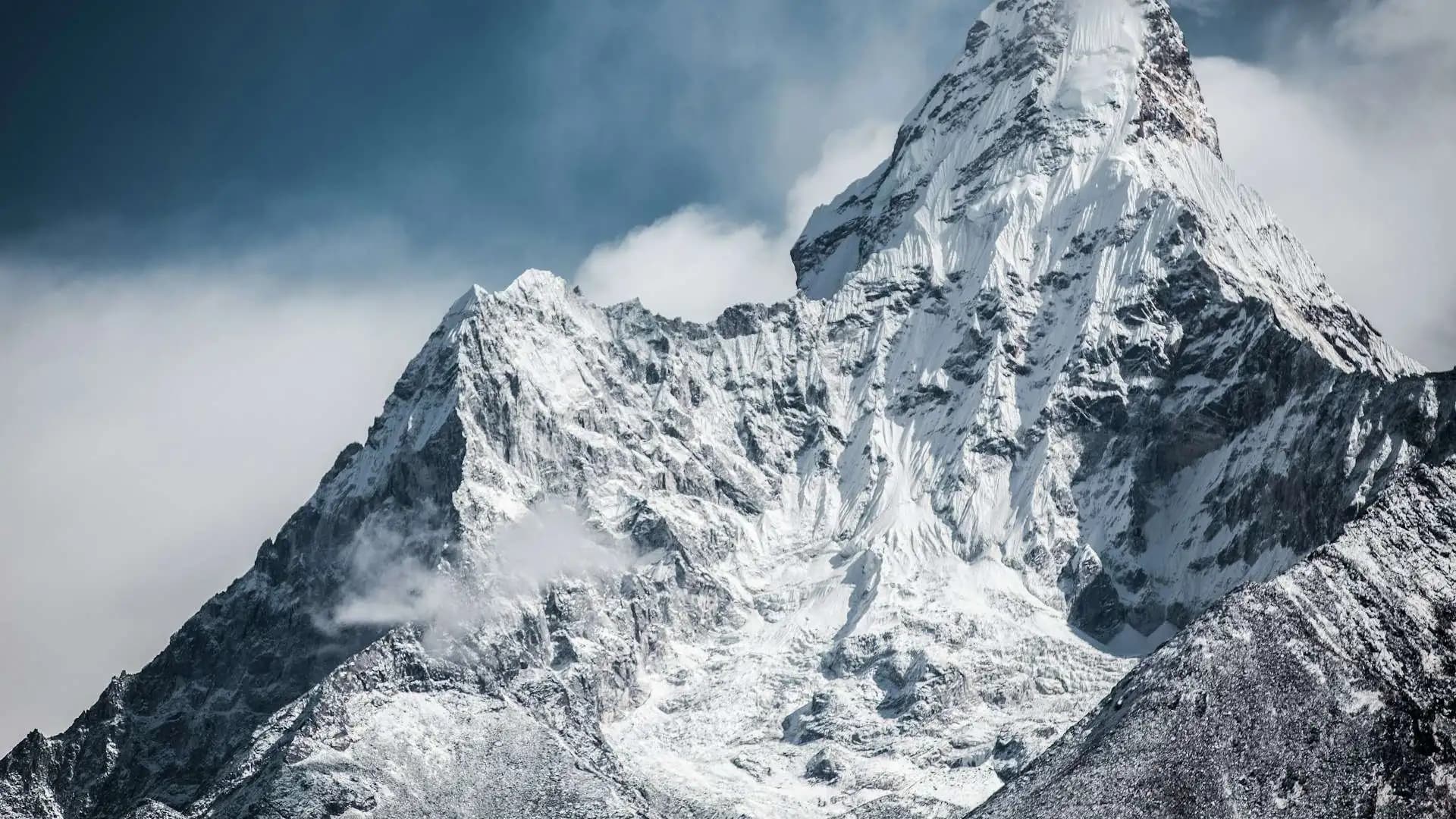
Tengboche Monastery, with Ama Dablam behind
Nangkartshang, looking east to Makalu
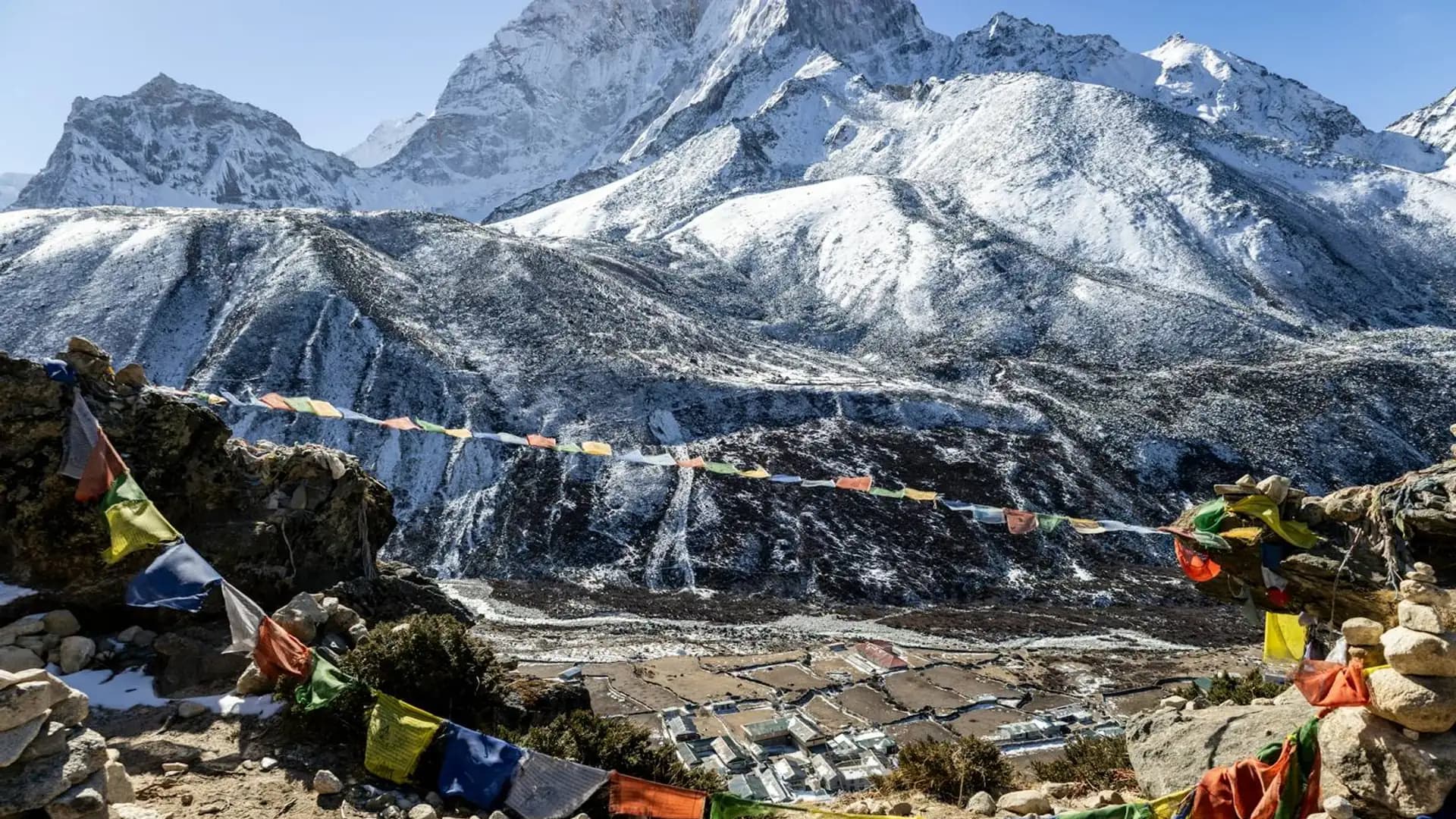
The Thukla memorials, with prayer flags and the Khumbu Glacier
Kala Patthar at sunrise, for Everest's summit and the Khumbu Icefall
Responsible Trekking
Carry out batteries and non-burnable rubbish.
Use refillable bottles rather than buying plastic.
Respect Sherpa culture: walk clockwise around chortens and mani walls, and ask before photographing people.
Look after the team. Our porters carry no more than 25 kg and have proper warm clothing, footwear and insurance.
Is the Luxury EBC Trek Right for You?
This trek suits you if you:
Want to reach Everest Base Camp but sleep better and recover well each night
Prefer a private guide and a pace set for your group
Want a comfortable start and finish in Kathmandu, with time to see the city
Are celebrating a milestone, or travelling as a couple or family
Choose something else if you:
Want the classic trek at the best price: see the Everest Base Camp Trek
Want to avoid the walk down: see the Everest Base Camp Trek with Helicopter Return
Can't walk for 5–7 hours a day at altitude: consider the Everest Base Camp Helicopter Tour
Want a quieter, harder route: see the Everest Three High Pass Trek
Why Book With Adventure Life Nepal
Founded by a guide. Adventure Life Nepal was started by Dil Bahadur Karki, who began as a porter and has more than 25 years of experience guiding in the Himalaya, with trekkers from more than 40 countries.
Licensed and registered with the Nepal Tourism Board and the Trekking Agencies Association of Nepal (TAAN).
Private trips only for this package, with a guide dedicated to your group.
Honest about comfort: we tell you exactly where you'll sleep at each stage.
Daily health checks and emergency oxygen on the trail.
Fair treatment of porters, with insurance, warm clothing and load limits.
Booking, Cancellation & Refund Policy
A 30% deposit confirms your booking; the balance is due before the trek begins.
30 days or more before departure: full refund minus administrative fees.
15–29 days before departure: 50% cancellation fee.
Less than 15 days before departure: no refund.
Travel insurance covering trekking to 6,000 m and helicopter evacuation is mandatory.
We may change the itinerary because of weather, flight conditions, lodge availability, or health and safety reasons.
Full details are on our terms and conditions page.
Book Your Luxury Everest Base Camp Trek
Stand at Everest Base Camp and watch the sunrise from Kala Patthar, with a private guide, the best lodges in the Khumbu and a five-star hotel waiting in Kathmandu. Tell us your dates and group size, and we'll confirm availability and your final price.
Book now or send us a quick enquiry. WhatsApp or call: +977 9841248242 · Email: adventurelifenepal@gmail.com
Highlights
Itinerary
Our team meets you at Tribhuvan International Airport and drives you to your five-star hotel. In the evening, you meet your guide over a welcome dinner and talk through the trek.
A private guide and vehicle take you to the valley's UNESCO-listed sites: Swayambhunath, the hilltop stupa above the city; Pashupatinath, Nepal's most important Hindu temple, on the Bagmati River; and Boudhanath, one of the largest stupas in the world and the centre of Kathmandu's Tibetan community. In the afternoon, your trekking guide checks your gear and goes over the plan in detail.
- Walking: 3–4 hours, about 8 km In the peak seasons, most Lukla flights leave from Manthali Airport in Ramechhap, a 4–5 hour drive from Kathmandu in the early hours; we drive you in a private vehicle. In other months, flights leave from Kathmandu and take about 35 minutes. From Lukla, a gentle walk down the Dudh Koshi valley brings you to Phakding.
- Walking: 5–6 hours, about 12 km The trail crosses the Dudh Koshi on suspension bridges, enters Sagarmatha National Park at Monjo and climbs steeply from the high Hillary Bridge to Namche, with a first view of Everest halfway up on a clear day.
- Walking: 4–5 hours, about 6 km You climb above Namche past the Syangboche airstrip to Hotel Everest View (about 3,880 m) for tea on the terrace, with Everest, Lhotse and Ama Dablam in front of you. Then you walk through Khumjung, a Sherpa village with the school founded by Sir Edmund Hillary, before returning to Namche to sleep.
- Walking: 5–6 hours, about 11 km A balcony trail with views of Ama Dablam leads to Phunki Thanga, then a long climb through forest brings you to Tengboche Monastery. If you arrive in the afternoon, you may be able to watch the monks at prayer. A short walk down through the forest brings you to Deboche for the night.
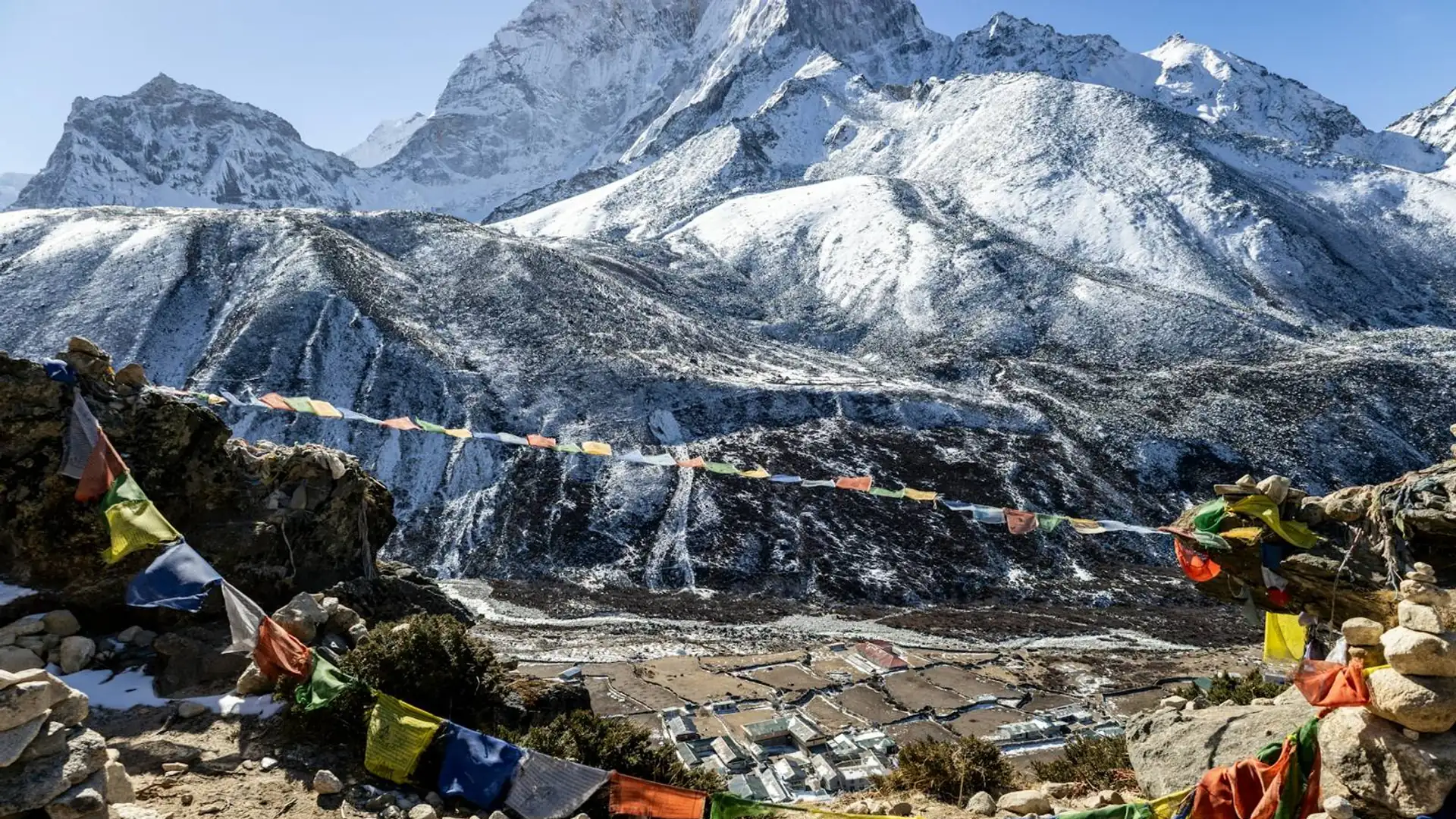
- Walking: 4–5 hours, about 9 km You cross the Imja Khola and climb past Pangboche, one of the oldest villages in the Khumbu, above the tree line into yak pastures. Dingboche is a village of stone-walled fields with Island Peak and the Lhotse wall at the head of the valley.
- Walking: 4–5 hours, about 5 km A steep climb up the ridge above Dingboche to Nangkartshang gives you views of Makalu (8,485 m), Lhotse and Ama Dablam, and your first time above 5,000 m. Your guide sets the pace and turns back with anyone who feels unwell. The afternoon is for rest.
- Walking: 5–6 hours, about 8 km A gentle climb above the Pheriche valley leads to Thukla, then a steep climb up the end of the Khumbu Glacier's moraine to the memorials to climbers and Sherpas who died on Everest. Lobuche is a small settlement of lodges below Lobuche Peak and Nuptse.
- Walking: 7–8 hours, about 12 km You follow the moraine beside the Khumbu Glacier to Gorak Shep, have lunch and continue to Everest Base Camp. In spring, the climbing teams' tents cover the glacier below the Khumbu Icefall; in autumn, base camp is usually empty, marked by prayer flags and rocks. You return to Gorak Shep for the night.
- Walking: 7–8 hours, about 15 km An early climb of about 1.5–2 hours brings you to the top of Kala Patthar for sunrise, with Everest's summit directly in front of you and Nuptse, Changtse and Pumori close by. After breakfast at Gorak Shep, you descend to Pheriche, where the thicker air makes for a much better night's sleep.
- Walking: 6–7 hours, about 20 km A long but mostly downhill day back through Pangboche and Tengboche to Namche, and a hot shower in a premium lodge.
- Walking: 6–7 hours, about 19 km You descend through Monjo and Phakding and make the final gentle climb to Lukla. Celebrate the end of the trek with your guide and porters.
You take the morning flight to Kathmandu (or to Ramechhap, then a private drive to Kathmandu in peak season) and transfer to your hotel for a long bath and a rest.
This day is kept free in case the Lukla flight is delayed. If everything runs to time, it's yours: visit Patan Durbar Square, shop in Thamel, book a spa treatment or simply relax. In the evening, we host a farewell dinner with Nepali music and dance.
We drive you to the airport in a private vehicle for your flight home.
Elevation Profile
Altitude Variation Chart
What's Included
Included
- Private airport transfers in Kathmandu
- 4 nights in a five-star hotel in Kathmandu with breakfast
- Welcome dinner and farewell dinner with Nepali music and dance
- Private guided Kathmandu Valley tour with vehicle and entrance fees
- Return flights Kathmandu–Lukla (or Ramechhap–Lukla with private road transfers in peak season)
- 6 nights in premium lodges (Lukla, Phakding, Namche and Deboche)
- 5 nights in the best available lodges (Dingboche, Lobuche, Gorak Shep and Pheriche)
- Breakfast, lunch and dinner during the trek, with tea or coffee
- Private, licensed, English-speaking trekking guide
- Porter service (1 porter for every 2 trekkers)
- Wages, meals, accommodation and insurance for guide and porters
- Sagarmatha National Park and Khumbu Pasang Lhamu Rural Municipality permits
- Emergency oxygen, first aid kit and daily pulse oximeter checks
- All government taxes and service charges
Excluded
- International flights and Nepal visa fees
- Lunch and dinner in Kathmandu (except the welcome and farewell dinners)
- Travel insurance covering trekking to 6,000 m and helicopter evacuation
- Alcoholic and soft drinks, snacks and personal extras
- Personal trekking gear and clothing
- Helicopter flights, unless chosen as an upgrade
- Single room supplement
- Extra nights and meals caused by flight delays beyond the spare day, or leaving the trek early
- Tips for guide, porters and drivers
Packing List
Category | Items |
|---|---|
Clothing | Base layers (2–3 sets), fleece, down jacket rated to −15 °C or colder, waterproof and windproof jacket and trousers, trekking trousers, warm hat, sun hat, buff, liner and insulated gloves |
Footwear | Broken-in waterproof boots with ankle support, camp shoes, warm socks |
Sleeping | Sleeping bag rated to −15 °C or colder for the higher lodges (can be rented in Kathmandu), sleeping bag liner |
Equipment | 25–35 litre daypack, duffel bag for the porter, trekking poles, headtorch, water bottles |
Health and hygiene | Personal medicines, blister kit, water purification tablets or filter, sunscreen (SPF 50), lip balm, hand sanitiser |
Documents and money | Passport, travel insurance details, passport photos, credit card and cash in Nepali rupees |
Extras | Category 3–4 sunglasses, power bank, camera, snacks |
Frequently Asked Questions
Four nights in a five-star Kathmandu hotel, premium lodges with heated rooms and private bathrooms up to Deboche, a private guide for your group only, a private Kathmandu tour and a spare day for flight delays.
No. There are no luxury lodges above Deboche. From Dingboche to Gorak Shep, you stay in the best available lodges, with private bathrooms where they exist. Gorak Shep's lodges are simple for everyone.
The walking and altitude are the same. Better rest and a private pace make it more comfortable, but it's still a strenuous trek.
From US$2,900 per person, based on two people sharing. It includes hotels, lodges, all meals on the trek, flights, permits, a private guide and porters.
16 days from Kathmandu to Kathmandu, with 11 days of walking and a spare day at the end.
In Kathmandu, Lukla, Phakding, Namche and Deboche, yes. Higher up, rooms with private bathrooms are available in some lodges at Dingboche, Lobuche and Pheriche, and we book them when we can. At Gorak Shep, bathrooms are usually shared.
No, but you need to be fit and healthy, and comfortable walking 5–7 hours a day for several days in a row.
Yes. Your guide works only with your group from Kathmandu to Kathmandu.
Yes. Many people in their 50s, 60s and older complete this trek. Fitness and health matter more than age. See your doctor before booking.
Comfort doesn't prevent altitude sickness. We follow the same safe acclimatization plan as our standard trek, check your oxygen levels twice a day and carry emergency oxygen.
Yes. You can fly out from Gorak Shep or Kala Patthar instead of walking down. Ask us for a price, which depends on how many people share the helicopter.
The Sagarmatha National Park permit and the Khumbu Pasang Lhamu Rural Municipality permit. The TIMS card isn't used in the Everest region. Both permits are included.
October and November for clear views, and March to May for warmer weather. Book early for these months, as premium lodges have few rooms.
The spare day in Kathmandu covers a one-day delay. If delays last longer, we help rebook and arrange extra nights; costs beyond the spare day aren't included.
Yes, for a single supplement. At the highest lodges, single rooms depend on availability.
Yes, in the premium lodges and in most other lodges for a fee. It can be slow higher up.
15 kg per person on the Lukla flight, including hand luggage. You can leave extra bags at your Kathmandu hotel.
Yes. Your policy must cover trekking up to 6,000 m and helicopter evacuation.
Yes. As a private trip, we can add nights, include Gokyo, add helicopter flights or extend your stay in Nepal.
At least 3–4 months ahead for October, November, April and May, so we can secure premium lodge rooms and flights.
Gallery & Video
Customer Reviews
Loading reviews...