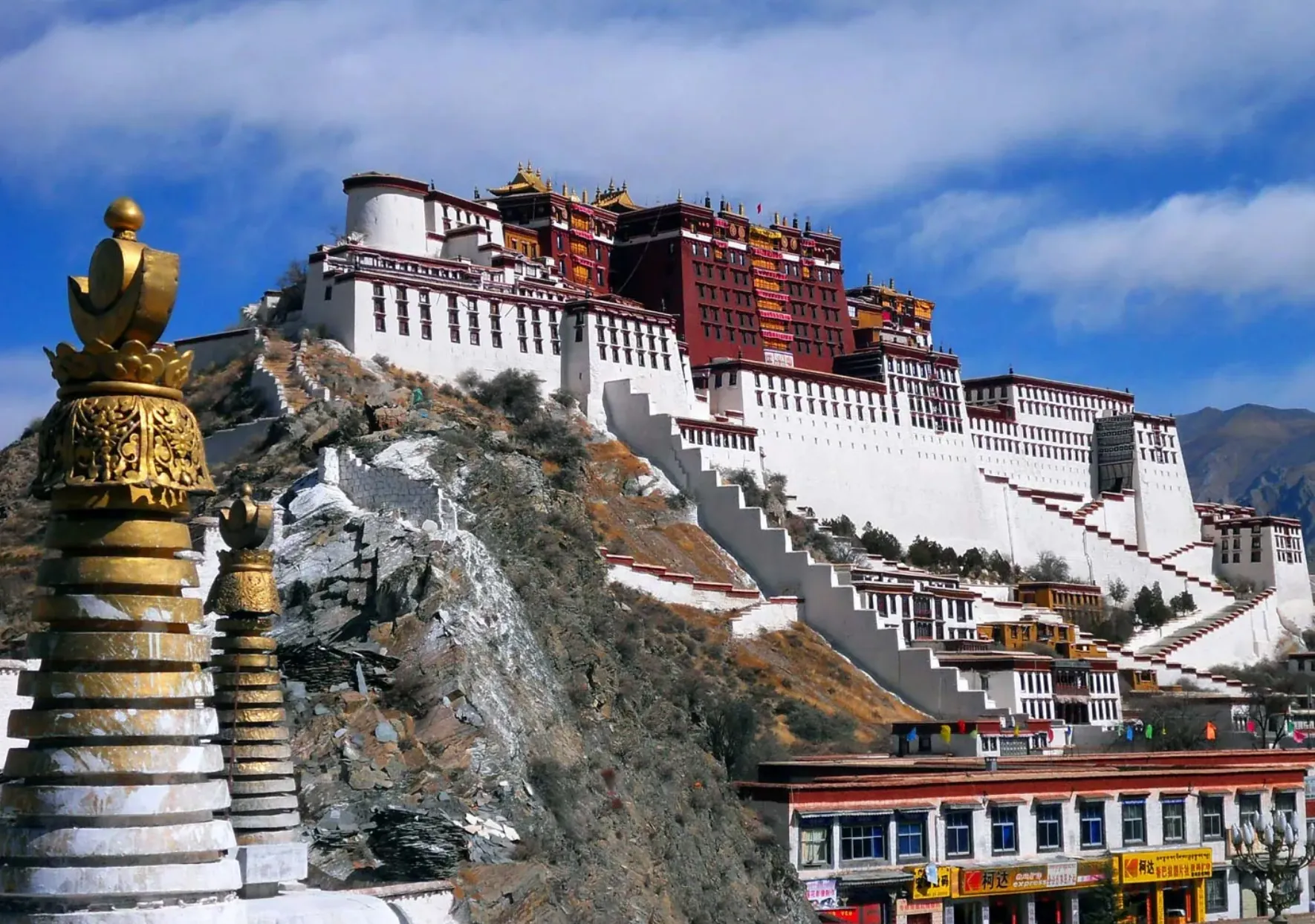
Kailash Mansarovar Overland Tour – 12 Days
Trip Duration: 12 Days
Trip Grade: Strenuous
Group Size: Min 2 person - Max 10 person
Meals: Breakfast in Kathmandu; breakfast, lunch and dinner in Tibet
Best Season: May to September
Start Point: Kathmandu
Accomodation: Hotels in Kathmandu, Kerung and Saga; guesthouses at Mansarovar, Darchen and on the kora
Ending Point: Kathmandu
Max Altitude: 5,630m (Dolma La Pass)
Transportation: Private vehicle to the border; Tibet-registered vehicle in Tibet
Permits Required: Chinese group visa, Tibet Travel Permit, Alien's Travel Permit, frontier permits
Overview
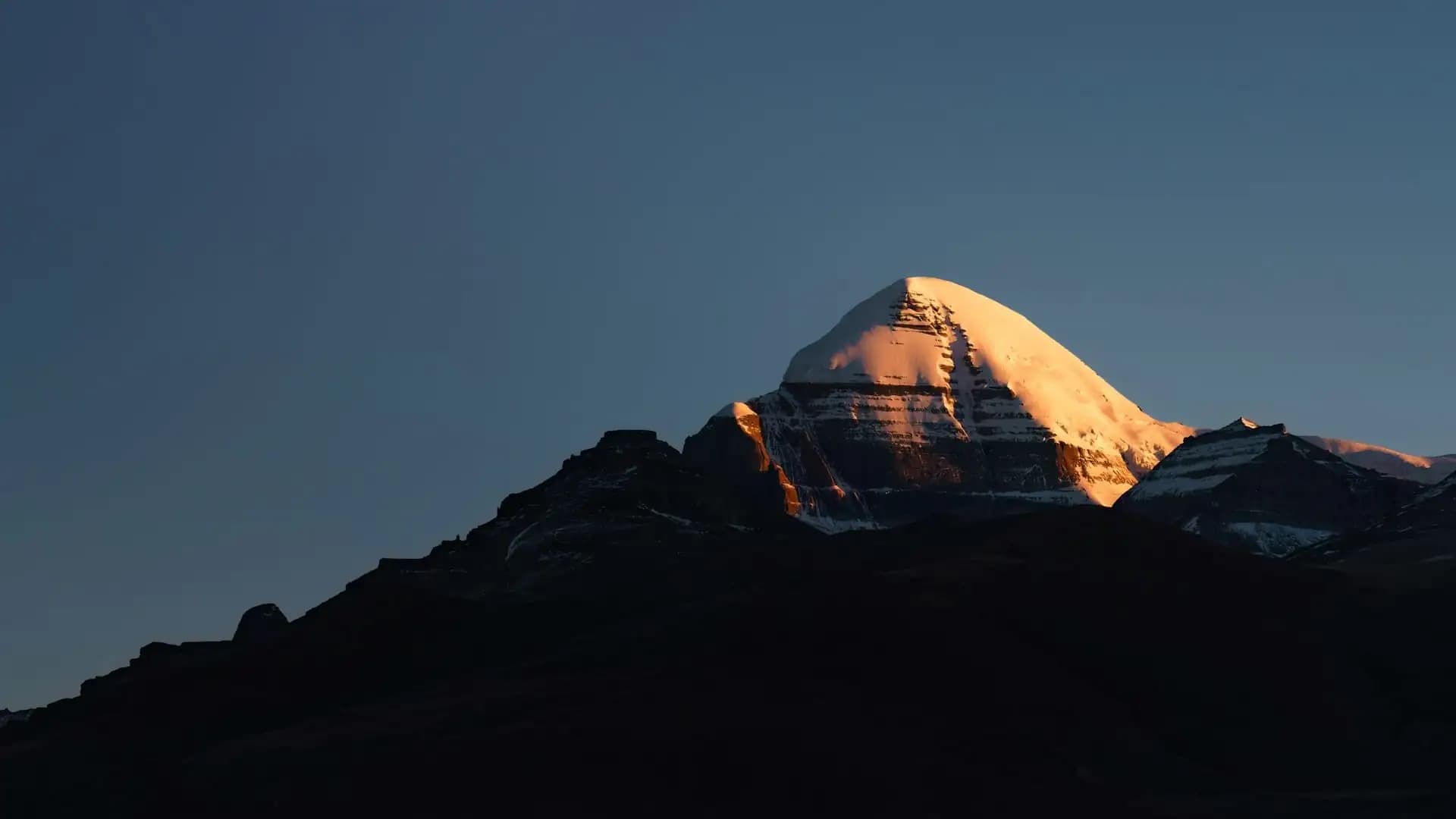
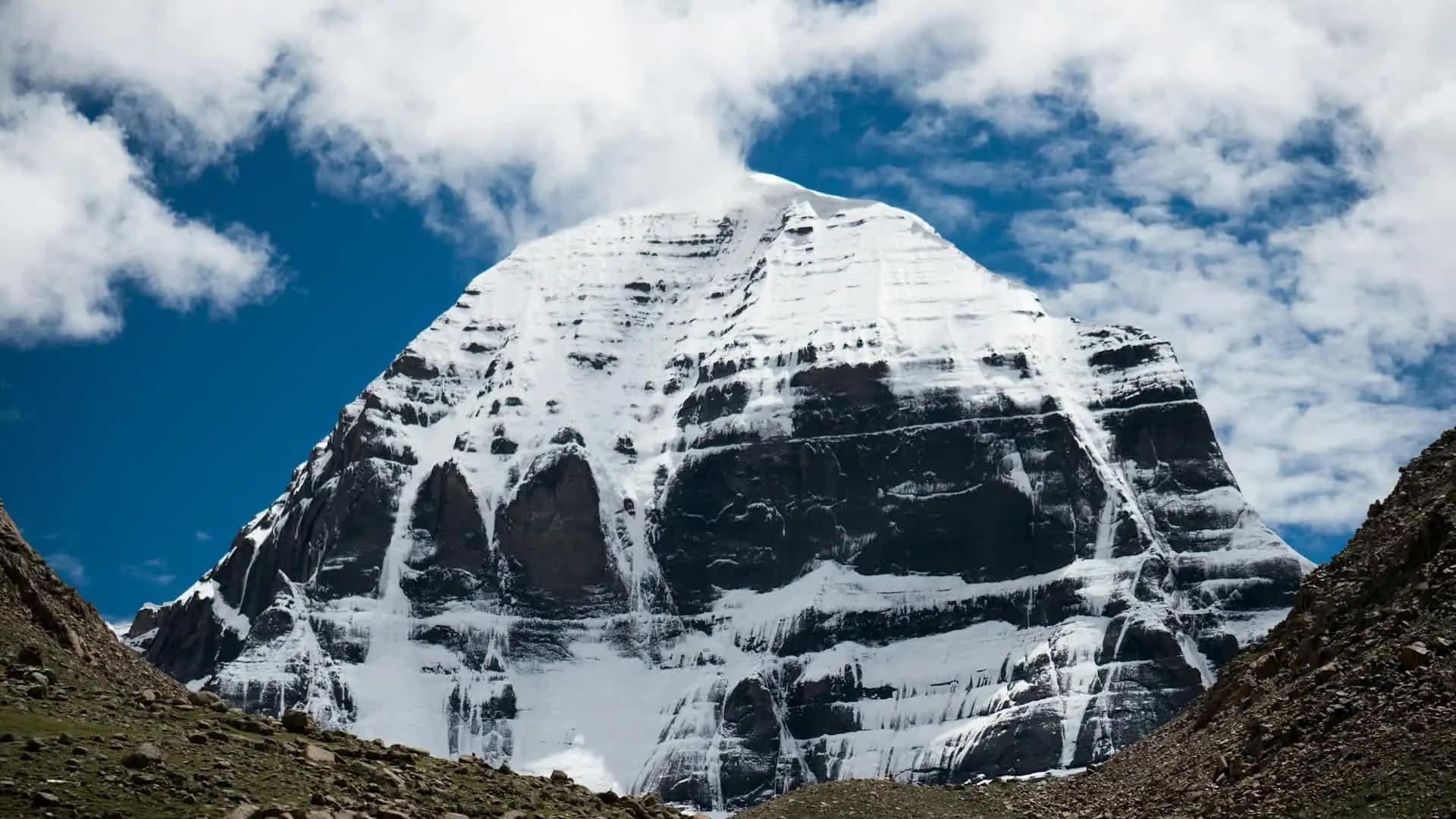
Mount Kailash (6,638 m) is the most sacred mountain in Asia. It is revered by Hindus, Buddhists, Jains and followers of the Bön religion. Walking the kora (parikrama) around it and visiting the holy waters of Lake Mansarovar is one of the great pilgrimages on earth.
This 12-day overland tour goes from Kathmandu across the Nepal–Tibet border and onto the vast Tibetan Plateau. We spend two nights in Nyalam to acclimatize before climbing higher. Then we continue via Saga to Lake Mansarovar and Darchen, the starting point of the kora. The three-day kora crosses Dolma La Pass at about 5,630 m before we return to Kathmandu by road.
This is a demanding journey at very high altitude. It suits travellers in good health who are prepared for long drives, basic accommodation and cold conditions. Our licensed operator handles your Chinese visa and Tibet permits.
Highlights
Itinerary
Arrive in Kathmandu and transfer to your hotel. You meet our tour representative, who reviews your passport and travel documents and gives an initial briefing. The rest of the day is free to rest and prepare.
We complete the Chinese visa and Tibet travel-document procedures through a licensed operator. A detailed briefing covers the border crossing, road journey, altitude, health precautions and the Kailash kora. Final procedures depend on each traveller's nationality and the regulations in force.
We drive east along the Araniko Highway to Tatopani/Kodari and complete Nepal-side immigration and customs. We then cross the Friendship Bridge to Zhangmu (Khasa) for Chinese-side entry and continue uphill to Nyalam. This day depends on the border, and road conditions, landslides, traffic and immigration processing can affect the schedule.
Rest and short walk A full day in Nyalam lets you rest and begin adjusting to the altitude. Depending on health, weather and guide advice, we take a short, gentle walk near town. This rest day is especially important before climbing onto the Tibetan Plateau.
The road climbs out of the Himalayan gorge onto the open Tibetan Plateau, with dramatic mountain scenery and high-altitude landscapes along the way. Keep activity light after arrival and follow your guide's advice.
We continue across the plateau to the sacred Lake Mansarovar, with wide views of the lake and the surrounding mountains. We stay overnight in the lake area, depending on local accommodation and access arrangements.
We visit the Lake Mansarovar area and, where access is permitted, Chiu Gompa. Then we drive to Darchen, the starting point of the Kailash kora. We check trekking equipment and confirm any pre-booked porters or horses for the three days ahead.
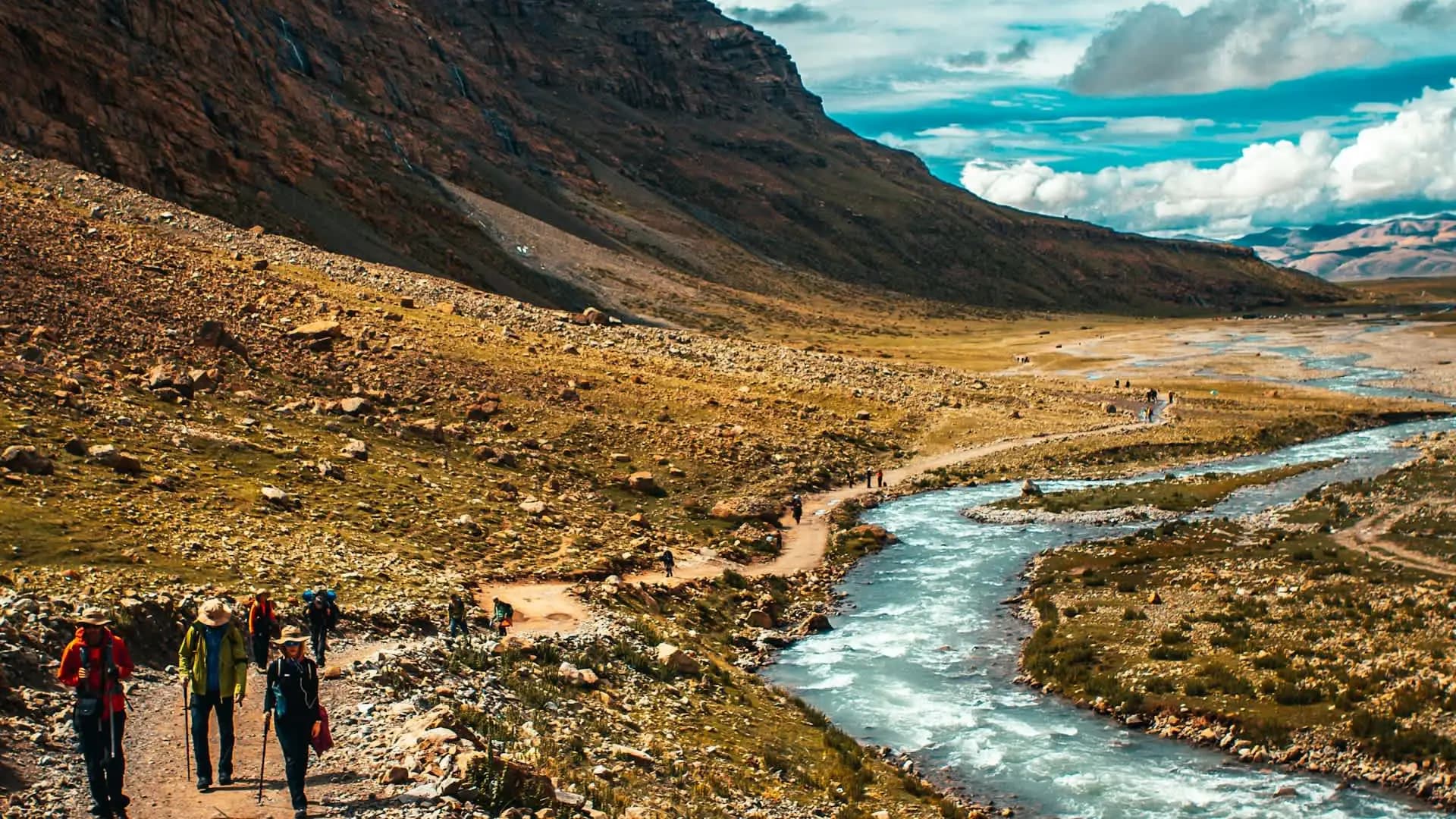
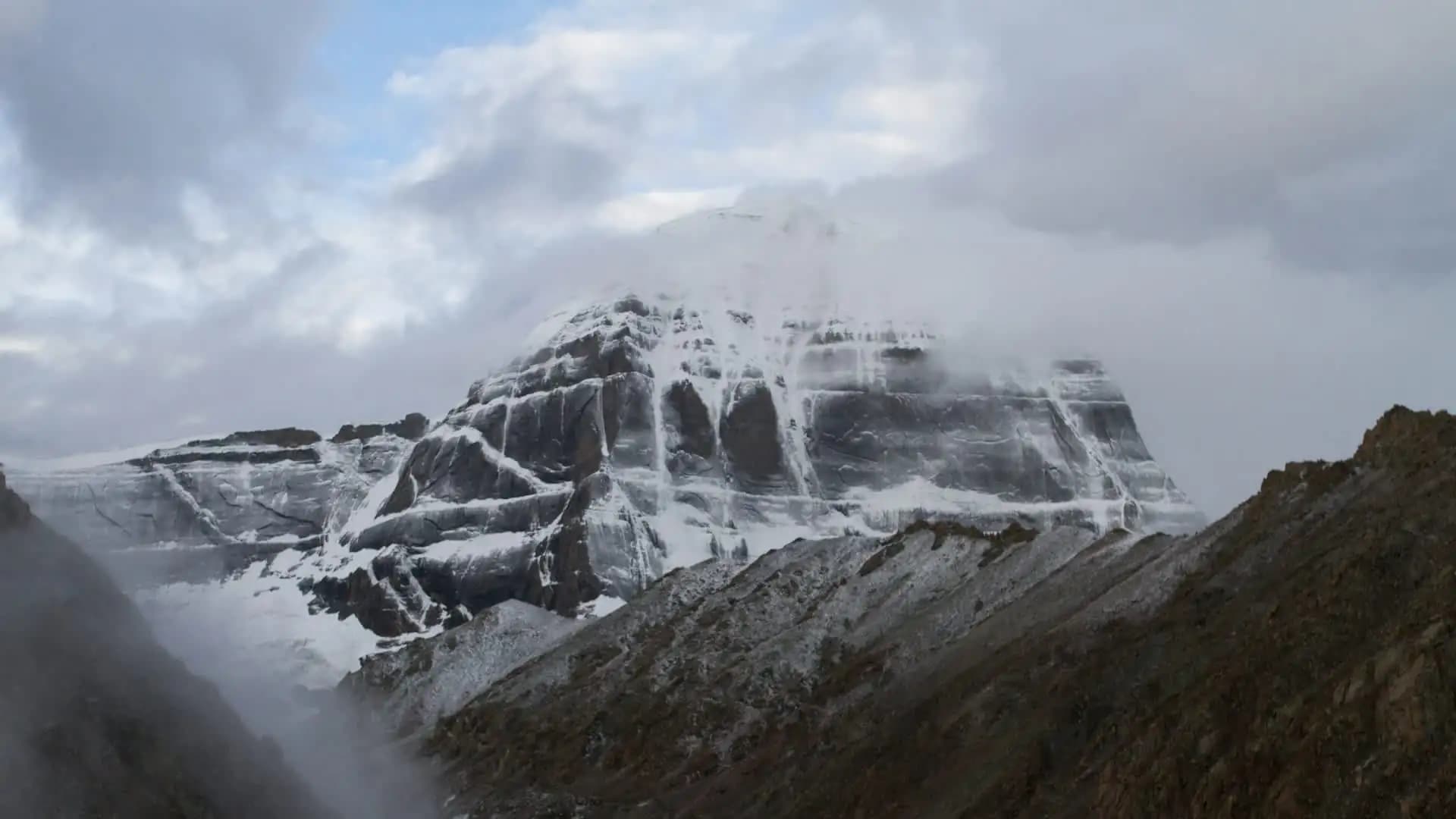
A short drive takes us to the kora starting point near Tarboche/Yamadwar. From there we walk up the valley to Dirapuk, which is known for its close views of the north face of Mount Kailash.
This is the hardest day of the journey. We climb to Dolma La Pass, the highest point of the trip, then descend past Gauri Kund and continue to Zuthulphuk. Snow, ice, strong winds and very thin air are possible, so we follow the guide's instructions and walk at a steady pace.
We walk the final section from Zuthulphuk to the kora exit point and complete the sacred circuit. Our vehicle meets us there and drives us back to Saga. This is a long day of trekking and road travel.
A long drive east across the Tibetan Plateau brings us back to Nyalam, where we rest overnight before descending to the border.
Drive with border crossing. We drive down to Zhangmu for Chinese-side exit formalities and cross the Friendship Bridge. We then complete Nepal-side immigration and customs at Kodari/Tatopani and continue along the Araniko Highway to Kathmandu. The tour ends when we arrive. Border queues, road damage, weather and landslides may delay arrival.
Elevation Profile
Altitude Variation Chart
What's Included
Included
- Airport pick-up and drop-off in Kathmandu
- 2 nights in a tourist-class hotel in Kathmandu with breakfast (twin-sharing)
- Chinese group visa fee and visa processing
- All ground transport in Nepal and Tibet by private vehicle
- Guesthouse and hotel accommodation in Tibet on a twin-sharing basis
- Three meals a day in Tibet
- Nepali tour representative in Kathmandu and at the border
- Entrance fees for Lake Mansarovar and the Kailash kora area
- Duffel bag
Excluded
- International flights and Nepal visa fees
- Travel insurance (mandatory; must cover high altitude and evacuation)
- Lunch and dinner in Kathmandu
- Single room supplement
- Drinks, snacks, laundry, hot showers and charging fees
- Tips for guide, driver and tour leader
- Extra nights and costs caused by road closures, landslides, permit changes or illness
- Emergency evacuation and medical costs
- Extra hotel night in Kathmandu after the trip
Packing List
Category | Items |
|---|---|
Clothing | Down jacket, waterproof jacket and trousers, fleece, thermal base layers, trekking trousers, warm hat, sun hat, warm gloves and liner gloves, buff or scarf |
Footwear | Broken-in waterproof trekking boots, warm socks (4–5 pairs), sandals or light shoes for the evenings |
Sleeping | Sleeping bag rated to about −10°C, or a warm liner for the kora guesthouses |
Gear | 25–35 litre day pack, trekking poles, headlamp with spare batteries, sunglasses (category 3–4), 1-litre insulated bottle |
Health | Personal medicines, altitude medicine if your doctor advises it, sun cream SPF 50, lip balm, blister kit, hand sanitiser, water purification |
Documents | Passport (6+ months' validity), passport photos, insurance details, copies of documents |
Other | Power bank, universal adapter, snacks, wet wipes, toilet paper, small padlock, cash in Chinese yuan |
Frequently Asked Questions
It is strenuous because of the altitude. Most of the trip is spent above 4,500 m, and the kora is about 42–45 km over three days. Day 9 over Dolma La takes 8–11 hours. No technical skills are needed, but you should be in good health and fitness.
The main season is May to September, when roads and the kora are open. Full-moon dates, especially Saga Dawa (usually in May or June), are popular and book up early.
We arrange them through a licensed Tibet operator. Independent travel to the Kailash region is not allowed. Send us a clear passport copy when you book. Processing takes several weeks, and the rules depend on your nationality. You must not start the journey until all visas and permits are approved.
Usually not. Travellers entering Tibet from Nepal normally travel on a Chinese group visa issued in Kathmandu. Any individual Chinese visa in your passport may be cancelled. Please check with us before applying for one yourself.
Nyalam is at 3,750 m, and the next day climbs to the Tibetan Plateau at about 4,500 m. The extra night gives your body time to adjust and lowers the risk of altitude sickness.
Tell your guide at once if you have a headache, nausea, dizziness, breathlessness at rest or trouble sleeping. We carry emergency oxygen. If symptoms get worse, the only cure is to go down, and your guide will arrange this. Please see your doctor before the trip, especially if you have heart, lung or blood pressure conditions.
Yes. Porters and horses can be hired in Darchen for the three-day kora, at extra cost and subject to availability. Tell us in advance and we will book them for you.
You can stay in Darchen while the group walks the kora, and rejoin them afterwards. Your guide will help you decide on the day.
In Kathmandu you stay in a hotel. In Tibet, accommodation is in simple hotels and guesthouses. Rooms on the kora at Dirapuk and Zuthulphuk are very basic, with shared toilets and limited heating.
Meals in Tibet are simple and mostly vegetarian, such as rice, noodles, vegetables, soup, bread and Tibetan dishes. Bring snacks you like for the kora days.
Mobile signal is available in most towns, but it is weak or missing on parts of the kora. Charging is limited and costs extra at kora guesthouses, so bring a power bank.
Border crossings, landslides and weather can change the schedule. If the Tatopani–Zhangmu crossing isn't available, we may use another approved route. Any extra costs from closures or delays are not included in the price.
Bring Chinese yuan in cash for porters, horses, drinks, snacks and tips in Tibet. Bring US dollars or Nepali rupees for Kathmandu. Card payments are rarely accepted in western Tibet.
Yes. Your policy must cover high-altitude travel up to about 5,700 m, trekking and emergency evacuation.
Gallery & Video
Customer Reviews
Loading reviews...